

Medication-Assisted Treatment (MAT) for opioid use disorder is defined as the combination of FDA-approved medication with psychosocial counseling and support services. Suboxone (buprenorphine/naloxone) stabilizes brain chemistry and reduces cravings, but medication alone is not the intended approach. The therapy types paired with Suboxone are what address the behavioral, emotional, and relational roots of addiction. A 2026 study in Frontiers in Psychiatry found that buprenorphine plus psychotherapy was associated with a more than fivefold increase in remission likelihood compared to no treatment. That number tells you everything about why counseling is not optional.
1. What are the top therapy types paired with Suboxone?
The seven most scientifically supported therapy types that complement Suboxone treatment are Cognitive Behavioral Therapy (CBT), Motivational Interviewing (MI), Contingency Management (CM), Mindfulness-Based Therapies, Family Therapy, Trauma-Informed Counseling, and Peer Support Groups. SAMHSA explicitly supports these modalities as standard components of a whole-person treatment plan. Each targets a different dimension of opioid use disorder, which is why combining several of them produces the strongest outcomes.
Here is a brief overview of each:
- Cognitive Behavioral Therapy (CBT): Teaches you to identify and change thought patterns that lead to drug use. CBT builds relapse prevention skills and practical coping strategies for managing triggers.
- Motivational Interviewing (MI): Resolves ambivalence about recovery by helping you clarify your own values and goals. MI is especially effective early in treatment when commitment is fragile.
- Contingency Management (CM): Uses positive reinforcement, such as vouchers or privileges, to reward abstinence and treatment attendance. CM has strong evidence for improving retention in MAT programs.
- Mindfulness-Based Therapies: Techniques drawn from Mindfulness-Based Stress Reduction (MBSR) and Mindfulness-Based Cognitive Therapy (MBCT) reduce emotional reactivity and craving intensity.
- Family Therapy: Addresses relational dynamics, communication breakdowns, and enabling behaviors that can undermine recovery. Family involvement significantly improves long-term outcomes.
- Trauma-Informed Counseling: Processes past trauma, which is a primary driver of opioid use disorder for many people. Approaches like EMDR (Eye Movement Desensitization and Reprocessing) and Seeking Safety are commonly used.
- Peer Support Groups: Programs like Narcotics Anonymous (NA) and SMART Recovery build community, accountability, and shared experience. Peer support reduces isolation, which is one of the most underestimated relapse triggers.
Pro Tip: Ask your prescribing provider to document which therapy types are included in your care plan. SAMHSA’s guidelines require that counseling be patient-centered and tied to your evolving recovery goals, not a fixed checklist.
2. How therapy enhances the effectiveness of Suboxone treatment
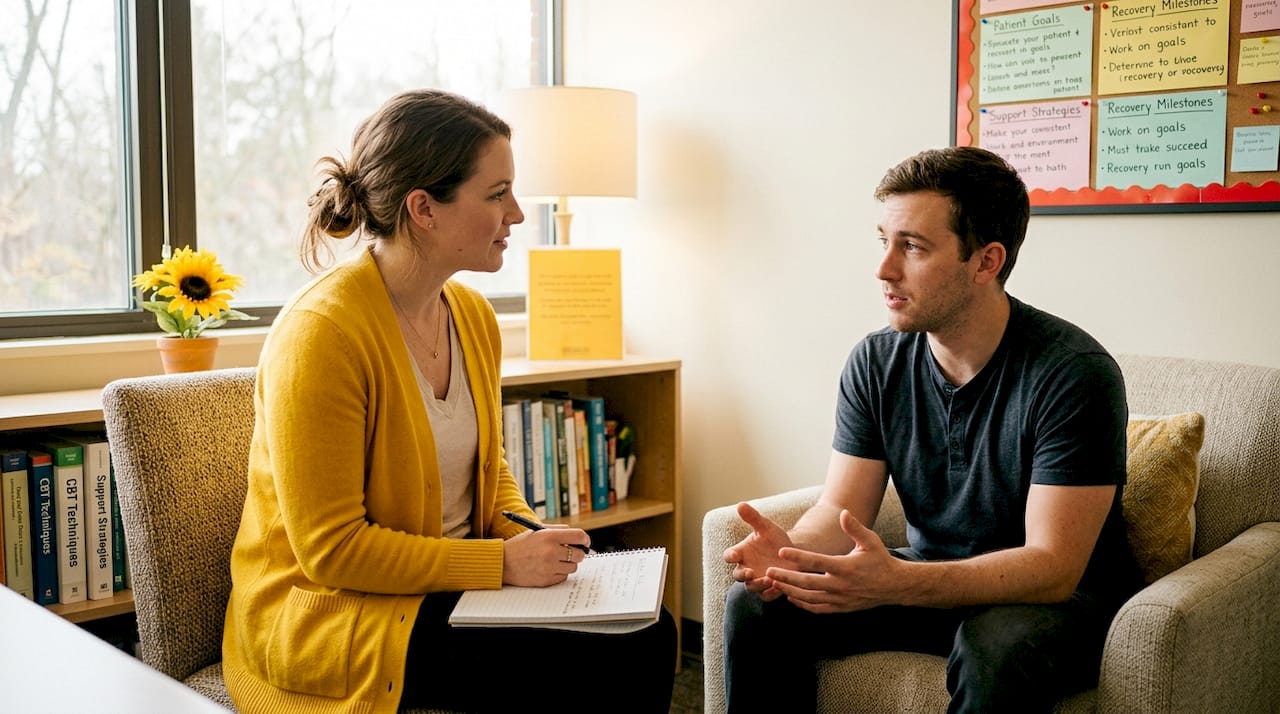
Suboxone addresses the neurological side of opioid use disorder by binding to opioid receptors, reducing withdrawal symptoms, and blocking the euphoric effects of other opioids. What it cannot do is teach you how to handle stress without substances, repair damaged relationships, or process the trauma that may have started the cycle. That is precisely where evidence-based counseling fills the gap.
CBT and MI directly build the psychological skills that medication cannot provide. CBT trains you to recognize high-risk situations before they become crises. MI strengthens your internal motivation so that recovery feels self-directed rather than imposed. Together, these approaches stabilize the psychosocial factors that Suboxone cannot reach.
Trauma-informed counseling and mindfulness therapies go even deeper. Many people with opioid use disorder carry unresolved trauma, and without processing it, the emotional pain that drove substance use remains untouched. Mindfulness practices reduce the automatic stress response that often precedes cravings, giving you a pause between the trigger and the behavior.
Pro Tip: If you are working with a Suboxone provider who does not discuss therapy options, ask specifically about relapse prevention skills and whether a counselor referral is part of your treatment plan. You have the right to ask.
3. Comparing therapy modalities: strengths and what to consider
Not every therapy type fits every person, and understanding the differences helps you advocate for the right combination. The table below compares the leading options across key dimensions.
| Therapy Type | Primary Goal | Delivery Style | Typical Frequency |
|---|---|---|---|
| CBT | Relapse prevention, coping skills | Individual or group | Weekly |
| Motivational Interviewing | Engagement, ambivalence resolution | Individual | 1-4 sessions or ongoing |
| Contingency Management | Behavioral reinforcement | Program-based | Per visit or weekly |
| Mindfulness-Based Therapy | Emotional regulation, craving reduction | Group or individual | Weekly, 8-week programs common |
| Family Therapy | Relational repair, support system | Family unit | Bi-weekly or monthly |
| Trauma-Informed Counseling | Processing past trauma | Individual | Weekly |
| Peer Support Groups | Community, accountability | Group | Weekly or more |
Several practical factors shape which therapies are realistic for you right now:
- Cost and insurance coverage: CBT and MI are widely covered by Medicaid and most private insurers. Contingency Management programs vary by clinic.
- Accessibility: Telehealth has made individual therapy far more accessible. Group therapies like NA and SMART Recovery are free and available in most communities.
- Personal readiness: Some people are not ready for trauma-focused work early in recovery. Starting with MI or CBT and adding trauma-informed counseling later is a clinically sound sequence.
- Scheduling: Group therapy and peer support often offer more flexible timing than individual sessions.
Shared decision-making between you and your provider is the most reliable way to match therapy types to your actual life circumstances. Your plan should be updated as your needs change, not locked in at intake.
4. Matching therapy types to your individual needs
The right combination of Suboxone combined therapies depends on your clinical profile, personal history, and current life situation. There is no single formula, but there are clear patterns that guide good clinical decisions.
Trauma-informed counseling is critical if your opioid use disorder is connected to childhood trauma, abuse, domestic violence, or PTSD. Treating addiction without addressing trauma is like treating an infection without removing the source. Approaches like Seeking Safety are specifically designed for people in early recovery who are not yet stable enough for intensive trauma processing.
Family therapy produces the strongest results when relational conflict or enabling dynamics are active stressors in your life. If family members are either unsupportive or overly involved in ways that undermine your autonomy, structured family sessions can shift those patterns. The support systems around you are as important as the treatment you receive directly.
Mindfulness-based approaches work particularly well for people who struggle with emotional dysregulation, anxiety, or chronic stress. If you notice that cravings spike when you feel overwhelmed or emotionally flooded, mindfulness gives you a concrete skill set to interrupt that cycle.
MI is the right starting point when you feel ambivalent about recovery or are not fully convinced that change is worth the effort. A skilled MI counselor does not push or lecture. Instead, they help you articulate your own reasons for wanting a different life, which is far more durable than external pressure.
Re-assessment matters as much as the initial match. What you need at 30 days of treatment is different from what you need at 12 months. Individualized care plans should be reviewed regularly and adjusted based on your progress, setbacks, and shifting goals.
Key takeaways
Combining Suboxone with tailored psychosocial therapies produces remission rates more than five times higher than medication or therapy alone, making integrated treatment the clinical standard for opioid use disorder.
| Point | Details |
|---|---|
| Medication needs therapy | Suboxone stabilizes brain chemistry, but counseling addresses behavior, trauma, and motivation. |
| Five therapy types lead the evidence | CBT, MI, Contingency Management, Mindfulness, and Trauma-Informed Counseling have the strongest clinical support. |
| Matching matters | The right therapy depends on your trauma history, relational dynamics, and readiness for change. |
| Plans should evolve | Reassess therapy types regularly as your recovery goals and circumstances shift. |
| Peer support amplifies outcomes | Groups like NA and SMART Recovery add community accountability that individual therapy alone cannot replicate. |
Why counseling is the part of treatment most people underestimate
I have seen patients stabilize quickly on Suboxone and then quietly stop attending therapy because they feel better. That is one of the most common and costly mistakes in opioid use disorder treatment. Feeling better is not the same as being recovered. The medication has done its job of quieting the physical noise, but the underlying patterns that drove the addiction are still there, waiting.
The patients who sustain long-term recovery are almost always the ones who stayed engaged with counseling even when it felt unnecessary. They built the skills, processed the history, and developed a support network. The medication gave them the stability to do that work. Stopping therapy early removes the scaffolding before the structure is solid.
One thing I want you to know: patients who decline counseling can still receive Suboxone. No one should be denied medication because they are not ready for therapy. But the evidence strongly favors integration, and I encourage you to stay open to it even if you start with medication alone.
Finding a therapist whose approach aligns with your values is worth the effort. If the first counselor does not feel right, try another. The therapeutic relationship itself is one of the strongest predictors of outcome. You deserve a provider who sees you as a whole person, not a diagnosis.
— Cory
How Mdmatt supports your full recovery plan
At Mdmatt, we believe that treating opioid use disorder means treating the whole person, not just the physical dependence. Our Suboxone treatment program integrates medication management with evidence-based counseling options including CBT, Motivational Interviewing, and peer support referrals. Every patient receives a personalized care plan that is reassessed as their recovery evolves.
We offer both in-person and telehealth treatment services so that access to care is never a barrier. Whether you are just starting out or looking to strengthen an existing treatment plan, our team is ready to meet you where you are. Reach out today to learn how we can build a therapy and medication plan that fits your life.
FAQ
What therapy works best alongside Suboxone?
CBT and Motivational Interviewing have the strongest evidence base for use alongside Suboxone, targeting relapse prevention and treatment engagement respectively. SAMHSA recommends tailoring therapy to each patient’s goals rather than applying a single approach universally.
Can I take Suboxone without attending therapy?
Yes. Patients who decline counseling can still receive Suboxone under current clinical guidelines. However, integrated treatment combining medication and psychotherapy produces significantly better remission outcomes than medication alone.
How often should I attend therapy while on Suboxone?
Frequency depends on your individual care plan, but weekly individual sessions and regular group participation are common starting points. Your provider should reassess your plan periodically and adjust session frequency based on your progress and needs.
Is trauma therapy safe to start while on Suboxone?
Trauma-informed approaches like Seeking Safety are designed specifically for people in early recovery and are considered safe to begin while on Suboxone. More intensive trauma processing, such as EMDR, is typically introduced once you have achieved a period of stability on medication.
Do peer support groups count as therapy in a Suboxone treatment plan?
Peer support groups like Narcotics Anonymous and SMART Recovery are not clinical therapy, but they are recognized as valuable components of a comprehensive recovery plan. They provide community, accountability, and lived-experience guidance that formal therapy alone cannot replicate.

