

The best activities safe during Suboxone treatment are those that support your physical health, stabilize your mood, and work with your medication rather than against it. Suboxone, the brand name for buprenorphine/naloxone, is a cornerstone of Medication-Assisted Treatment (MAT) for opioid use disorder. Choosing the right activities while on MAT is not just about staying busy. It directly reduces cravings, improves sleep, and strengthens your ability to stay on track. This guide covers what works, what to avoid, and how to build a routine that genuinely supports your recovery.
1. Safe exercises on Suboxone: what the guidelines say
Physical activity is one of the most evidence-backed tools available to you during Suboxone treatment. Current 2026 health guidelines recommend that patients in recovery aim for 150 minutes of moderate-intensity physical activity each week. That breaks down to five 30-minute sessions, or shorter bursts spread throughout the day.
The good news is that moderate exercise covers a wide range of accessible options:
- Walking: The most accessible starting point. A 20-minute walk after meals supports digestion, lifts mood, and builds consistency without taxing your body.
- Swimming: Low-impact and easy on joints, swimming is ideal if fatigue or muscle soreness is an issue during early recovery.
- Gentle jogging: Once your energy stabilizes, light jogging adds cardiovascular benefit without the injury risk of high-intensity training.
- Cycling: Stationary or outdoor cycling gives you control over intensity and is easy to scale up as your stamina improves.
- Yoga: Combines physical movement with breathwork and mindfulness, making it one of the most recovery-specific exercises available.
Common side effects of Suboxone include drowsiness, dizziness, constipation, and fatigue. These directly influence how hard you should push yourself, especially in the first weeks of treatment. Listening to your body is not optional. It is the strategy.
Pro Tip: If a full 30-minute session feels like too much, break it into three 10-minute walks. Research confirms this approach still delivers the full weekly benefit and is far easier to sustain.
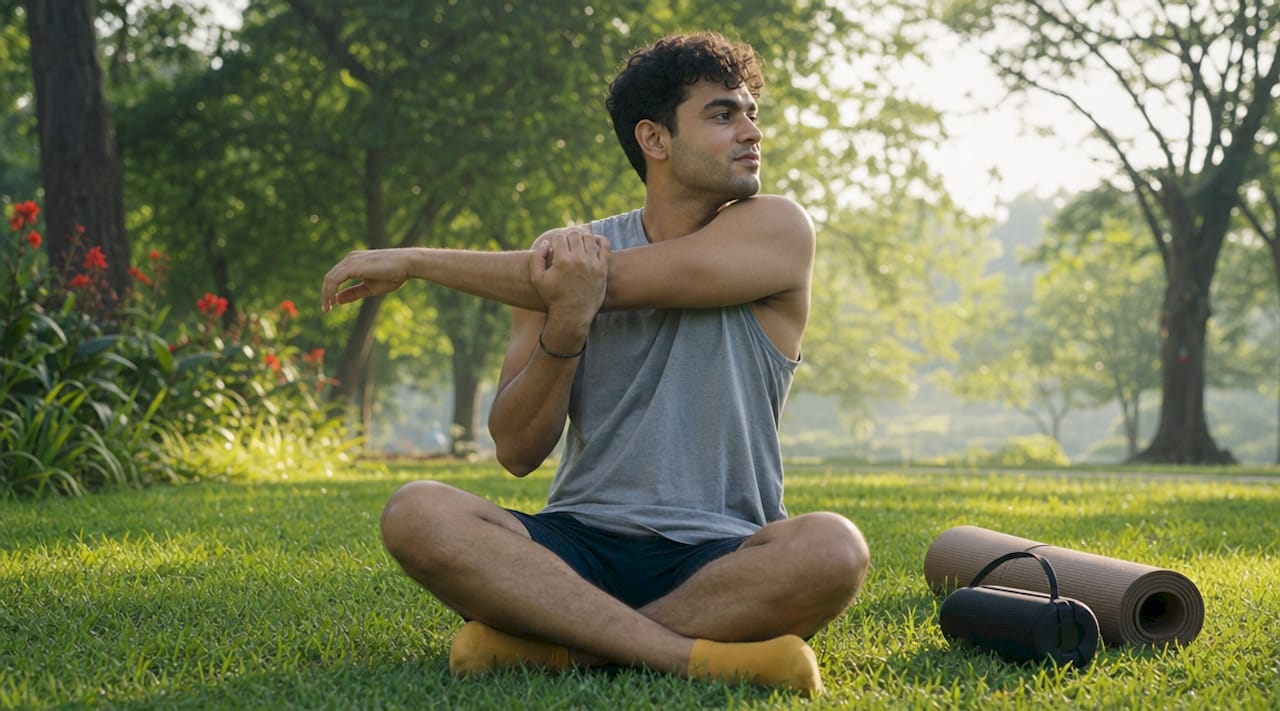
Avoid high-intensity interval training, heavy powerlifting, or contact sports during early recovery. Your coordination and reaction time may be affected by medication side effects, and the injury risk is not worth it at this stage.
2. Activities to avoid on Suboxone
Knowing what to avoid is just as important as knowing what to do. Some activities and substances create serious risks when combined with Suboxone treatment.
The most critical rule involves substances. Combining Suboxone with alcohol, benzodiazepines, or other central nervous system depressants significantly increases the risk of respiratory depression, coma, and death. This is not a precaution to take lightly. Even a single drink can amplify Suboxone’s sedative effects in ways that become dangerous.
Beyond substances, certain physical and daily activities require caution:
- Driving or operating machinery: Avoid operating machinery until you know exactly how Suboxone affects your alertness and reaction time. Dizziness and drowsiness are real risks, particularly in the first days of a new dose.
- High-risk physical activities: Rock climbing, motorcycling, or any activity requiring sharp reflexes and balance should be postponed until side effects are well understood.
- Unapproved supplements or medications: Some herbal supplements and over-the-counter medications interact with buprenorphine. Always check with your prescribing physician before adding anything new.
- Isolation: While not a physical activity, withdrawing from social contact is a behavioral pattern that significantly increases relapse risk. Treat it as something to actively avoid.
A note on fear around medication: Physical dependence on Suboxone is different from addiction. Your body adapting to the medication is a normal physiological response, not a sign that treatment is failing. Stopping abruptly causes acute withdrawal, which is why tapering under physician supervision is the correct approach. Understanding this distinction reduces unnecessary fear and helps you stay committed to treatment.
3. Sober hobbies that support mental wellness during treatment
Physical activity addresses the body. Sober hobbies address the mind, and both are necessary for lasting recovery. Exercise reduces cravings and alleviates depression and anxiety, but creative and social activities fill the emotional gaps that medication alone cannot.
Mind-body practices deserve special attention here. Yoga and tai chi help regulate the nervous system, reduce stress, and stabilize mood in recovery settings. Yoga has been specifically studied in addiction recovery with consistently positive outcomes. These are not just relaxation techniques. They are clinical tools that happen to feel good.
Creative hobbies offer a different kind of benefit:
- Journaling: Writing about your thoughts and emotions builds self-awareness and provides a private outlet for processing difficult feelings without judgment.
- Art and drawing: Creative expression activates parts of the brain associated with reward and satisfaction, offering a healthy substitute for the dopamine patterns disrupted by opioid use.
- Music: Playing an instrument or even listening intentionally to music has measurable effects on mood regulation and stress reduction.
Social activities are equally powerful. Joining a support group like Narcotics Anonymous or SMART Recovery connects you with people who understand your experience firsthand. Gentle group fitness classes, community volunteering, and faith-based groups all provide structure, accountability, and a sense of belonging that accelerates recovery.
Pro Tip: You do not need to commit to a hobby permanently. Try three or four different activities over a month and notice which ones you actually look forward to. Enjoyment is the best predictor of consistency.
Routine built around these activities does something specific for recovery: it replaces the time and mental energy previously consumed by substance use with something that reinforces your identity as someone in recovery.
4. How to build a safe daily routine during Suboxone treatment
Building a routine is not about perfection. It is about creating enough structure that healthy choices become the default rather than the exception.
- Start with one anchor activity. Choose one physical activity you can do at the same time each day, even if it is just a 10-minute walk after breakfast. Consistency at a low level beats intensity that burns out in a week.
- Schedule your medication and meals together. Pairing Suboxone doses with meals creates a natural anchor point for your day and supports better nutrition, which directly affects energy and mood.
- Add a creative or social activity three times per week. This does not need to be elaborate. Fifteen minutes of journaling or a phone call with a supportive friend counts.
- Prioritize sleep above everything else. Sleep disruption is one of the most common triggers for cravings. A consistent bedtime and wake time does more for recovery than most people realize.
- Use activity to interrupt cravings directly. A brisk 10-minute walk can interrupt rumination and reduce craving intensity in real time. When a craving hits, movement is one of the fastest interventions available.
- Check in with your healthcare provider regularly. Your activity tolerance and medication needs will change over time. A prescribing physician at a clinic like Mdmatt can help you adjust your routine as your recovery progresses.
Hydration and nutrition run parallel to all of this. Dehydration worsens fatigue and dizziness, both of which are already potential side effects of Suboxone. Eating regular meals stabilizes blood sugar and reduces the mood swings that can make cravings harder to manage. You can learn more about building a safe routine that integrates exercise and medication effectively.
5. Comparing activity options for Suboxone treatment patients
Not every activity fits every person or every stage of recovery. This comparison helps you match your current energy level and physical condition to the right option.
| Activity | Intensity | Mental health benefit | Accessibility | Risk level |
|---|---|---|---|---|
| Walking | Low | Mood lift, craving reduction | Very high | Very low |
| Swimming | Low to moderate | Stress relief, focus | Moderate | Low |
| Yoga | Low to moderate | Nervous system regulation, anxiety reduction | High | Very low |
| Tai chi | Low | Mood stabilization, balance | Moderate | Very low |
| Cycling | Moderate | Cardiovascular mood boost | Moderate to high | Low |
| Journaling | None (mental) | Emotional processing, self-awareness | Very high | None |
| Support groups | None (social) | Connection, accountability | High | None |
| Strength training | Moderate to high | Confidence, structure | Moderate | Moderate (early recovery) |
The pattern here is clear. Low-intensity physical activities and mind-body practices carry the best risk-to-benefit ratio for most people in early to mid-stage Suboxone treatment. Strength training becomes a strong option once side effects stabilize and your prescribing physician confirms it is appropriate. For patients managing chronic pain alongside opioid use disorder, activity selection requires additional clinical input to avoid aggravating underlying conditions.
Key takeaways
Safe, consistent activity during Suboxone treatment directly reduces cravings, stabilizes mood, and builds the structure that makes lasting recovery possible.
| Point | Details |
|---|---|
| Follow the 150-minute guideline | Aim for 150 minutes of moderate activity weekly, split into manageable sessions. |
| Avoid substances and high-risk activities | Alcohol, benzodiazepines, and CNS depressants combined with Suboxone carry life-threatening risks. |
| Use mind-body practices for mental wellness | Yoga and tai chi regulate the nervous system and reduce anxiety in recovery settings. |
| Build routine around anchor activities | One consistent daily activity creates structure that supports medication adherence and relapse prevention. |
| Understand physical dependence vs. addiction | Dependence on Suboxone is a normal physiological response, not a treatment failure. |
What I’ve learned about activity and recovery that most articles skip
I have worked with patients in Suboxone treatment long enough to notice a pattern that rarely gets discussed directly. Most people come in focused on the medication. They want to know the dose, the schedule, the side effects. What they underestimate is how much the hours between doses determine whether treatment actually works.
The patients who do best are not necessarily the ones who follow the most rigorous exercise program. They are the ones who find one or two activities they genuinely enjoy and do them consistently. A woman who starts painting again after years away from it. A man who begins walking his dog every morning. These are not dramatic interventions. They are small, repeatable choices that rebuild a sense of self that opioid use disorder had eroded.
What I push back on is the idea that you need to overhaul your entire lifestyle immediately. That pressure creates failure. You miss one day at the gym and suddenly the whole plan feels broken. The support systems that actually sustain recovery are the ones built gradually, with patience and self-compassion built in from the start.
The other thing worth saying plainly: fear about Suboxone dependence stops too many people from committing fully to treatment. Physical dependence is not the same as addiction, and SAMHSA is clear on this point. Your body adjusting to a medication that keeps you stable is not a problem. It is the medication working. Understanding that distinction frees you to focus on what actually matters, which is building a life that does not need opioids in it.
— Cory
Ready to build your recovery with expert support?
Recovery is not something you have to figure out alone. At Mdmatt, we take a patient-centered approach to Suboxone treatment that goes beyond the prescription. We help you understand how to integrate safe physical activities, mental wellness practices, and daily structure into a treatment plan that fits your life.

Whether you prefer in-person visits or the flexibility of remote care, our Suboxone treatment clinic and telehealth services are designed to meet you where you are. Our team treats every patient with dignity and works to address not just opioid use disorder, but the root causes behind it. Reach out to Mdmatt today and take the next step toward a recovery built on real, lasting change.
FAQ
What physical activities are safe during Suboxone treatment?
Walking, swimming, yoga, cycling, and gentle jogging are all safe for most Suboxone patients. Current guidelines recommend 150 minutes of moderate-intensity activity per week, split into sessions as short as 10 minutes.
Can I drink alcohol while taking Suboxone?
No. Combining Suboxone with alcohol significantly increases the risk of respiratory depression, coma, and death. Alcohol must be strictly avoided throughout Suboxone treatment.
Is it safe to drive on Suboxone?
You should avoid driving or operating machinery until you know how Suboxone affects your alertness. Drowsiness and dizziness are common side effects, particularly when starting treatment or adjusting your dose.
What hobbies help with recovery while on Suboxone?
Journaling, art, music, yoga, tai chi, and participation in support groups like Narcotics Anonymous or SMART Recovery all support mental wellness and reduce the emotional triggers that lead to relapse.
Does Suboxone cause addiction?
Physical dependence on Suboxone is not the same as addiction. SAMHSA defines physical dependence as a normal physiological response to medication. Stopping Suboxone requires gradual tapering under physician supervision, not because the medication is addictive, but because abrupt cessation causes withdrawal.

