Finding a sublocade clinic near you sounds simple until you realize how much variation exists between providers, and how much that variation matters for whether treatment actually works. This guide walks through everything you need to evaluate a clinic, understand your coverage, and book an appointment without wasting time on the wrong options.
What Sublocade Is and Why It Works Differently
A 2022 study published in JAMA Network Open, following 5,200 patients across multiple treatment sites, found that extended-release injectable buprenorphine produced significantly higher treatment retention rates at six months compared to daily sublingual formulations. The mechanism behind that difference is straightforward: when medication is delivered once a month at a steady therapeutic level, there is no daily decision to make, no dose to remember, and no variability in blood concentration throughout the week.
Sublocade is buprenorphine in an extended-release injectable form, administered by a provider in office once a month. It is not a pill, not a film, and not a home medication. The injection creates a slow-release depot under the skin that maintains consistent buprenorphine levels across the full month. For people whose treatment has been interrupted by missed doses, inconsistent adherence, or the logistical burden of managing a daily medication, that consistency is the actual treatment advantage. If daily adherence has been the barrier, Sublocade changes the equation.
How the Monthly Injection Changes Daily Life
A 2021 study in Drug and Alcohol Dependence surveying 312 patients on long-acting injectable buprenorphine found that the majority reported improved sense of stability and reduced preoccupation with medication management compared to their experience with daily oral buprenorphine. The clinical mechanism translates directly: no peaks and valleys in blood levels, no morning dose decision, no carrying medication to work or managing refill schedules.
Many patients transition to Sublocade after stabilizing on daily Suboxone, because once the foundation of treatment is solid, the injectable format simplifies the routine without changing the pharmacology. When you contact any clinic, ask specifically whether they offer the injectable form, not just sublingual buprenorphine. That single question filters out a significant number of providers.
Who Qualifies for Sublocade Treatment
According to SAMHSA’s 2023 treatment guidelines, standard eligibility for extended-release injectable buprenorphine includes a confirmed opioid use disorder diagnosis, a period of stabilization on sublingual buprenorphine to establish tolerability, and the absence of severe hepatic impairment. People dependent on heroin, illicit fentanyl, or prescription opioids are the core candidates, which covers the overwhelming majority of people seeking this treatment in Maryland.
One persistent myth is that prior treatment attempts disqualify someone from starting Sublocade. They do not. SAMHSA’s data is clear that previous episodes of treatment, including incomplete ones, are common in the population that benefits most from long-acting medication. Prior treatment history informs the approach; it does not close the door. Before your first appointment, gather any prior prescription records you have access to. This speeds the eligibility review and avoids delays.
Insurance and Cost: What Medicaid Covers in Maryland
Maryland Medicaid covers Sublocade as part of its medication-assisted treatment benefits, consistent with CMS guidance on opioid use disorder treatment coverage under Medicaid expansion. A prior authorization is typically required, meaning the prescribing clinic submits clinical documentation before the first injection is approved. This is a standard administrative step, not a barrier, and practices experienced with Sublocade handle it routinely.
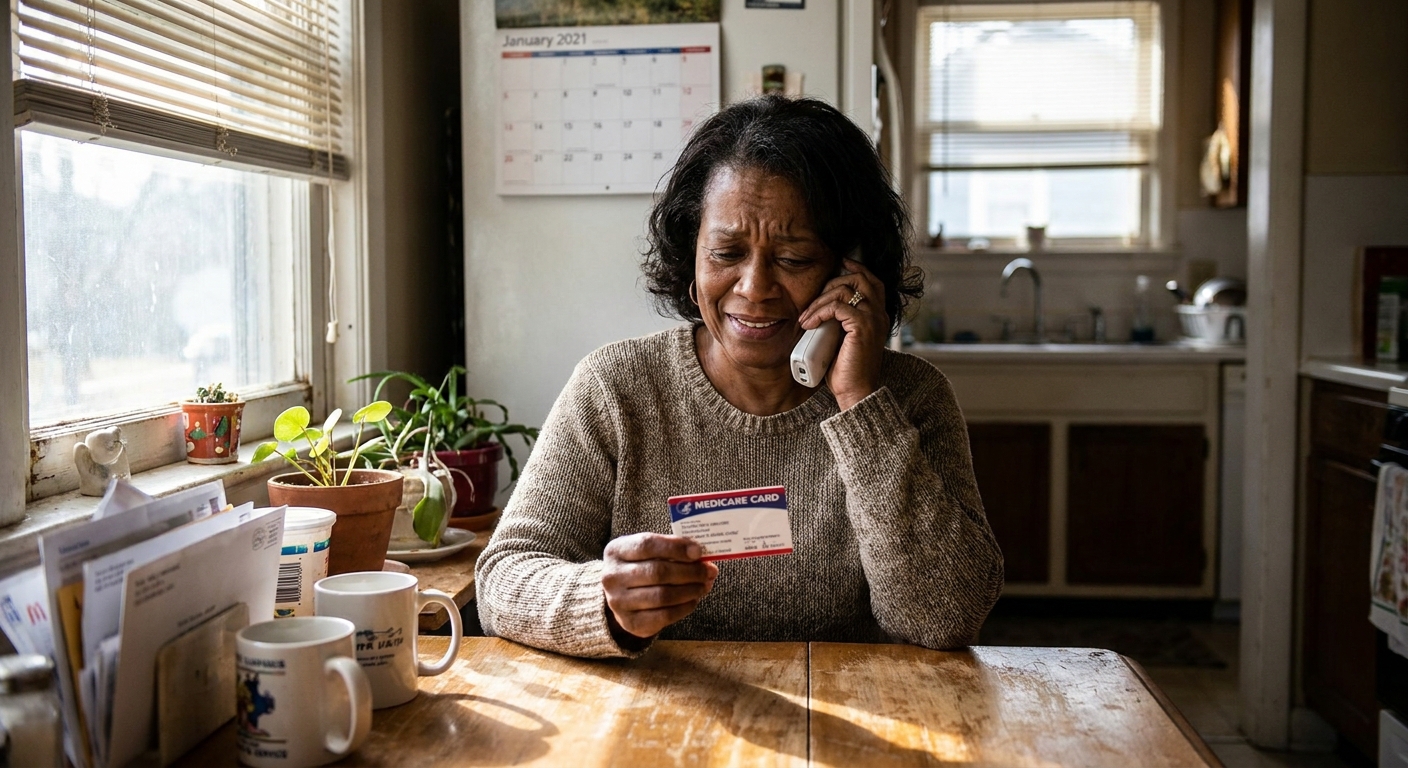
For patients on commercial insurance, coverage varies by plan, but most major plans with behavioral health benefits cover FDA-approved MAT medications. Uninsured patients have access to the manufacturer’s patient assistance program, which can significantly reduce or eliminate out-of-pocket cost. The single most practical step here: call the clinic’s billing line before your intake appointment, not after. Confirming coverage in advance prevents last-minute scheduling problems and removes a common reason people delay starting treatment.
How to Find a Sublocade Clinic Near You in Maryland
SAMHSA’s 2023 National Survey on Drug Use and Health estimated that fewer than 20 percent of people with opioid use disorder in the United States received any form of medication-assisted treatment in the prior year. The gap between need and access is real, and it makes the search process more frustrating than it should be. There are three reliable methods for closing that gap quickly.
The SAMHSA treatment locator at findtreatment.gov lets you filter by medication-assisted treatment and zip code, returning a ranked list of nearby providers. Maryland’s Behavioral Health Administration maintains its own provider directory through the state’s behavioral health agency, which lists licensed programs accepting Medicaid. The third method is direct outreach to practices with established Maryland locations, including Baltimore, College Park, Linthicum Heights, Nottingham, and Owings Mills, which together cover most of the state’s population centers. For a broader picture of what Sublocade treatment looks like across Maryland, those location anchors matter.
Use the SAMHSA locator today, filter for medication-assisted treatment, and call the top two results within 24 hours. Intention without a booked appointment rarely converts to treatment.
What to Ask When You Call a Clinic
A 2019 study in Substance Abuse analyzing first-contact interactions across 87 treatment programs found that the quality of the initial phone call was one of the strongest predictors of whether a patient completed intake. The call is not just logistics; it is the first signal about whether a clinic will be responsive during treatment.
Four questions separate a clinic that fits from one that does not. Ask whether they offer Sublocade injections specifically, not just sublingual buprenorphine. Ask about the wait time for a first appointment. Ask whether they accept Maryland Medicaid. Ask whether telehealth is available for follow-up visits after the injection. For a fuller picture of what a qualified provider looks like in practice, those questions are the starting framework. Write the four down before you call so the conversation stays on track.
Telehealth vs. In-Person: When Each Makes Sense
A 2021 study in JAMA Psychiatry comparing telehealth and in-person buprenorphine treatment across 30,000 patients found comparable retention rates for stable patients receiving care via telehealth, with no significant difference in treatment outcomes. This is relevant because it clarifies what telehealth can and cannot do in the context of Sublocade specifically.
The injection itself requires an in-person visit. There is no way around that. But the initial evaluation, follow-up visits, and ongoing prescription management can often happen via telehealth, which matters for patients in rural Maryland or anyone without reliable transportation. Ask the clinic whether the initial evaluation can happen remotely. Reducing the number of in-person requirements lowers the friction between deciding to start and actually starting.
What to Expect at Your First Appointment
A 2020 study in Addiction found that patients who received detailed pre-appointment information about what to expect showed a 31 percent lower no-show rate compared to those who received standard scheduling alone. Knowing the sequence reduces anxiety and prevents the logistical surprises that lead people to reschedule indefinitely.
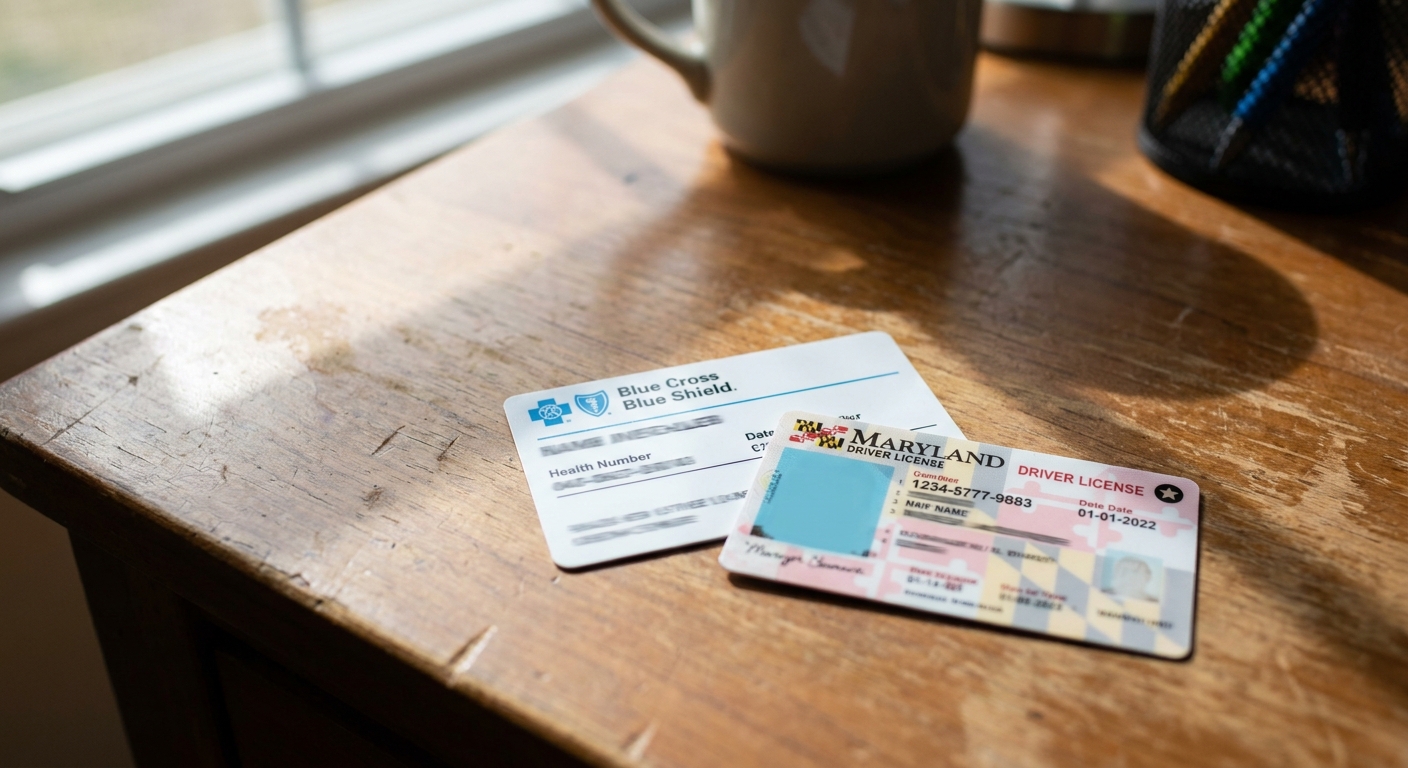
The typical sequence runs as follows: intake screening and clinical history review, urine drug screen, physical exam, and then either an initial sublingual buprenorphine dose or documentation of prior stabilization. Some clinics require a defined period on daily sublingual buprenorphine before the first Sublocade injection; others can move faster for patients already stabilized. The experience of receiving the injection itself is brief and office-based, not a procedure that requires preparation beyond showing up. Bring a photo ID, your insurance card, and a list of current medications to the first visit. Missing any of these is the most common reason a first appointment gets rescheduled.
Co-Occurring Mental Health Conditions: What to Disclose
SAMHSA’s 2022 report on co-occurring disorders found that approximately 50 percent of people with opioid use disorder also meet criteria for at least one co-occurring mental health condition, most commonly depression, anxiety, or PTSD. That statistic reflects the patient population accurately, which means the intake process at a competent clinic is designed to account for it.
Disclosing depression, anxiety, trauma history, or other mental health symptoms at intake improves treatment matching and does not disqualify anyone from Sublocade. Clinics that offer integrated behavioral health alongside medication produce measurably better long-term outcomes than those offering medication alone. List any mental health symptoms on the intake form even if they feel unrelated to opioid use. The clinical team uses that information to build a more complete treatment plan, not to complicate access.
Red Flags That Signal the Wrong Clinic
A 2017 study in Drug and Alcohol Dependence auditing 300 treatment programs found substantial variation in adherence to evidence-based protocols, with roughly a third of programs requiring abstinence or detox before initiating buprenorphine, a practice that directly contradicts clinical guidelines and increases dropout risk.
Specific warning signs to screen for: any clinic that requires you to detox before starting buprenorphine, any program with a multi-week wait and no interim support plan, any provider that does not accept Medicaid without offering a clear alternative pathway, and any clinic that provides no behavioral health services alongside medication. These are not minor inconveniences. They predict treatment dropout. If a clinic tells you to complete a detox first before starting buprenorphine, end the call and contact the next option on your list. For a more detailed breakdown of what to look for in a structured program, the criteria above are the foundation.
Understanding the difference between the injectable and daily oral formats also helps you identify clinics that are genuinely equipped to offer both, versus those that list Sublocade on their website but primarily prescribe films.
The Move That Gets You Into Treatment
No new research is needed to make this point. Open the SAMHSA treatment locator at findtreatment.gov, filter by medication-assisted treatment, and identify two clinics in your area. Call both today using the four screening questions from earlier in this guide. Book an appointment within 48 hours of the call.
The gap between wanting treatment and receiving it is almost never about information. It is about the 48-hour window between a decision and a booked appointment. Everything in this guide leads to that call. Make it today.