MAT Care Clinics in Maryland: What Sets Community-Focused Care Apart
If your loved one has been discharged from treatment for relapsing, they may have been in a sobriety-first model that punishes the very behavior treatment is meant to address. That is the part many MAT care clinics will not say out loud. Someone comes in for help with opioid use disorder, uses again a few weeks later, and gets shown the door at a moment they are especially fragile. Then you are back to lying awake, waiting for the next phone call. We built MD M.A.T.T. across five Maryland locations to do the opposite. We do not kick people out for still using. We roll out the red carpet for them.
This article explains what community-focused care actually looks like day to day, not as a slogan, but as the specific things we do differently. If you are the one making the calls because your adult child cannot right now, this is written for you.
What Community-Focused MAT Care Actually Means in Daily Practice
Community-focused MAT care means we treat food, shelter, transportation, and work as part of the medical plan, not as someone else’s problem. Medication is the piece that carries the physical weight of recovery. Everything around it is what can help keep a person alive long enough for the medication to do its job.
Here is the biggest single difference. MD M.A.T.T. does not discharge patients for relapse, and we do not require strict sobriety as a condition of staying in care. Forcing someone out when they are vulnerable may be the opposite of care. If your child uses again while they are with us, that is information, not a reason to abandon them. We keep them engaged with psychiatry and counseling. We keep watching for co-occurring conditions like depression or anxiety that often sit underneath the drug use. We do not demand abstinence before we will keep treating them, because we want to support the recovery your loved one will actually participate in.
Think of it this way. A doctor does not fire a patient with diabetes for eating the wrong thing. They adjust the plan and keep working. Recovery from opioid use disorder is not a straight line, and pretending it is has cost people their lives. That belief runs through every one of our locations in Owings Mills, Baltimore, Linthicum Heights, Nottingham, and College Park.
Community over sobriety is not us going soft on the drug use. It is us being honest about what may drive it. Someone may find it harder to stop using if they are hungry, homeless, and scared. Economic well-being can affect physical well-being. When we build care around that truth, people may stay. When people stay, they may have a real shot.
Why Some Traditional MAT Care Clinics Lose Patients at the Moment They Need Support Most
Staying in treatment can be an important factor in long-term recovery, and sobriety-first clinics may undermine that every time they discharge someone for using. That is a significant problem. The federal treatment guidance for medications for opioid use disorder, SAMHSA’s Treatment Improvement Protocol 63, makes a similar point: retention matters, and programs that remove barriers and treat people with dignity may keep more patients than programs that punish continued use.
So why do so many clinics still run the old way? Because it may be easier to write a rule than to walk a person through a hard stretch. A sobriety-first model gives staff a clean line: use again, you are out. It looks like accountability. It may really just be a way of protecting the clinic’s numbers by removing the hardest cases. The patient who most needs help becomes the patient least likely to have it.
You may have already lived this. Your child did well for a while, then slipped, and instead of getting more support they got a phone call telling them not to come back. That moment may not push someone toward recovery. It may push them back to the thing that has always been there when nothing else was. Now they are ashamed on top of everything else, and shame can be fuel for using.
We flip that. When a patient stumbles, that is when we lean in, not out. We look at what changed. Did they lose their job? Their housing? Did a co-occurring condition flare up? We adjust the medication, the counseling schedule, and the wraparound support around what actually happened. In the model that may have failed your family, doctors were more like gatekeepers than healthcare professionals focused on long-term support. Our job is to keep the door open, not guard it.
How MD M.A.T.T. Addresses the Economic and Social Barriers That May Drive Continued Use
We build transportation, pharmacy follow-up, food help, housing referrals, and job connections directly into a patient’s care plan, because someone may find it harder to stop using drugs if they are hungry, homeless, or cannot get to their appointment. That is not a bonus service. It is the core of the work.
Start with getting there. If your loved one needs a ride to an appointment, we help set it up through their insurance. If that will not work fast enough, we have purchased the initial ride ourselves rather than let a missed appointment turn into a missed recovery. A person willing to show up should never lose that willingness over bus fare.
Then the basics. When someone is food insecure, we connect them to food resources, because you cannot ask a person to focus on recovery on an empty stomach. When someone needs work, we connect them to the Office of Economic Development for job placement, because a paycheck and a reason to get up in the morning may do more to support recovery than any lecture. When someone has nowhere safe to live, we connect them to residential 3.1 level programs that offer housing, because stability can be medicine too.
Here is the logic, plainly. If your child is unstable, hungry, and stressed out of their mind, the drug may be the fastest relief available. Take away the hunger, the instability, and the fear, and the drug may lose some of its grip. Economic well-being can affect physical well-being. We decide who needs what by looking at whatever it may take for a person to cover their basic needs so they can work toward stopping use. Every patient is different, so every plan is different.
Can Someone Start MAT the Same Day They Call Across Five Maryland Locations?
Yes. When someone calls before 2pm, they can often get seen the same day at any of our locations in Owings Mills, Baltimore, Linthicum Heights, Nottingham, or College Park, sometimes within an hour. Momentum matters in this window, and we do not waste it.
Maryland’s opioid crisis is heaviest in Baltimore and the counties around it, where long waits, coverage gaps, and transportation deserts may turn a willing day into a lost one. When your loved one finally says yes, that yes may not last until next Tuesday. A week on a waitlist is a week for the willingness to fade and the fear to win. So we set the whole operation up to move fast.
What if it is late in the day? If someone calls after 2pm, we do not just say come back tomorrow and leave them in withdrawal. We have relationships with local doctors and emergency rooms that can provide an emergency dose to hold them over until the next morning, when we get them in. We work to make sure nobody sits in withdrawal overnight because a clock ran out.
We have seen what the standard way may do. One patient whose doctor stopped taking their insurance and refused to refill their medication called us in a panic. We got that person seen the same day. We always make sure to get people seen. That is not marketing. That is the difference between a bad week and a funeral, and we take it that seriously.
How New Patient Coordinator Thomas Removes the Barriers That Make People Give Up
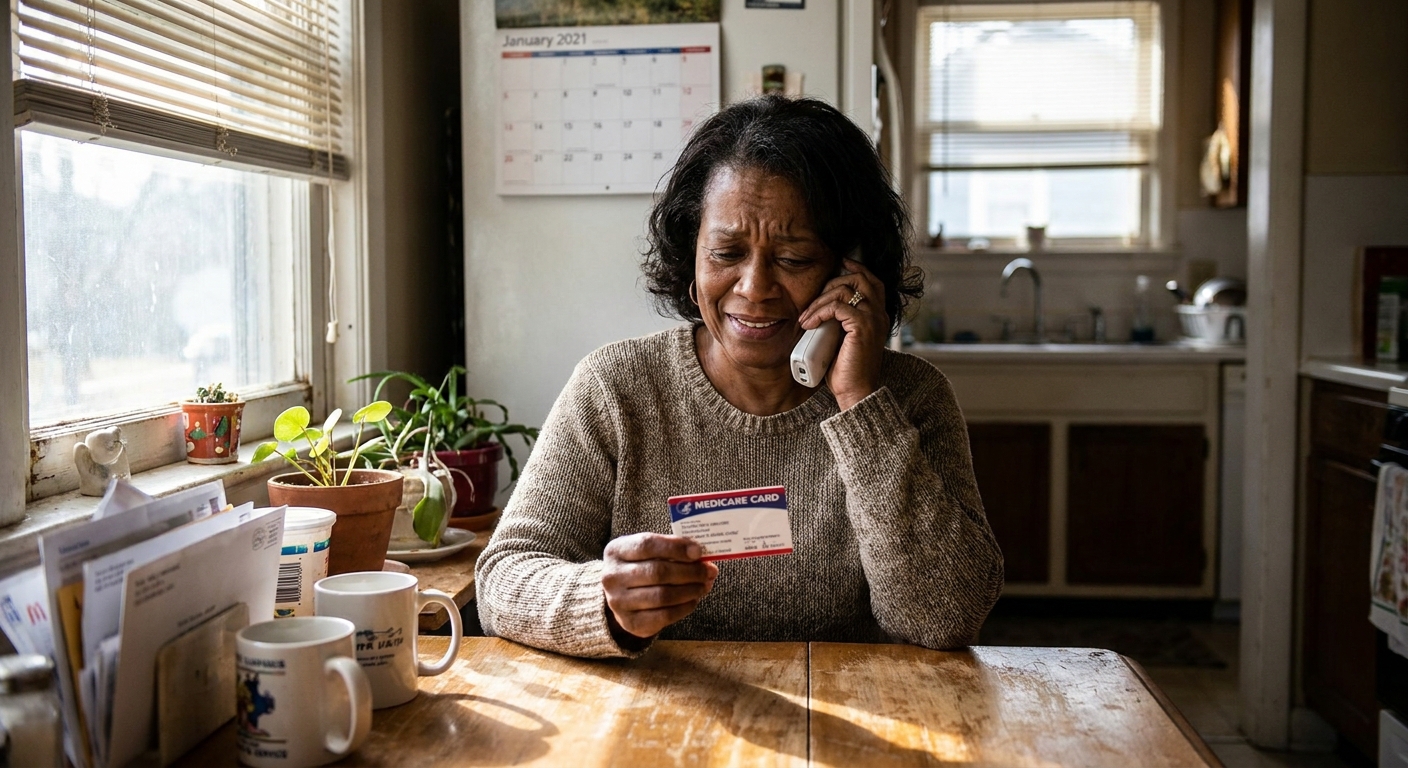
When you call, you reach new patient coordinator Thomas right away, and he handles the whole thing so your loved one does not have to fight through paperwork while in crisis. He makes people comfortable, explains the process in plain language, books the appointment, and collects the information. No phone tree, no callback that never comes.
The administrative wall is where many people quit. You have felt it. You call, you get voicemail, you get a form, you get told someone will reach out, and by the time they do the moment has passed. For a family already exhausted and scared, one more hurdle may be the last one. Thomas exists to take that wall down.
After the appointment is booked, he confirms it with a text message, then follows up before the visit, on the day of the visit, and after it. That confirmation text message is small, but it is the kind of small thing that may keep a nervous person moving forward instead of talking themselves out of going. Once your loved one arrives, they meet a front desk coordinator, then see the doctor, who sends the prescription straight to their pharmacy. New patients typically start with weekly visits for about four weeks, then build to monthly as they stabilize.
You do not have to know the system. You do not have to have the right words ready. That is Thomas’s job. Your job is just to make the call.
What If My Loved One Has No Insurance or No Way to Pay?
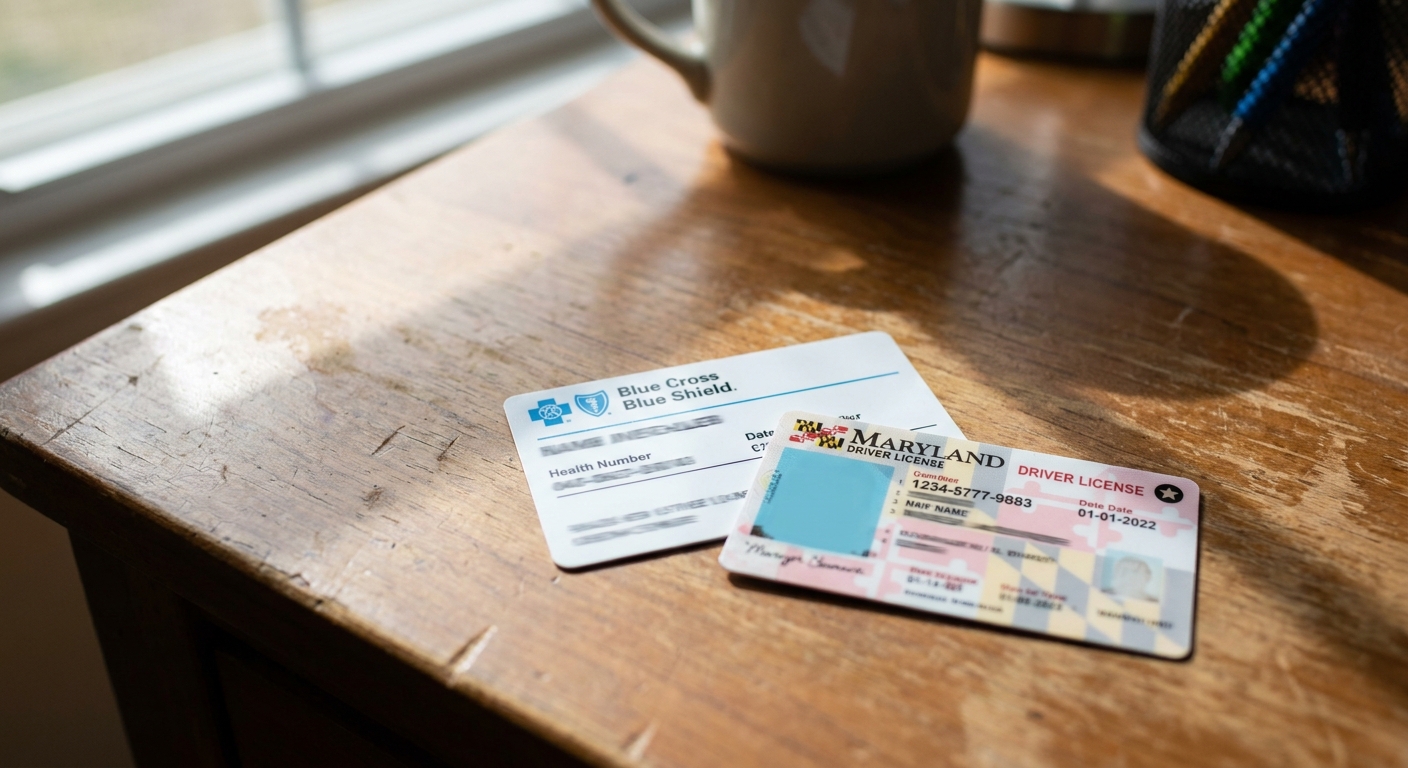
Affordability is built into the care, not treated as an extra. MD M.A.T.T. accepts Medicaid, Medicare, Blue Cross Blue Shield, Aetna, Cigna, and UnitedHealthcare, and we provide insurance enrollment assistance on-site for people who arrive with no coverage at all.
Many clinics in this market are cash-only, which quietly may lock out the people most likely to need help. We refuse to run that way. A person’s insurance situation should never be the thing that decides whether they live or keep using. If your loved one has no card in their wallet, we sit down and help them get enrolled rather than sending them home to figure it out alone.
We mean this literally. One gentleman just out of prison came to us with no insurance and no ride. The standard clinic answer is: come back when you sort that out. Our answer was to get him a ride to the office and sign him up for insurance right there. He got treatment. He got the chance to build something better for himself. Turning him away would have been easy and would have accomplished nothing except sending him back to the street. We would rather do the work.
Frequently Asked Questions
Will my loved one be kicked out if they relapse while in treatment?
No. MD M.A.T.T. does not discharge patients for relapse. Forcing someone out when they are vulnerable may undermine recovery, so we keep them engaged with psychiatry and counseling and adjust the plan instead of ending it.
Can someone start MAT the same day they call?
Yes. If you call before 2pm, your loved one can often get seen the same day at any of our five Maryland locations, sometimes within an hour. Call after 2pm and we coordinate an emergency dose so no one waits in withdrawal.
What happens if my loved one has no insurance or transportation?
We provide insurance enrollment assistance on-site, and we coordinate transportation through insurance or pay for the initial ride ourselves. No one is turned away for lacking a card or a way to get here.
What does community-focused MAT care include beyond medication?
It includes help with food, housing, transportation, job placement through the Office of Economic Development, and pharmacy coordination, because economic stability may help keep people from continuing to use.
Which insurance does MD M.A.T.T. accept?
We accept Medicaid, Medicare, Blue Cross Blue Shield, Aetna, Cigna, and UnitedHealthcare, and we help uninsured patients get enrolled.
What areas of Maryland does MD M.A.T.T. serve?
We operate five locations: Owings Mills, Baltimore, Linthicum Heights, Nottingham, and College Park.
Call Us Today
Call MD M.A.T.T. before 2pm for a same-day appointment at any of our five Maryland locations, or reach new patient coordinator Thomas at (443) 559-4137 to learn how we may be able to help your loved one start treatment today. You do not have to have every answer ready. Make the call while the willingness is there, and we will handle the rest.
Begin Your Recovery With Support That Understands
When you’re ready to explore medication-assisted treatment, the difference lies in working with people who see your whole story, not just a diagnosis. MD M.A.T.T. offers MAT care across our Owings Mills, Linthicum Heights, Nottingham, Baltimore, and College Park locations, and we’re here to answer your questions about how treatment can fit into your life. A conversation costs nothing, but it might change everything.
Individual results vary. Recovery experiences differ for every person, and the stories described here reflect individual experiences, not typical outcomes.