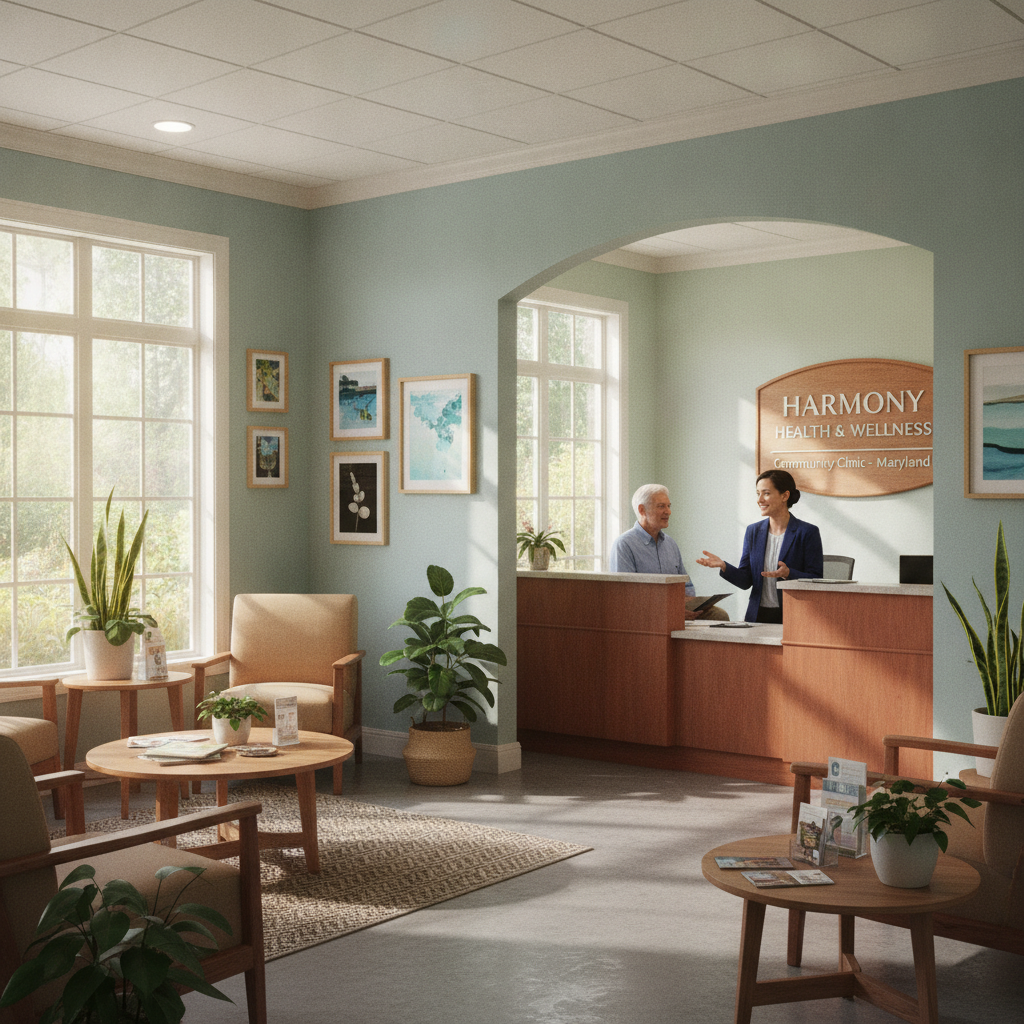
Finding addiction treatment in College Park, MD can feel overwhelming when you don’t know what the process looks like, what it costs, or whether the clinic you’re considering is actually any good. This guide covers all of it: the local landscape, how treatment works, how to pay for it, and what separates a quality provider from one you should walk away from.
The State of Addiction in College Park and Prince George’s County
Prince George’s County sits at the center of Maryland’s opioid crisis in a way that demands attention. According to the Maryland Department of Health, Prince George’s County recorded 258 opioid-related overdose deaths in 2022, a rate that has continued to climb as fentanyl has replaced heroin as the dominant drug in the local supply. The Maryland Opioid Operational Command Center reported in 2023 that fentanyl was detected in over 93% of opioid-involved overdose deaths statewide, which means the margin for error in active use has essentially collapsed. A dose that felt manageable six months ago is now a life-threatening gamble with an unknown substance.
For someone in College Park today, that data has a direct translation: the stakes of waiting are higher than they have ever been, and the treatment infrastructure in the area has expanded specifically because of that pressure. Prince George’s County is served by a network of outpatient clinics, telehealth providers, and integrated behavioral health programs, and access to medication-assisted treatment has grown substantially since Maryland expanded Medicaid under the Affordable Care Act. The gap between needing help and getting it is smaller than most people assume.
What Addiction Treatment Actually Involves
A 2020 SAMHSA report analyzing treatment entry data across 50 states found that one of the most common reasons people delay seeking care is that they don’t know what treatment actually involves. The uncertainty itself becomes a barrier. So here is what the clinical arc looks like in plain terms.
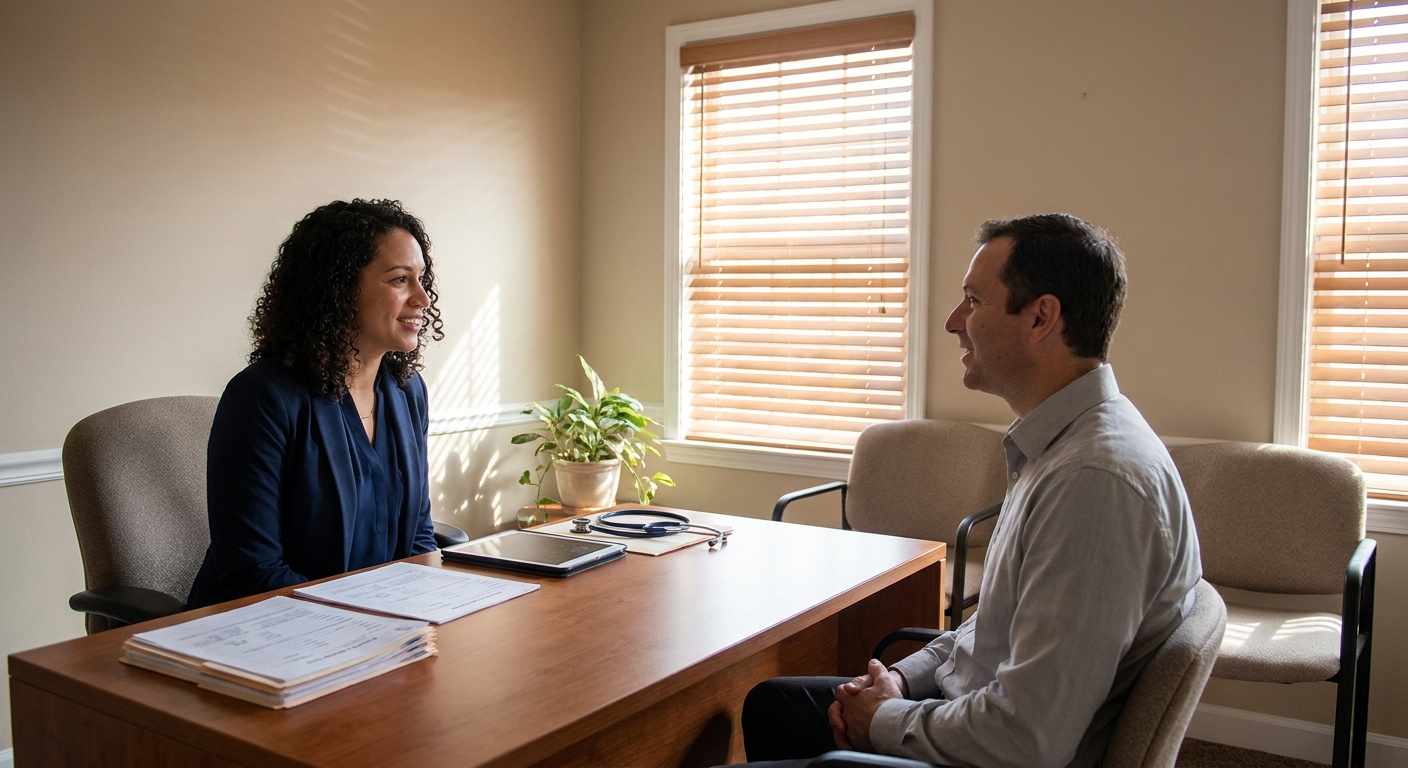
On day one, a licensed clinician conducts an intake assessment, which is a structured conversation about your history with substances, your physical health, your mental health, and your living situation. This isn’t a judgment exercise. It’s a data-gathering process that determines your diagnosis and the appropriate level of care. From there, a physician prescribes medication if indicated, a counselor is assigned, and a schedule is established. By week four in a standard outpatient program, most patients are stabilized on medication, attending regular counseling sessions, and beginning to see the cognitive fog of active addiction lift. The clinical word for this is “stabilization,” and in practice it means functioning well enough to rebuild other parts of your life.
Medication-Assisted Treatment (MAT) and Why It Works
A 2021 study published in the New England Journal of Medicine, examining data from over 40,000 patients with opioid use disorder, found that buprenorphine and methadone reduced overdose mortality by approximately 50% compared to no medication. That is not a modest effect. It is the strongest evidence base in addiction medicine, and it is why medication-assisted treatment is the clinical standard for opioid use disorder, not an alternative or a last resort.
Buprenorphine works by binding to the same opioid receptors as heroin or fentanyl but activating them only partially. The result is that cravings and withdrawal are suppressed without producing the euphoria that drives continued use. Methadone operates similarly but is dispensed daily at a licensed opioid treatment program. Naltrexone, a third option, works differently: it blocks opioid receptors entirely, so using opioids on top of it produces no effect. Knowing which medication fits your pattern of use is the first practical decision in treatment. Buprenorphine is the most common starting point for people seeking outpatient care, including in College Park. If you want to understand how that evaluation process works in a clinic setting, reviewing what goes into choosing a MAT provider gives you a useful frame before your first appointment.
Counseling and Behavioral Support
A 2019 study published in JAMA Psychiatry, tracking 570 patients with opioid use disorder over 24 weeks, found that patients receiving both buprenorphine and structured counseling had significantly higher treatment retention rates than those receiving medication alone. The mechanism is straightforward: medication addresses the neurological dependence, and counseling addresses the behavioral patterns, trauma histories, and thought distortions that fuel relapse.
In a standard outpatient program, counseling typically means one individual session per week and one or more group sessions. Individual therapy is where you work on the specific circumstances of your addiction, your triggers, your relationships. Group therapy is where you build accountability and hear from others navigating the same process. A typical weekly schedule in an outpatient program looks like two to three appointments, each lasting under two hours, spread across the week. It is designed to be compatible with work and family responsibilities, which is a meaningful difference from inpatient care.
Co-Occurring Mental Health Conditions
SAMHSA’s 2023 National Survey on Drug Use and Health found that among adults with opioid use disorder, approximately 61% also met criteria for at least one co-occurring mental health condition, most commonly depression, anxiety, or PTSD. That overlap is not coincidental. Opioids are powerfully effective at numbing emotional pain in the short term, which is why people who are suffering psychologically are disproportionately vulnerable to opioid dependence.
Treating only the addiction without addressing the underlying mental health condition produces predictable results: relapse, because the original source of distress is still untreated. Integrated treatment means a clinic screens for co-occurring conditions at intake, offers psychiatric services on-site or in close coordination, and adjusts your care plan to address both simultaneously. Before committing to any program, ask directly: do you screen for depression, anxiety, and PTSD at intake, and do you offer psychiatric treatment on-site or through a coordinated referral? The answer tells you a great deal about the quality of the program.
Types of Addiction Treatment Programs Available in College Park
The continuum of addiction care runs from medical detox at the most intensive end through inpatient residential, intensive outpatient programs (IOP), standard outpatient, and telehealth at the most flexible end. A 2014 study from the American Society of Addiction Medicine found that matching patients to the appropriate level of care, rather than defaulting to the most intensive option, produced equivalent or better outcomes with significantly lower cost and disruption. More treatment is not always better treatment. The right level of care is.
College Park’s position in the Baltimore-Washington corridor is relevant here. The area is served by major transit lines, including the Metro’s Green Line, and is within reasonable distance of multiple outpatient providers. For most people with opioid use disorder who have stable housing and are not in acute medical crisis, outpatient care is both clinically appropriate and logistically achievable.
Outpatient vs. Inpatient: Choosing the Right Level of Care
A 2017 study in the Journal of Substance Abuse Treatment, analyzing outcomes for 1,200 opioid-dependent patients across care settings, found no significant difference in 12-month sobriety outcomes between outpatient and inpatient treatment for patients who met criteria for outpatient care. The difference was cost and disruption, not effectiveness. Inpatient treatment is medically necessary when someone has a co-occurring medical condition requiring monitoring, lacks stable housing, or has a documented history of failed outpatient attempts. For the majority of people presenting to a College Park clinic with opioid use disorder, outpatient is appropriate.
The American Society of Addiction Medicine (ASAM) developed a set of criteria for determining the right level of care, covering six dimensions: withdrawal potential, biomedical conditions, emotional and behavioral conditions, treatment acceptance, relapse potential, and recovery environment. Before calling a clinic, you can use these dimensions as a self-screening tool. If you have stable housing, a support network of any kind, no severe medical complications, and are seeking treatment voluntarily, outpatient is almost certainly the right starting point. Clinics offering integrated outpatient care in other Maryland locations use the same ASAM framework, so the evaluation process is consistent across the state.
Telehealth Addiction Treatment in Maryland
A 2022 study in JAMA Network Open, examining treatment outcomes for 5,765 patients initiating buprenorphine treatment during the COVID-19 pandemic, found that patients who started treatment via telehealth had equivalent 180-day retention rates compared to those who initiated in person. Maryland moved early on telehealth expansion, and as of 2023, prescribing buprenorphine via video visit remains fully legal for Maryland-licensed providers. In-person urine drug screens may still be required periodically depending on the clinic’s protocol, but the core treatment relationship, including prescribing, counseling, and monitoring, can happen entirely through a secure video platform.
For College Park residents, telehealth removes two significant barriers: transportation and stigma. If you live close to a clinic but aren’t ready to walk through the door, a video appointment from your phone gets you into care the same day. The clinical outcome is the same.
How to Pay for Addiction Treatment in College Park
According to a 2020 KFF analysis of SAMHSA survey data, cost or lack of insurance coverage is the most frequently cited barrier to addiction treatment among adults who recognize they need help. The assumption that treatment is unaffordable stops a significant portion of people from ever making the call. That assumption is wrong for most College Park residents.
Medicaid Coverage for Addiction Treatment in Maryland
Maryland Medicaid, administered through the HealthChoice program, covers the full spectrum of opioid use disorder treatment: buprenorphine and other medications, outpatient counseling, psychiatric services, and care coordination. In Prince George’s County, the primary managed care organizations operating under HealthChoice include Amerigroup, Jai Medical Center, Maryland Physicians Care, MedStar Family Choice, and Priority Partners. Each of these plans covers MAT with no requirement for prior authorization for buprenorphine, following Maryland’s 2019 Medicaid waiver amendments that removed prior auth barriers specifically to increase MAT access.
A 2021 CMS report found that Medicaid-covered patients who accessed buprenorphine treatment had a 30% reduction in all-cause mortality compared to untreated counterparts. The coverage exists, and it is specifically designed to remove the financial obstacle. If you are uninsured or haven’t enrolled, visit Maryland Health Connection or call 1-855-642-8572 to check eligibility before concluding that care is out of reach.
Commercial Insurance and Parity Laws
The Mental Health Parity and Addiction Equity Act, enacted in 2008 and strengthened by subsequent HHS guidance, requires that commercial insurance plans cover mental health and substance use disorder treatment at the same level as medical and surgical care. A 2023 KFF report found that while parity violations remain common, patients who actively push back with specific questions are more likely to get coverage approved. The key is knowing what to ask.
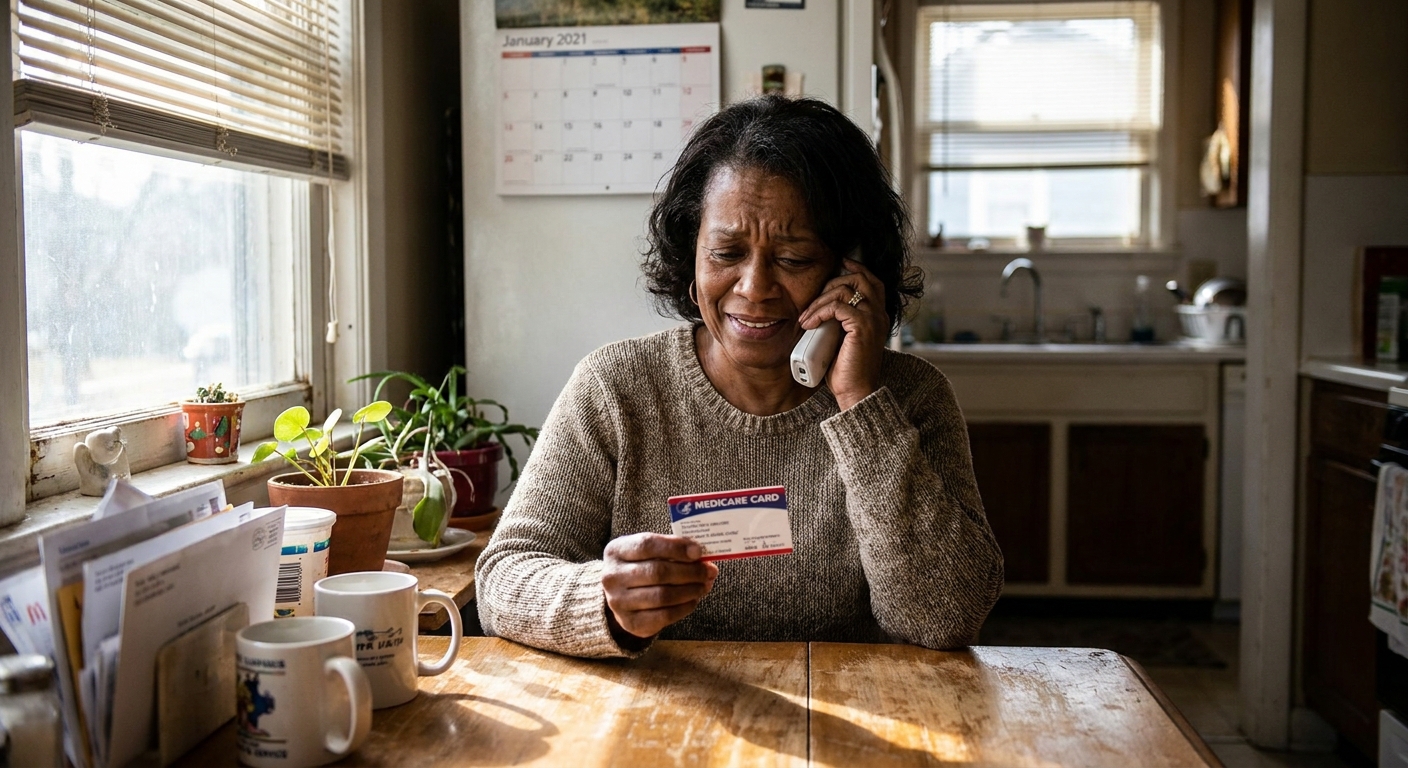
Before your first appointment, call the member services number on your insurance card and ask three specific questions: Does my plan cover buprenorphine and outpatient addiction treatment? Is prior authorization required, and if so, what’s the process? What is my out-of-pocket cost per visit? Getting these answers before you show up prevents billing surprises and gives you documentation if a claim is later denied.
Low-Cost and Sliding-Scale Options
If you are uninsured or your income doesn’t qualify for Medicaid, options still exist. Maryland’s Behavioral Health Administration funds a network of grant-supported treatment programs across the state, and several College Park-area providers offer sliding-scale fees based on income. The simplest entry point is 211 Maryland, reachable by dialing 2-1-1, which maintains an updated directory of low-cost and no-cost behavioral health services by zip code. SAMHSA’s treatment locator at findtreatment.gov filters by payment type, including sliding-scale and free treatment. No coverage does not mean no access. It means one extra phone call.
What to Look for When Choosing a Treatment Provider
A 2018 study in Psychiatric Services, analyzing treatment quality markers across 400 substance use disorder programs, found that the strongest predictors of patient retention and long-term sobriety were: availability of FDA-approved medications, integration of mental health services, and continuity of care with a consistent provider. Programs that scored high on all three retained patients at twice the rate of programs that scored low. These are the non-negotiables.
Any clinic you consider should be licensed by the Maryland Behavioral Health Administration, employ licensed clinical staff, offer buprenorphine or methadone on-site, and have a documented process for managing mental health conditions alongside addiction. If a program cannot confirm all four of these, keep looking. Patients evaluating providers across the Baltimore area face the same checklist, and the standards don’t vary by geography.
Questions to Ask Before You Start Treatment
A 2019 study in Health Communication, surveying 830 patients with substance use disorders, found that patients who asked at least three specific questions before initiating treatment were significantly more likely to complete 90 days of care. Preparation before the first call correlates directly with retention.
Ask these questions of any College Park clinic you contact. Do you prescribe buprenorphine on-site, or do I need to see a separate provider for the prescription? How do you handle a relapse during treatment, and does it result in discharge? Do you have a psychiatrist or therapist on staff for co-occurring mental health conditions? How quickly can I get a first appointment? What does a typical week of treatment look like for a new patient? Write down three of these before you pick up the phone. The answers will tell you in five minutes whether this is a program worth pursuing.
Red Flags to Avoid in Addiction Treatment
A 2022 HHS Office of Inspector General report on fraudulent and substandard addiction treatment facilities identified several practices that consistently correlated with poor patient outcomes and, in some cases, billing fraud: refusing to prescribe medications like buprenorphine on ideological grounds, pushing all patients toward 28-day inpatient regardless of severity, employing unlicensed counselors, and charging for services not delivered. These are not edge cases. The OIG identified dozens of facilities operating in this way across the country.
The plain-language gut check: if a clinic tells you that medication is “just replacing one drug with another” and insists on abstinence-only treatment, walk away. The science is unambiguous on this, and a program that dismisses the evidence base for MAT is not a program you can trust with your health. Similarly, if a program pressures you toward residential care before completing any clinical assessment, that is a financial incentive driving the recommendation, not a clinical one. Programs serving patients across Maryland’s metro areas, including those you can compare in Owings Mills, follow the same evidence-based standards. Any provider deviating significantly from those standards is worth scrutinizing.
Getting Started with Addiction Treatment in College Park This Week
A 2018 study in Addiction, tracking 400 treatment-seeking adults with opioid use disorder, found that patients who initiated treatment within 48 hours of deciding to seek help were three times more likely to still be in treatment at 30 days compared to those who waited longer than a week. The window between deciding to get help and actually getting it is when motivation is highest and ambivalence is lowest. The practical implication: the same-day or next-day appointment matters enormously.
The single step to take this week is to call one clinic and ask for the earliest available appointment. Not to research every option exhaustively. Not to talk yourself into or out of it. One call. If you’re not sure where to start, dial 2-1-1 to reach Maryland’s information helpline, visit findtreatment.gov to search by zip code, or look for a clinic offering same-day access specifically, because that 48-hour window is real and it works in your favor. For a closer look at what to expect from an intake appointment and how outpatient Suboxone treatment works in practice, that context is worth reading before your first call. The care is available, the coverage most likely exists, and the next step is one phone call away.