Finding a suboxone treatment clinic that offers immediate access to medication, reliable counseling, and transparent pricing is difficult across multiple states. Many clinics restrict appointments to limited hours, lack insurance clarity, or only provide outpatient care without transparent pricing upfront. This comparison covers access, counseling options, coverage area, and insurance clarity across four clinics so you can match one to your needs without missed calls or confusion.
Table of contents
- MD M.A.T.T.
- Connecticut Addiction Medicine
- Buprenorphine Treatment Centers
- AppleGate Recovery
- Comparison of alternatives
MD m.a.t.t.
At a glance
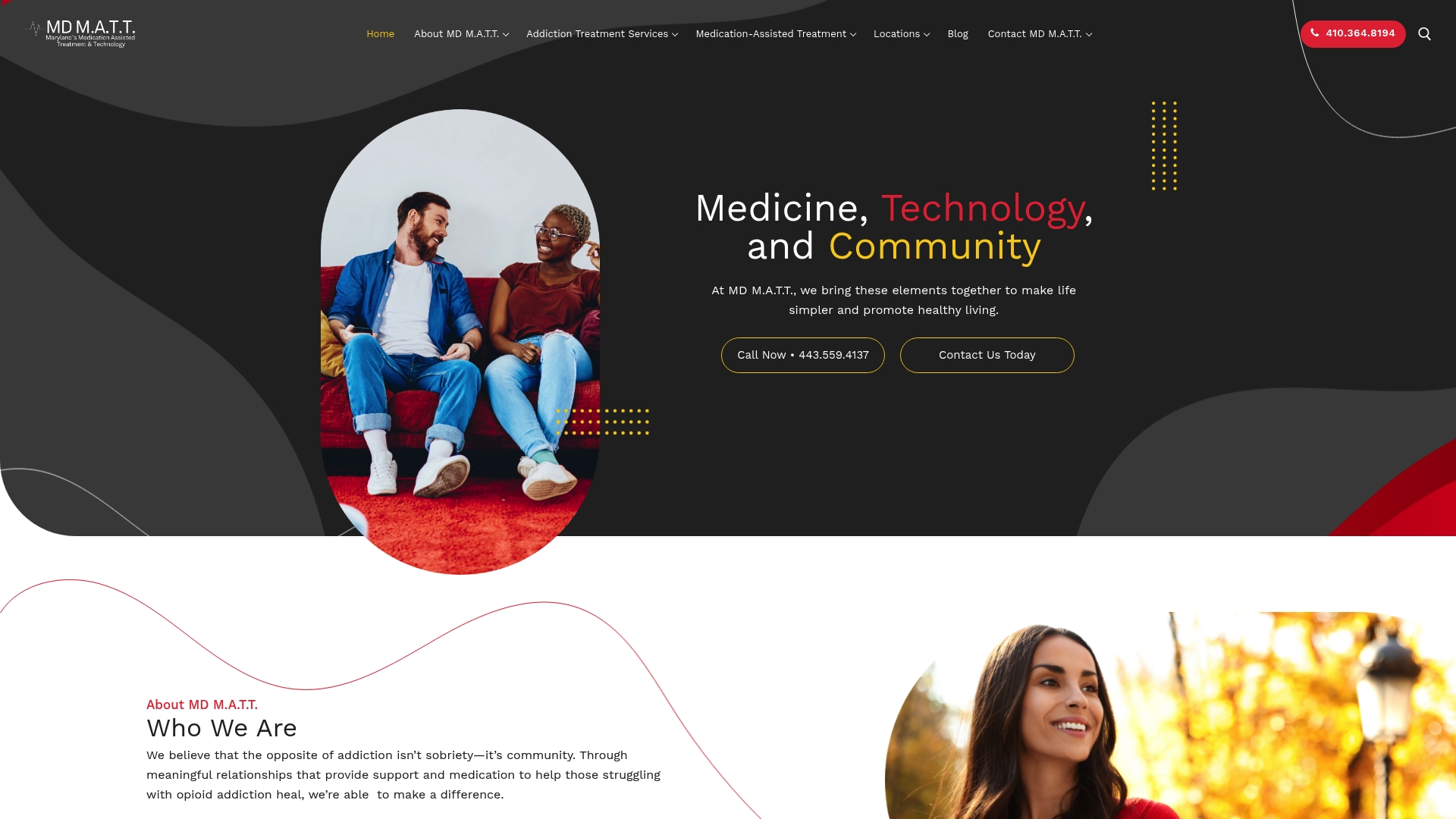
Same day appointments and walk in options are available at multiple Maryland clinics, including Baltimore, College Park, and Owings Mills. According to the website, the clinics use FDA approved medications such as Suboxone, Vivitrol, and Sublocade as part of medication assisted treatment. The model pairs medication with counseling, peer support, and technology for scheduling and progress tracking.
Core features
-
Medication assisted treatment combining medication and counseling to treat opioid use disorder. Services list Suboxone, Vivitrol, and Sublocade as the primary medications used.
-
Personalized treatment plans tailored to each person, with counseling and community support layered into care plans.
-
Community and peer support services, including on site support groups and local outreach at multiple clinic locations.
-
Technology enabled services for appointment scheduling and progress tracking to reduce administrative friction and keep records current.
Key differentiator
Integrated technology plus neighborhood clinics define how care is delivered. Mdmatt pairs scheduling and progress tracking with local, in person services to lower barriers to getting started. That combination makes it easier to move from first contact to an initial appointment. The community focus also supports continuity of care across counseling and medication management.
Pros
-
Accessible same day appointments and walk in care reduce wait between decision and first visit. This helps people who need immediate access to medication assisted treatment.
-
Multiple clinic locations across Maryland bring services closer to neighborhoods. Local access reduces travel time and lets people keep recurring counseling appointments.
-
Inclusive environment that explicitly supports LGBTQ+ individuals, which can improve retention and trust in care for marginalized communities.
-
Clinical and counseling care that addresses physical, mental, and emotional health together, rather than treating symptoms in isolation.
-
Use of technology for scheduling and progress tracking can speed administrative tasks for staff and reduce missed appointments for members.
Cons
- Limited information on specific treatment outcomes or success rates is available on the public site, which makes it harder to evaluate comparative effectiveness.
Who it’s for
This fits people in Maryland seeking accessible, clinic based opioid treatment with medication and counseling. It suits individuals who want local peer support and explicit LGBTQ+ inclusive care. If you need same day access and prefer in person follow up with technology to support appointments, this is a practical match.
Unique value proposition
Technology enabled appointment scheduling and progress tracking at community clinics across Maryland reduces friction at intake. That setup shortens the gap between seeking help and receiving medication assisted treatment. For clinics, it centralizes scheduling and keeps counseling and medication notes aligned for better follow up.
Real world use case
A person in Maryland calls in feeling ready to start treatment and gets a same day appointment at a nearby Mdmatt clinic. They begin Suboxone, meet with a counselor, and join a peer support group while using the clinic portal to track appointments and progress. Local follow up keeps treatment consistent.
Website: https://mdmatt.com
Connecticut addiction medicine

At a glance
The vendor states it offers medication assisted treatments that include Suboxone, Vivitrol, Sublocade, and Brixadi. Connecticut Addiction Medicine pairs those medications with therapy and telemedicine to keep care accessible across the state. The service is aimed at outpatient care for opioid dependence, alcoholism, and coexisting mental health conditions.
Core features
-
Medication assisted treatment modules that support buprenorphine and extended release naltrexone options. These include office based and follow up medication management.
-
Therapy suites offering individual, group, and family sessions plus trauma therapies such as CBT, EMDR, and DBT.
-
Clinical monitoring tools with comprehensive urine toxicology testing for compliance and safety during treatment.
-
Psychosocial evaluation and relapse prevention programs designed to track progress and adjust care plans.
-
Telemedicine support for virtual therapy and follow up appointments to reduce travel and missed visits.
Key differentiator
The product combines medication assisted protocols with an extensive therapy menu and broad telemedicine access. That mix targets patients who need both pharmacologic stabilization and regular behavioral care. The provider advertises experienced clinicians and an integrated outpatient workflow that keeps visits frequent and coordinated.
Pros
-
Offers both office based medication options and extended release injections, which gives clinicians several treatment pathways. This variety makes medication selection practical for different clinical needs.
-
Strong therapy offering with CBT, EMDR, and DBT available alongside group and family options. Patients who need trauma work can get it within the same program.
-
Telemedicine availability increases appointment flexibility and reduces travel barriers for people with limited mobility or work constraints.
-
Accepts most major insurance plans including Medicaid and Medicare, which lowers cost barriers for many patients.
Cons
-
Publicly available pricing is limited, so out of pocket costs remain unclear before intake. Prospective patients must ask for cost estimates.
-
Patients without full insurance coverage may face higher expenses for medication and therapy visits.
-
The materials emphasize outpatient care, so those needing inpatient services will need a different provider.
When it may not fit
-
If you live outside Connecticut, this offering may not meet regulatory or scheduling needs for out of state care.
-
If you need inpatient detox or residential rehab, the outpatient focus will not provide that level of supervision.
-
If transparent, upfront pricing is your priority, the publicly limited cost details will be a drawback.
Who it’s for
This service fits people in Connecticut seeking outpatient addiction treatment that pairs medication with therapy. It works for patients who want regular clinician contact and flexible telemedicine visits. It also suits those who plan to use Medicaid or Medicare to help offset treatment costs.
Real world use case
A patient stabilized on Suboxone can attend weekly therapy sessions and join relapse prevention groups. They complete urine testing at scheduled intervals and use telemedicine for two follow up visits per month. The integrated schedule keeps medication management and therapy closely coordinated.
Pricing
The vendor lists the offering as informational only and does not publish standard tiered pricing. Prospective patients should contact the clinic for individualized cost and insurance estimates.
Website: https://ctaddictionmedicine.com
Buprenorphine treatment centers
At a glance
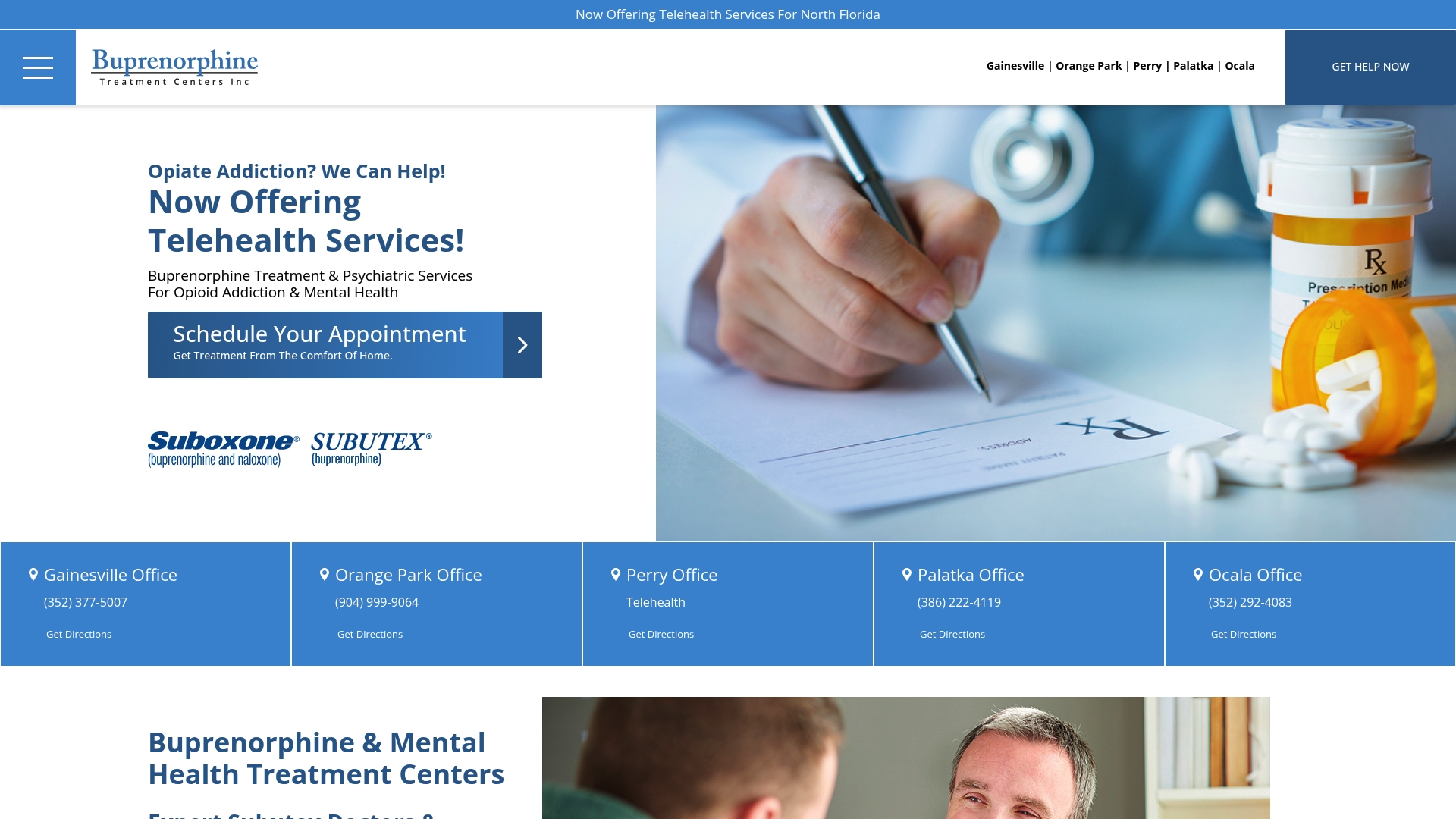
The vendor reports nearly 25 years of combined experience treating opioid addiction. They operate multiple Florida clinics and offer telehealth appointments for prescription management and counseling. That mix of clinic locations and remote visits aims to make outpatient medication-assisted treatment accessible for adults across the state.
Core features
- Medication-assisted treatment with buprenorphine formulations, including Suboxone and Subutex for opioid use disorder.
- Telehealth services for remote evaluations, follow up visits, and prescription management.
- Psychiatric and behavioral healthcare with individual and group therapy integrated into treatment plans.
- Comprehensive outpatient programs focused on ongoing monitoring, counseling, and medication oversight.
Key differentiator
The practice pairs outpatient MAT with onsite psychiatric care and telehealth across Florida. That combination supports patients who need both medication management and mental health treatment from the same clinical team. The integrated model targets people whose substance use and mental health concerns overlap.
Pros
-
Offers both clinic visits and remote appointments. This helps patients who cannot travel or need quick follow up.
-
Staffed by clinicians focused on opioid use disorder. That specialization can shorten the time to clinically appropriate medication decisions.
-
Multiple Florida locations increase local access for residents across the state. Clinic availability reduces the need to travel long distances for care.
-
Combines psychiatric care with addiction treatment. Patients with co occurring mental health concerns can see coordinated providers in one program.
Cons
-
Public information lacks clear pricing and insurance details, which makes upfront cost planning difficult.
-
No public mention of a mobile app or digital aftercare tools for ongoing support between visits.
-
Geographic reach appears limited to Florida. Patients outside the state will likely need a different provider.
When it may not fit
If you live outside Florida or need a national provider, this clinic network will not be convenient. If you require a documented price list or specific insurance network confirmation before scheduling, the limited public pricing information may slow your decision. If you prefer an app first model for ongoing coaching, the absence of digital tools could be a drawback.
Who it’s for
Adults in Florida seeking outpatient medication-assisted treatment and psychiatric care will find this a good fit. It suits people who want coordinated prescriptions and therapy under one clinical team. It also fits patients who need telehealth options for convenience or mobility reasons.
Real world use case
A Florida resident with opioid dependence uses telehealth to meet a buprenorphine clinician for an initial evaluation. The clinician prescribes Suboxone, schedules virtual follow up, and refers the patient to group therapy at a nearby clinic. The patient receives medication oversight and psychiatric support without needing to travel frequently.
Pricing
Pricing is not publicly specified and likely varies by treatment plan and insurance coverage. The clinic’s public materials do not list standard session fees or a clear insurance network. Call the clinic to get a treatment plan estimate and insurance verification.
Website: https://buprenorphinetreatmentcenters.com
AppleGate recovery
At a glance
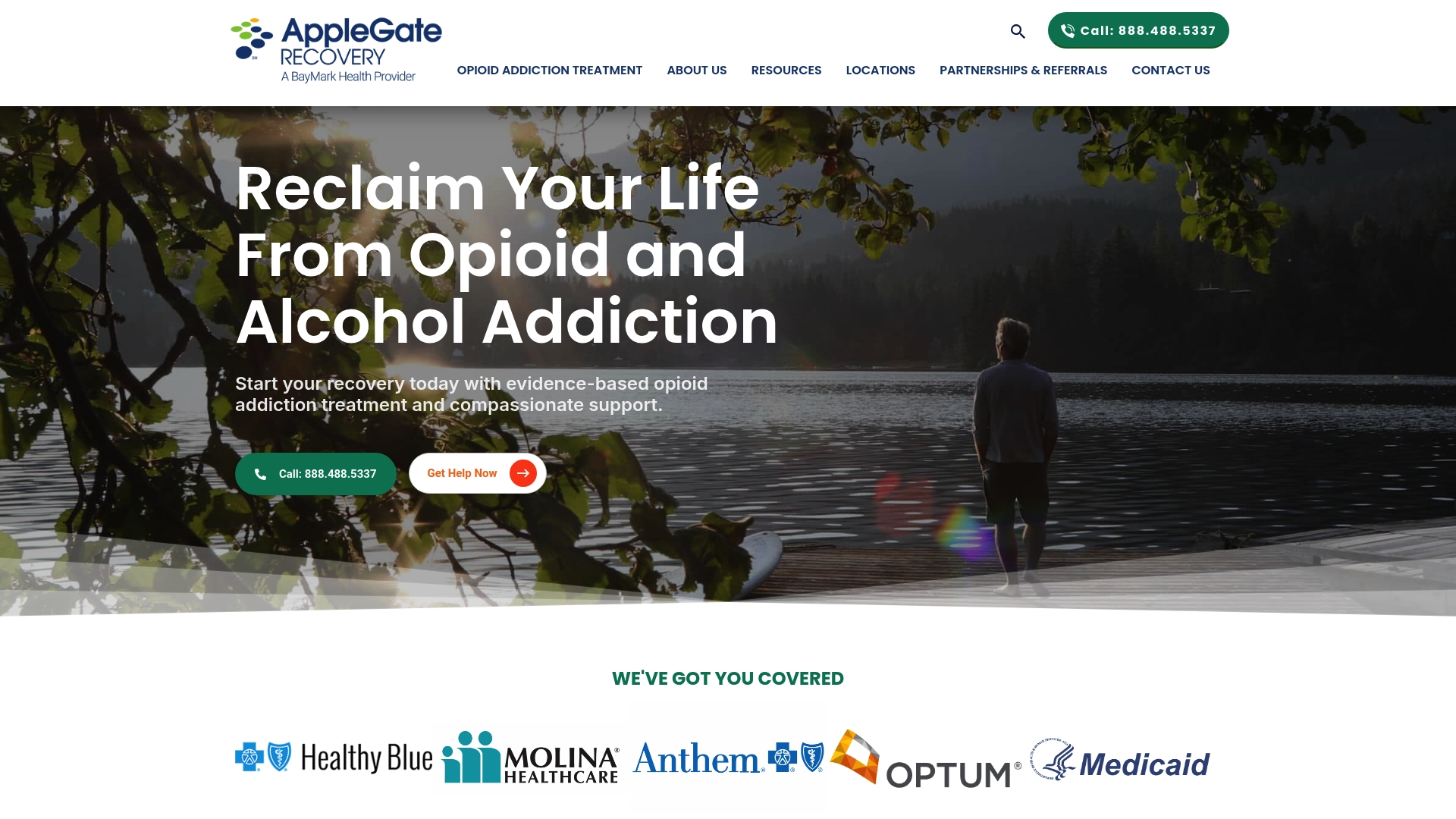
AppleGate Recovery operates clinics across 9 states, offering outpatient medication-assisted treatment paired with counseling. The network focuses on keeping patients in daily life while they follow individualized treatment plans. That regional footprint can make follow-up and in-person care easier for people who need local access.
Core features
-
Outpatient medication-assisted treatment using FDA-approved medications to manage withdrawal and reduce cravings. AppleGate Recovery’s materials state they use drugs such as Suboxone, Vivitrol, Sublocade, and Brixadi.
-
Individual and group counseling to address behavior patterns, triggers, and coping skills. Counseling is built into each patient plan rather than offered only as an optional add-on.
-
Personalized treatment plans that combine medication schedules, therapy cadence, and education resources. Plans aim to match clinical needs with each patient’s daily responsibilities.
-
Multiple clinic locations across nine states to improve local access and continuity of care. The network model helps patients transfer between sites when life requires relocation.
-
Educational resources for patients and families about opioid addiction and treatment options.
Key differentiator
AppleGate Recovery emphasizes a judgment-free, individualized outpatient program that pairs medication with counseling across a multi-state clinic network. That combination targets people who need medical management of opioid use disorder while keeping work, school, or family commitments intact. The model puts in-person clinic access and tailored plans at the center of care.
Pros
-
Decades of clinical experience. The provider list suggests long-term involvement in opioid addiction treatment, which translates to established clinical workflows and trained staff.
-
Wide clinic network for local access. Multiple locations reduce travel burdens for routine visits and medication follow-up.
-
Focus on dignity and respect in patient interactions. The stated approach lowers barriers for people hesitant to seek care.
-
Medication plus counseling as standard care. Combining pharmacotherapy with therapy matches evidence-based recommendations for opioid use disorder.
-
Broad insurance acceptance. AppleGate Recovery reports taking most major plans, which lowers out-of-pocket cost for many patients.
Cons
-
Limited to opioid use disorder treatment. The service does not treat other substance use disorders.
-
Outcomes hinge on patient adherence. Medication and therapy require regular attendance and follow-up to work well.
-
Quality and experience may vary by location. Staff expertise and clinic resources differ between sites.
When it may not fit
AppleGate Recovery is not a fit for people seeking inpatient detoxification or services for non-opioid substance use disorders. The model also fits poorly if you need highly intensive medical monitoring that only a hospital can provide. If you cannot attend regular outpatient visits, this program will be harder to follow.
Who it’s for
Adults 18 and older with opioid use disorder who want outpatient medication-assisted treatment alongside counseling. It suits people who need to keep jobs, caregiving duties, or school while receiving care. Family members and referring clinicians will find educational support helpful for ongoing care planning.
Real world use case
A working parent enrolls at a nearby clinic, receives a personalized plan that includes Suboxone prescriptions and weekly group therapy, and keeps full-time employment while attending appointments. The local clinic handles medication management and coordinates counseling so the patient keeps momentum without long hospital stays.
Pricing
Price details are not listed publicly. AppleGate Recovery indicates services are typically covered by insurance or available via self-pay, and financial options are offered to reduce cost barriers. Contact a local clinic for benefits verification and out-of-pocket estimates.
Website: https://marc.healthcare
Comparison of alternatives
Choosing the right treatment provider is vital for addressing opioid use disorder effectively. This decision involves comparing service scope, therapy options, and clinic accessibility to best match individual needs.
Therapy and counseling options
Connecticut Addiction Medicine excels in its broad range of therapy options, including specialized trauma therapies like CBT, EMDR, and DBT. This diversified therapeutic portfolio benefits patients with complex mental health needs alongside their addiction treatment. Conversely, while both MD M.A.T.T. and AppleGate Recovery integrate counseling into their programs, they do not list the same level of trauma-specific approaches.
Local accessibility and integrated care
MD M.A.T.T. stands out for its multiple clinic locations across Maryland combined with technology for scheduling and progress tracking. These features minimize the time from initial contact to treatment and improve the patient’s continuity of care experience. Meanwhile, Buprenorphine Treatment Centers, with its Florida-centric model and telehealth services, caters to patients requiring flexible access adjusted to mobility or availability constraints.
Best fit
- Maryland residents needing accessible in-person clinics with same-day service will find MD M.A.T.T. ideal due to its technology-enhanced scheduling and community-focused care.
- Connecticut residents needing diverse, trauma-informed therapy in conjunction with medication-assisted treatment should consider Connecticut Addiction Medicine for its therapy offerings.
- Floridians seeking combined mental health and addiction treatment with both in-person and telehealth options might prefer Buprenorphine Treatment Centers for its integrated approach.
- Those living in one of the nine states served by AppleGate Recovery desiring local counseling paired with outpatient addiction treatment will benefit from its extensive clinic network.
Our pick
For individuals in Maryland, MD M.A.T.T. offers a distinct advantage with its local access, immediate availability, and technology-supported care models. However, those outside of Maryland or requiring specialized therapy sessions might find other options more suitable.
Selecting the right addiction treatment provider is crucial for achieving effective and accessible care. Below is a comparison table featuring leading options in opioid addiction treatment services.
| Provider | Core Feature | Key Differentiator | Best For | Notable Limitation |
|---|---|---|---|---|
| Mdmatt | Combines medication with counseling for opioid use disorder | Technology-enabled scheduling and community clinic model | Maryland residents requiring local, same-day care | Limited public data on treatment outcomes |
| Connecticut Addiction Medicine | Offers Suboxone, Vivitrol, Sublocade, and Brixadi treatments | Integrates telemedicine with extensive therapy offerings | Connecticut residents needing outpatient treatment | Pricing details not publicly available |
| Buprenorphine Treatment Centers | Telehealth and in-clinic care for opioid use disorder | Combines MAT with onsite psychiatric care | Florida residents needing mental health-integrated care | Geographic service limited to Florida |
| AppleGate Recovery | Outpatient medication-assisted treatment across nine states | Network of clinics for local and interconnected care | Opioid use adults balancing life and treatment | Exclusively treats opioid use disorder |
Finding reliable Addictionhelp.com alternatives starts with Mdmatt
If you are exploring addictionhelp.com alternatives to find outpatient treatment that combines patient dignity with effective medication-assisted care, Mdmatt offers a compassionate and personalized approach. Their model addresses opioid use disorder by focusing not just on medication like Suboxone, but also on the root causes behind addiction through counseling and mental health support.
Key benefits include:
- Same day appointments and walk-in options to reduce delays in care
- Local Maryland clinics making ongoing counseling accessible
- Technology-enabled scheduling and progress tracking that simplify treatment adherence
Explore Mdmatt’s services to discover how they support your journey with kindness and tailored therapy. Take action now and schedule your first visit to start medication-assisted treatment with trusted professionals who understand your needs.
FAQ
What features does Mdmatt offer for patients seeking suboxone treatment?
Mdmatt provides personalized treatment plans that combine medication and counseling specifically for opioid use disorder. They utilize FDA-approved medications, including Suboxone, and incorporate community support and technology for appointment scheduling. Patients can expect a comprehensive and tailored approach to their treatment that fits their individual needs.
How does mdmatt’s same-day appointment feature compare with connecticut addiction medicine’s offerings?
Connecticut Addiction Medicine offers robust therapy options alongside medication-assisted treatment, making it a strong choice for individuals seeking extensive support for mental health. Mdmatt, on the other hand, excels with its accessible same-day appointments, enabling immediate access to treatment for individuals ready to begin their care without delay. This feature can be crucial for those who need urgent assistance.
Can i find multi-location access with Mdmatt like i would at AppleGate recovery?
Mdmatt offers multiple clinic locations across Maryland, making care accessible in various neighborhoods. AppleGate Recovery also provides a regional network across nine states, helping patients transfer care when necessary. However, Mdmatt’s local focus enhances the convenience of recurring counseling appointments, a crucial aspect of ongoing treatment.
Is mdmatt’s technology for scheduling and tracking appointments effective for managing care?
Mdmatt employs technology-enabled services for scheduling and progress tracking, streamlining administrative tasks for healthcare providers. This feature reduces missed appointments and encourages consistent follow-up, benefiting patients who need ongoing support in their recovery journey. Their user-friendly platform can serve as a solid entry point for treatment.
How does Mdmatt support LGBTQ+ individuals in treatment?
Mdmatt explicitly creates an inclusive environment that supports LGBTQ+ individuals, which can enhance trust and retention among marginalized communities. This commitment ensures that all patients receive compassionate and respectful care, aligning with the facility’s focus on personalized treatment approaches.