Maryland ranks among the states hardest hit by the opioid crisis, and finding behavioral health services in Maryland that actually fit your situation takes more than a quick search. This guide walks through what these services cover, how insurance works, and what to expect when you walk through the door.
What Behavioral Health Services in Maryland Actually Cover
According to the Maryland Department of Health, opioid overdose remains one of the leading causes of accidental death in the state, with thousands of Marylanders dying each year from opioid-related causes. That number reflects a treatment gap, not a shortage of people who want help.
“Behavioral health” is an umbrella term that covers more than most people expect. It includes opioid use disorder treatment, medication-assisted treatment (MAT) with options like buprenorphine and naltrexone, and care for co-occurring mental health conditions like depression alongside addiction, anxiety, and PTSD. The term does not mean you need a severe diagnosis to qualify. If opioids are interfering with your life, you qualify for an evaluation.
What this means in practice: you do not need to wait until a crisis to seek services. Maryland providers can assess your situation and match you to the level of care you actually need, whether that starts with medication, counseling, or both.
How to Find Behavioral Health Services in Maryland That Accept Your Coverage
The 2023 SAMHSA National Survey on Drug Use and Health found that roughly 94% of people with a substance use disorder who did not receive treatment in the past year did not perceive a need for it or faced access barriers, with cost and insurance concerns consistently ranking among the top reasons people never call.
Maryland operates three main coverage pathways. Medicaid, including Maryland Medical Assistance, covers behavioral health and MAT services for eligible residents, often with no out-of-pocket cost. Commercial insurance plans are required under federal parity law to cover mental health and substance use treatment on the same terms as medical care. For people without any coverage, sliding-scale fees and state-funded options exist, so lack of insurance is not a reason to delay.
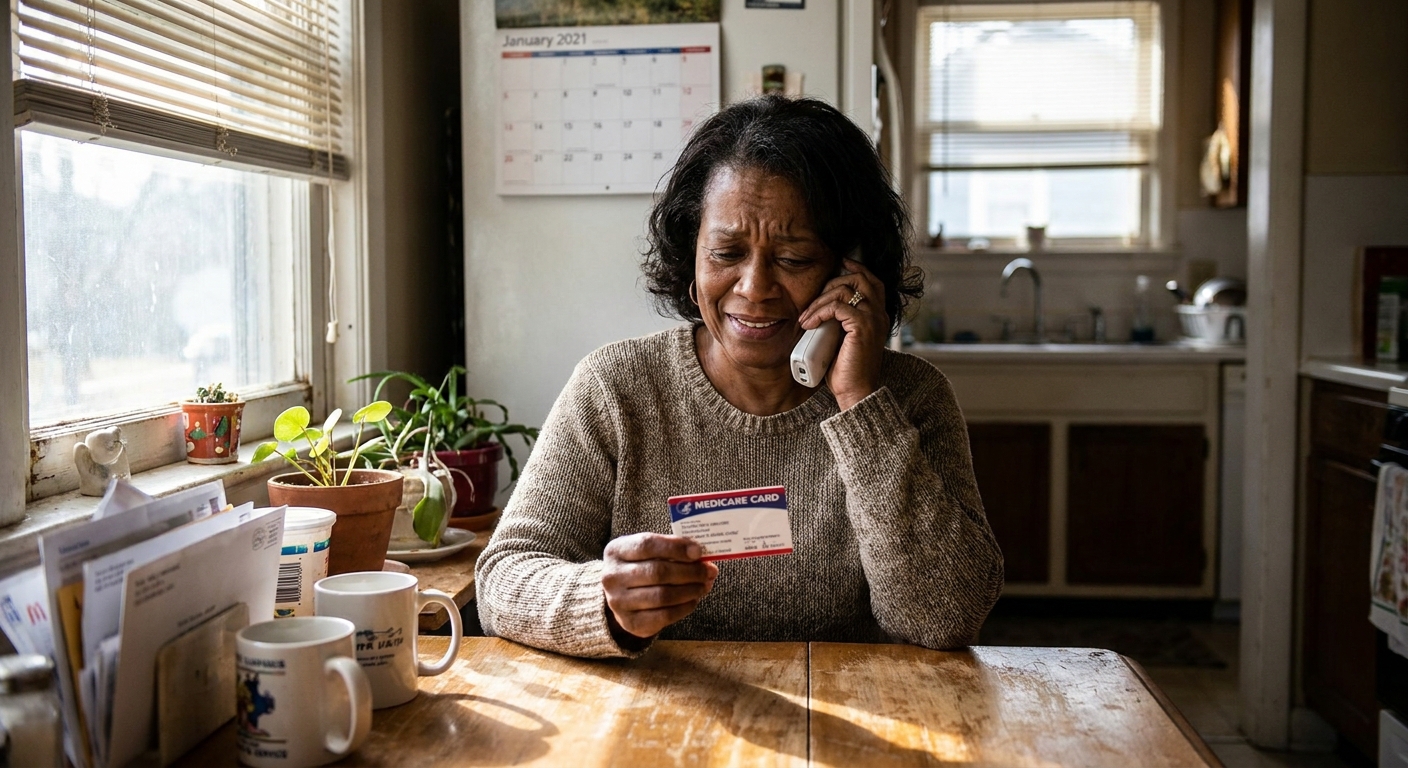
Knowing your coverage type before you call a provider cuts the intake process significantly. To confirm Medicaid behavioral health eligibility in Maryland, visit Maryland’s Medicaid portal or call 1-855-642-8572 this week. Have your identification and income information ready. The call takes less than fifteen minutes and tells you exactly what you have access to.
What to Expect from Opioid Use Disorder Treatment in Maryland
A 2022 study published in JAMA Psychiatry, analyzing data from over 40,000 patients, found that buprenorphine and methadone treatment reduced opioid-related mortality by more than 50% compared to no medication treatment. That figure is worth sitting with.
Your first appointment begins with a clinical assessment, not a judgment. A prescriber reviews your history, current substance use, and any mental health symptoms you are managing alongside it. Medication options, most commonly buprenorphine (Suboxone) or naltrexone, are explained and matched to your situation. At a practice like MD M.A.T.T., that psychiatric evaluation and ongoing medication management happen within the same care team, so nothing gets lost between referrals.
One point worth making plain: medications that treat opioid dependence are not a workaround or a lesser form of recovery. They are the evidence-based standard of care, endorsed by NIDA, SAMHSA, and every major medical body that has studied the question. If you have heard otherwise, that information is outdated.
For people managing both opioid use disorder and conditions like PTSD or anxiety, care that addresses both at once produces better outcomes than treating them separately. Telepsychiatry is also available for those who cannot easily access in-person appointments.
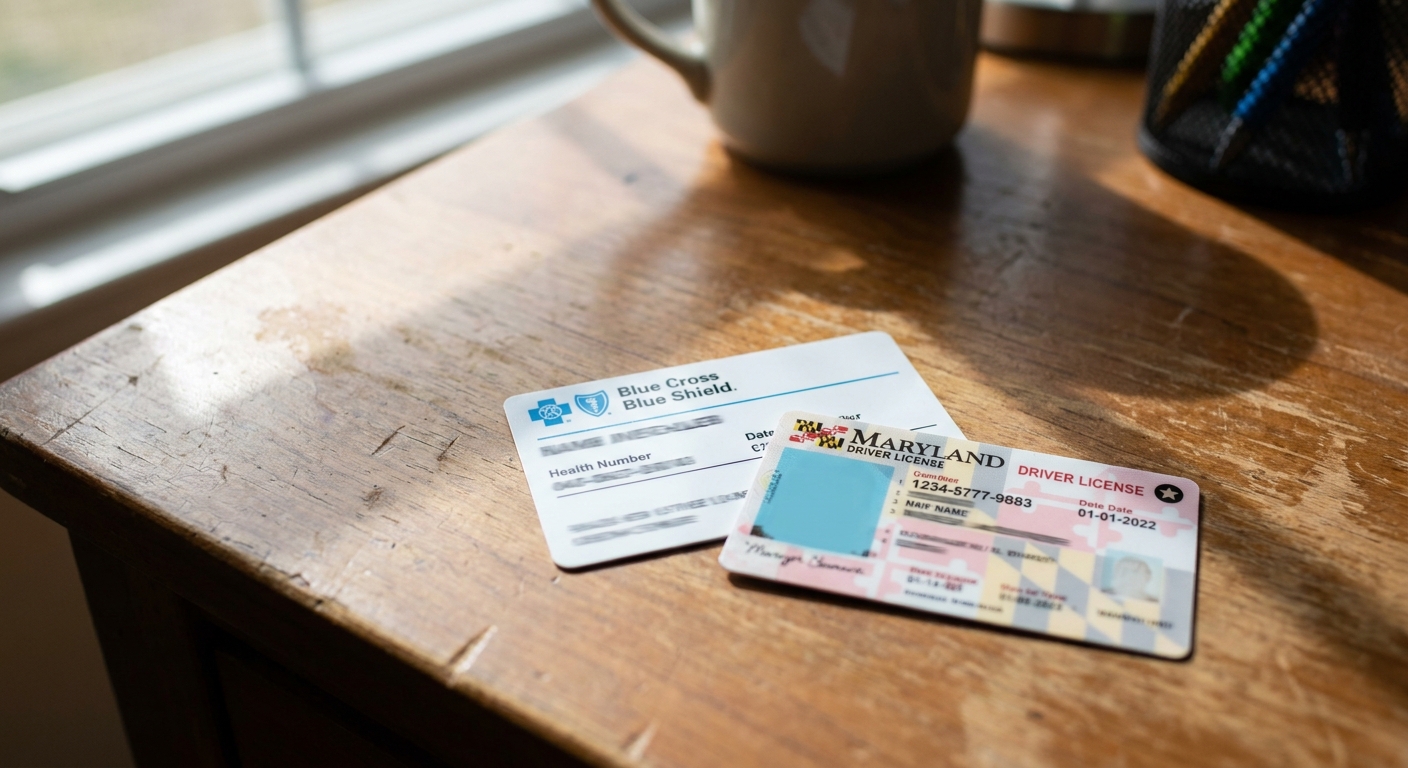
To prepare for your first intake, bring a photo ID, your insurance card, a list of any current medications, and a general sense of your history with opioids. You do not need to arrive with a rehearsed story.
What to Try This Week
Call a Maryland behavioral health provider, confirm whether they accept your insurance or Medicaid, and schedule an intake appointment. That single step, which takes one phone call, is the move that changes the trajectory. Everything else follows from it.