Buprenorphine naloxone treatment is one of the most effective, evidence-backed tools available for opioid use disorder, and understanding exactly how it works makes the decision to start far less daunting. If you’re dependent on heroin, fentanyl, or prescription painkillers, or you’re helping a loved one take that first step, this explanation covers everything from the science to what to realistically expect on day one.
What Is Buprenorphine Naloxone Treatment?
Buprenorphine naloxone treatment is a daily medication-based approach to opioid use disorder (OUD) that combines two active compounds into a single sublingual film or tablet. You’ll most often hear it called by its brand name, Suboxone. The buprenorphine component relieves cravings and withdrawal symptoms; the naloxone component acts as a safeguard against misuse.
The stakes are significant. According to the Maryland Department of Health, opioid-involved overdose deaths have continued to devastate communities across the state, with fentanyl present in the overwhelming majority of cases. Medication for opioid use disorder, including buprenorphine naloxone, is consistently shown to reduce overdose mortality, yet treatment gaps remain wide. Starting buprenorphine naloxone treatment is not a last resort. It is the evidence-based standard of care.
How Buprenorphine Naloxone Works in Your Body
Buprenorphine is a partial opioid agonist. In plain terms, it attaches to the same receptors in your brain that opioids like heroin and fentanyl bind to, but it activates those receptors only partially. That partial activation is enough to quiet cravings and prevent withdrawal without producing the full euphoric effect of a complete opioid. A 2016 SAMHSA review confirmed that this partial agonist activity meaningfully reduces overdose risk compared to full agonist opioids, because the medication’s effect plateaus rather than escalating with higher doses. What this means for your first days on the medication: you are not trading one addiction for another. You are stabilizing your brain chemistry so that recovery becomes possible.
The Role of Buprenorphine
Because buprenorphine is a partial agonist, it creates a physiological ceiling on sedation and respiratory depression. Full opioids like heroin and fentanyl can suppress breathing to a fatal degree; buprenorphine’s ceiling effect significantly limits that risk. SAMHSA data indicates that patients maintained on buprenorphine have substantially lower rates of opioid-related mortality compared to those receiving no medication-assisted treatment.
The Role of Naloxone
Naloxone’s job in the combination film is to discourage injection misuse. When you dissolve the film under your tongue as directed, the naloxone is absorbed poorly through that route and contributes minimally to the medication’s effects. If someone attempts to inject the dissolved film instead, the naloxone activates powerfully and triggers immediate withdrawal. This is the abuse-deterrent design in action. A common misconception is that naloxone cancels out the treatment benefit during normal use. It does not. Taken sublingually as prescribed, the buprenorphine does the therapeutic work while the naloxone remains essentially inactive.
How You Take Buprenorphine Naloxone
The medication is administered sublingually, meaning you place the film or tablet under your tongue and allow it to dissolve completely. You do not chew it, swallow it, or drink anything immediately before or after. According to clinical pharmacology data on sublingual bioavailability, this route delivers buprenorphine into your bloodstream more efficiently than swallowing would, because the drug is absorbed directly through the tissue under the tongue rather than processed through the digestive system. If you accidentally swallow a dose before it fully dissolves, contact your provider before your next scheduled dose to confirm the right approach for your situation.
MD M.A.T.T. dispenses buprenorphine naloxone as a daily oral medication, confirming that your prescription is actually waiting at the pharmacy before you make the trip. For many patients, care begins the same day or the next. If you want a clearer picture of how the film itself works as a delivery method, this breakdown of the sublingual film covers the details.
Starting Treatment: Induction
The induction phase is the first dose, and timing matters. You need to be in mild-to-moderate withdrawal before taking buprenorphine naloxone for the first time. This is not about discomfort for its own sake. If buprenorphine is introduced while other opioids are still strongly occupying your receptors, it can displace them abruptly and trigger what is called precipitated withdrawal, a sudden and intense onset of withdrawal symptoms. Clinicians use the Clinical Opiate Withdrawal Scale (COWS) to assess where you fall on the withdrawal spectrum before induction begins. On day one, tell your provider exactly what you are feeling, including restlessness, sweating, muscle aches, or anxiety. That information guides the dose.
Finding Your Dose
After induction, the stabilization process begins. Your provider adjusts the dose over days to weeks until cravings and withdrawal symptoms are controlled without causing sedation. A 2017 analysis published in the journal Addiction found that therapeutic buprenorphine doses typically range from 8 mg to 24 mg per day, though individual needs vary based on prior opioid use patterns and metabolic factors. Dose adjustment is a clinical process, not an indicator that something is wrong. If one dose level does not feel right, that is useful information for your provider, not a sign of failure.
Missing a Dose
If you miss a dose, take it as soon as you remember on the same day. Do not double up the next day to compensate. Missing doses disrupts the steady-state blood levels that keep withdrawal symptoms at bay, so you may notice mild discomfort if a dose is significantly delayed. The simplest protective step: set a daily phone alarm at a consistent time so the dose becomes automatic.
What to Expect During Treatment
After stabilization, you enter the maintenance phase. This is the treatment. A landmark 2020 study published in the New England Journal of Medicine found that longer duration of buprenorphine treatment correlates strongly with sustained recovery and significantly reduced risk of relapse. Maintenance is not a step toward eventually stopping the medication. For many people, it is the ongoing support that makes everything else in recovery possible.
Common Side Effects
The most frequently reported side effects during the first weeks of treatment are headache, nausea, constipation, sweating, and insomnia. A clinical trial data review published by NAMI documented that these effects are common in the early adjustment period and typically resolve within the first few weeks as your body stabilizes on the medication. If side effects are uncomfortable, report them to your provider rather than adjusting the dose on your own.
Serious Side Effects to Watch For
Respiratory depression is a serious risk when buprenorphine naloxone is combined with benzodiazepines, alcohol, or other central nervous system depressants. The FDA Black Box Warning on buprenorphine products specifically flags this combination as potentially fatal. In plain terms: sedatives, sleep aids, anti-anxiety medications like Xanax or Valium, and alcohol all increase the risk of dangerous breathing suppression when taken alongside this medication. Liver enzyme elevation has also been documented in some patients. Report any unusual symptoms, including extreme fatigue, abdominal pain, or yellowing of the skin, before your next scheduled visit rather than waiting.
Medications and Substances to Avoid
Benzodiazepines, alcohol, prescription sedatives, and over-the-counter sleep aids are the primary drug classes with dangerous interactions. FDA guidance on buprenorphine products is direct on this point: combining any CNS depressant with buprenorphine naloxone raises the risk of respiratory depression and overdose. This includes medications you might not immediately associate with sedation, such as antihistamines or muscle relaxants. Bring a complete list of every medication, supplement, and over-the-counter product you take to your first appointment. That list protects you.
Buprenorphine Naloxone and Co-Occurring Mental Health Conditions
A 2018 study published in Drug and Alcohol Dependence found that roughly 50% of people with opioid use disorder also meet criteria for a co-occurring mental health condition such as depression or anxiety. Buprenorphine naloxone treatment does not preclude mental health care; in fact, integrated treatment that addresses both OUD and mental health conditions produces better outcomes than treating either in isolation. At your first visit, ask specifically about co-occurring care options. If you are evaluating providers, finding a prescriber who supports integrated care is worth prioritizing from the start.
Buprenorphine Naloxone During Pregnancy
ACOG recommends buprenorphine monoproduct as the preferred option during pregnancy, though the combination film may still be appropriate in specific clinical situations. The concern is not that treatment is dangerous during pregnancy. It is the opposite: untreated opioid use disorder during pregnancy carries far greater risks to both parent and fetus than managed treatment does. Neonatal opioid withdrawal syndrome (NOWS) is a manageable, monitored condition. It is not the same as harm. If you are pregnant or believe you may be, disclose this to your provider immediately so your care plan reflects your specific situation.
How Long Treatment Lasts
A 2022 Cochrane review of buprenorphine maintenance studies found that patients who discontinued treatment early had significantly higher rates of relapse compared to those who continued. There is no standard timeline that applies to everyone, and there is no clinical obligation to taper off the medication after a fixed period. The conversation to have with your provider is not about when you will stop, but how the treatment is supporting your life right now and what long-term maintenance looks like for your specific circumstances.
Coverage and Access in Maryland
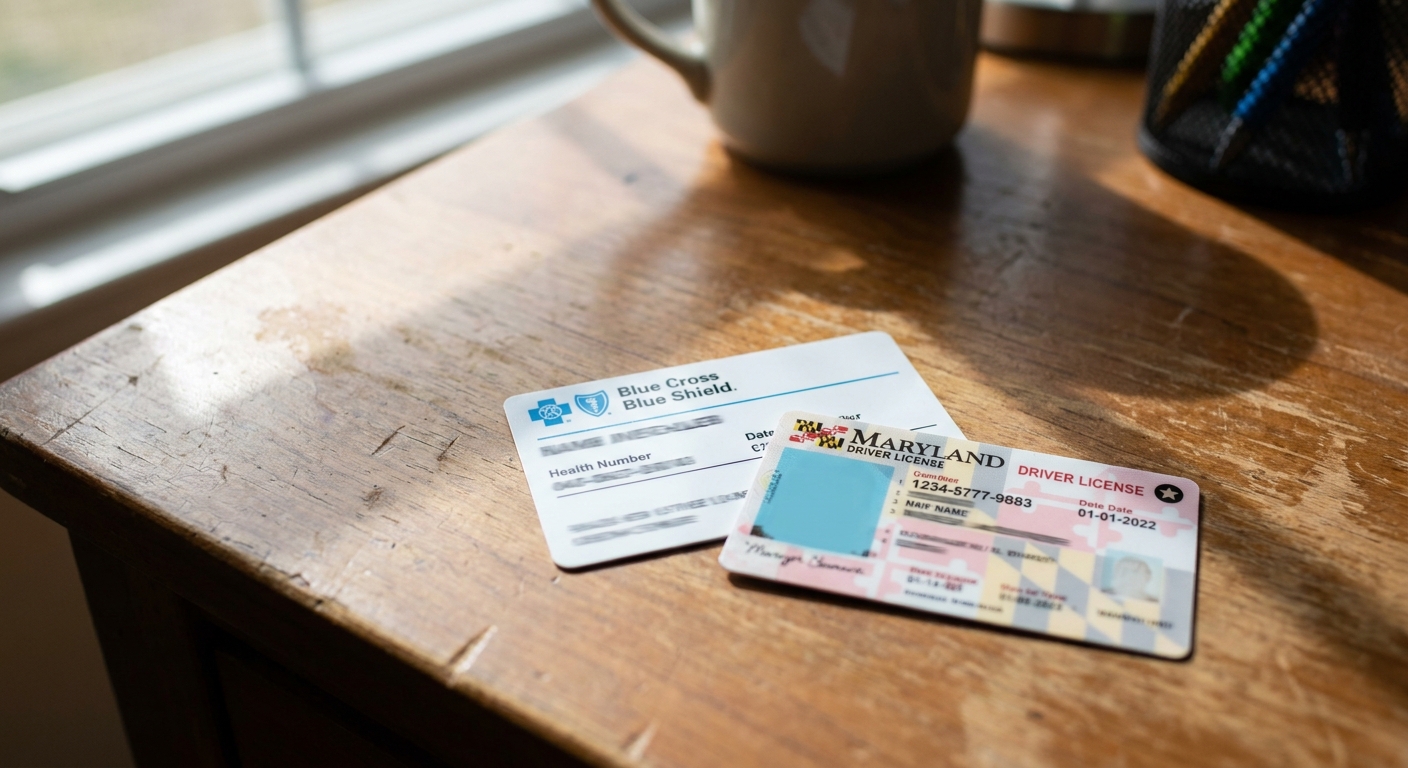
Maryland Medicaid covers buprenorphine naloxone as part of its medication-assisted treatment benefits, with no prior authorization required for most formulations under current state policy. Commercial insurance plans also cover it in the majority of cases, and options exist for patients without coverage. Knowing your insurance status before your first call speeds up the intake process considerably. If you are ready to take that step, locating a nearby clinic is the fastest way to move from consideration to a confirmed appointment.
Starting This Week
Call a Maryland-based buprenorphine naloxone provider and ask about same-week availability. Induction often begins within a day or two of the first appointment. That is the one move that changes everything else.