In Maryland, buprenorphine treatment is one of the most effective medical interventions available for opioid use disorder, and understanding what it actually does makes it far easier to take that first step toward care. This explainer covers how the medication works, what the treatment process looks like from start to finish, and what to expect at every stage.
What Buprenorphine Actually Is
Buprenorphine is an FDA-approved medication for opioid use disorder, classified as a partial opioid agonist. That distinction matters. Unlike heroin or fentanyl, which are full agonists that flood opioid receptors and produce intense euphoria, buprenorphine activates those same receptors only partially. According to a 2023 SAMHSA report, more than 2 million Americans live with opioid use disorder, and in Maryland, fentanyl has driven overdose deaths to record levels, making accessible, evidence-based treatment more urgent than ever.
How It Works in Your Body
Buprenorphine binds tightly to opioid receptors in the brain, doing two things simultaneously: relieving withdrawal symptoms and blocking the intense high that full agonists produce. Beyond a certain dose, the euphoric effect stops increasing, even if the dose goes higher. This is called the ceiling effect, and it’s what makes buprenorphine meaningfully safer than the drugs driving the current overdose crisis. A 2021 study published in Addiction found that patients retained in buprenorphine treatment had more than 50% lower overdose mortality compared to those who received no medication. The practical takeaway is straightforward: this is not trading one addiction for another. It is stabilizing the brain chemistry that opioid dependence has disrupted, so recovery becomes possible.
The Difference Between Buprenorphine, Suboxone, and Subutex
The product names create real confusion, and it’s worth clearing up. Suboxone combines buprenorphine with naloxone, an opioid antagonist added to deter misuse by injection. If someone attempts to inject Suboxone, the naloxone triggers immediate withdrawal, which removes the incentive. Subutex is buprenorphine alone, without naloxone. Both are forms of the same core medication, prescribed based on clinical circumstances. The framing of these as “just another drug” is a misconception worth pushing back on directly: these are evidence-based medications with decades of research behind them, not workarounds or shortcuts.
What Buprenorphine Treatment Does for Withdrawal and Cravings
A 2022 study backed by the National Institutes of Health found that patients treated with buprenorphine experienced significantly faster resolution of withdrawal symptoms compared to those who received supportive care alone, with craving intensity dropping measurably within the first 24 to 72 hours of treatment. What this means in practice is less abstract than it sounds. Reduced cravings translate to fewer intrusive thoughts about using, the ability to keep appointments, sleep better, and show up for the parts of life that opioid dependence has made impossible to access. The medication does the stabilizing work so that everything else, including counseling, rebuilding relationships, and returning to routine, becomes possible rather than theoretical. If you’ve been wondering how a full medication-assisted treatment program fits together, that stabilization is where it all begins.
How Buprenorphine Reduces Overdose Risk
Maryland’s overdose crisis is driven almost entirely by fentanyl. According to the Maryland Department of Health, fentanyl was involved in more than 90% of overdose deaths in the state in recent years. Buprenorphine reduces overdose risk through two mechanisms: the ceiling effect limits the respiratory depression that kills people, and tight receptor binding means a dose of heroin or fentanyl on top of buprenorphine produces far less effect than it would otherwise. The 2021 Addiction study referenced above put the mortality reduction at over 50% for patients who stayed in treatment. The move that works here is starting medication before a crisis forces the issue, not after. Waiting for rock bottom is not a clinical strategy. It is a risk.
What the Treatment Process Looks Like in Maryland
Knowing what to expect at each stage removes one of the biggest barriers to starting. The process has a clear structure, and each phase has a defined purpose.
Starting Treatment: Induction
The first dose of buprenorphine is given during what’s called the induction phase. Timing is important: the medication needs to be started when mild-to-moderate withdrawal symptoms are already present. Starting too early, before the body has cleared enough of the previous opioids, can trigger precipitated withdrawal, which is an abrupt and severe intensification of withdrawal symptoms. SAMHSA clinical guidelines on buprenorphine induction emphasize this timing as the single most important factor in first-dose success. The practical preparation is simple: come to the first appointment knowing the time of your last opioid use, and be honest about it. At MD M.A.T.T., same-day and next-day intake is available, which means you don’t have to hold on for days waiting for an opening once you’re ready to start.
Stabilization and Dose Adjustment
After induction, the goal is finding the dose that keeps cravings controlled without unwanted side effects. This takes days to weeks and involves follow-up appointments and urine drug screens, both of which are standard clinical tools, not punishments. A 2020 study published in Drug and Alcohol Dependence found that patients who reached a stable dose within the first two weeks of treatment had significantly higher rates of retention at six months compared to those whose doses were adjusted slowly or inconsistently. Staying engaged during this phase matters. Consistent follow-up is what allows the prescriber to dial in the right dose for your body.
Maintenance and Long-Term Treatment
How long should buprenorphine treatment last? Longer than most people expect, and longer than most people are told by well-meaning family members. A 2020 study in JAMA Psychiatry found that patients who continued buprenorphine maintenance for two or more years had significantly lower relapse rates than those who tapered off earlier. The evidence-based position is that duration of treatment is a clinical decision, made between you and your prescriber, not a milestone to rush toward. Stopping medication early because it feels like the right time is one of the most common reasons people return to use. Prescriber-led care is built around exactly this kind of individualized decision-making, not a one-size timeline.
Insurance Coverage for Buprenorphine in Maryland
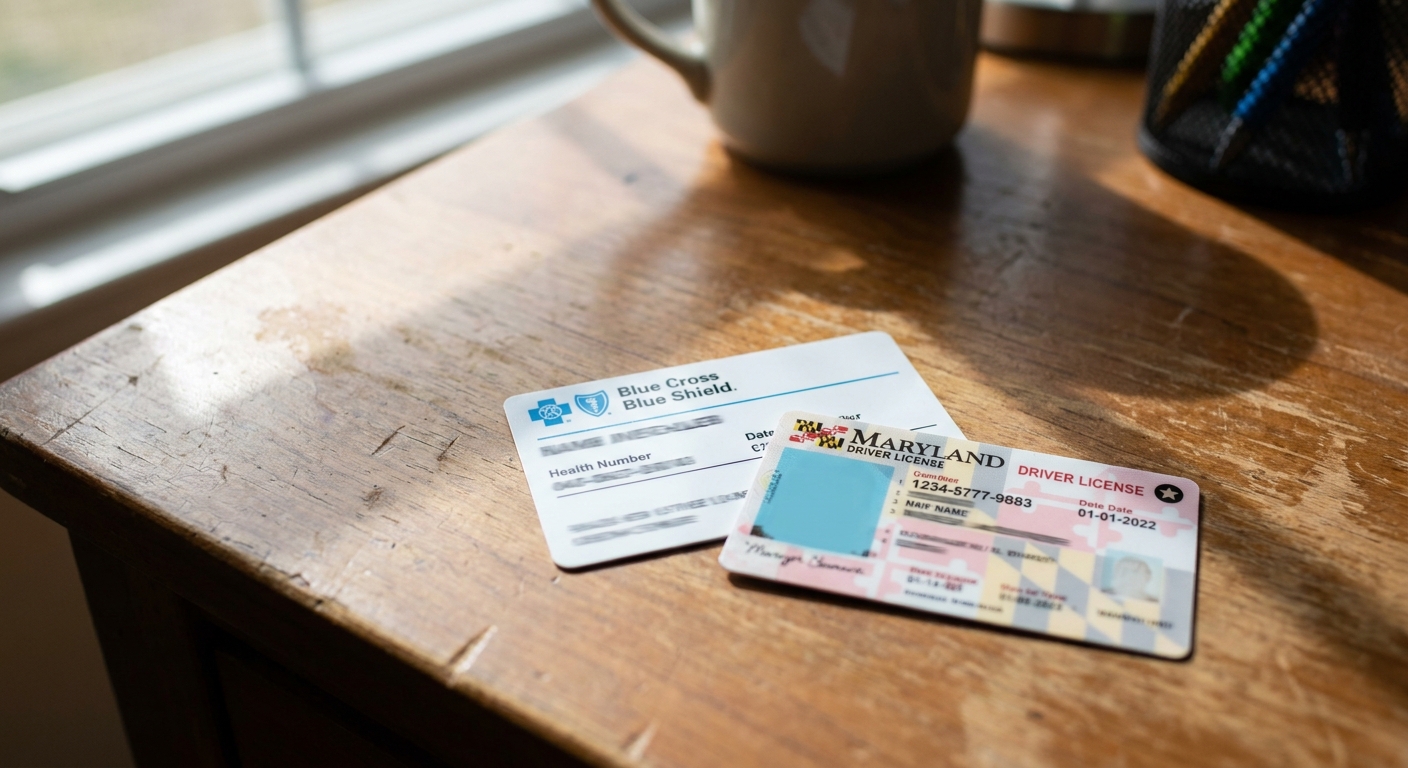
Maryland Medicaid covers buprenorphine treatment for eligible patients. State that plainly, because a lot of people assume cost is a barrier before they’ve ever asked. Commercial insurance plans cover it too, and for patients without coverage, options including state-funded programs and sliding-scale arrangements exist. MD M.A.T.T. accepts Medicaid and all insurance, and the intake team handles the coordination directly, including confirming pharmacy pickup so the prescription is ready when you need it. If you’re unsure about what your coverage means for accessing care in Maryland, a single call will answer the question faster than researching it yourself. The Maryland Department of Health has also prioritized expanding treatment access statewide, which means coverage gaps have narrowed significantly in recent years.
Co-Occurring Mental Health Conditions and Buprenorphine
A 2022 study from the National Institute on Drug Abuse found that more than 60% of people with opioid use disorder also meet criteria for at least one co-occurring mental health condition, with depression, anxiety, and PTSD among the most common. This is not a complication that disqualifies someone from treatment. It’s a clinical reality that shapes how treatment is structured. Buprenorphine works alongside mental health care, not instead of it. Stabilizing on medication frequently makes it possible to engage meaningfully in therapy for the first time, because the constant physical urgency of cravings and withdrawal is no longer dominating every moment. MD M.A.T.T. integrates psychiatry into its outpatient care model, which means both conditions can be addressed within the same treatment relationship.
Is Buprenorphine Addictive?
Physical dependence is not the same as addiction, and the distinction is worth being precise about. Dependence means the body has adapted to the presence of a substance and will respond if it’s removed abruptly. Addiction, as defined by SAMHSA and the American Society of Addiction Medicine, refers to compulsive use that continues despite harmful consequences. A person stabilized on buprenorphine is dependent in the physiological sense, the same way someone taking a daily blood pressure medication is dependent on it. The compulsive, harmful pattern that defines addiction is what buprenorphine treatment eliminates. Long-term use is safe and associated with sustained recovery outcomes, a position supported by SAMHSA’s treatment guidelines and decades of clinical research.
For family members who are encouraging someone to stop the medication before they feel ready: the research is clear that premature discontinuation is one of the strongest predictors of relapse. Supporting continued treatment is the most helpful thing you can do.
Starting This Week
If opioid use disorder is affecting your life right now, the concrete step is to find a buprenorphine provider in Maryland and schedule an evaluation. MD M.A.T.T. offers outpatient MAT across Maryland with locations in Baltimore, College Park, Linthicum Heights, Nottingham, and Owings Mills. Same-day and next-day appointments are available. Medicaid and all insurance are accepted, and transportation can be arranged through your insurance plan. More than 92% of new patients stay in treatment, which reflects what accessible, judgment-free, prescriber-led care actually looks like. The first appointment is the hardest part. Everything after it has a structure, and you don’t have to figure it out alone.