Most people seeking help for opioid use disorder are also carrying something else: a mental health condition that has never been properly addressed. According to SAMHSA’s 2022 National Survey on Drug Use and Health, roughly 50 percent of people with a substance use disorder also meet criteria for a co-occurring mental health condition. Dual diagnosis treatment in Maryland exists to treat both at the same time, and this guide explains exactly what to look for, what to ask, and how to get started.
What Dual Diagnosis Actually Means
Dual diagnosis is the term used when someone has both a substance use disorder and a mental health condition at the same time. For someone dependent on opioids, heroin, fentanyl, or prescription painkillers, that second condition is often depression, anxiety, PTSD, or bipolar disorder. Neither condition caused the other in any simple, linear way. What happens instead is a feedback loop: one condition makes the other worse, and treating only one breaks down quickly.
The plain-language version is this: opioids temporarily suppress emotional pain. When the substance wears off, the original pain returns, often sharper than before. Without treatment for the underlying mental health condition, returning to opioid use becomes the most available solution. That cycle is not a character flaw. It is a predictable biological and psychological pattern, and it responds to integrated care.
Why Treating One Condition at a Time Fails
A 2019 study published in the Journal of Substance Abuse Treatment followed 592 adults with co-occurring opioid use disorder and major depressive disorder over 12 months. Patients who received addiction treatment without concurrent mental health care relapsed at significantly higher rates than those who received integrated treatment. The mechanism is straightforward: depression, untreated, sustains the craving for relief. The addiction treatment cannot hold if the mental health condition keeps driving the behavior.
What this means in practice: sequential treatment, where you finish addiction treatment and then start mental health care, is not the evidence-backed standard. Integrated care, where both are treated simultaneously by a coordinated team, is. That distinction should be your first filter when evaluating any program.
The Most Common Co-Occurring Conditions With Opioid Use Disorder
According to the National Institute on Drug Abuse, the conditions most frequently paired with opioid use disorder are depression, anxiety disorders, PTSD, and bipolar disorder. Recognizing the pattern in your own experience, or in a loved one’s, does not require a formal diagnosis. If opioid use has been accompanied by persistent low mood, constant worry, emotional numbness, or dramatic mood swings, those symptoms deserve clinical attention alongside the addiction treatment.
Understanding how these conditions interact in a treatment context can help you make sense of what a real dual diagnosis program should offer.
PTSD and Opioid Use Disorder
A 2013 study in the journal Drug and Alcohol Dependence, drawing on data from over 2,800 patients in opioid treatment programs, found that 30 to 40 percent of those patients met criteria for PTSD. That number is almost certainly undercounted, because PTSD often goes unscreened in addiction settings.
The self-medication cycle with PTSD is particularly difficult to break. Trauma symptoms, including hypervigilance, flashbacks, and emotional dysregulation, are acutely uncomfortable. Opioids blunt those symptoms reliably. When opioid use stops, the trauma symptoms return without any coping buffer, which makes early recovery feel intolerable without proper support. If trauma history is part of your story or a loved one’s, ask any program directly whether they screen for PTSD and treat it during addiction treatment, not after. Learning more about finding the right PTSD support alongside addiction care is worth doing before the first call.
Depression and Anxiety
A 2012 study in the Archives of General Psychiatry found that people with opioid use disorder were four times more likely to have a major depressive episode than the general population, and anxiety disorders showed similarly elevated rates. The timing matters: opioid withdrawal itself mimics and intensifies both conditions. Anxiety spikes, sleep collapses, and mood craters during the first weeks of treatment, which is exactly when mental health support is most needed.
If you are preparing for an intake appointment, bring a written list of mental health symptoms, not just your substance use history. Note when low mood or anxiety started, whether it predates opioid use, and how it changes with use or withdrawal. That context helps clinicians understand what they are actually treating. For a closer look at what treating depression alongside addiction looks like in an integrated program, that resource is worth reading before your intake.
How to Find Dual Diagnosis Treatment in Maryland
A 2021 report from the Maryland Behavioral Health Administration identified significant gaps in access to integrated behavioral health services across the state, with treatment capacity concentrated in urban centers and limited in rural and suburban counties. That access gap is real, but it does not mean options are absent. It means you have to know how to look.
Start with SAMHSA’s treatment locator at findtreatment.gov. Filter results for “dual diagnosis” or “co-occurring disorders” alongside your location in Maryland. The Maryland Behavioral Health Administration at bha.health.maryland.gov also maintains a list of licensed providers. Those two tools narrow the field quickly.
The practical action this week: run one search on SAMHSA’s locator filtered for dual diagnosis programs in Maryland and make one call. The first call is information-gathering, not commitment.
What to Ask a Treatment Program Before Enrolling
Most programs will tell you they treat co-occurring disorders. The questions that separate a genuine dual diagnosis program from one that simply says the right words are specific. Ask: Do you employ licensed mental health clinicians alongside addiction specialists on the same care team? Do you treat mental health conditions during addiction treatment, or do you refer patients out to a separate provider? How is medication-assisted treatment coordinated with psychiatric medication management?
The Substance Abuse and Mental Health Services Administration defines integrated treatment as care in which the same team addresses both conditions in the same setting. A program that refers out for mental health care, meaning you see an addiction counselor at one location and a therapist or psychiatrist somewhere else, is not delivering truly integrated care. That handoff creates gaps, and gaps are where people fall through. The right answer to all three questions is clear and direct. If a program hedges, that is your answer too.
Maryland-Specific Treatment Locations to Know
Geography is a practical factor in outpatient treatment, not just a logistical one. Outpatient dual diagnosis care requires consistent appointments over weeks and months. A program an hour away is a program you attend less reliably when life gets complicated.
MD M.A.T.T. operates locations across Maryland, including Baltimore, College Park, Linthicum Heights, Nottingham, and Owings Mills, which means statewide access across urban, suburban, and transit-accessible areas. Telepsychiatry is also available, which removes the distance barrier entirely for certain appointments. Maryland’s mix of dense urban populations in Baltimore and more dispersed suburban and rural communities means the combination of physical locations and virtual care options matters when you are evaluating access over the long term.
Understanding Your Insurance Coverage in Maryland
Maryland’s Medicaid program, the Maryland Medical Assistance Program, covers dual diagnosis treatment including medication-assisted treatment and outpatient mental health services. Federal law reinforces this: the Mental Health Parity and Addiction Equity Act requires insurers to cover mental health and substance use disorder treatment on terms no more restrictive than medical or surgical coverage. That means if your plan covers office visits for a physical condition, it must cover behavioral health visits at comparable cost-sharing levels.
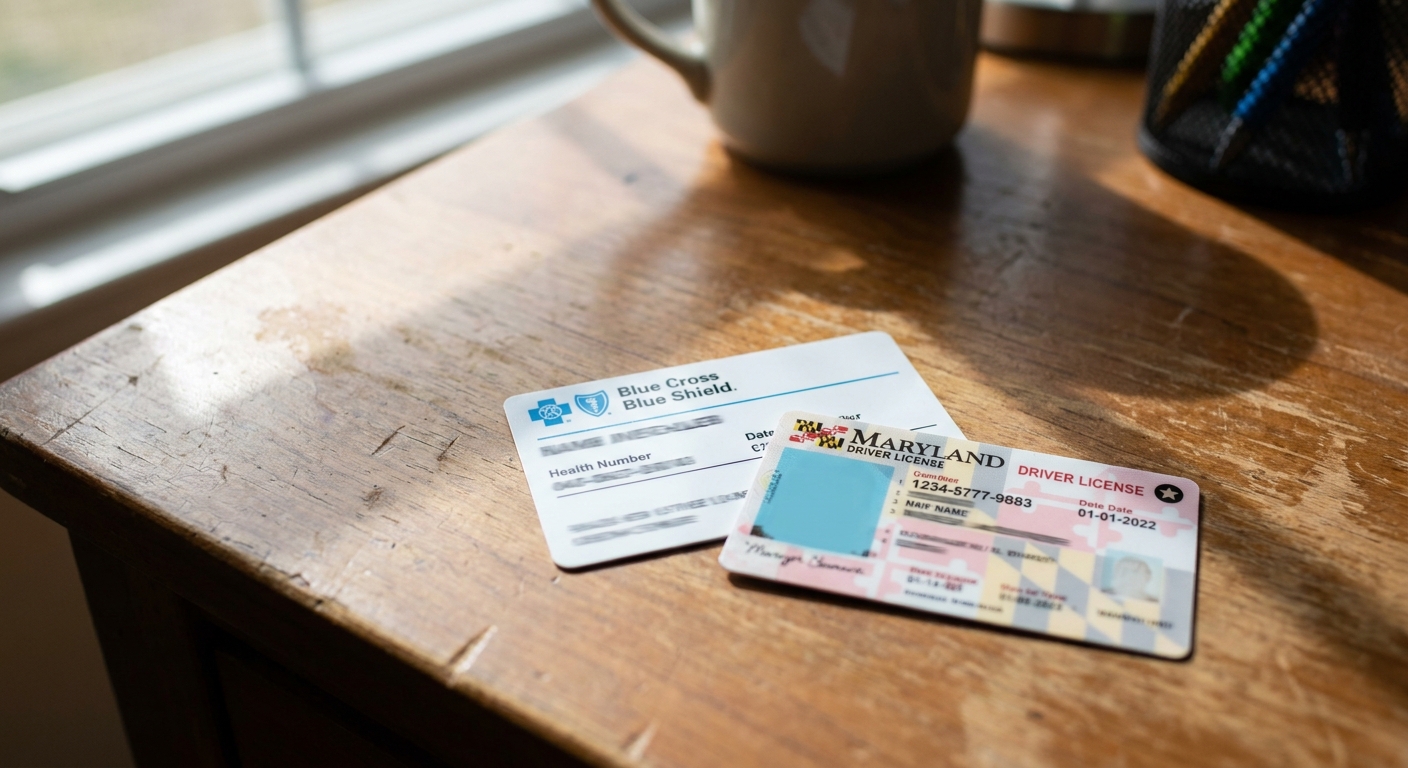
A 2020 report from the Maryland Insurance Administration found that parity violations, cases where insurers applied stricter limits to behavioral health than to medical care, remained a persistent problem despite the federal law. Knowing the law exists is useful. Verifying your specific coverage before you start treatment is more useful. Call the member services number on your insurance card and ask two specific questions: Does the plan cover medication-assisted treatment and outpatient mental health counseling? Is prior authorization required before starting? Get the answers in writing if possible.
For a clearer picture of what behavioral health coverage looks like in Maryland and what the law requires, that resource walks through the specifics in plain terms.
What If You Don’t Have Insurance
No coverage does not mean no options. Maryland offers several pathways for uninsured and underinsured residents. Federally Qualified Health Centers across the state provide sliding-scale behavioral health services based on income. The Maryland Department of Health maintains crisis funding and access-to-care programs specifically for substance use and mental health treatment. Maryland also has a 24-hour crisis line through the Maryland Crisis Hotline at 1-800-422-0009.
The concrete next step: contact the Maryland Behavioral Health Administration at bha.health.maryland.gov or call 410-402-8300 to ask about state-funded treatment options in your county. That call takes fifteen minutes and identifies your actual options rather than assumed ones.
Medication-Assisted Treatment as Part of Dual Diagnosis Care
A 2016 study in the New England Journal of Medicine found that buprenorphine-naloxone reduced opioid overdose deaths by 38 percent in the study population, with sustained benefits across the follow-up period. Methadone and naltrexone show comparable evidence across separate trials. MAT is not a substitute for recovery. It is the neurological foundation that makes recovery possible.
Here is the mechanism in plain terms: opioid dependence alters the brain’s reward system in ways that make early recovery feel neurologically unbearable. MAT stabilizes that system, reducing cravings and withdrawal symptoms to a level where a person can actually engage in therapy, process trauma, and develop new patterns of behavior. Without that stabilization, mental health treatment is working against constant neurological interference. With it, the psychiatric and therapeutic components of dual diagnosis care actually land.
If a program does not offer MAT, actively discourages it, or treats abstinence-only approaches as the gold standard, treat that as a red flag. The evidence does not support that position. Understanding how medication management fits into ongoing psychiatric care is worth reviewing as you compare programs.
What Integrated Treatment Actually Looks Like Week to Week
A 2020 study in Psychiatric Services examined outcomes for 1,200 patients enrolled in integrated outpatient dual diagnosis programs over 18 months. Patients in integrated programs showed significantly greater reductions in both substance use and psychiatric symptom severity compared to those in parallel, non-coordinated programs.
In practice, an integrated outpatient dual diagnosis program in the first 30 days typically involves MAT appointments for medication monitoring and dosage adjustment, individual therapy sessions focused on both mental health and substance use, group sessions that address coping skills and peer support, and psychiatric medication management if mental health conditions require pharmacological support. These do not happen in separate silos. The same clinical team coordinates across all of them.
Before committing to any program, ask for a written schedule of services. A program that can hand you a clear week-by-week outline of what treatment involves is a program that has actually built the infrastructure for integrated care. One that gives vague answers about what treatment looks like is telling you something important.
How to Support a Family Member Seeking Dual Diagnosis Treatment
A 2018 study from the National Alliance on Mental Illness reviewing family involvement in dual diagnosis treatment found that patients whose family members participated in the intake process and maintained active support had meaningfully better six-month outcomes than those without family involvement. The effect held across different types of co-occurring conditions.
If you are helping a loved one navigate this process, the most valuable thing you can do in the first week is attend the intake appointment with them if the program allows it. Bring a written account of what you have observed: changes in mood, sleep, behavior, and the timeline of those changes alongside substance use. Clinicians conducting an intake interview get one perspective from the patient, who is often in crisis and not at their most articulate. Your observations add a layer of clinical context that shapes the treatment plan.
Supporting a family member also means understanding what to expect from the mental health side of treatment, not just the addiction side. Dual diagnosis care involves psychiatric evaluation, possible medication, and ongoing therapy. Knowing what that process looks like reduces fear and makes it easier to provide steady support through the early months.
What to Try This Week
Go to findtreatment.gov, enter your Maryland zip code, and filter for dual diagnosis or co-occurring disorder programs. Pick one program from the results. Call them this week, not to commit, but to ask the three questions outlined above: Do you treat mental health conditions during addiction treatment or refer out? Do you offer MAT? Do licensed mental health clinicians work on the same care team as addiction specialists?
That one call is the move that starts the process. Everything else follows from it.