According to SAMHSA’s 2023 National Survey on Drug Use and Health, cost is the most commonly cited reason adults with opioid use disorder delay or avoid treatment entirely. If you’re searching for a free Suboxone clinic in Maryland, the good news is that no-cost treatment is genuinely available, but the path to it depends on understanding where the funding actually comes from.
What “Free” Actually Means for Suboxone Treatment in Maryland
A 2022 SAMHSA report found that roughly 40% of adults who needed but did not receive substance use treatment cited cost or insurance barriers as the primary reason. That number reflects a real problem, but it also obscures a practical truth: for most Maryland residents, Suboxone treatment doesn’t require out-of-pocket payment at all.
“Free” in this context almost never means a charity model where a clinic absorbs all costs. What it means, in practice, is fully covered by a funding source, whether that’s Medicaid, a federal grant, or a sliding-scale program tied to income. The distinction matters because it changes how you search. Looking for a “free clinic” may send you toward a narrow category of resources, while understanding that coverage routes eliminate cost opens up a much wider set of options.
How Medicaid Covers Suboxone in Maryland
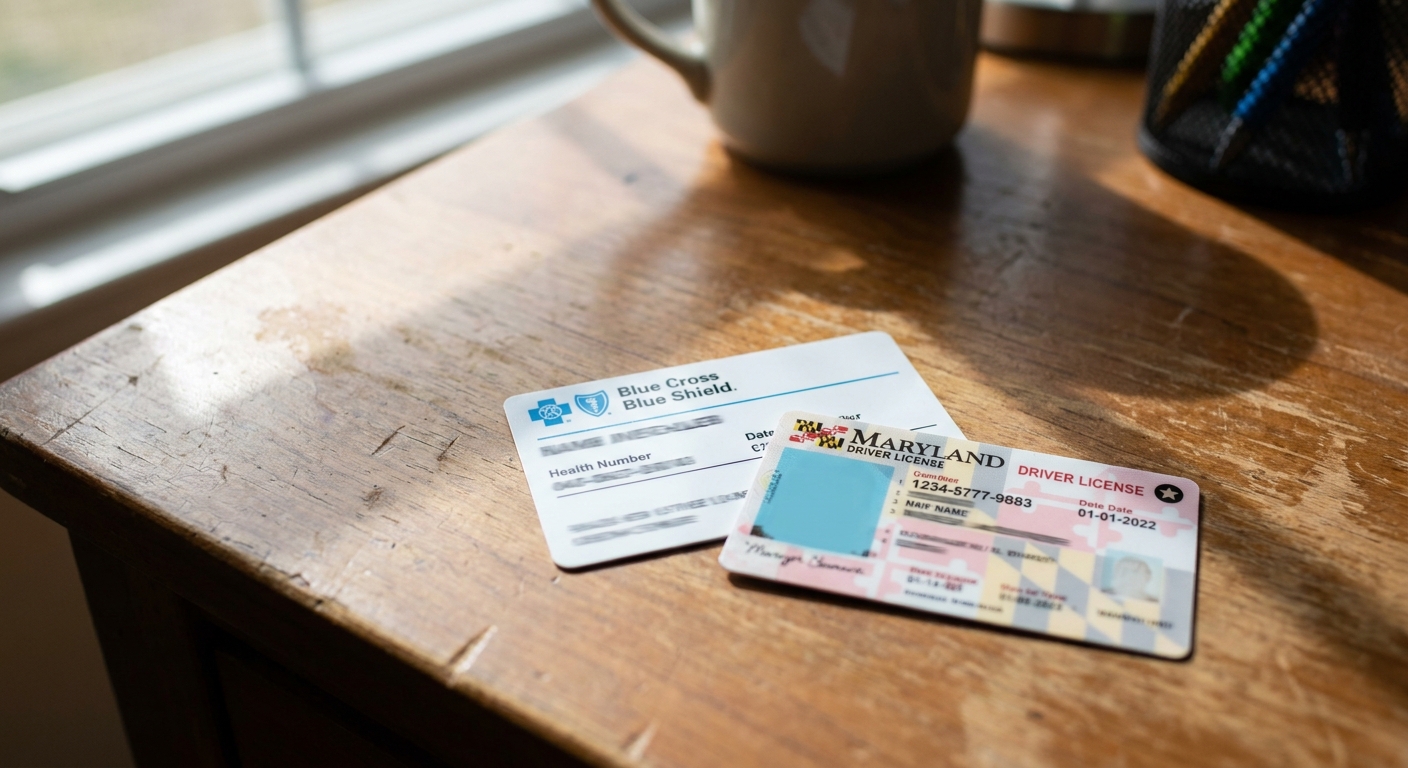
A 2021 analysis by the Kaiser Family Foundation found that Medicaid is the single largest payer for opioid use disorder treatment in the United States, covering more than 40% of adults receiving medication-assisted treatment nationwide. Maryland’s Medicaid program, called HealthChoice, follows federal parity law and covers buprenorphine/naloxone (the active ingredients in Suboxone) without prior authorization requirements as of the state’s 2018 reforms.
What this means in practice: HealthChoice covers the office visits, the medication itself, and behavioral health support tied to treatment. For most enrollees, there is no copay. If you’re currently uninsured or have limited income, enrolling in Medicaid is the fastest reliable route to no-cost Suboxone in Maryland.
The single action to take this week: visit Maryland Health Connection and complete an application. Eligibility decisions for Medicaid are typically fast, and many clinics, including those that confirm your benefits before your first appointment, can begin the intake process before your card even arrives. If you want to understand the full scope of what Maryland Medicaid covers for opioid treatment, that’s worth reviewing before you call.
State-Funded and Federally Qualified Clinics in Maryland
According to HRSA’s 2023 Uniform Data System, there are more than 50 federally qualified health centers (FQHCs) operating in Maryland, with the highest concentrations in Baltimore City, Prince George’s County, and Montgomery County. FQHCs receive federal funding specifically to serve uninsured and low-income patients, and by law they operate on a sliding-fee scale tied to income. For patients below a certain income threshold, the cost can be zero.
This makes FQHCs one of the most reliable options if you don’t yet have coverage. Many of them offer buprenorphine treatment on-site or through affiliated providers. The practical step is simple: use the HRSA Health Center Finder and enter your zip code. Filter for behavioral health services. The results will show you sliding-scale Suboxone providers within driving distance.
The Opioid Intervention Team and State Crisis Resources
Maryland’s Opioid Operational Command Center (OOCC) publishes real-time data on treatment capacity across the state and coordinates intervention programs designed to connect people to care without requiring insurance upfront. Under Maryland’s HOPE Act, providers are required to offer same-day assessment and treatment initiation for opioid use disorder, which means a cost barrier alone cannot legally delay your access to an evaluation.
If cost is an immediate obstacle today, call 211 Maryland. Operators connect callers to state-funded programs, bridge prescriptions, and local harm reduction organizations, often within the same call. This is the fastest same-day option when coverage hasn’t been confirmed yet.
What to Do If You Have No Insurance and Can’t Qualify for Medicaid
A 2023 Kaiser Family Foundation brief on the coverage gap found that adults who earn too much for Medicaid but can’t access employer coverage represent a persistent treatment access problem, particularly in states with high housing costs. Maryland has expanded Medicaid broadly, but some adults still fall outside eligibility.
Three realistic options exist in this situation. First, manufacturer patient assistance programs: Indivior, which manufactures Suboxone film, offers a patient assistance program for uninsured individuals who meet income criteria. Second, harm reduction organizations operating in Maryland, such as NEXT Distro and local syringe services programs, often provide bridge connections to low-cost or no-cost buprenorphine prescribers. Third, clinics that serve patients without insurance coverage increasingly offer income-based pricing, particularly those operating under telehealth models with lower overhead.
The action this week: contact a local harm reduction organization and ask specifically about bridge buprenorphine options while you sort out longer-term coverage. They know which providers in your area have flexible pricing structures.
How to Evaluate a Suboxone Clinic Before Committing
A 2022 study published in JAMA Psychiatry found that treatment retention at 12 months was significantly higher among patients who accessed low-barrier programs, defined as same-day intake, no mandatory counseling prerequisites, and flexible dosing. The structure of intake matters as much as the medication itself.
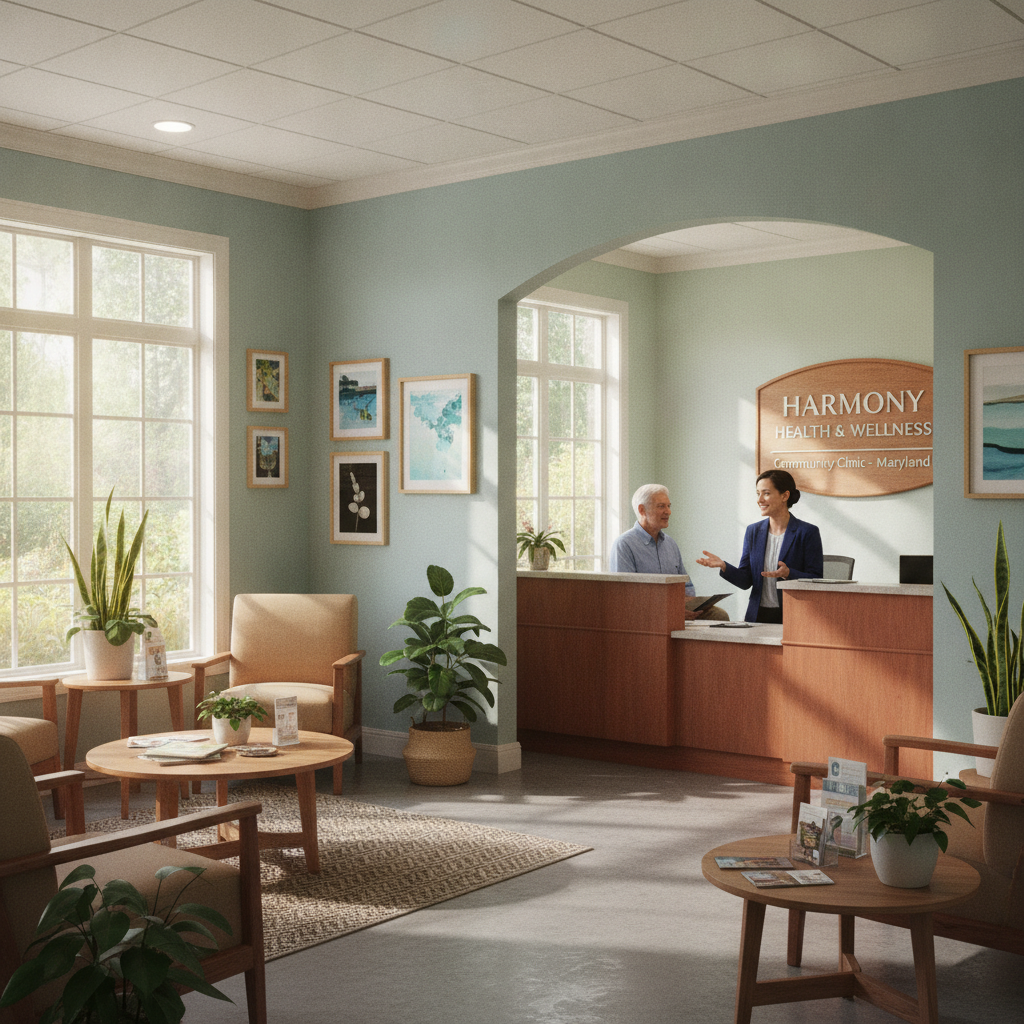
When evaluating a clinic, prioritize same-day or next-day availability. A clinic with no waitlist removes one of the most common reasons people don’t follow through. Look for programs that handle insurance verification on your behalf, offer co-occurring mental health support, and confirm pharmacy availability before your first appointment. Red flags include cash-only requirements with no financial assistance pathway, long waits before the first prescription, and no counseling component of any kind.
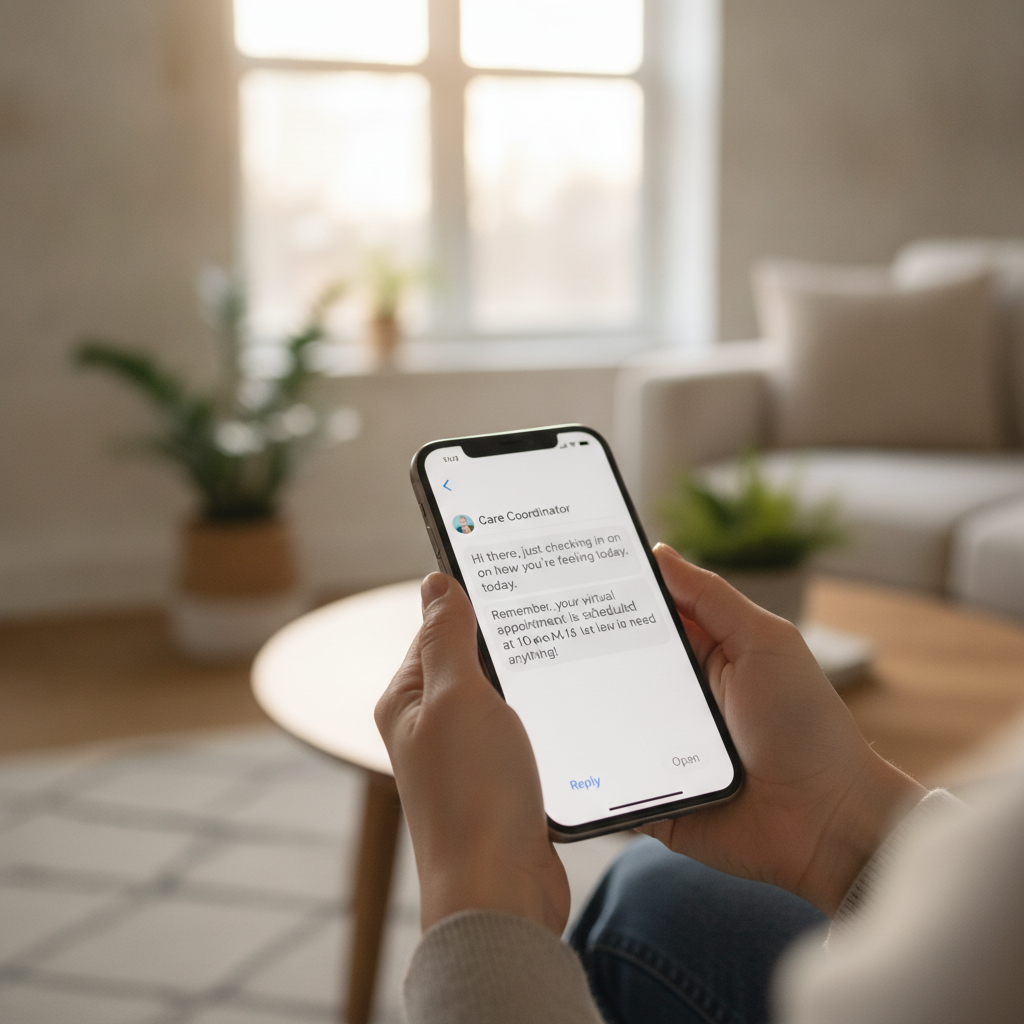
Two questions worth asking on the first call: “Do you verify my insurance benefits before the appointment?” and “Can I receive a prescription the same day I’m seen?” A clinic that answers yes to both is designed around removing barriers, not creating them. Some programs also arrange transportation covered through your insurance, which matters if getting to an appointment is itself an obstacle.
What to Try This Week
If you’re on Medicaid or think you qualify, call a clinic today and ask them to verify your benefits before your first visit. If you’re uninsured, use the HRSA Health Center Finder with your zip code and identify one FQHC that offers buprenorphine. Either path takes about five minutes to start.
Treatment that costs nothing, or close to it, is available in Maryland right now. The barrier isn’t the system, it’s knowing which door to open first.