Maryland’s overdose crisis is not slowing down. According to the Maryland Department of Health, the state recorded over 2,400 drug- and alcohol-related intoxication deaths in 2022, with opioids driving the vast majority of those losses. If you are looking at heroin addiction treatment in Maryland, the most important thing to understand upfront is this: speed of entry into treatment is the single strongest predictor of sustained recovery. Every day between deciding to get help and actually starting care increases the risk of dropout, relapse, and overdose.
What Makes Heroin Addiction Treatment in Maryland Work
The treatments with the strongest evidence are not the ones that sound the hardest. A 2023 analysis published by the National Institute on Drug Abuse found that patients who entered medication-assisted treatment within 48 hours of their first contact with a provider were significantly more likely to still be in treatment at 30, 60, and 90 days compared to those who experienced delays or were referred to abstinence-only programs. That gap in outcomes is not small.
What this means in practice: the programs that work fastest are the ones that combine FDA-approved medication with clinical support, start you on medication at or near your first appointment, and do not require detox completion before care begins. The treatment options covered below are ranked by evidence, not by how often they appear in a Google search.
Medication-Assisted Treatment: The Fastest Path to Stability
A landmark 2016 New England Journal of Medicine study of 2,000 patients with opioid use disorder found that those receiving buprenorphine-naloxone were twice as likely to remain in treatment at six months compared to patients in abstinence-only programs, and experienced significantly fewer overdose events. The mechanism is not complicated: opioid dependence is a brain disease, not a willpower problem. Heroin and fentanyl hijack the brain’s opioid receptors, and abrupt cessation without medication support leaves those receptors dysregulated, driving withdrawal and craving that are genuinely physiological, not just psychological.
Medication-assisted treatment (MAT) works by stabilizing brain chemistry from day one. The three FDA-approved medications are buprenorphine (often prescribed as Suboxone), methadone, and naltrexone. Each has a distinct profile, and which one fits you depends on your level of dependence, your living situation, and your treatment history. The concrete action here is straightforward: call a Maryland MAT provider today. Same-day and next-day induction appointments are available at multiple locations across the state, including Baltimore, College Park, Linthicum Heights, Nottingham, and Owings Mills.
Buprenorphine and Suboxone
Buprenorphine is a partial opioid agonist, which means it activates the same receptors as heroin but only partially, enough to prevent withdrawal and reduce craving without producing a significant high. Combined with naloxone (the combination sold as Suboxone), it also blocks the effects of other opioids if taken on top of it, which reduces misuse risk substantially.
A 2020 study in JAMA Psychiatry tracking 40,000 patients found that buprenorphine treatment was associated with a 60% reduction in overdose mortality compared to no medication. Maryland Medicaid covers buprenorphine without prior authorization at licensed outpatient providers, which removes one of the most common administrative barriers to starting care. At a first appointment, expect a brief medical assessment, a review of your substance use history, and in most cases, your first dose that same day. If you are managing dependence on prescription opioids alongside heroin, buprenorphine addresses both simultaneously.
Methadone and Naltrexone
Methadone is a full opioid agonist dispensed daily at licensed opioid treatment programs (OTPs). It is the right fit when dependence is severe, when daily structure and supervised dosing provide important accountability, or when previous buprenorphine treatment has not been sufficient. Naltrexone, by contrast, is an opioid antagonist: it works by fully blocking opioid receptors and produces no opioid effect at all. It requires complete detoxification before the first dose, making it most appropriate for patients who are already medically stable, highly motivated, and not at high risk of immediate relapse.
A 2018 NEJM study directly comparing extended-release naltrexone to buprenorphine-naloxone found that both were equally effective once treatment was initiated, but that the detox requirement for naltrexone created a significant barrier to starting. The decision rule is simple: if you are still using heroin or fentanyl regularly, buprenorphine is your fastest path to stability. Naltrexone is a strong option once you are past that initial phase.
Levels of Care: Matching Treatment to Where You Are Right Now
The American Society of Addiction Medicine (ASAM) publishes criteria that clinicians use to match patients to the appropriate level of care. Those four main levels are inpatient/residential, partial hospitalization (PHP), intensive outpatient (IOP), and standard outpatient. The level you need is not determined by how serious your addiction feels subjectively; it is determined by medical stability, your living environment, your support system, and your history with treatment.
A 2019 study in the Journal of Substance Abuse Treatment found that patients with opioid use disorder who started in IOP with MAT had outcomes comparable to those who started in residential treatment, as long as their home environment was stable and they did not have active co-occurring medical conditions requiring inpatient monitoring. Most people with heroin dependence do not need residential treatment first. Answer three questions before your next call: Is your home environment safe? Do you have any active medical conditions requiring monitoring? Have you tried outpatient treatment before and left before completing it? Those answers will clarify your starting point.
Inpatient and Residential Treatment
Inpatient or residential treatment is the right starting point when there is an unsafe home environment, an active co-occurring medical condition, or a documented history of multiple failed outpatient attempts. A 2020 SAMHSA national survey found that roughly 15% of people entering treatment for opioid use disorder were placed at the residential level of care. For patients whose opioid dependence involves fentanyl, inpatient stabilization is sometimes recommended given fentanyl’s longer tissue retention and higher potency, which can complicate the early stabilization period.
Intensive Outpatient Programs (IOP) in Maryland
IOP typically runs 9 to 15 hours per week across three to five days, combining group therapy, individual counseling, and MAT coordination. A 2021 Cochrane review confirmed that IOP produces outcomes equivalent to inpatient care for opioid-dependent patients who are medically stable. Maryland Medicaid covers IOP at licensed facilities with no gap in coverage for the MAT component. The practical advantage of IOP is that it does not require you to leave your job, your housing, or your family. You attend scheduled sessions and maintain the rest of your life while building a stable foundation for recovery.
Co-Occurring Mental Health Conditions: Why Dual Diagnosis Treatment Changes Everything
According to SAMHSA’s 2022 National Survey on Drug Use and Health, approximately 52% of adults with opioid use disorder also meet criteria for at least one diagnosed mental health condition, most commonly depression, anxiety, or post-traumatic stress disorder. Treating the addiction without addressing the mental health condition produces measurably worse outcomes: higher dropout rates, faster relapse, and lower quality of life at follow-up.
Dual diagnosis treatment integrates both conditions into a single care plan, delivered by the same clinical team. This is distinct from sequential treatment, where addiction is addressed first and mental health care is added later, an approach that consistently underperforms. A 2017 study in Psychiatric Services following 1,200 patients found that integrated dual diagnosis treatment improved 12-month retention by 34% and significantly reduced substance use compared to sequential treatment. When you call a Maryland treatment center, ask one specific question: does your clinical team treat mental health conditions alongside opioid use disorder in the same program, or do you refer out for mental health care? The answer tells you what you need to know. If you are also working through what recovery looks like for opioid-based pain medication, dual diagnosis support matters equally in that context.
How Maryland Medicaid and Insurance Cover Heroin Treatment
The Mental Health Parity and Addiction Equity Act, passed in 2008, requires that insurance plans cover substance use disorder treatment at the same level as medical and surgical care. That law applies to most commercial plans and to Medicaid managed care organizations in Maryland. Maryland’s Medicaid program covers inpatient detox, residential treatment, PHP, IOP, standard outpatient, and MAT medications including buprenorphine, with no prior authorization required for buprenorphine specifically as of Maryland’s 2019 Medicaid policy update. A Kaiser Family Foundation analysis confirmed Maryland as one of the states with the broadest Medicaid coverage for SUD services.
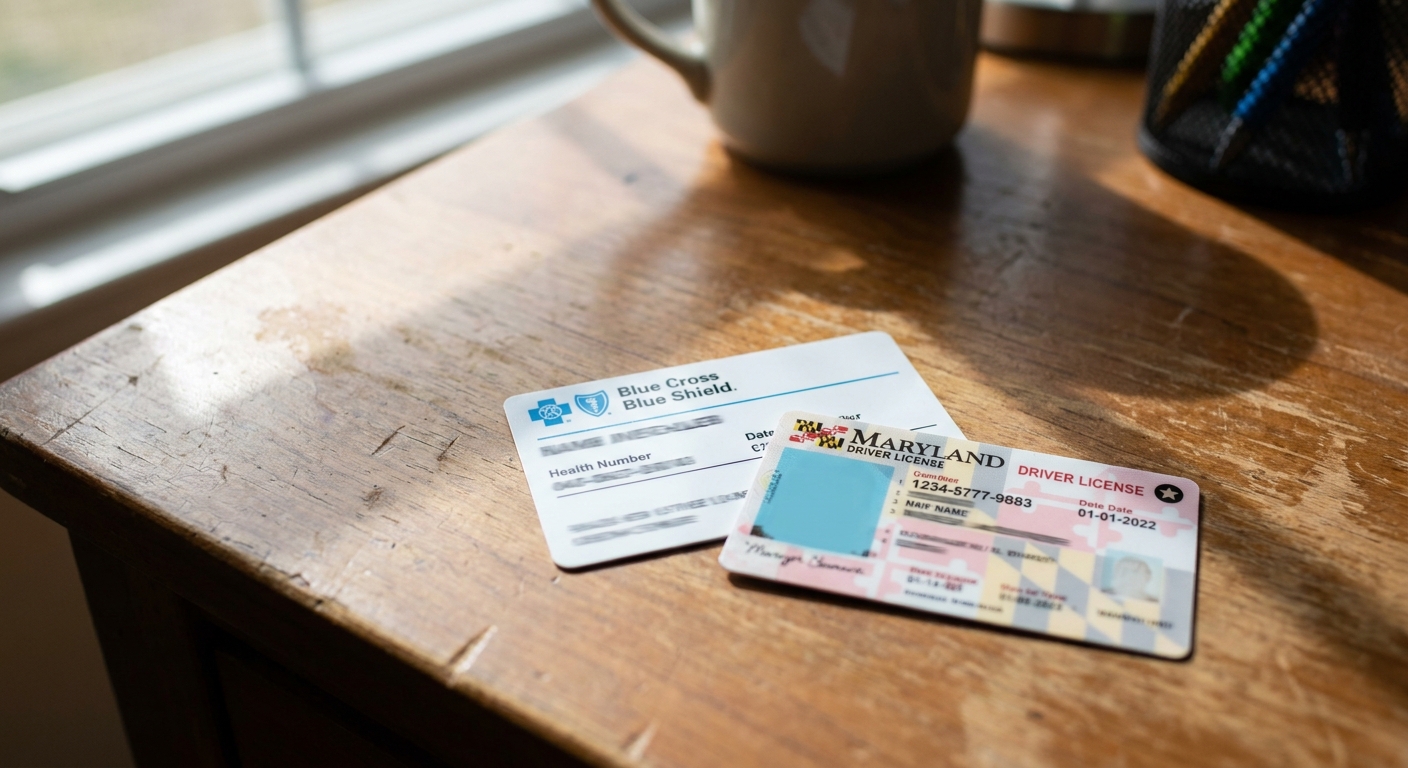
Cost is not a reason to delay starting treatment. Same-day financial assistance screening is available at multiple Maryland providers, and sliding-scale fees exist for patients without coverage. Before your first call, gather one document: your Medicaid card or insurance card. That single item is enough to begin the intake and verification process. For a full breakdown of what coverage looks like across Maryland’s opioid treatment landscape, that resource covers the specifics in more detail.
What to Expect in the First 72 Hours of Treatment
A 2021 study published in Addiction Science and Clinical Practice found that patients who received their first buprenorphine dose within 24 to 48 hours of initial contact were 2.5 times more likely to remain in treatment at 30 days compared to patients whose induction was delayed by even a few days. The first 72 hours are not a waiting period. They are the treatment.
The intake process moves in sequence: a brief screening call to assess fit and insurance, a clinical assessment at your first appointment, insurance verification handled by the provider’s administrative team, a medical appointment with a licensed prescriber, and your first medication dose. Withdrawal is uncomfortable, but MAT addresses it within hours of the first dose, not days. You do not need to manage withdrawal at home before starting. In fact, attempting to do so without clinical supervision is unsafe and unnecessary when same-day induction is available.
The single most important action you can take this week is to make one phone call to start the intake process. Maryland has MAT providers accepting new patients now, across multiple locations and insurance types. The research is clear, and the access is there. Start today.