In Maryland, one in five opioid overdose deaths involves someone who never made it to treatment. If you’re searching for a Medicaid Suboxone clinic in Maryland right now, that number is the reason this search matters, and why starting today is better than starting next week.
Why Maryland’s Opioid Crisis Makes This Search Urgent
According to the Maryland Department of Health, the state recorded 2,397 overdose deaths in 2023, with fentanyl present in more than 90% of those cases. That works out to roughly six Marylanders dying every day from an overdose. The gap between people who need treatment and those who actually receive it remains one of the largest in the country.
What this means in practice: finding a Medicaid-accepting Suboxone clinic is not a background task to handle when you feel ready. Buprenorphine, the active ingredient in Suboxone, reduces overdose mortality by more than 50% according to a 2021 NEJM review of over 40,000 opioid use disorder patients. The medication works. The barrier is almost always access, not the treatment itself.
How Medicaid Covers Suboxone Treatment in Maryland
A 2023 SAMHSA report found that Medicaid is the single largest payer for medication-assisted treatment in the United States, covering more than 40% of all buprenorphine prescriptions nationally. Maryland’s Medicaid program, known as Maryland Medical Assistance, covers buprenorphine/naloxone prescriptions, office visits related to opioid use disorder treatment, and associated behavioral health services.
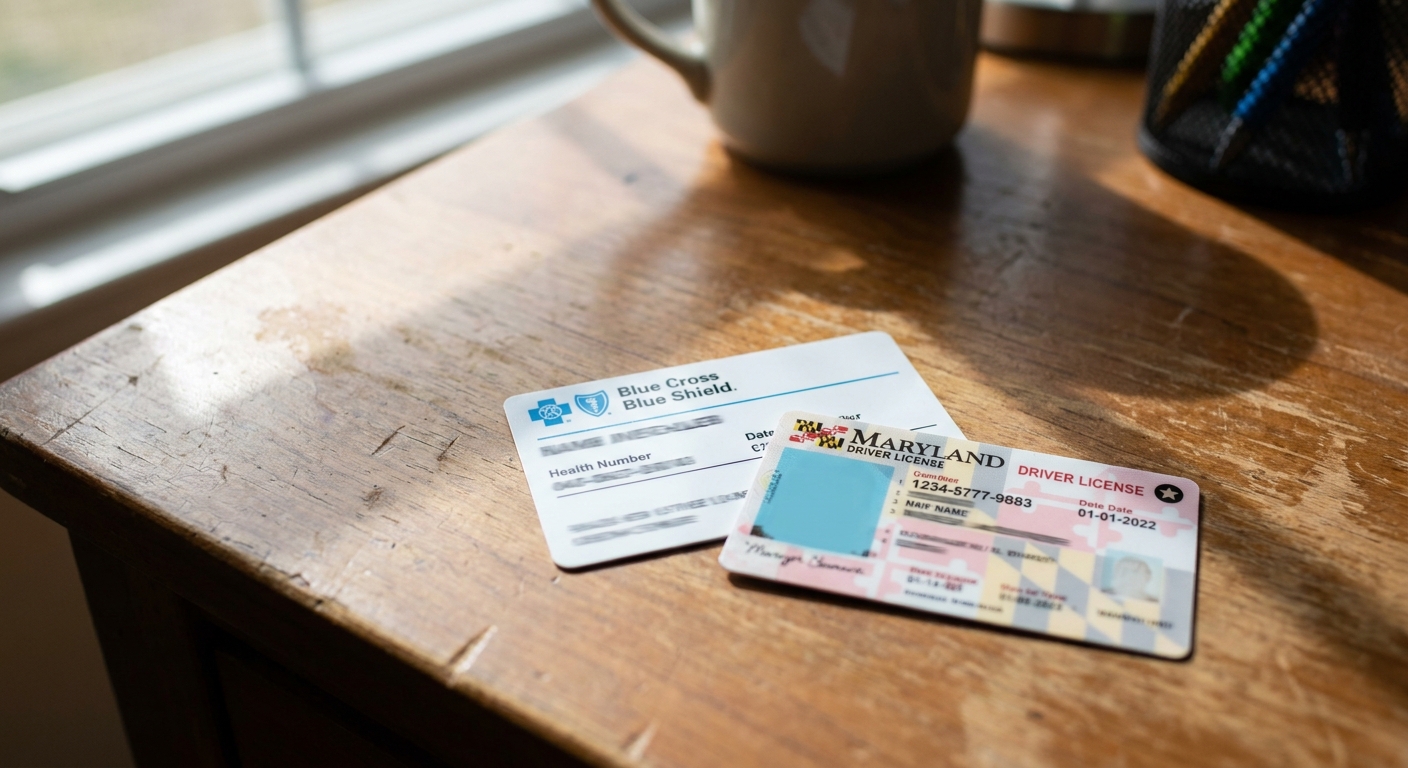
Maryland eliminated prior authorization requirements for buprenorphine in 2020, which means you do not need pre-approval before your first prescription. Your Medicaid card is, in most cases, sufficient to begin treatment on the day you walk in. Before your first appointment, confirm that your Medicaid enrollment is active. If you have a gap in coverage or need to re-enroll, the Maryland Health Connection (marylandhealthconnection.gov) can restore coverage quickly. For a broader look at what opioid treatment Medicaid covers in Maryland, that resource walks through the full benefit structure.
What to Expect at Your First Appointment
SAMHSA’s Treatment Episode Data Set shows that patients who complete an intake assessment and receive a same-day prescription are significantly more likely to remain in treatment at 30 and 90 days than those who leave without medication. The first appointment matters.
At a quality clinic, the first visit includes a clinical assessment of your opioid use history, a brief physical evaluation, and a conversation about your goals. You leave with a prescription. Bring a valid photo ID, your Medicaid card or insurance information, and a list of any other medications you take. That is everything you need.
What Separates a Quality Suboxone Clinic from a Basic One
A 2022 study published in the Journal of Addiction Medicine compared outcomes at comprehensive MAT programs versus prescription-only models across 6,800 patients. Patients at comprehensive programs, defined as those offering integrated behavioral health, case management, and flexible scheduling, had 34% higher treatment retention at six months.
The practical distinction comes down to four things: Does the clinic offer mental health support on-site or via telehealth? Does it accommodate your schedule, including evening or weekend hours? Does it have a telehealth option so you are not missing work for every follow-up? And critically, does it have a discharge policy that treats a relapse as a clinical event rather than a reason to remove you from care? When you call a clinic to inquire, ask directly: “What happens if I relapse while I’m in treatment?” The answer tells you most of what you need to know. For more on what to look for when a clinic takes your insurance, that guide covers coverage verification and care quality together.
Co-Occurring Mental Health Conditions
A 2020 NIDA-funded study of 23,000 adults with opioid use disorder found that 65% met criteria for at least one co-occurring mental health condition, most commonly depression, anxiety, or PTSD. Treating opioid use disorder alone while leaving depression or trauma unaddressed produces weaker outcomes. Relapse rates are higher, and treatment retention drops.
The move that works is finding a clinic that addresses both in the same setting. When you call, ask: “Do you have a counselor or therapist on staff, or will I need to see someone separately for mental health?” A clinic that offers integrated addiction and mental health treatment through a single care team is structurally better positioned to support your recovery.
How to Find a Medicaid Suboxone Clinic in Maryland
SAMHSA’s Behavioral Health Treatment Locator (findtreatment.gov) is the most reliable starting point. Set the filter to “Medicaid” under payment options and select Maryland. The locator pulls from a verified provider database and updates regularly. Maryland’s Behavioral Health Administration also maintains a provider directory at bha.health.maryland.gov, which lists licensed opioid treatment programs by county.
When searching, prioritize clinics with locations accessible to you. Treatment is most sustainable when it fits your life. MD M.A.T.T. operates locations across the state, including Baltimore, College Park, Linthicum Heights, Nottingham, and Owings Mills, and accepts Maryland Medicaid, all commercial insurance plans, and patients without insurance. The intake team verifies your benefits before your appointment so you know exactly what to expect, and same-day and next-day appointments are available with no waitlist. If transportation is a barrier, insurance-covered rides can be arranged through your plan. If you are uncertain whether you qualify for Medicaid or have no coverage at all, options for patients without insurance are available and worth reviewing before you assume cost is a barrier.
If you want to start treatment the same day you call, how same-day intake works explains what the process looks like from first contact to prescription.
What to Try This Week
Call a Medicaid-accepting clinic in Maryland within the next 48 hours and ask for the earliest available intake appointment. If you are not sure your Medicaid is active, check your enrollment status at marylandhealthconnection.gov first, then call. That sequence, confirm coverage, make the call, keep the appointment, is the shortest path from this page to treatment.