Maryland recorded over 2,900 overdose deaths in 2022, according to the Maryland Department of Health, making opioid use disorder one of the state’s most urgent public health crises. Medication-assisted treatment is the recognized medical standard for addressing it, and understanding how it works is the first step toward getting help.
What Medication-Assisted Treatment Actually Does
The Maryland Department of Health reported 2,958 overdose fatalities in 2022, with opioids involved in the overwhelming majority. That number represents the stakes of leaving opioid use disorder untreated.
Medication-assisted treatment (MAT) combines FDA-approved medications with counseling to reduce cravings, ease withdrawal, and stabilize brain chemistry disrupted by prolonged opioid use. The medications work by acting on the same receptors that opioids target, but in a controlled, therapeutic way, so the brain can begin to regulate itself again. That is the mechanism, and it is why MAT is not trading one addiction for another. It is medicine doing what medicine does.
On day one of treatment, expect an intake assessment, a conversation about your history, and a medication plan. Many providers, including outpatient clinics built around same-day access, can get you started the same day you call.
The Medications Used in MAT
A 2020 SAMHSA analysis of over 40,000 patients found that people receiving medication for opioid use disorder were significantly more likely to remain in treatment and less likely to relapse than those receiving counseling alone. Three FDA-approved medications form the foundation of MAT.
Buprenorphine is a partial opioid agonist that reduces cravings and withdrawal without producing the euphoric effect of full opioids. It is prescribed in an outpatient setting and is often the first choice for people whose disorder involves heroin, fentanyl, or prescription painkillers. How buprenorphine works in practice is worth understanding before your first appointment. Methadone is a full agonist dispensed through licensed clinics and suits patients with severe dependence or a history of challenges with other medications. Naltrexone blocks opioid receptors entirely and works best for patients who have completed detox and want a non-opioid option. Ask a provider directly which fits your history, your living situation, and your goals.
Who Qualifies for MAT in Maryland
A diagnosis of opioid use disorder, based on criteria in the DSM-5, is the clinical threshold for MAT. SAMHSA estimates that fewer than 20% of people who need treatment for opioid use disorder in the United States actually receive it, a gap driven largely by access barriers, not eligibility.
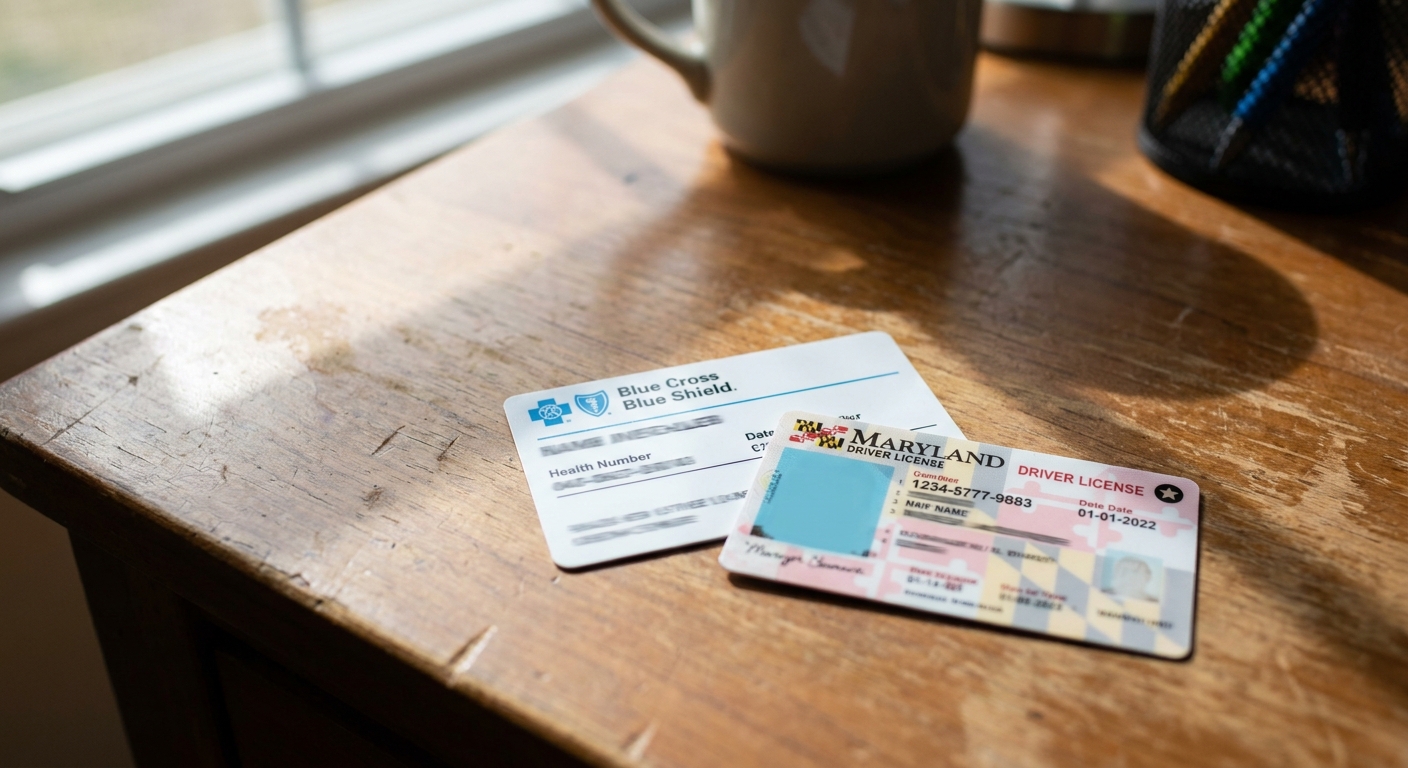
Most adults who are dependent on heroin, fentanyl, or prescription opioids qualify. Co-occurring conditions like anxiety, depression, or trauma do not disqualify you. In fact, integrated psychiatric care alongside MAT produces better outcomes than treating either condition in isolation. Bring a list of current medications, any prior treatment history, and your insurance card to a first appointment. That information moves the intake process faster.
How Maryland Covers the Cost
Maryland Medicaid (Maryland Medical Assistance) covers MAT, including office visits, medications, and associated counseling, under federal parity rules enforced through CMS guidance. Commercial insurance plans sold through Maryland Health Connection are required to cover substance use disorder treatment at the same level as other medical care. MD M.A.T.T. accepts Medicaid and all insurance plans, and the intake team confirms pharmacy pickup before you leave your first appointment. If coverage is unclear, call Maryland Health Connection at 1-855-642-8572 to verify benefits before your visit.
What the Treatment Process Looks Like
A 2019 NIDA-supported analysis found that patients receiving both medication and behavioral counseling had retention rates roughly double those receiving medication alone, with measurable reductions in illicit opioid use over 12 months. The combination works because medication stabilizes the body while counseling addresses the patterns and stressors underneath.
In practice, a typical week in active treatment includes a prescriber visit or check-in, medication pickup at a confirmed pharmacy, and a counseling session. How a structured MAT program unfolds week to week gives you a clearer picture of what to expect. When evaluating a program, confirm it includes both a prescriber and a counselor, not one or the other.
Finding MAT Providers Across Maryland
MD M.A.T.T. operates outpatient locations in Baltimore, College Park, Linthicum Heights, Nottingham, and Owings Mills, with same-day and next-day intake appointments available. Transportation is arranged through your insurance when needed. For a broader statewide search, SAMHSA’s treatment locator at findtreatment.gov lists licensed providers by zip code. Maryland also expanded telehealth MAT access significantly after 2020; the Maryland Department of Health reported a 300% increase in telehealth prescribing of buprenorphine between 2019 and 2021, meaning geography is no longer the barrier it once was.
The next step is straightforward: call to verify your insurance, confirm your preferred location, and book an intake appointment. More than 92% of new patients at MD M.A.T.T. stay in treatment. That number starts with a single call.