Opioid use disorder affects roughly 100,000 Marylanders in any given year, yet fewer than 20 percent receive medication-based treatment, according to the Maryland Behavioral Health Administration. Medication management in Maryland is the structured clinical process that closes that gap, and understanding how it works helps you make a faster, more confident decision about care.
What Medication Management Actually Means for Opioid Treatment
Medication management is not a single prescription handed across a desk. It is an ongoing clinical relationship where a licensed prescriber assesses your needs, starts you on an FDA-approved medication, monitors your response, and adjusts your care over time. The medication is one tool; the structured appointments and clinical oversight are what make the treatment effective.
Maryland Medicaid has expanded coverage specifically to reduce barriers to this kind of care. For people managing opioid use disorder, that means medication-assisted treatment (MAT) is a covered benefit, not a financial lottery. The state’s coverage policies are designed to put treatment within reach from your first call.
The Medications Used in Maryland Treatment Programs
A 2020 National Academy of Sciences review covering more than 40 clinical trials confirmed that FDA-approved medications for opioid use disorder reduce overdose deaths, lower illicit drug use, and improve treatment retention compared to no medication or behavioral treatment alone. Three medications carry that FDA approval: buprenorphine, methadone, and naltrexone. Each works differently in the body, and the right choice depends on where you are in your recovery right now.
Buprenorphine: The Office-Based Option
Buprenorphine is a partial opioid agonist. It activates the same receptors as heroin or fentanyl, but only partially, which means it relieves cravings and withdrawal without producing the same intensity of effect. Its ceiling effect also limits overdose risk compared to full agonists. Suboxone, the most widely prescribed formulation, combines buprenorphine with naloxone to deter misuse.
A 2018 study published in JAMA Psychiatry found that patients maintained on buprenorphine had significantly higher treatment retention at 12 months than those who received only detoxification. In Maryland, qualifying outpatient providers can prescribe buprenorphine directly, and telehealth prescribing is available. If distance or transportation is a barrier, starting care through a telehealth-enabled Maryland provider is a practical and clinically sound option.
Methadone and Naltrexone: When They’re the Right Fit
Methadone is a full opioid agonist dispensed daily at licensed opioid treatment programs (OTPs). It works well for patients with high physical dependence who need a longer stabilization period. Because it is dispensed at a clinic rather than prescribed for take-home use, it requires daily visits early in treatment, which matters for scheduling.
Naltrexone, including the monthly injectable form Vivitrol, is an opioid antagonist. It blocks opioid receptors entirely, so it only works after you have fully detoxed. A 2017 randomized trial published in The Lancet found that extended-release naltrexone and buprenorphine had comparable outcomes once patients successfully completed induction, but the induction barrier for naltrexone was higher. The practical takeaway: if you are still using, buprenorphine or methadone is the more immediate path; if you have already stopped and want a non-opioid option, naltrexone is worth discussing with a prescriber.
How the Process Works from First Appointment to Ongoing Care
Your first appointment is an intake assessment. A prescriber reviews your history, current use patterns, any medications you are already taking, and your overall health. From there, an induction plan is developed, either starting buprenorphine at an outpatient office or enrolling you in a methadone program.
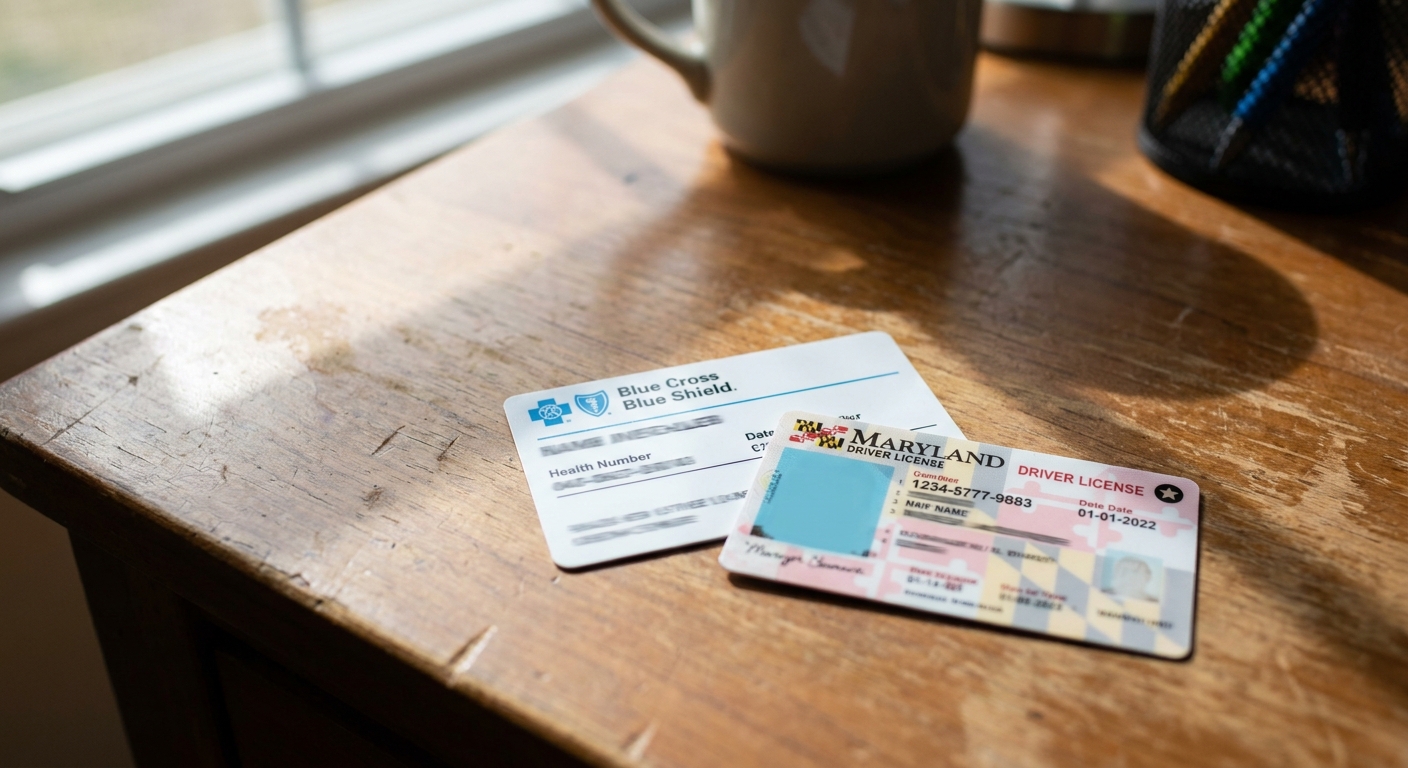
Follow-up appointments are not optional extras; they are how the treatment works. A 2019 study in Drug and Alcohol Dependence followed 1,200 patients across 12 buprenorphine programs and found that structured monthly follow-up reduced dropout rates by 34 percent compared to as-needed visits. Dose adjustments, refill authorization, and monitoring for side effects all happen in these appointments. When you arrive at your first visit, bring a photo ID, your insurance card, a list of any current medications, and an honest account of your recent use. That information helps the prescriber move quickly.
Insurance, Medicaid, and Cost in Maryland
Maryland Medicaid covers buprenorphine and related office visits with no prior authorization required, a policy that removes one of the most common administrative delays in starting treatment. Methadone dispensed at a licensed OTP is also a covered Medicaid benefit.
According to the Substance Abuse and Mental Health Services Administration (SAMHSA), cost and coverage uncertainty are among the top reasons people delay entering treatment. If you have Medicaid, commercial insurance, or no coverage at all, the right move is to call a Maryland MAT provider directly and ask three specific questions: whether they accept your plan, what your out-of-pocket cost per visit is, and whether a sliding fee scale is available for uninsured patients. Most Maryland MAT programs have experience navigating all three scenarios. For a broader look at what psychiatric services in Maryland typically involve, reviewing that alongside your insurance options helps set realistic expectations before your first call.
Co-Occurring Mental Health Conditions and Integrated Care
A 2021 national survey by SAMHSA found that 56 percent of adults with opioid use disorder also met criteria for a co-occurring mental health condition, most commonly depression, anxiety, or post-traumatic stress. Treating one without the other produces weaker outcomes for both.
Integrated care means your prescriber addresses both the addiction and the mental health condition in the same program, without referring you elsewhere and hoping the coordination happens. When the same clinical team manages your MAT alongside your mental health and addiction treatment, there is no gap between providers. Medication for depression or anxiety can be managed alongside your buprenorphine, and dosing decisions are made with the full picture in view. If you are managing a mood condition, a history of trauma, or persistent anxiety alongside opioid use disorder, ask any provider you contact directly whether they offer integrated behavioral health services under one roof, not as a referral. For people navigating both at once, co-occurring disorder treatment in Maryland is worth understanding before you choose a program.
What to Try This Week
Call a Maryland medication management provider tomorrow. You do not need a referral, a prior diagnosis, or a long personal history prepared. When someone answers, say this: “I am looking for medication-assisted treatment for opioid use disorder, and I want to know if you accept my insurance and how quickly I can be seen.” That sentence opens the door. Programs are available at outpatient offices, telehealth platforms, and clinic locations across Maryland, including Baltimore, College Park, Linthicum Heights, Nottingham, and Owings Mills. One call is the only thing standing between where you are now and a first appointment.