Monthly buprenorphine injection gives people with opioid use disorder a way to stay in treatment without managing a pill or film every single day. Over 500,000 people have been prescribed Sublocade since its approval, which tells you this is not a niche option. This article explains exactly how the monthly injection works, who it is for, what to expect from the process, and what the evidence says about outcomes.
What Is a Monthly Buprenorphine Injection
A monthly buprenorphine injection is a long-acting, subcutaneous formulation of buprenorphine administered once a month by a healthcare provider to treat opioid use disorder (OUD). Two FDA-approved branded versions exist: Sublocade, made by Indivior, and Brixadi, made by Braeburn. Both are given as an injection under the skin, not into a vein or muscle, and both release medication steadily over approximately 28 to 30 days. The result is a full month of medication coverage from a single in-office visit.
How It Differs from Daily Buprenorphine
Daily buprenorphine, whether as a sublingual film like Suboxone or a tablet, requires the patient to administer a dose every day, usually by placing it under the tongue and waiting for it to dissolve. Missing a dose, running out early, or struggling with consistency are real obstacles for many people in early recovery. The monthly injection eliminates all of that. Once administered by a provider, there is nothing to remember, nothing to keep track of, and nothing to store at home.
That shift matters beyond convenience. Daily sublingual buprenorphine carries diversion risk, meaning the medication can be transferred to someone else, whether intentionally or through theft. The injectable format removes that risk entirely because the medication is delivered inside the body at the appointment. For someone rebuilding structure in their life, removing the daily task of medication management can also reduce cognitive burden at a time when mental bandwidth is already stretched.
How the Medication Is Classified
Buprenorphine is a partial opioid agonist. In plain language: it activates the same receptors in the brain that heroin and fentanyl activate, but only partially. That partial activation is enough to eliminate withdrawal symptoms and blunt cravings, but it does not produce the full euphoric effect of a complete opioid. This is called the ceiling effect, and it is one of the reasons buprenorphine has a safer profile than full agonists.
Methadone, by contrast, is a full opioid agonist, meaning it activates those receptors completely. Naltrexone, the third major medication used in OUD treatment, works in the opposite direction entirely: it blocks opioid receptors rather than activating them. Buprenorphine sits between those two options, offering meaningful receptor activation that controls cravings without the overdose risk associated with full agonists.
How the Injection Works in the Body
The monthly injectable formulation works through a biodegradable polymer matrix. Think of it as a slow-dissolving capsule placed just under the skin. Sublocade uses a technology called ATRIGEL, in which the liquid formulation solidifies upon contact with tissue and forms a small depot. Brixadi uses a comparable polymer system. Over the following 28 to 30 days, the body gradually breaks down that depot, releasing buprenorphine into the bloodstream at a controlled rate.
What Happens at the Injection Site
The injection is administered into the abdomen, into the layer of fat just beneath the skin. Immediately after the injection, a small, firm lump forms under the skin. That lump is the depot, and it is supposed to be there. It is not a sign of a problem. Over the course of the month, the body absorbs and metabolizes the depot, and the lump gradually disappears. Some tenderness, redness, or itching at the site in the first few days is normal and typically resolves on its own.
The firmness of the depot also serves a safety function. If anyone attempts to extract and inject the depot material intravenously, the formulation solidifies rapidly in the bloodstream and creates a dangerous blockage. This is the basis of the FDA’s black box warning, and it is why the injectable format is strictly for subcutaneous administration only.
How Blood Levels Stay Stable
One of the most significant pharmacological advantages of the monthly injection is the stability of drug levels in the bloodstream. With daily sublingual dosing, levels peak shortly after administration and then drop through the day, creating a cycle of higher and lower coverage. A 2016 pharmacokinetic study published in Clinical Pharmacokinetics confirmed that subcutaneous buprenorphine delivered through a depot formulation maintains therapeutic plasma concentrations throughout the entire dosing interval, without the peaks and troughs associated with daily dosing.
What this means in practice: cravings driven by medication blood levels dropping at unpredictable times are largely eliminated. The brain receives consistent buprenorphine exposure, which supports a more stable neurological baseline throughout the month.
The Role of Prior Sublingual Stabilization
Before receiving the first injection, patients are required to stabilize on sublingual buprenorphine, typically for at least seven days. Stabilization means the patient is tolerating a consistent dose without breakthrough withdrawal symptoms or significant cravings. This step exists because injecting buprenorphine into someone who still has significant opioids in their system can trigger precipitated withdrawal, a sudden and severe onset of withdrawal symptoms caused by buprenorphine displacing the other opioids from the receptors.
Skipping this step is not a shortcut; it is a clinical risk. The stabilization window is also a useful period for the provider to confirm the right dose before committing to a full month of depot release.
Who the Monthly Injection Is Approved For
The FDA indication for subcutaneous buprenorphine is adults with moderate to severe opioid use disorder who have already initiated treatment with transmucosal buprenorphine. The strongest candidates are people who have demonstrated that buprenorphine works for them but find the daily dosing model difficult to sustain. That includes people managing unpredictable schedules, individuals whose home environments create risk for medication storage or diversion, and people who want to simplify their recovery routine after stabilizing on daily Suboxone.
Medicaid Coverage in Maryland
Maryland Medicaid covers both Sublocade and Brixadi for eligible members. Prior authorization requirements may apply depending on the plan, which means the provider will need to submit documentation confirming the diagnosis and treatment history before the pharmacy or specialty distributor releases the medication. The practical step here is to ask about insurance verification before the first appointment rather than after. Knowing coverage is confirmed in advance removes a significant source of uncertainty from the intake process.
If you are on a commercial plan or are currently uninsured, options still exist, and providers across Baltimore, College Park, Linthicum Heights, Nottingham, and Owings Mills can help identify the right pathway for your situation.
Who Should Not Receive the Injection
Patients with severe liver impairment are not candidates for the injectable formulation, because buprenorphine is metabolized in the liver and impaired function raises the risk of drug accumulation and toxicity. A known allergy or hypersensitivity to buprenorphine also rules out the injection. Patients who have not yet stabilized on sublingual buprenorphine should not receive the injection, as described above.
Pregnancy is another important consideration. Injectable buprenorphine is not approved for use during pregnancy. Sublingual buprenorphine remains the established standard of care for pregnant patients with OUD, and any provider prescribing buprenorphine in Maryland will discuss this clearly during the intake process.
The Treatment Process Step by Step
The path from first contact to a monthly injection involves a clear sequence of steps, and understanding each one in advance reduces anxiety about the process.
Starting Treatment: The Induction Phase
If you are coming to treatment currently using heroin, fentanyl, or prescription opioids, the first clinical step is induction on sublingual buprenorphine. For buprenorphine to be administered safely, you need to be in mild to moderate withdrawal at the time of the first dose, meaning the opioids are actively leaving your system. Attempting to start buprenorphine while still feeling the effects of other opioids creates the precipitated withdrawal risk described earlier.
The induction is typically managed over one to two days, with the dose adjusted until withdrawal symptoms are controlled. From there, the stabilization period begins, which runs at least seven days and often longer, until the provider confirms a consistent dose that manages symptoms effectively.
The First Injection Appointment
Once stabilized, the first injection appointment is straightforward. The provider reviews the stabilization period, confirms current medication tolerance, and administers the subcutaneous injection into the abdomen. A brief observation period follows to confirm there are no immediate reactions. The entire appointment typically takes under an hour. Some programs offer a same-day start for qualified patients, meaning the transition from sublingual to injectable can happen at the intake appointment itself if the clinical criteria are met.
For anyone researching what the appointment experience looks like in Maryland, it helps to know that the process is designed to be efficient, not intimidating.
Monthly Follow-Up Appointments
After the first injection, follow-up appointments happen once a month. Each appointment includes the injection itself, a clinical check-in covering how the past month went, and any necessary coordination with mental health treatment if you are also managing a co-occurring condition. Urine drug screening may be part of the program depending on the provider and your specific treatment plan. These monthly visits are also the natural opportunity to raise any concerns, adjust the treatment plan, or access additional support services.
How Effective Is the Monthly Injection
The evidence behind subcutaneous buprenorphine is strong. A 2019 Phase 3 trial published in the New England Journal of Medicine, led by Haight and colleagues and involving 504 patients, found that patients receiving subcutaneous buprenorphine were significantly more likely to achieve treatment success compared to placebo. Sublocade’s prescribing information summarizes this as patients being 14 times more likely to achieve treatment success, defined as no evidence of illicit opioid use across the treatment period based on urine drug screens and self-reported use.
That 14x figure is not marketing language. It comes from the controlled trial data comparing active treatment to placebo in a population with established OUD.
Retention in Treatment
A 2022 analysis published in Addiction examined retention rates among patients on depot buprenorphine versus daily sublingual buprenorphine and found significantly higher six-month retention in the depot group. This finding matters because retention in treatment is the single strongest predictor of recovery outcomes across every major study of OUD treatment. The longer someone stays in treatment, the better their long-term outcomes on every measured dimension, including employment, housing, relationships, and mortality risk.
Removing the daily dosing barrier directly supports retention. When the medication is already in your body for the month, there is no daily moment of decision, no running out, and no reason to miss a dose.
Reduction in Illicit Opioid Use
The clinical trials measured outcome using a combination of urine drug screens and self-reported use across the treatment period. Treatment success, in plain language, means no detected evidence of illicit opioid use throughout the study. Beyond abstinence rates, patients in the active treatment groups reported reduced cravings, clearer cognitive function, and greater day-to-day stability compared to baseline. Those functional improvements are what most people in treatment actually care about: the ability to think clearly, show up for family, maintain employment, and rebuild a life that felt lost.
Side Effects and What to Expect
Side effects are real, most are manageable, and knowing them before the first injection removes the element of surprise.
Common Side Effects
The most frequently reported side effects are localized to the injection site: pain, redness, itching, and the small firm lump described earlier. These are expected responses to a subcutaneous depot and typically resolve within a few days without treatment. Systemic side effects reported in clinical trials include constipation, headache, nausea, fatigue, and insomnia. None of these are unique to the injectable format; they are consistent with buprenorphine side effects seen across all delivery methods.
Less Common but Serious Side Effects
Liver enzyme elevation has been reported with buprenorphine use. This is worth monitoring, particularly in patients with pre-existing liver conditions. Signs to report immediately include yellowing of the skin or eyes, dark urine, or significant upper abdominal pain. Severe allergic reactions are rare but possible; symptoms include difficulty breathing, severe rash, or swelling of the face and throat.
The FDA black box warning about intravenous injection bears repeating here because it is a serious risk. The depot formulation is designed exclusively for subcutaneous use. Injecting the material intravenously causes it to solidify in the bloodstream, with potentially life-threatening consequences. The depot must not be manipulated, extracted, or shared.
Managing Side Effects in Practice
Staying well-hydrated through the month reduces constipation risk. Avoiding pressure or massage at the injection site for the first 24 hours reduces the severity of local reactions. For any side effect that persists or worsens, the right move is to contact your provider rather than waiting until the next scheduled appointment. Side effects are clinical information. Reporting them gives the provider data to work with, and in most cases, a dosage adjustment or supportive measure resolves the issue without stopping treatment.
Monthly Injection vs. Other Buprenorphine Formats
Patients in Maryland have access to three primary buprenorphine delivery formats: daily sublingual film or tablet, weekly injectable Brixadi, and monthly injectable Sublocade or Brixadi. Understanding the differences helps clarify which format fits a particular situation, though the final decision is always made with a provider.
Sublocade vs. Brixadi
Both Sublocade and Brixadi are subcutaneous buprenorphine depot formulations, but they differ in their polymer technology and available dosing options. Brixadi also offers a weekly injectable format in addition to a monthly one, which gives providers a stepping-stone option for patients who want to transition off daily dosing gradually before committing to a full month between injections. The choice between the two monthly formulations is primarily a clinical and formulary decision based on your provider’s assessment and what your insurance covers. It is not a self-selection decision.
For anyone trying to understand the range of extended-release options before their first appointment, the key distinction to hold onto is this: both are long-acting, both are subcutaneous, and both remove the daily dosing burden.
When Daily Sublingual Is Still the Right Choice
The monthly injection is not the right fit for every patient at every point in treatment. Some people genuinely prefer the sense of control that comes with daily dosing. Others are still in early induction and have not yet completed the stabilization period required before the first injection. Pregnant patients should remain on sublingual buprenorphine, which has an established safety profile in pregnancy that the injectable format does not.
There is also a segment of people who wonder about the connection between the monthly injection and the Suboxone-based treatment they started with, particularly when providers use the terms interchangeably. The monthly injection does not contain naloxone (the second ingredient in Suboxone); it is buprenorphine only, which is clinically appropriate for the subcutaneous route.
Buprenorphine Injection and Co-Occurring Mental Health Conditions
A significant portion of people seeking OUD treatment are also managing depression, anxiety, PTSD, or other mental health conditions. A 2021 study published in Drug and Alcohol Dependence examined integrated treatment models and found that combining OUD medication with mental health care produced significantly better outcomes than either intervention alone, with reductions in both substance use and psychiatric symptom severity.
The monthly injection creates a structural advantage here that daily dosing does not. Because the monthly appointment is a guaranteed clinical touchpoint, it becomes a natural anchor for coordinating behavioral health care. A provider who sees a patient once a month can track mental health status consistently, adjust referrals, and catch deterioration early. That monthly contact is not just a medication visit; it is a built-in opportunity to address the full picture of recovery.
If you are working through both OUD and a mental health condition and are looking for a program that handles the coordination for you, the monthly injection model makes that coordination structurally easier than a setup where the patient is responsible for managing multiple independent appointments.
Getting Started with the Monthly Injection in Maryland
The first step is contacting a licensed buprenorphine provider and confirming that the monthly injection is appropriate for your current situation. Maryland Medicaid covers the injection for eligible members, commercial plans vary by formulary, and uninsured pathways are available at qualifying programs. Provider locations across Baltimore, College Park, Linthicum Heights, Nottingham, and Owings Mills offer in-office injection services, and same-day starts are available for patients who meet the clinical criteria at intake.
If you are still in the early stage of figuring out how to locate qualified buprenorphine providers in Maryland, that process starts with a phone call, not a formal appointment.
What to Bring to the First Appointment
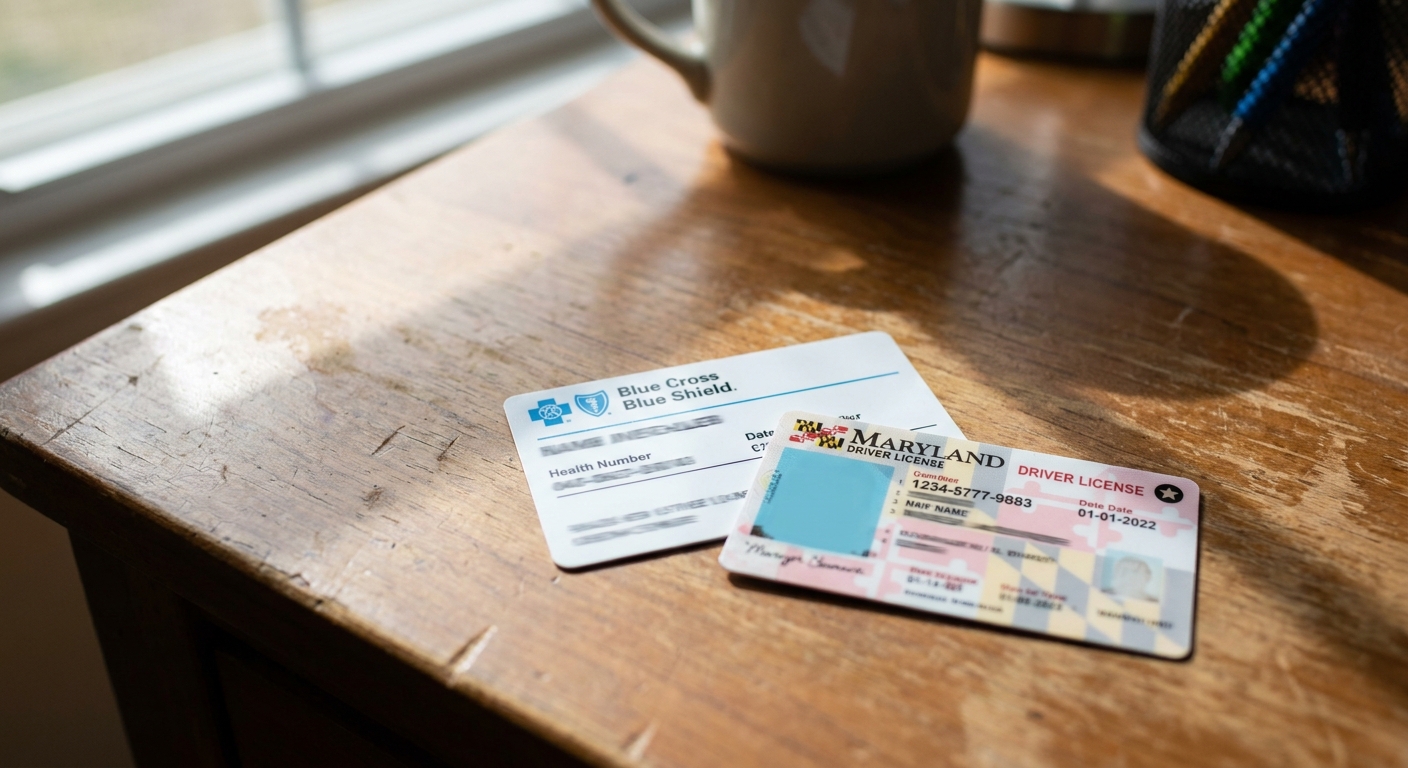
Coming prepared shortens the intake process and gets treatment started sooner. Bring your insurance card or Maryland Medicaid information. Bring a written list of all current medications, including any supplements or over-the-counter drugs, because several medications interact with buprenorphine. If you have prior treatment history, either a previous buprenorphine prescription or any prior detox or rehabilitation, let the provider know. Write down your questions in advance. Providers at intake appointments cover a lot of ground quickly, and having questions written down means you do not leave without the answers you came for.
The One Step That Matters Most Right Now
Call a Maryland buprenorphine provider this week and ask one question: is the monthly injection the right option for where you are in treatment right now? That call takes about ten minutes. It answers the most important practical questions (eligibility, insurance, timing) before any appointment is scheduled, and it moves the process forward faster than researching alone. If you are not sure where to find a qualified provider close to you, that ten-minute call is still the starting point, and the provider can help you figure out the rest.