Maryland has one of the highest rates of opioid overdose deaths in the country, and the path from dependence to stable recovery is clearer than many people realize. This guide walks through every major treatment option available to you in Maryland, from FDA-approved medications to levels of care and how to pay for it, so you can make a confident first move.
What Opioid Addiction Treatment in Maryland Actually Involves
Opioid use disorder (OUD) is a chronic medical condition in which the brain’s reward and stress systems become dysregulated by repeated opioid exposure, making it extremely difficult to stop without medical support. It is not a character flaw, and it responds to treatment. According to the Maryland Department of Health, opioids were involved in more than 2,400 overdose deaths in Maryland in 2022 alone, making it one of the most pressing public health crises in the state.
The good news is that treatment works. A 2020 analysis published in the New England Journal of Medicine found that patients who received medication-assisted treatment for OUD were significantly less likely to die from overdose and more likely to remain in recovery long-term compared to those who received no medication. What treatment actually involves in practice is a combination of FDA-approved medication to stabilize brain chemistry, behavioral support to address underlying patterns, and structured care that fits your daily life. This guide covers all of it.
Medication-Assisted Treatment: The Evidence-Based Starting Point
Medication-assisted treatment (MAT) is the medical standard of care for opioid use disorder, supported by decades of research and endorsed by SAMHSA, the CDC, and the American Society of Addiction Medicine. It combines FDA-approved medication with counseling and support services to address the full picture of dependence.
A 2019 study published in JAMA Psychiatry, analyzing data from more than 40,000 patients with OUD, found that buprenorphine and methadone reduced overdose mortality by 38% and 59% respectively compared to no medication. The plain-language takeaway: MAT keeps people alive and in treatment long enough for real recovery to take root.
Day to day, MAT looks like a regular prescription and a relationship with a provider who monitors your progress, adjusts your care as needed, and connects you with additional support. For most outpatient patients, it means taking medication daily and checking in with a prescriber on a regular schedule. Understanding how this program is structured helps you know exactly what to expect before your first appointment.
Buprenorphine (Suboxone)
Buprenorphine works by binding to the same opioid receptors in the brain that heroin and fentanyl target, but activating them partially rather than fully. This eliminates withdrawal symptoms and cravings without producing a euphoric high. It is dispensed as a sublingual film or tablet, often combined with naloxone under brand names like Suboxone.
The major advantage of buprenorphine over other MAT options is that it can be prescribed in an office setting, meaning you pick it up at a pharmacy rather than visiting a clinic every day. This matters enormously for people balancing work, childcare, or transportation challenges. If you are looking for buprenorphine treatment in Maryland, the most direct next step is calling a prescriber-led outpatient practice to confirm same-week availability.
Methadone Through Opioid Treatment Programs
Methadone is a full opioid agonist dispensed daily through federally licensed Opioid Treatment Programs (OTPs). Patients visit a clinic each morning to receive their dose under supervision, with take-home doses earned over time based on program guidelines. This level of structure suits patients who need close medical supervision, especially in early treatment.
SAMHSA maintains a searchable OTP directory at findtreatment.gov where you can locate licensed methadone programs by Maryland zip code. Multiple OTPs operate throughout the Baltimore metro area and across the state.
Naltrexone
Extended-release naltrexone, sold under the brand name Vivitrol, is a monthly injection that blocks opioid receptors entirely, preventing any opioid from producing an effect. It carries no dependence risk and requires no daily medication routine.
The right candidate for naltrexone is someone who has already completed detox and is fully opioid-free, typically for at least seven to ten days. Unlike buprenorphine and methadone, which can be started while opioids are still present in the system, naltrexone requires full clearance first. If you are still in active withdrawal or early stabilization, buprenorphine is the more likely starting point.
Levels of Care: Matching Treatment Intensity to Your Situation
Treatment intensity should match where you actually are, not a generalized standard. A 2018 study in the Journal of Substance Abuse Treatment, following 1,400 patients across multiple treatment settings, found that patients placed in care matched to their clinical severity had significantly better retention rates at six months than those under- or over-placed.
The continuum runs from medically managed inpatient withdrawal all the way to monthly prescriber check-ins. The honest framework for choosing: the more unstable your living situation, the more severe your physical dependence, and the more co-occurring conditions are present, the higher the level of care you need to start.
Inpatient and Residential Treatment
Residential treatment provides 24-hour medical supervision, structured daily programming, and an environment removed from the people and places connected to active use. It is the right starting point when dependence is severe, housing is unstable, or a previous outpatient attempt did not hold.
Ashley Treatment, located in Havre de Grace, Maryland, is one of the state’s well-established residential programs and offers a structured continuum from detox through residential care. For people who need that level of containment at the start, residential is not a step backward; it is the appropriate medical response to a high level of need.
Outpatient and Intensive Outpatient Programs
Outpatient programs (OP) and intensive outpatient programs (IOP) are the right fit when housing is stable, a support network exists, and the level of dependence does not require round-the-clock supervision. IOP typically involves group and individual sessions several times per week, while standard outpatient moves to once or twice a week as stability builds.
MD M.A.T.T. operates prescriber-led outpatient MAT across Maryland locations including Baltimore, College Park, Linthicum Heights, Nottingham, and Owings Mills. Same-day and next-day intake is available, and care is coordinated so that your pharmacy pickup is confirmed before you leave your first appointment.
Co-Occurring Mental Health Conditions: Why Treating Both Matters
A 2021 SAMHSA report found that more than 60% of adults with opioid use disorder also meet criteria for at least one co-occurring mental health condition, most commonly anxiety, depression, or PTSD. The mechanism driving this overlap is straightforward: opioids blunt emotional pain in the short term, which makes them especially reinforcing for people already carrying untreated psychological distress.
When mental health symptoms go unaddressed, they become the primary driver of relapse. Treating OUD without treating depression or trauma is like fixing one leg of a broken table. Prescriber-led care that integrates psychiatry addresses both simultaneously, which is the model that produces durable results. When evaluating any program, ask directly whether psychiatric evaluation is part of the intake process.
Paying for Opioid Addiction Treatment in Maryland
Cost is the barrier most people name first, and it deserves a direct answer. Maryland Medicaid, known as Maryland Medical Assistance, covers MAT medications including buprenorphine, associated prescriber visits, and behavioral health services. If you have Medicaid, your out-of-pocket cost for MAT is typically zero or very low.
Commercial insurance is required under the Mental Health Parity and Addiction Equity Act to cover substance use disorder treatment at the same level it covers other medical conditions. If your insurer denies a claim for MAT, that denial is appealable and frequently reversed.
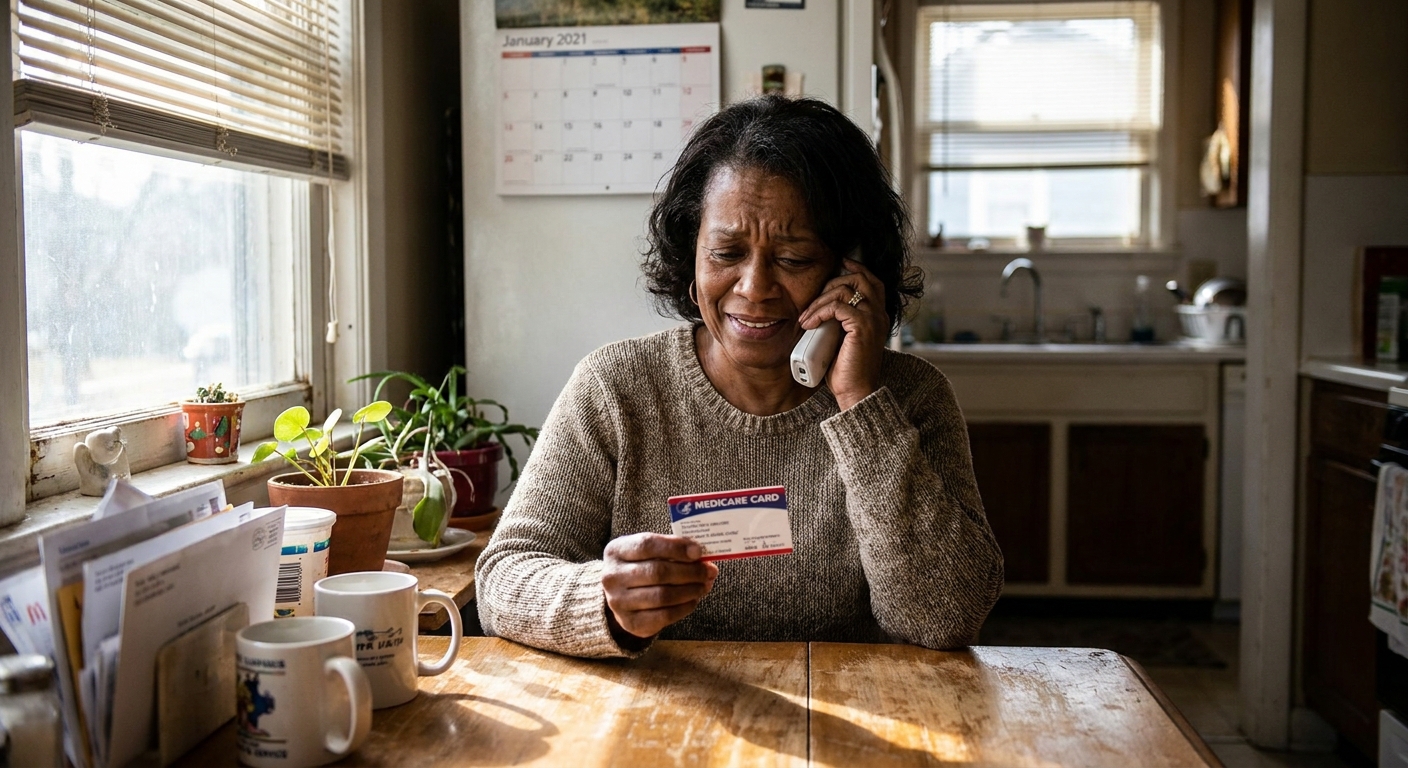
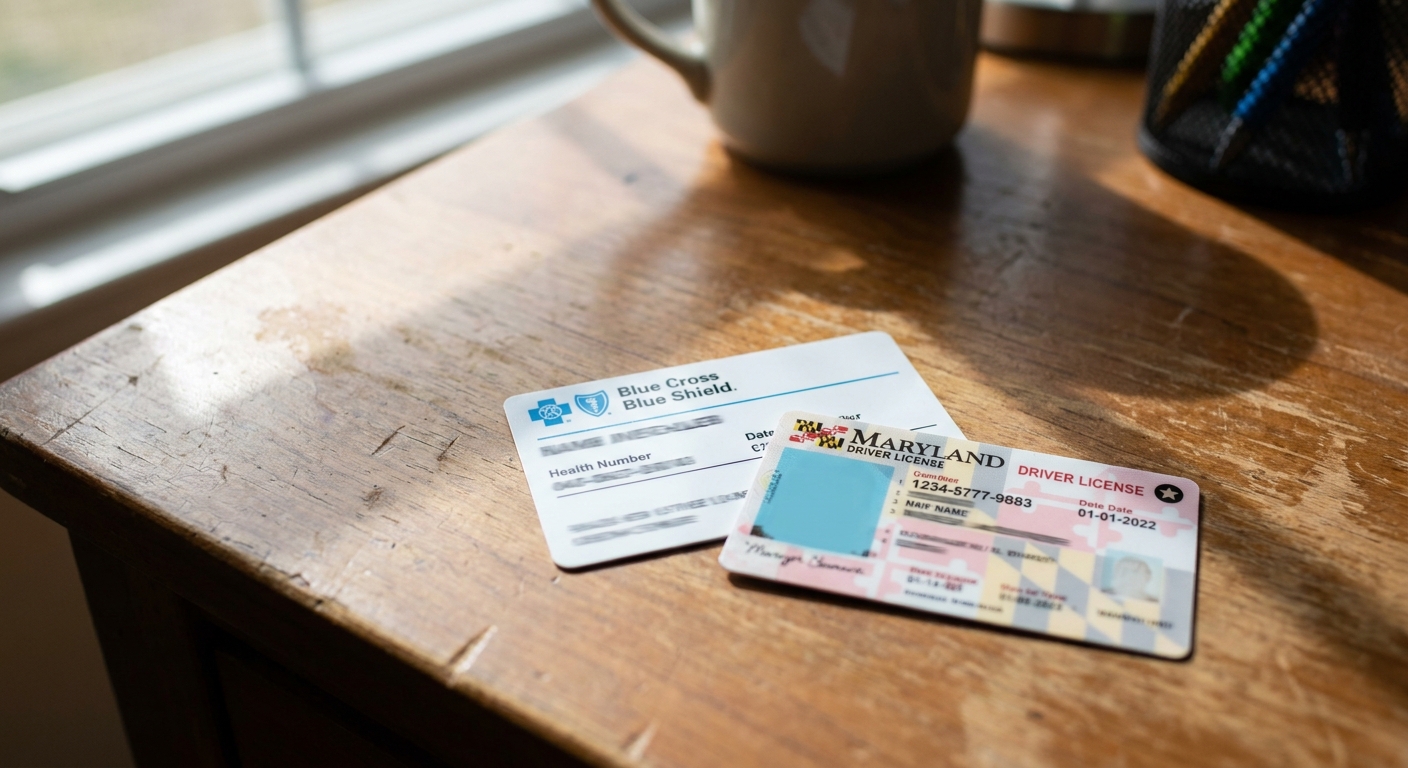
For patients without insurance, UMMS Financial Assistance programs and state-funded treatment slots through the Maryland Behavioral Health Administration provide coverage pathways. The first concrete action to take: call the treatment program before your appointment and ask them to verify your coverage directly. MD M.A.T.T. accepts Medicaid and all major insurance, and the intake team handles verification so you are not doing it alone.
What to Do This Week
Call to confirm your insurance is accepted and ask whether a same-week intake appointment is available. That one call is the entire first step. Programs like MD M.A.T.T. can confirm coverage, arrange pharmacy pickup, and coordinate transportation through your insurance on the same call. You do not need to have everything figured out before you reach out, and you do not need to show up prepared with answers. Showing up is enough.