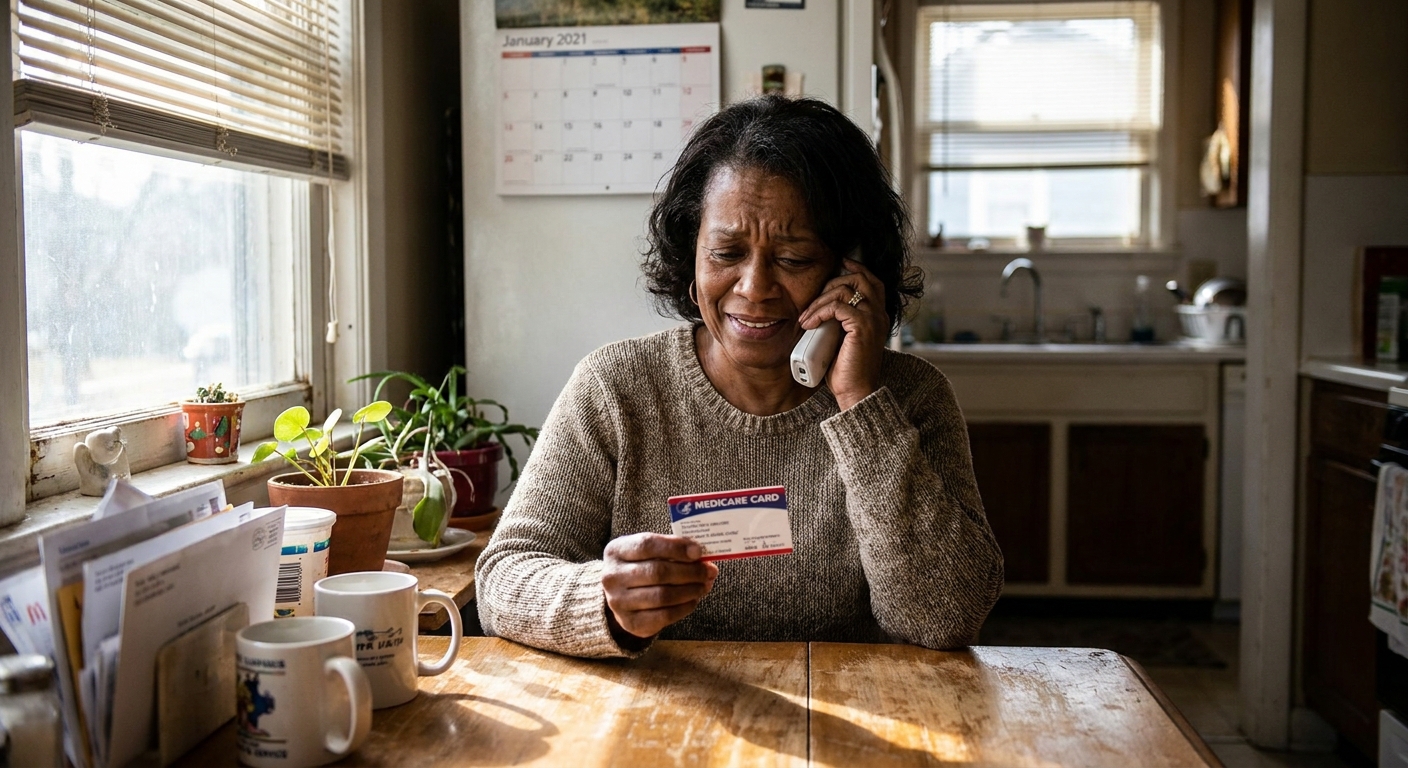
Maryland recorded 2,583 opioid-related overdose deaths in 2022, according to the Maryland Department of Health, making it one of the hardest-hit states in the country. If you’re looking for opioid dependence treatment in Maryland, whether for yourself or someone you love, this guide covers everything: how the medical system works, what medications are available, how to pay for care, and exactly what happens from your first call through long-term recovery.
Here’s what you’ll learn:
- What opioid dependence is at a physiological level and why medication works
- The three FDA-approved medications used in Maryland and how providers choose between them
- What your first appointment looks like, step by step
- How Maryland’s treatment settings work, including telehealth options
- How Medicaid, commercial insurance, and uninsured pathways all cover treatment
- How co-occurring mental health conditions are addressed
- What long-term recovery actually looks like in practice
What Opioid Dependence Treatment in Maryland Actually Looks Like
Maryland’s opioid crisis has been driven in recent years by fentanyl, which now appears in the majority of the state’s overdose deaths. But the people seeking treatment come from every background and every substance: heroin, illicit fentanyl, prescription painkillers taken longer than intended, or some combination. The treatment system doesn’t sort people by which opioid brought them here. It addresses the underlying condition.
That condition is opioid use disorder, and Maryland’s system is built around treating it medically. The full journey from first appointment to stable, long-term recovery takes time, but it is well-mapped. Clinics across Baltimore, College Park, Linthicum Heights, Nottingham, Owings Mills, and surrounding areas are equipped to start that process quickly, often within days or even the same week you call.
The Medical Reality of Opioid Dependence
Opioid dependence is not a character flaw or a failure of willpower. It is a physiological condition with a documented neurological basis. A 2022 study published in the New England Journal of Medicine described how repeated opioid exposure alters the brain’s mu-opioid receptors, downregulates dopamine signaling, and creates a state where the brain requires opioids to function normally. The system that regulates reward, motivation, and stress response gets restructured around the drug.
What this means in practice is that the person experiencing opioid dependence is not making bad choices from a place of normal brain function. The brain has adapted. Cravings, compulsive use, and the inability to stop without help are symptoms of that adaptation, not indicators of moral character. Maryland’s treatment infrastructure is organized around this understanding.
Why Willpower Alone Doesn’t Work
The National Institute on Drug Abuse has tracked relapse rates across multiple large-scale studies, consistently finding that relapse rates for opioid use disorder without medication run between 80 and 95 percent within the first year following abstinence-only treatment. The mechanism is straightforward: cravings are driven by neurochemical changes that willpower cannot override. Telling someone to simply stop using opioids is like telling someone with type 1 diabetes to simply produce more insulin.
The first call to make is to a medical provider, not a motivational program. Counseling and peer support matter, and you’ll hear more about both later in this guide, but they work best as a complement to medication, not as a substitute for it.
What Opioid Withdrawal Feels Like and Why It Stops People from Starting
A 2019 study in the Journal of Substance Abuse Treatment identified withdrawal symptoms as the single most commonly cited barrier to treatment entry among opioid-dependent adults. That finding holds up clinically. Withdrawal produces a predictable cluster of symptoms including intense muscle aches, severe anxiety and agitation, nausea, vomiting, diarrhea, sweating, insomnia, and an overwhelming sense of physical and psychological distress.
These symptoms are not dangerous to your life in the way alcohol withdrawal can be, but they are genuinely severe, and the fear of experiencing them keeps many people from taking the first step. What changes with medically managed treatment is the trajectory. Buprenorphine and methadone both suppress withdrawal symptoms and cravings when properly dosed, meaning the experience of starting treatment is fundamentally different from attempting to stop on your own. Knowing what to expect removes the fear that keeps people from calling.
Medication-Assisted Treatment: The Standard of Care in Maryland
Medication-assisted treatment, commonly called MAT, is not a controversial fringe approach. It is the evidence-based standard endorsed by SAMHSA, the American Society of Addiction Medicine, and the World Health Organization. The X:BOT trial (Extended-Release Naltrexone versus Buprenorphine for Opioid Treatment), published in The Lancet in 2018, compared outcomes across two major medications in a head-to-head randomized trial of 570 opioid-dependent participants and confirmed that both significantly outperformed non-medication approaches on every primary outcome. Maryland’s treatment landscape is organized around these three medications because the evidence base for them is the strongest in addiction medicine.
Buprenorphine and Suboxone: How They Work
Buprenorphine is a partial opioid agonist, meaning it activates the same brain receptors that other opioids do, but only partially. The effect is enough to eliminate withdrawal and cravings, but the ceiling on activation means it does not produce the intense high associated with heroin or fentanyl, and it does not cause dangerous respiratory depression at therapeutic doses. A 2022 study published in the New England Journal of Medicine found that patients retained on buprenorphine had a 38 percent lower overdose mortality rate compared to those not receiving medication.
Suboxone is the most commonly prescribed formulation: a combination of buprenorphine and naloxone. The naloxone is added as a deterrent to misuse. When Suboxone is taken as prescribed, sublingually (dissolved under the tongue), the naloxone has minimal effect because it is poorly absorbed that way. If someone attempts to inject it, the naloxone activates and blocks any opioid effect. The combination matters because it makes the medication more difficult to divert. When contacting any provider, ask directly whether they prescribe buprenorphine.
Methadone Treatment in Maryland
Methadone is a full opioid agonist, which means it activates opioid receptors fully rather than partially. For people with severe, long-term opioid dependence or those who have not responded well to buprenorphine, methadone often produces better outcomes. A 2020 study in JAMA Psychiatry tracking 17,000 patients over five years found that methadone treatment was associated with significantly higher long-term retention in treatment compared to no medication.
In Maryland, methadone for opioid use disorder is dispensed exclusively through licensed opioid treatment programs (OTPs), also called methadone clinics. Unlike buprenorphine, which a licensed provider can prescribe in an office setting, methadone requires in-person daily dosing at an OTP, at least initially. As you demonstrate stability, take-home doses become available. The daily structure of an OTP can actually be a useful support framework in the early weeks of treatment, even though it requires more time commitment than an outpatient buprenorphine clinic. The right fit between methadone and buprenorphine is something to discuss with a clinical provider based on your history and situation.
Naltrexone (Vivitrol): The Third Option
Naltrexone works differently from both buprenorphine and methadone. It is not an opioid at all. It is an opioid antagonist: a blocker that occupies opioid receptors and prevents any opioid from having an effect. Because it has no opioid activity of its own, it does not address withdrawal and cannot be started until opioids have fully cleared the system, typically seven to ten days after the last use.
The 2018 X:BOT trial referenced earlier found that naltrexone, administered as a monthly injection (Vivitrol), produced outcomes comparable to buprenorphine among patients who successfully completed the induction phase. The key phrase there is “who successfully completed induction.” Naltrexone is the right conversation to have with your provider if you have already completed medical detox and are fully opioid-free. For people who have not yet detoxed, buprenorphine or methadone is the more practical starting point.
How Maryland Providers Decide Which Medication Is Right for You
No provider hands you a medication without a conversation. The clinical decision-making process draws on the American Society of Addiction Medicine (ASAM) criteria, which evaluate six dimensions: withdrawal risk, medical conditions, psychological conditions, readiness to change, relapse potential, and recovery environment. Your provider will review your history with opioid use, including which substances and for how long, any prior treatment attempts, co-occurring physical or mental health conditions, current medications, and your living situation.
This is a collaborative process. You will be asked questions, and your answers shape the recommendation. The clinical goal is to match medication to the person, not to apply a single protocol to everyone. People managing fentanyl dependence, for example, often benefit from careful buprenorphine dosing under experienced oversight given fentanyl’s potency and its persistence in fatty tissue. People whose dependence developed from a legitimate prescription painkiller prescription face a different clinical picture, though the treatment pathway overlaps significantly. If you want to understand the full range of approaches for managing dependence on prescription opioids, the evidence points consistently toward the same MAT framework.
What to Expect at Your First Appointment
A 2021 study in Drug and Alcohol Dependence found that patients who received detailed pre-appointment information about what to expect were 34 percent more likely to complete their first visit. The first appointment feels less intimidating when you know what’s coming.
Expect to complete intake paperwork covering your health history, current medications, and insurance information. A clinician will review your opioid use history, including substances, frequency, and duration. You will provide a urine sample for a drug screen, which is standard and non-judgmental in this context: it gives providers the clinical information they need to prescribe safely. A basic physical assessment follows. Then comes the conversation about medication options and what starting treatment looks like for your specific situation.
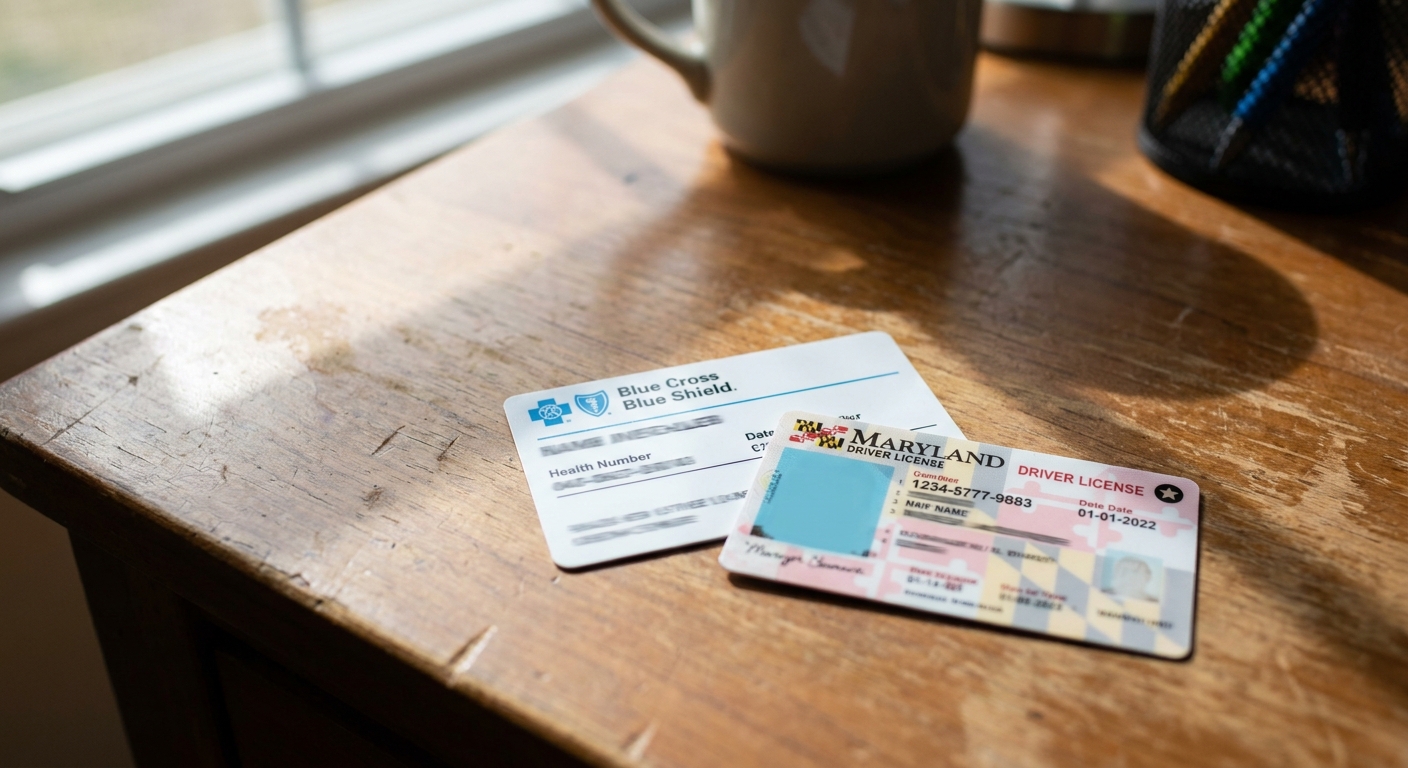
Bring a photo ID, your insurance card if you have one, and a list of any medications you currently take. When you call to schedule, say clearly that you are seeking treatment for opioid dependence and ask whether they offer same-day or next-day availability.
How Quickly You Can Start Medication
Many Maryland providers start medication on the same day as the initial appointment. SAMHSA’s low-barrier access guidance, updated in 2021, explicitly supports same-day buprenorphine induction as a strategy for improving treatment retention. A 2019 study in JAMA Internal Medicine found that patients who received same-day buprenorphine treatment were 37 percent more likely to remain in treatment at 30 days compared to those who had to wait even a few days.
Home induction protocols are also available through some Maryland providers, where you receive instructions and a prescription to begin buprenorphine at home under clinical guidance delivered by phone or video. Ask specifically about same-day starts and home induction when you call. These are not experimental programs; they are evidence-supported approaches that Maryland providers use routinely.
What Happens in the First 30 Days
The first thirty days are the stabilization phase. A 2020 study in Addiction tracked 1,800 patients on buprenorphine and found the first 30 days were the highest-risk period for dropout, with the majority of early discontinuations occurring in the first two weeks. What this means for you is that the first month requires the most active engagement: attending follow-up appointments, communicating openly with your provider about how you’re feeling, and allowing for dose adjustments.
“Stable” in clinical terms means your withdrawal symptoms are controlled, cravings are manageable, and you are not using additional opioids. Reaching stability sometimes takes more than one dose adjustment. That is expected, not a failure. In week one, focus on one thing: showing up to your follow-up appointment.
Maryland’s Treatment System: Your Options by Setting
According to data from Maryland’s Behavioral Health Administration, outpatient treatment serves the large majority of people receiving care for opioid use disorder in the state. The system includes outpatient MAT clinics, licensed opioid treatment programs (OTPs) for methadone, telehealth options, and inpatient or residential programs for more complex presentations.
Outpatient MAT Clinics Across Maryland
An outpatient MAT clinic is where most people with opioid dependence receive care. Week to week, this looks like scheduled office visits, urine screenings, prescription renewals, and often integrated counseling. The frequency of visits decreases as you stabilize: early in treatment, weekly visits are common; further along, monthly visits are typical for stable patients.
Maryland has outpatient MAT providers across the state, with clinics accessible from Baltimore and the surrounding metro area including College Park, Linthicum Heights, Nottingham, and Owings Mills. To find a provider in your area, SAMHSA’s treatment locator at findtreatment.gov allows you to search by zip code and filter for medication-assisted treatment. Enter your zip code, select “buprenorphine” or “methadone” depending on your preference, and call the first two or three results to ask about availability. Mention that you are looking for a same-week appointment.
Telehealth for Opioid Treatment in Maryland
Following the COVID-19 public health emergency, the DEA expanded telehealth prescribing authority for buprenorphine, allowing providers to initiate and maintain buprenorphine treatment entirely through video visits without an in-person evaluation. Maryland providers have widely adopted this model.
A 2022 study in JAMA Network Open analyzing outcomes for 30,000 patients found that those receiving buprenorphine via telehealth had comparable or better 180-day retention rates compared to in-person-only treatment. Telehealth removes two of the biggest barriers to care: transportation and stigma. You attend your appointments from home, pick up your prescription at a pharmacy, and receive the same clinical care as you would in person. For anyone whose access to heroin or fentanyl treatment programs has been limited by geography or privacy concerns, telehealth is a clinically legitimate and fully effective pathway.
When Inpatient or Residential Treatment Is the Right Call
Most people with opioid dependence do not need inpatient care. The ASAM criteria define the indicators for higher levels of care: severe co-occurring psychiatric disorders requiring 24-hour monitoring, unstable housing that makes outpatient treatment unsafe, significant polysubstance use that complicates outpatient management, or repeated outpatient attempts that have not produced stability. If any of those circumstances apply, a higher level of care is the right starting point, not a personal failing.
Ask your provider directly to conduct a level-of-care assessment at your first appointment. That assessment, based on the ASAM criteria, will tell you and your provider which setting makes the most clinical sense for your situation.
Paying for Treatment in Maryland
Cost is the most common reason people delay seeking treatment, and it is often based on misinformation. Maryland Medicaid covers MAT without prior authorization, meaning you can access treatment without jumping through bureaucratic hoops before your first appointment.
Maryland Medicaid and MAT Coverage
Maryland Medicaid, expanded under the Affordable Care Act to cover adults up to 138 percent of the federal poverty level, covers office visits, buprenorphine (including Suboxone), methadone dispensed through OTPs, naltrexone (including Vivitrol injections), counseling, and required lab work. A 2020 policy analysis by the Kaiser Family Foundation confirmed that Maryland eliminated prior authorization requirements for buprenorphine under Medicaid, one of the most significant access improvements the state has made in the past decade.
To check whether you qualify for Maryland Medicaid, visit marylandhealthconnection.gov or call 1-855-642-8572. If you are not currently enrolled and believe you qualify, you can apply and often receive a coverage determination within days. Do not wait until you have coverage confirmed to call a clinic; many providers will begin your intake process while your Medicaid application is pending.
Commercial Insurance and MAT
Federal parity law, specifically the Mental Health Parity and Addiction Equity Act, requires that commercial health insurance plans cover mental health and substance use disorder treatment at the same level they cover medical and surgical benefits. In practice, this means your commercial plan cannot impose stricter limits on MAT visits or medications than it does on comparable medical care.
Before your first appointment, call your insurance company and ask two specific questions: whether buprenorphine or naltrexone requires prior authorization under your plan, and whether the clinic you’re planning to visit is in-network. A 2021 CMS report found that prior authorization delays for MAT remained common despite parity law, so get answers before you assume coverage is seamless. If your plan requires prior authorization, most experienced MAT providers handle that process on your behalf.
Treatment Options If You Have No Insurance
No insurance is not a barrier to starting treatment in Maryland. Several pathways exist. Federally Qualified Health Centers (FQHCs) across Maryland offer MAT on a sliding-scale fee structure based on income, meaning the cost can be as low as zero. Maryland’s Behavioral Health Administration funds behavioral health services through local health departments, some of which provide MAT or can connect you to providers who do. Manufacturer patient assistance programs are available for brand-name naltrexone (Vivitrol) for patients who qualify based on income.
The Maryland Crisis Hotline (988, or 1-800-422-0009 for the local Maryland line) can connect you with a crisis counselor who can help identify treatment resources in your area. If you are looking for local opioid addiction resources in Maryland and are not sure where to start financially, calling that line or visiting your nearest FQHC are the two most direct paths.
Co-Occurring Mental Health Conditions and Opioid Treatment
SAMHSA’s 2022 National Survey on Drug Use and Health found that approximately 50 percent of adults with a substance use disorder also meet criteria for a co-occurring mental health condition. For opioid use disorder specifically, anxiety, depression, PTSD, and trauma histories are particularly common. Treating only the opioid dependence while leaving a co-occurring condition unaddressed produces worse outcomes. The evidence on this is consistent across multiple studies.
Integrated treatment, where both the opioid use disorder and the mental health condition are addressed simultaneously by a coordinated care team, produces significantly better outcomes than sequential treatment, where one condition is treated first and the other later. Maryland providers increasingly offer integrated care or maintain referral relationships that support it.
How Maryland Providers Screen and Treat Co-Occurring Conditions
At intake, most MAT clinics administer standardized screening tools for depression, anxiety, PTSD, and trauma history. If a co-occurring condition is identified, the clinical path branches: some clinics have behavioral health providers on staff who can provide integrated care; others will refer you to a mental health provider while continuing to manage your MAT.
It is worth understanding how the medications interact. Buprenorphine, by stabilizing opioid receptor activity, often reduces anxiety and improves sleep in the early weeks of treatment, which can make depression and anxiety symptoms easier to assess and treat. Ask your provider at intake directly: does this clinic offer integrated mental health care, or do you have a referral network for patients with co-occurring conditions?
Supporting a Family Member Through Treatment
If you are reading this guide for someone you love, your role matters more than you may realize. A 2014 study in Drug and Alcohol Dependence found that family involvement in the treatment process was associated with significantly higher 12-month retention rates compared to patients with no family support.
What falls within your control is different from what falls outside of it. You cannot force someone into treatment, and attempting to control every aspect of their recovery often backfires. What you can do is support their engagement with care, remove practical barriers like transportation, and maintain a stable home environment. The Community Reinforcement and Family Training (CRAFT) model is an evidence-based approach designed specifically for family members. It teaches communication strategies that increase the likelihood of a loved one entering and staying in treatment, without relying on confrontation or ultimatums. Ask the treatment provider directly about your role in the treatment process and whether they have resources for family members.
What Long-Term Recovery Looks Like in Maryland
Recovery from opioid use disorder is not a single event. NIDA has explicitly compared opioid use disorder to other chronic medical conditions like hypertension, diabetes, and asthma: conditions that are managed over years, with medication, monitoring, and lifestyle factors playing ongoing roles. A 2022 paper in the New England Journal of Medicine reinforced that framing, noting that the neurological changes associated with long-term opioid dependence take years to reverse, and that continued medication is clinically appropriate for as long as it supports functioning and prevents relapse.
This reframe matters because much of the social pressure on people in recovery pushes toward stopping medication as quickly as possible. That pressure is not clinically supported.
How Long You Stay on Medication
The most common question people have about MAT is how long it lasts. The honest answer is: as long as it is working and needed, which for many people is years. A 2019 study published in JAMA Psychiatry found that patients who discontinued buprenorphine within 18 months of starting had relapse rates of over 65 percent within a year of stopping, compared to significantly lower rates among those who continued medication.
Duration of treatment should be a conversation between you and your provider, driven by clinical indicators, not by external expectations about when it is time to stop. Do not taper your medication without a medical plan in place. The decision to reduce or discontinue medication should be made gradually, under supervision, and with a documented plan for what happens if cravings return. If you have specific concerns about what recovery from heroin or opioid dependence looks like over the long term, a conversation with your prescriber will give you clearer individual timelines.
Counseling, Peer Support, and Recovery Services in Maryland
Medication is the foundation of opioid use disorder treatment, but it works best in combination with counseling and peer support. Individual therapy, particularly cognitive behavioral therapy and motivational interviewing, helps you identify patterns, manage triggers, and build a life in which recovery is sustainable. Group therapy provides peer connection and accountability that many people find irreplaceable.
Maryland’s Behavioral Health Administration certifies Peer Recovery Specialists: people with lived experience of addiction and recovery who are trained to provide support, navigation assistance, and connection to community resources. Peer specialists are not therapists, but their lived experience often allows them to bridge gaps that clinical providers cannot. Ask your clinic whether they have a peer recovery specialist on staff. If they don’t, ask for a referral to one through the local health department.
Preventing and Responding to Relapse
A 2000 study by McLellan and colleagues, published in JAMA, established what the addiction medicine field has widely accepted since: relapse rates for opioid use disorder (40 to 60 percent over a lifetime) are comparable to those for hypertension and asthma. Relapse is a medical event in the course of a chronic condition, not a moral failure and not a signal that treatment has permanently failed.
If a relapse occurs, the action is immediate: return to care. You do not start over from the beginning, and you do not need to reach a new low before re-engaging. You contact your provider, resume or adjust medication, and continue. One practical consideration that deserves direct mention: after any period of reduced or no opioid use, tolerance drops significantly. That means the dose that was tolerable before is now capable of causing overdose. Keep naloxone (Narcan) on hand. It is available without a prescription at most Maryland pharmacies, and it reverses opioid overdose if administered in time. Save the Maryland crisis line (988) in your phone.
How to Start Treatment This Week
A 2021 study in Addiction Science and Clinical Practice found that every week of delayed treatment entry was associated with measurably worse 90-day outcomes, including higher relapse rates and lower treatment retention. Delay has a cost. The steps to starting are not complicated.
Open findtreatment.gov and enter your zip code. Filter for buprenorphine or methadone, depending on what you learned in this guide about which medication may be appropriate. Call the first two or three results. Tell the person who answers that you are seeking treatment for opioid dependence and ask about same-day or next-week availability. Ask whether they accept Medicaid, your insurance, or offer sliding-scale fees. Confirm what to bring to your first appointment.
If the first clinic you call doesn’t have availability this week, call the next one. Maryland’s system has grown substantially in capacity over the past five years, and same-week appointments are available across the state. If you are seeking care specifically for heroin dependence or if fentanyl is the primary substance you’re managing, the same MAT framework applies with some additional clinical considerations around dosing, and providers across Maryland are equipped to address both.
If navigating the system feels overwhelming, 988 connects you with a counselor who can help identify providers in your area. Maryland’s Behavioral Health Administration also maintains a statewide resource directory accessible through the Maryland Department of Health website.
The first step is a phone call. The treatment system is designed for exactly where you are right now.