More than 2 million Americans live with opioid use disorder, and fewer than 1 in 5 receive any form of evidence-based treatment. If you’re looking at an opioid use disorder treatment clinic for the first time, whether for yourself or someone you care about, this guide explains exactly what happens inside one, what to expect at every stage, and how to make a confident decision about where to start.
The Scale of the Problem and Why Clinics Exist
According to SAMHSA’s 2023 National Survey on Drug Use and Health, approximately 6.1 million people aged 12 and older met the diagnostic criteria for opioid use disorder in the past year. In Maryland specifically, the opioid crisis remains severe: the state has consistently ranked among the highest in the country for overdose mortality, with the Maryland Department of Health reporting more than 2,400 opioid-related deaths in 2022 alone.
An opioid use disorder clinic is a specialized outpatient medical setting focused on treating opioid dependence as a chronic health condition. That distinction matters. A general rehab facility or detox center manages acute withdrawal and crisis stabilization; an opioid use disorder clinic provides ongoing medical treatment using FDA-approved medications, behavioral health services, and long-term monitoring. Research published in The New England Journal of Medicine in 2016, drawing on data from over 40,000 patients, found that patients receiving medication-based treatment for opioid use disorder were significantly less likely to die from overdose compared to those who received no medication treatment at all. The evidence is not ambiguous: specialized treatment settings that offer medications produce better outcomes because they treat the neurological roots of the condition, not just the behavior.
Opioid use disorder is a medical condition involving changes to brain chemistry that affect decision-making, impulse control, and the experience of reward. A clinic that understands this does not ask you to just try harder. It gives you tools that work at the physiological level.
Your First Appointment: What Actually Happens
A 2019 study published in Drug and Alcohol Dependence, analyzing data from 5,400 patients entering opioid use disorder treatment, found that patients who received a clear orientation to the intake process were significantly more likely to remain in treatment after the first 30 days. Knowing what’s coming reduces the anxiety that drives early dropout.
At your first appointment, a clinician conducts a structured intake assessment. This typically includes a review of your substance use history, a medical history, and a mental health screening. Validated tools like the Drug Abuse Screening Test (DAST) and the AUDIT (Alcohol Use Disorders Identification Test) are commonly used alongside direct clinical interviews. You’ll be asked about what substances you’ve used, how often, and for how long. You’ll also be asked about prior treatment experiences, current medications, and any mental health symptoms you’ve noticed.
The process takes time, usually one to two hours for a thorough intake. That’s not inefficiency; it’s the clinician building an accurate picture of your situation so the treatment plan fits your actual needs from day one.
What to Bring and How to Prepare
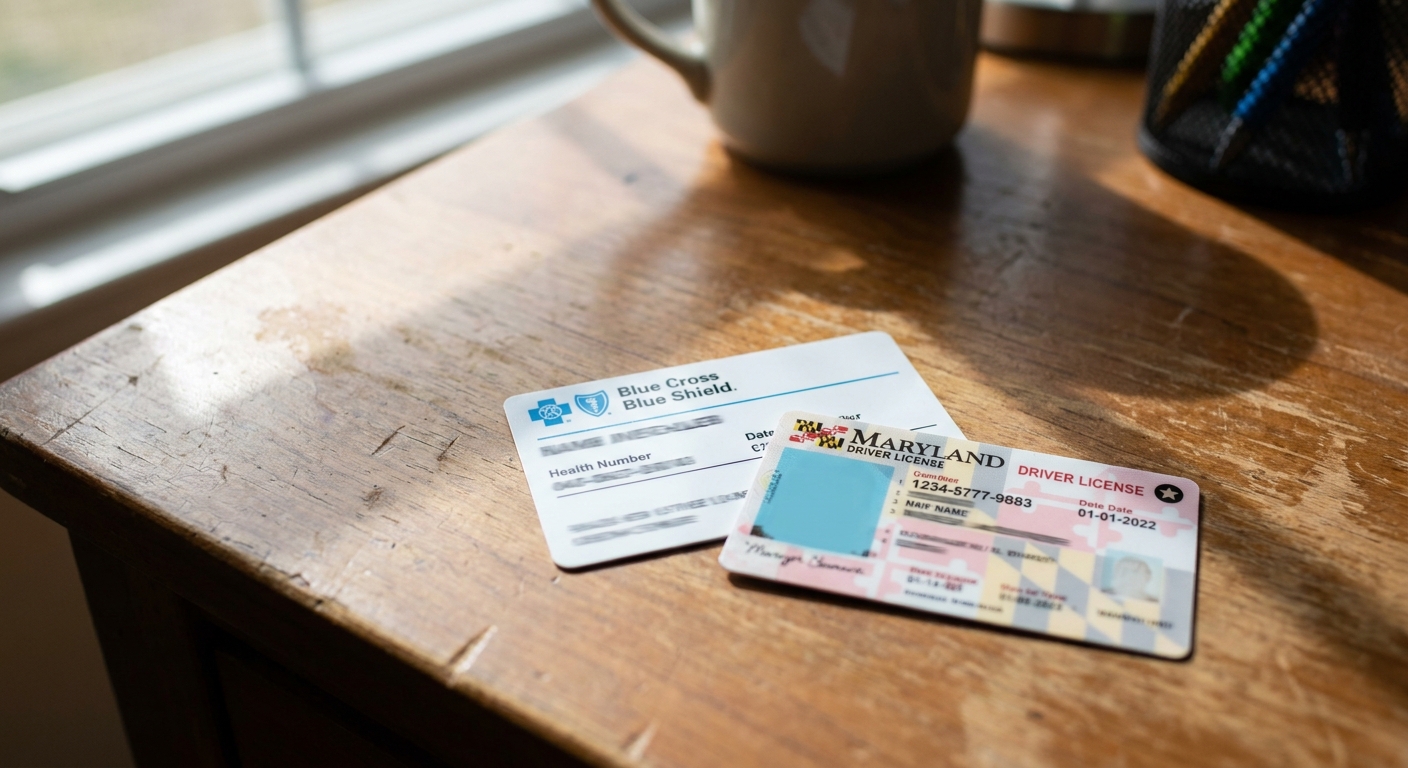
Bring your insurance card, a photo ID, and a list of any medications you currently take, including over-the-counter drugs and supplements. If you have records from prior treatment, bring those too. Your mental health history is relevant even if it feels separate from your substance use, because many clinics integrate psychiatric care and will want to know about any diagnoses, hospitalizations, or current prescriptions for anxiety, depression, or sleep. If transportation is a barrier, know that many insurance plans, including Maryland Medicaid, cover rides to medical appointments. Confirm this when you call to schedule.
Gather these items before your appointment. It sounds like a small thing, but arriving prepared means the clinician spends the intake session understanding your situation rather than tracking down basic information.
How Your Diagnosis Is Made
The DSM-5 defines opioid use disorder along a severity spectrum: mild (2 to 3 criteria met), moderate (4 to 5 criteria met), and severe (6 or more criteria met). The criteria include things like using more than intended, persistent desire to cut down, cravings, continued use despite negative consequences, and withdrawal symptoms. You don’t need to memorize the list. Your job is to answer honestly; the diagnosis is the clinician’s responsibility.
SAMHSA’s data consistently shows that opioid use disorder is underdiagnosed, particularly in primary care settings where clinicians lack the time or training to conduct thorough assessments. Specialized clinics exist precisely to close that gap.
Medications Used in Opioid Use Disorder Treatment
Medications for opioid use disorder (MOUD) are the standard of care, not a last resort. A landmark study published in JAMA Psychiatry in 2019, analyzing claims data from more than 40,000 Medicaid enrollees with opioid use disorder, found that patients receiving buprenorphine or methadone had significantly lower overdose mortality rates compared to those who received no medication treatment. The evidence base here is extensive and consistent.
Three medications are FDA-approved for treating opioid use disorder: buprenorphine, methadone, and naltrexone. Each works differently and suits different patients depending on their history, living situation, and level of dependence. Understanding what distinguishes them helps you ask better questions at your first appointment. For a fuller overview of how these treatments work together, reviewing how MAT programs are structured gives useful context before your intake.
Buprenorphine (Including Suboxone)
Buprenorphine is a partial opioid agonist. In plain English, it activates the same brain receptors that opioids do, but only partially, which means it reduces cravings and prevents withdrawal without producing the intense euphoric effect of drugs like heroin or oxycodone. It also has a ceiling effect: above a certain dose, taking more doesn’t increase the effect, which meaningfully reduces overdose risk.
Suboxone combines buprenorphine with naloxone, an opioid antagonist added specifically to deter misuse. A 2020 study published in JAMA Internal Medicine, following 2,000 patients over 18 months, found that buprenorphine treatment was associated with a 76% reduction in opioid-related emergency department visits.
Buprenorphine can be prescribed in office-based outpatient settings, which is a significant access advantage over methadone. At your first medication visit, ask the prescriber what form of buprenorphine makes the most sense for you, how the dosing process works during the induction phase, and what to expect in the first few days.
Methadone
Methadone is a full opioid agonist with a long half-life, meaning it stays active in the body for an extended period and prevents withdrawal symptoms without producing the peaks and valleys associated with shorter-acting opioids. Because of federal regulations, methadone for opioid use disorder must be dispensed through licensed opioid treatment programs (OTPs), not standard pharmacies or outpatient clinics.
This means daily visits to a clinic, at least initially, which is a real logistical commitment. A comparative study published in The Lancet in 1994, still one of the most cited in this field, confirmed that methadone maintenance significantly reduced illicit opioid use and improved social functioning. Methadone tends to work best for people with severe dependence, longer histories of use, or those who haven’t responded to buprenorphine. Maryland has licensed OTP sites in several metro areas, including Baltimore.
Naltrexone (Vivitrol)
Naltrexone works differently from both buprenorphine and methadone. It’s an opioid antagonist, meaning it blocks opioid receptors rather than activating them. If you use an opioid while on naltrexone, you won’t feel the effect. The injectable extended-release form, sold as Vivitrol, lasts approximately 28 days per dose, which addresses the adherence problems common with daily oral medication.
The catch is the prerequisite: you must be fully detoxed from opioids before starting naltrexone, typically seven to ten days for short-acting opioids and longer for longer-acting ones. A 2011 randomized trial published in The Lancet found that extended-release injectable naltrexone reduced relapse rates in opioid-dependent patients who completed detox. At your first appointment, ask specifically about the detox timeline required before naltrexone becomes an option, and what support is available during that period.
Counseling and Behavioral Health Services
Medication addresses the neurological dimension of opioid use disorder. Counseling addresses the psychological and behavioral patterns that develop alongside it. SAMHSA’s Treatment Improvement Protocol 63, drawing on a broad research base, concludes that combined medication and behavioral health treatment produces better long-term outcomes than either approach alone. The most effective clinics don’t separate these two components; they deliver them together.
In practice, behavioral health services at an opioid use disorder clinic include individual therapy, group counseling, and in integrated settings, psychiatric care. The modalities most commonly used are cognitive behavioral therapy (CBT), which helps you identify and change thought patterns that drive substance use, and motivational interviewing, a collaborative approach that strengthens your own reasons and readiness for change.
Individual Therapy
One-on-one sessions with a therapist typically occur weekly or biweekly, depending on where you are in treatment. Early in treatment, individual therapy focuses on stabilization: building coping skills, reducing triggers, and addressing immediate stressors. Over time, the work often shifts toward deeper issues.
Co-occurring mental health conditions are common in this population. A 2014 study from the National Comorbidity Survey found that individuals with substance use disorders are twice as likely to have a mood or anxiety disorder compared to the general population. Trauma history is also highly prevalent. A clinician in individual therapy can address opioid use and depression, anxiety, or PTSD simultaneously, which is more effective than treating them in sequence.
Group Counseling and Peer Support
Group therapy provides something individual therapy can’t: the direct experience of other people navigating the same challenges. A 2018 study published in the Journal of Substance Abuse Treatment, following 1,200 patients across 14 clinics, found that participation in group counseling was independently associated with longer treatment retention. The social reinforcement matters.
Many people feel resistance to group settings initially. The concern about stigma or being seen is real. But clinical group therapy in an opioid use disorder clinic is structured, facilitated by a trained therapist, and focused on skill-building rather than public confession. Peer support programs like SMART Recovery operate on a similar model. Both are worth considering alongside individual therapy, not instead of it.
Treatment for Co-Occurring Mental Health Conditions
SAMHSA’s 2022 National Survey on Drug Use and Health found that among adults with opioid use disorder, approximately 50% also met criteria for a co-occurring mental health condition such as depression, PTSD, or an anxiety disorder. That overlap isn’t coincidental. Chronic pain, trauma, and untreated mental illness are common pathways into opioid dependence, and they don’t resolve on their own once medication is started.
Integrated care, where the same clinical team addresses both opioid use disorder and mental health simultaneously, produces measurably better outcomes than sequential care, where one condition is treated first and the other addressed later. Research published in Psychiatric Services in 2006, reviewing outcomes across 34 studies, found that integrated treatment programs achieved higher rates of both substance use reduction and mental health symptom improvement compared to parallel or sequential models. When evaluating a clinic, ask whether psychiatric services are embedded in the care team or whether mental health treatment requires a separate referral to a different provider.
How Long Treatment Actually Takes
One of the most persistent misconceptions about opioid use disorder treatment is that it should resolve in 30 or 90 days. It doesn’t. A 2014 study published in JAMA Psychiatry, following 1,267 patients after opioid use disorder treatment, found that stopping medication in the first two years was associated with high rates of relapse and overdose, even in patients who felt stable. The research is consistent: long-term medication maintenance is protective, and early discontinuation is risky.
Clinically, “stable” means your cravings are manageable, you’re not using illicit opioids, and your functioning in daily life has improved. Getting there takes time, and the definition of the care plan shifts as you progress. Early treatment typically involves more frequent clinic visits and more intensive monitoring. As stability builds, visits become less frequent and the focus moves to maintaining gains and building long-term supports. Some people remain on medication for years. That’s not failure; it’s appropriate management of a chronic condition, the same way someone with hypertension stays on medication long-term.
Insurance, Medicaid, and Cost
Maryland Medicaid covers all three FDA-approved medications for opioid use disorder, including buprenorphine, methadone (through licensed OTPs), and naltrexone. The federal Mental Health Parity and Addiction Equity Act requires that insurance plans cover substance use disorder treatment at the same level as other medical conditions, which means you have legal protections against arbitrary coverage denials.
In practice, “covered” can still mean navigating prior authorization requirements, confirming which pharmacies in your network stock the medication, and understanding any copays that apply. When you call to schedule your first appointment, ask the clinic directly whether they accept your insurance, whether they can help confirm your pharmacy pickup before your first visit, and what happens if a prior authorization is needed. Knowing what MAT coverage looks like in Maryland before you call saves time and removes uncertainty from the first conversation.
If you have no insurance, ask about sliding-scale fees and state-funded programs. Lack of insurance is not a reason to delay calling.
What Happens If You Relapse
NIDA data shows that relapse rates for opioid use disorder range from 40% to 60%, comparable to relapse rates for other chronic medical conditions like hypertension (50% to 70%) and asthma (50% to 70%). This comparison is not rhetorical. It reflects the fact that opioid use disorder involves the same kind of chronic, relapsing course as other complex health conditions, and that a return to use does not erase prior progress.
Inside a clinic, a relapse is clinical information, not a moral failure. It tells the care team something about what isn’t working yet: the medication dose, the level of counseling support, the presence of untreated mental health symptoms, or environmental stressors. The appropriate response is to reassess, not to discharge. Depending on the circumstances, the clinic may adjust the medication, increase counseling frequency, or recommend a higher level of care such as intensive outpatient programming. The conversation you have with your clinician after a relapse is one of the more important ones in your treatment.
How to Choose the Right Clinic
The practical criteria that actually predict good outcomes are straightforward. First, confirm that the clinic offers MOUD, specifically that a licensed prescriber is on staff and that medication treatment is central to the model, not an afterthought. A 2020 study published in Health Affairs, analyzing access barriers across 18 states, found that distance and wait times were among the strongest predictors of treatment non-initiation: clinics that offered same-day or next-day intake saw meaningfully higher engagement rates. So ask directly how quickly you can be seen.
Second, ask whether behavioral health services are integrated or referred out. Third, confirm Medicaid acceptance and clarify the insurance verification process before your appointment. Fourth, if telehealth matters to you given your location or schedule, ask whether any visits can be conducted remotely. Maryland has expanded telehealth access for MAT in recent years, and many clinics now offer hybrid models.
When you call a clinic, these are the questions worth asking: Do you accept my insurance? How soon can I be seen for an intake? Do you have a prescriber on staff? Do you offer counseling on-site? If you’re comparing options across Maryland, evaluating what a clinic offers beyond just medication gives you a practical framework for making that comparison.
A clinic that makes this process easy to start is telling you something important about how it operates. Coordination matters: a clinic that confirms your pharmacy pickup before you leave your first appointment, or helps arrange transportation through your insurance, is one that takes access seriously. Finding prescriber-led care specifically, where a licensed physician manages your medication as the central clinical decision-maker, is worth prioritizing when you’re making that call.
What to Try This Week
Call one clinic. Confirm they accept your insurance, and ask about the first available intake appointment. That is the entire job this week. You don’t need to have everything figured out before that call. You don’t need to be certain about which medication is right or how long treatment will take. The intake appointment exists precisely so a clinician can help you answer those questions. Make the call, confirm you can be seen, and show up.