Maryland recorded 2,511 drug- and alcohol-related intoxication deaths in 2022, according to the Maryland Department of Health, with illicit opioids driving the overwhelming majority of those losses. If you’re looking into painkiller addiction treatment in Maryland, that number matters because it tells you the stakes are real and the need for medical care is urgent. This guide walks through what treatment actually looks like, how to pay for it, and what to do today.
What Painkiller Addiction Looks Like in Maryland Right Now
The Maryland Department of Health’s 2022 annual report on drug- and alcohol-related intoxication deaths found that fentanyl was present in approximately 93% of all opioid-involved fatalities statewide. That figure holds across Baltimore, College Park, Owings Mills, and every county in between. Prescription painkillers, heroin, and fentanyl are all part of the same crisis, and the geography of it is statewide, not concentrated in one zip code or one demographic.
What this means in practice: the opioid driving most overdose deaths today is not the one many people imagine. Fentanyl is roughly 100 times more potent than morphine, and it has displaced heroin in the street supply almost entirely. If you or someone you care about is using any opioid, the risk profile has changed significantly in the past five years. Treatment exists for all of it, and the evidence base for that treatment is strong.
Why Painkiller Addiction Is a Medical Condition, Not a Willpower Problem
A 2022 study published by the National Institute on Drug Abuse, drawing on neuroimaging data from over 1,000 participants, confirmed that repeated opioid exposure measurably alters the brain’s dopamine reward circuitry. The prefrontal cortex, the region responsible for long-term decision-making and impulse control, shows reduced activity in people with opioid use disorder. That’s not a metaphor. It’s a structural change that shows up on a scan.
What this means in practice: cravings are not weakness. They are a predictable output of a brain that has been pharmacologically reorganized. Understanding this changes the entire framing of how you approach getting help. Painkiller dependence often begins with a legitimate prescription for pain, and the transition from physical dependence to opioid use disorder happens on a continuum that has nothing to do with moral character.
The concrete action here is simple: stop treating this as a personal failure and start treating it as a condition that responds to medical care, because the research is unambiguous that it does.
The Treatment Options Available to You in Maryland
A 2020 SAMHSA report on treatment utilization found that only 18% of people who needed substance use disorder treatment in any given year received it. The most common reasons cited were cost, not knowing where to go, and believing the problem wasn’t serious enough. Knowing the landscape of options removes two of those three barriers.
Medication-Assisted Treatment (MAT) With Buprenorphine or Methadone
A 2019 Johns Hopkins Bloomberg School of Public Health analysis found that medication-assisted treatment reduced opioid overdose mortality by 38% compared to behavioral treatment alone. Buprenorphine works by binding to the same opioid receptors that heroin or fentanyl activate, but it activates them only partially, which eliminates withdrawal and blunts cravings without producing a full euphoric effect. Methadone works through a different mechanism but accomplishes a similar outcome.
For people dealing with fentanyl specifically, experienced prescriber oversight matters more than it did with earlier opioids, because fentanyl’s potency and half-life create a more complex withdrawal picture. MAT is the most evidence-supported starting point for most people. Ask a provider directly whether buprenorphine is appropriate for your situation before ruling it out based on assumptions. You can also read more about how medication-based recovery works for prescription opioids if you want a deeper look at the clinical picture.
Outpatient and Intensive Outpatient Programs (IOP)
A 2021 study published in the Journal of Substance Abuse Treatment, tracking 612 adults with opioid use disorder over 12 months, found that IOP completion rates were strongly predicted by stable housing and low household conflict. IOP typically runs three to four days per week, three hours per session, and combines group therapy, individual counseling, and medication management.
Outpatient works when the home environment is stable and not a trigger. The practical step here is honest: assess whether your current living situation supports recovery before choosing a level of care. If it doesn’t, a higher level of care is the right starting point, not a sign of severity.
Partial Hospitalization and Inpatient Programs
Research from SAMHSA’s Treatment Episode Data Set consistently shows that people with co-occurring mental health conditions and prior treatment episodes have better long-term outcomes when they begin at a higher level of care rather than stepping up after an outpatient setback. Partial hospitalization programs (PHP) offer structured daytime treatment without overnight stays. Inpatient programs provide 24-hour clinical supervision and are the right placement when medical stabilization or a highly destabilizing home environment makes outpatient unsafe.
If previous outpatient attempts haven’t held, a PHP or inpatient level of care is the logical next move. That’s not a step backward. It’s a clinical decision based on what the data from your prior treatment attempts actually shows.
Dual Diagnosis Treatment for Co-Occurring Mental Health Conditions
A 2020 SAMHSA report found that 9.5 million adults in the United States experienced both a substance use disorder and a mental health condition in the prior year. Among people with opioid use disorder specifically, anxiety, depression, and trauma histories are the rule, not the exception. Treating the addiction without addressing the underlying mental health condition produces reliably worse outcomes.
When calling any treatment provider, ask directly whether they treat co-occurring conditions. Not every program does, and the difference matters. Finding a program that handles both opioid dependence and mental health together is worth the extra question during intake.
How to Pay for Treatment in Maryland
The Maryland Insurance Administration reports that mental health and substance use disorder parity requirements apply to all fully insured plans in the state, meaning insurers cannot impose more restrictive coverage rules on addiction treatment than they do on medical or surgical care. Cost is a real barrier, and naming it plainly is the starting point for solving it.
Medicaid Coverage for Opioid Use Disorder
CMS data from 2022 shows that Medicaid is now the single largest payer for substance use disorder treatment in the United States, covering more than 40% of all treatment admissions nationally. Maryland Medicaid covers MAT, outpatient, IOP, partial hospitalization, and inpatient levels of care. If you’re uninsured or underinsured, call a treatment center’s intake line this week and ask specifically about Medicaid eligibility. That conversation costs nothing and takes fifteen minutes.
Commercial Insurance and What to Ask Your Provider
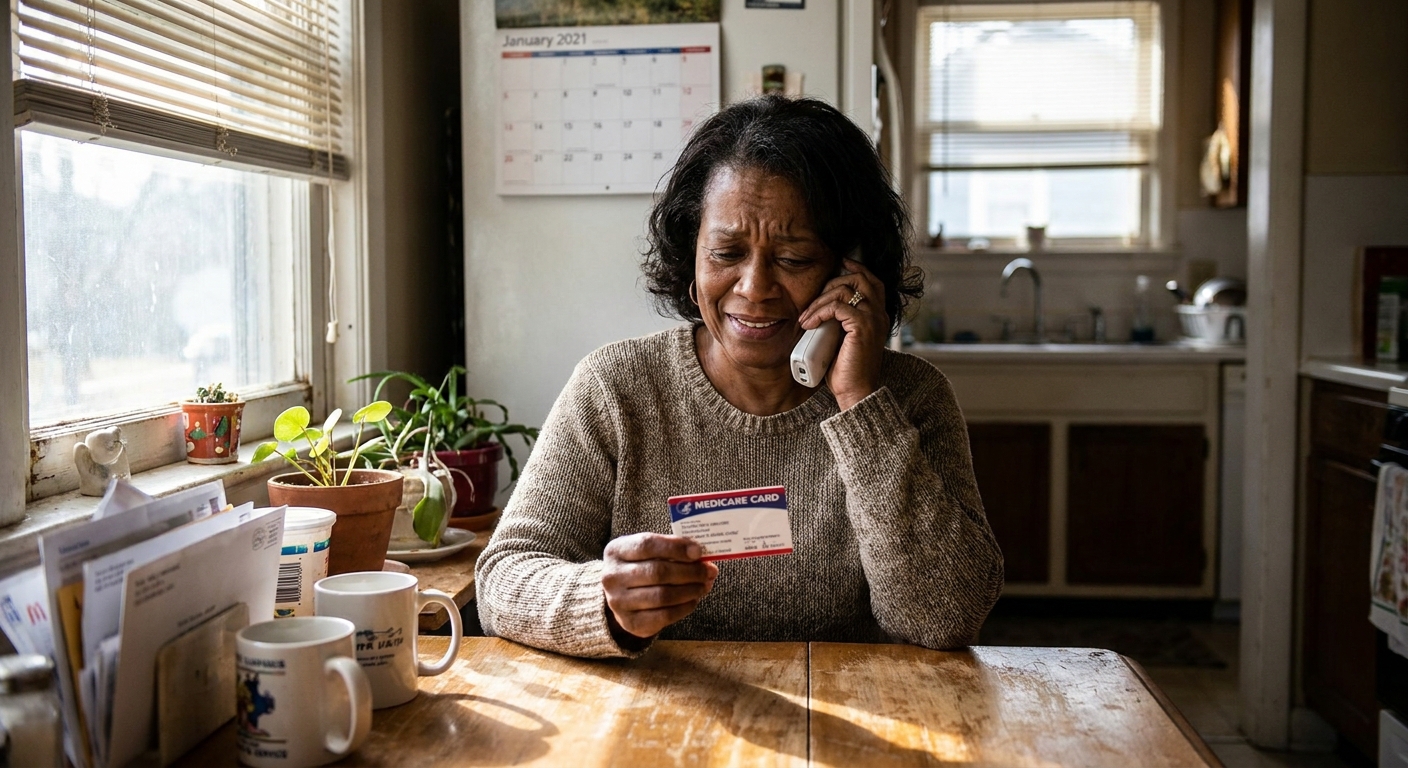
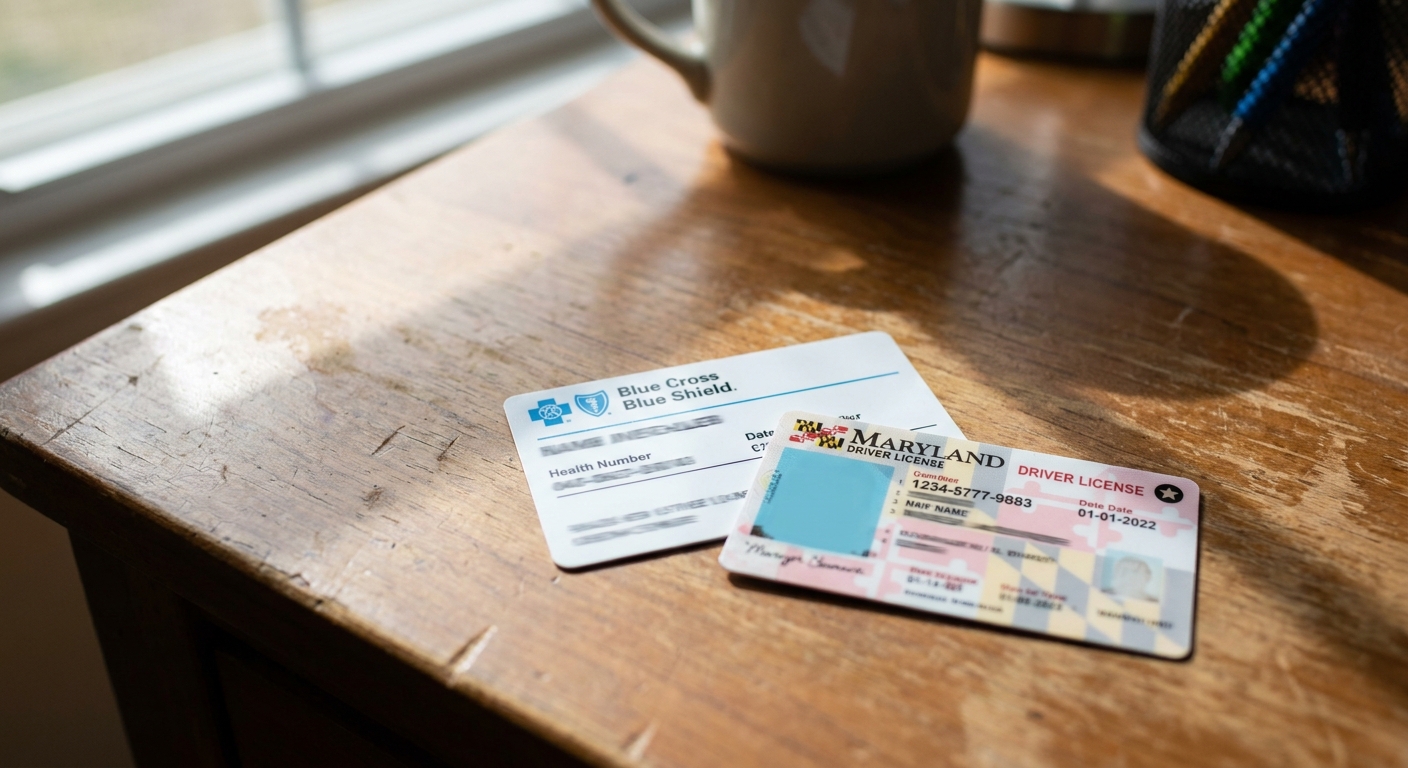
Under the federal Mental Health Parity and Addiction Equity Act, your commercial insurer is required to cover opioid use disorder treatment at parity with other medical conditions. In practice, prior authorization is often required for higher levels of care. The action: call the member services number on your insurance card and ask specifically about coverage for “opioid use disorder treatment.” Use that phrase, not “rehab,” because it maps to the diagnostic codes your provider will bill under.
Options When You Have No Insurance
Maryland’s Behavioral Health Administration administers state-funded treatment slots supported in part by SAMHSA block grants. Sliding-scale options and no-cost placements exist at multiple levels of care. Ask any treatment center intake coordinator about state-funded options directly. That question is standard, and intake coordinators answer it every day.
What to Expect When You Start Treatment
A 2018 NIDA research summary identified early treatment engagement, specifically the first 30 days, as the strongest predictor of long-term retention and recovery outcomes. The intake process typically includes a clinical assessment, a placement decision based on your history and current situation, and a first appointment, often within days of that initial call.
The first week is the hardest. That’s not a warning meant to discourage you. It’s information that helps you prepare. Knowing what the process looks like reduces the anxiety that stops people from picking up the phone. Write down three questions before you call intake: what medications are available, what your schedule would look like in the first week, and what the process is if you need a higher level of support. Those questions give the conversation structure and make the whole thing feel less overwhelming. If fentanyl is involved, understanding what recovery from fentanyl dependence involves can help set realistic expectations before that first call.
How to Support a Family Member Seeking Treatment
A 2021 study from the National Center on Addiction and Substance Abuse, examining 800 families over 18 months, found that active family involvement in treatment, defined as attending family sessions and maintaining consistent contact, increased treatment retention rates by 27%. Family support is not peripheral. It’s a clinical variable.
In practice, support means attending the family program a treatment center offers, understanding that relapse is data about what the treatment plan needs to adjust, and not enabling continued use while remaining connected to the person. When a loved one is starting treatment for heroin or another opioid, reading a practical overview of how heroin recovery works in Maryland can help you understand what they’re going through and how to be genuinely useful rather than accidentally harmful. Ask the treatment center whether they offer family counseling sessions, then attend the first one.
Your Next Step This Week
Call a Maryland treatment center today. Ask two questions during that call: does the program offer medication-assisted treatment with buprenorphine, and does it accept Medicaid or your commercial insurance. That is the entire task. The assessment, the placement decision, and the treatment plan all follow from that one call. Everything else in this guide is context. The call is the move.