Opioid use disorder is one of the most treatable chronic medical conditions in existence, yet the majority of people who need care never receive it. Prescriber-led opioid treatment changes that equation by putting a licensed medical provider at the center of your care, which is the only legal and clinically sound path to the medications that work.
What Prescriber-Led Opioid Treatment Actually Is
Prescriber-led opioid treatment is a care model where a licensed medical provider, which includes physicians, nurse practitioners, and physician assistants, formally diagnoses opioid use disorder, prescribes FDA-approved medications to treat it, and coordinates your ongoing care over time. It is not a detox program, a short-term fix, or a crisis intervention. It is structured, evidence-based medical treatment for a chronic condition.
The distinction from other approaches matters enormously. Self-managed withdrawal, sometimes called going cold turkey, does not change the underlying neurobiology of addiction, does not reduce long-term overdose risk, and produces relapse rates that approach 90 percent within the first year. Peer-only recovery programs, including 12-step models, offer genuine value as support structures, but they cannot prescribe medication, conduct clinical assessments, or manage co-occurring medical and psychiatric conditions. What a prescriber brings to the picture is access to the tools that have the strongest evidence behind them.
A 2019 study published in the New England Journal of Medicine, which followed more than 40,000 Massachusetts residents with opioid use disorder, found that patients engaged in medication-assisted treatment with buprenorphine or methadone had mortality rates roughly 50 percent lower than those who received no medication treatment. That is not a modest improvement. That is the difference between surviving long enough to rebuild a life and not surviving at all.
The practical stake here is simple. Without a prescriber involved in your care, access to buprenorphine, methadone, and naltrexone, the three FDA-approved medications for opioid use disorder, is legally and clinically out of reach. These are not supplements or over-the-counter options. They require a licensed provider who can assess your condition, initiate treatment safely, and manage your care as it evolves.
The Scale of the Problem in Maryland
Maryland has one of the highest opioid overdose death rates in the country. The Maryland Overdose Data Dashboard, maintained by the Maryland Department of Health, reported that fentanyl was present in more than 90 percent of the state’s opioid-related overdose deaths in recent years. That number reflects a fundamental shift in the drug supply: the heroin that people used a decade ago has been largely replaced by illicitly manufactured fentanyl, which is dramatically more potent and far more likely to produce a fatal overdose at doses that would not have killed someone using street heroin.
The populations carrying the heaviest burden in Maryland include people using heroin or fentanyl, Medicaid enrollees who face structural barriers to accessing care, and individuals managing co-occurring mental health conditions such as depression, PTSD, and anxiety alongside their opioid use. Baltimore City consistently sees among the highest overdose death counts in the state, but the crisis extends well into the suburbs and rural counties, affecting people across every income level and zip code.
The treatment gap is the number that puts all of this in context. The Substance Abuse and Mental Health Services Administration (SAMHSA) consistently estimates that fewer than 20 percent of Americans with opioid use disorder receive any form of medication-assisted treatment in a given year. Maryland reflects that national picture. The majority of people who need care are not getting it, and the barriers are not primarily personal. They are structural: lack of insurance, lack of awareness that treatment exists, stigma, and the practical difficulty of finding a prescriber who accepts your coverage and can see you quickly.
If the treatment gap is this wide, the most direct thing you can do is close your personal portion of it by finding a prescriber who accepts your insurance, including Medicaid, and who can see you soon. That is not a minor step. For many people, it is the only step that matters.
How Opioid Use Disorder Is Diagnosed
Opioid use disorder is diagnosed using the criteria laid out in the Diagnostic and Statistical Manual of Mental Disorders, Fifth Edition, commonly called the DSM-5. The framework identifies 11 specific criteria, and a diagnosis requires meeting at least two of them within a 12-month period. The criteria cover a range of behaviors and experiences: using opioids in larger amounts or for longer than intended, unsuccessful attempts to cut down, spending significant time obtaining or recovering from opioids, cravings, failure to meet obligations at work or home, continuing use despite social or relationship problems, giving up activities that were once important, using in physically hazardous situations, continuing despite knowledge of physical or psychological harm, tolerance, and withdrawal.
The number of criteria met determines severity. Two to three criteria indicates mild OUD. Four to five indicates moderate OUD. Six or more indicates severe OUD. These distinctions are not labels designed to rank people by how badly they have failed. They are clinical tools that help a prescriber match you to the right medication and the right intensity of care. Severe OUD, for example, often responds best to methadone dispensed through a structured opioid treatment program, while mild or moderate OUD may be effectively managed with office-based buprenorphine.
A 2019 study published in Drug and Alcohol Dependence, which compared structured DSM-5 clinical interviews to informal screening conversations among 1,200 patients in primary care, found that structured diagnostic assessment identified OUD at twice the rate of informal screening. The mechanism is not complicated: people under-report use when questions are casual and non-systematic, and structured tools create a consistent, non-judgmental framework that elicits honest answers.
What this means in practice is that the diagnostic process at a first appointment is not a test you can pass or fail. It is a medical assessment, and honest answers produce the most accurate picture of what level of care is right for you.
The Role of Screening Before Diagnosis
Before a full diagnostic workup, most prescribers use validated screening tools to get an initial read on the nature and severity of use. Common instruments include the Drug Abuse Screening Test (DAST-10), the Alcohol Use Disorders Identification Test (AUDIT-C), and the Opioid Risk Tool (ORT). These are short questionnaires, typically 10 questions or fewer, that you complete either before the appointment or during the intake process.
At a first appointment, you can expect questions about how frequently you use, what substances you use, how long you have been using at current levels, whether you have experienced withdrawal symptoms, and whether you have attempted treatment before. Physical vital signs are measured. A urine drug screen is typically collected. The prescriber will ask about your medical history and any medications you currently take.
A 2021 study in the Annals of Internal Medicine, analyzing screening programs across 23 primary care practices with more than 8,000 patients, found that implementing structured opioid screening tools increased identification of OUD by 34 percent compared to practices relying on provider judgment alone. The practical translation is that these tools exist because they work, and knowing what to expect makes the first appointment considerably less intimidating. You are not walking into an interrogation. You are walking into an intake process that is designed to gather the information needed to help you.
Risk Factors That Shape Treatment Planning
A prescriber does not just diagnose OUD and hand you a prescription. Before recommending a specific medication or treatment structure, a provider assesses the factors that shape your personal risk and inform the right clinical approach. These include genetic predisposition to addiction, trauma history, co-occurring psychiatric conditions such as depression, anxiety, PTSD, or bipolar disorder, and social determinants of health like housing stability, employment, and the presence of a support network.
A 2020 SAMHSA report on co-occurring disorders found that approximately 50 percent of people with opioid use disorder also have at least one diagnosable mental health condition, and that the presence of co-occurring disorders is associated with higher rates of treatment dropout, more frequent relapse, and greater overdose risk when conditions go unaddressed. That does not mean co-occurring conditions make treatment harder. It means that identifying and treating them alongside OUD significantly improves outcomes.
Disclosing your mental health history at intake is not a barrier to treatment. It is the information a prescriber needs to build a treatment plan that actually works. If you are managing depression alongside opioid dependence, that shapes which medication is most appropriate, what monitoring schedule makes sense, and whether an integrated psychiatry referral should happen early in the process rather than later.
FDA-Approved Medications for Opioid Use Disorder
There are three medications approved by the FDA to treat opioid use disorder: methadone, buprenorphine, and naltrexone. Each works through a different mechanism, each has a distinct regulatory structure, and each fits a different patient profile. What they share is a body of evidence that is far stronger than anything available for abstinence-only approaches.
A 2021 Cochrane Review, which synthesized data from more than 31 randomized controlled trials and more than 17,000 participants, concluded that both methadone and buprenorphine were substantially more effective than no medication treatment or placebo in keeping people engaged in care and reducing illicit opioid use. Naltrexone showed comparable effectiveness when patients had already completed supervised withdrawal and could initiate treatment without residual physical dependence.
The reason prescriber involvement is irreplaceable in this picture is not bureaucratic. It is clinical. Only a licensed provider can legally initiate these medications, assess whether a specific medication is appropriate for your specific condition, adjust doses as your treatment evolves, and manage the interactions between MOUD and any other medications or health conditions in the picture. These are not decisions that can be outsourced to a patient portal questionnaire.
Methadone: How It Works and Who It’s For
Methadone is a full mu-opioid agonist, meaning it activates the same opioid receptors in the brain that heroin and fentanyl activate, but it does so in a controlled, long-acting way that eliminates withdrawal and craving without producing the euphoria associated with short-acting opioids. At therapeutic doses, the brain receives stable receptor engagement throughout the day, which is what breaks the cycle of withdrawal driving compulsive use.
The regulatory structure around methadone for opioid use disorder is distinct from the other two medications. It must be dispensed through a federally certified opioid treatment program, commonly called an OTP or methadone clinic. Patients, particularly early in treatment, are required to come to the clinic daily to receive their dose under supervision. As treatment progresses and stability is demonstrated, take-home doses become available.
SAMHSA data and a 2017 study published in the American Journal of Public Health, following more than 6,000 opioid-dependent patients across five states, found that methadone maintenance treatment reduced overdose mortality by approximately 59 percent compared to no treatment, with the strongest benefit observed in patients with severe physical dependence and longer histories of use. Retention in methadone programs also tends to be high when patients receive adequate doses and supportive services alongside medication.
Patient selection for methadone typically centers on those with severe OUD, prior failures with other treatment approaches, or those who benefit from the daily structure of an OTP visit. The daily clinic visit can be a logistical challenge for some patients and a stabilizing anchor for others. Treatment proceeds through three phases: induction, where the starting dose is established; stabilization, where the dose is adjusted until symptoms are controlled; and maintenance, the ongoing phase where the stabilized dose is sustained.
Buprenorphine: How It Works and Who It’s For
Buprenorphine is a partial mu-opioid agonist. It activates opioid receptors, but only partially, which produces two clinically important effects: it reduces cravings and prevents withdrawal, and it has a ceiling effect that limits respiratory depression, making overdose far less likely than with full agonists like methadone or illicit opioids. This safety profile is one reason buprenorphine has become the most widely prescribed medication for OUD in office-based settings.
Before 2023, prescribing buprenorphine for OUD required physicians to obtain a special DEA waiver, known as the X-waiver, which involved training requirements that many providers found burdensome. The Consolidated Appropriations Act of 2023 eliminated that requirement. Any DEA-registered prescriber can now prescribe buprenorphine for OUD. That regulatory shift significantly expanded the pool of providers who can offer this treatment, which is particularly relevant in Maryland, where access to waivered prescribers had historically been unevenly distributed across the state.
A 2020 study in JAMA Internal Medicine, following 2,800 patients in community health settings over 12 months, found that patients receiving buprenorphine in office-based settings had a 74 percent reduction in illicit opioid use compared to baseline and a retention rate of approximately 60 percent at one year, which outperformed most non-medication treatment alternatives. For people seeking care that fits into a regular life without daily clinic visits, office-based buprenorphine is often the most practical starting point.
Buprenorphine is suited to a broad range of OUD severity. It works for patients with mild, moderate, and severe OUD, though the most severe cases may still be better served by methadone. The most commonly prescribed formulation combines buprenorphine with naloxone, sold under the brand name Suboxone, in a film or tablet that dissolves under the tongue. The naloxone component is included as a deterrent to misuse: when taken as prescribed sublingually, the naloxone has minimal effect, but if the medication is injected, the naloxone precipitates withdrawal. Buprenorphine-only formulations are available and are typically used in populations where the naloxone component is contraindicated, including during pregnancy.
If you want a detailed breakdown of what starting buprenorphine in Maryland actually involves, including what happens at induction and what the first weeks of treatment feel like, that resource covers it specifically.
Naltrexone: How It Works and Who It’s For
Naltrexone is a full opioid antagonist. Unlike methadone and buprenorphine, it has no agonist activity at all, which means it does not produce any opioid effect. Instead, it occupies and blocks opioid receptors, so if opioids are taken while naltrexone is active, they produce no effect. There is no physical dependence risk with naltrexone, no withdrawal syndrome when stopping, and no abuse potential.
Naltrexone comes in two forms: an oral tablet taken daily, and an extended-release injectable formulation (brand name Vivitrol) administered once monthly by a healthcare provider. The injectable form exists because the oral version has a significant compliance problem. Naltrexone produces no effect when opioids are not in the system, which means motivation to take it daily is entirely intrinsic. When motivation wavers, as it does in chronic disease management, oral naltrexone is often discontinued. Monthly injection eliminates that decision point.
A 2018 study in the Lancet, a randomized trial of 570 patients with opioid use disorder comparing extended-release naltrexone to buprenorphine-naloxone, found that once patients were successfully initiated on both medications, relapse rates were comparable. The significant difference appeared at the initiation phase: naltrexone requires complete opioid detoxification before starting, and 28 percent of patients assigned to naltrexone failed to complete that detox step and never initiated treatment. Among those who did complete induction, both medications performed similarly.
Patient selection for naltrexone leans toward individuals who have already completed medically supervised withdrawal, are highly motivated, and have strong psychosocial support structures in place. It is a particularly good option for people who object to any opioid agonist treatment on personal or professional grounds, or for those whose circumstances, such as employment in certain regulated industries, make opioid agonist use complicated.
Comparing the Three Options: What the Evidence Says
The American Academy of Family Physicians and the American Society of Addiction Medicine both recognize all three medications as first-line options for OUD, with selection driven by patient-specific factors rather than a universal hierarchy. The evidence does not declare one medication superior across all patients and circumstances. It shows different profiles of effectiveness depending on patient characteristics, preferences, and treatment settings.
On retention, methadone consistently shows the highest rates in studies that include patients with severe, long-standing OUD. A 2020 comparative effectiveness analysis in the Annals of Internal Medicine, reviewing data from more than 40,000 patients across 15 states, found that methadone was associated with longer treatment retention than either buprenorphine or naltrexone, with buprenorphine coming in second and naltrexone showing the largest drop at initiation due to the detox requirement. On mortality reduction, both methadone and buprenorphine show robust reductions in overdose death compared to no treatment. Naltrexone’s mortality benefit is strong in patients who successfully initiate but is partially offset by the elevated overdose risk in patients who drop out and relapse.
On patient preference and flexibility, buprenorphine in office-based settings wins on convenience and accessibility for the largest number of people. Methadone wins on structure for those who need it. Naltrexone wins when avoiding opioid receptor activation is a priority.
Here is how the three medications compare in plain terms:
Methadone: Full agonist, dispensed at certified OTCs, best for severe OUD and patients who benefit from daily structure, highest retention in that population, requires daily clinic visits initially.
Buprenorphine: Partial agonist with ceiling effect, prescribed at any DEA-registered office, suited to broad range of OUD severity, flexible and office-based, lower overdose risk.
Naltrexone: Full antagonist with no agonist effect, no physical dependence, requires completed detox before initiation, injectable form improves compliance, best for motivated patients post-detox.
The right match for you is not something a website can determine. It is exactly what a prescriber-led assessment is designed to figure out.
The Prescriber’s Role Beyond the Prescription Pad
Writing the initial prescription is the starting point of prescriber-led treatment, not the whole of it. A prescriber who is doing this work properly is involved at every stage of your care, not just at the first appointment.
The full scope of prescriber involvement covers the initial assessment and formal diagnosis, medication initiation and induction monitoring, dose titration as your body stabilizes, routine urine drug screening to track progress and identify complications, monitoring for potential diversion, managing co-occurring medical conditions such as hepatitis C or HIV, coordinating with behavioral health providers for counseling and psychiatric support, and adjusting the treatment plan as your circumstances change.
A 2022 study in Health Affairs, which followed 3,800 patients in integrated care settings across seven states, found that patients whose prescribers maintained active coordination with behavioral health providers, meaning the prescriber and counselor communicated regularly and adjusted care collaboratively, had a 42 percent higher rate of sustained engagement in treatment at 18 months compared to patients who received medication from one provider and counseling from another with no coordination between them. The mechanism is not mysterious: when the clinical team shares information, the treatment plan stays accurate, and gaps in care get caught before they become crises.
When evaluating a treatment program, ask whether the prescriber is involved at each appointment or only at initiation. Programs where a prescriber sees patients only at intake and then hands ongoing care to non-prescribing staff are structurally weaker than programs where prescriber contact is embedded throughout the treatment relationship.
Managing Co-Occurring Mental Health Conditions
The overlap between opioid use disorder and mental health conditions is not incidental. SAMHSA’s 2022 National Survey on Drug Use and Health found that among adults with OUD in the United States, approximately 53 percent had at least one co-occurring mental illness in the same year, including major depression, generalized anxiety disorder, PTSD, and bipolar disorder. These are not separate problems that happen to coexist. They are intertwined conditions that influence each other’s severity and treatment response.
A prescriber working in an integrated care model manages both simultaneously. This looks like monitoring whether an antidepressant is interacting with buprenorphine in a clinically relevant way, adjusting MOUD dosing in response to how a patient’s anxiety is affecting their experience of withdrawal symptoms, and determining whether psychiatric medication is indicated alongside MOUD or whether MOUD alone produces enough stabilization for mood symptoms to resolve.
When the complexity of a co-occurring condition exceeds what an addiction medicine prescriber manages routinely, the appropriate response is a warm referral to a psychiatrist, ideally within the same care system. What is not appropriate is treating the psychiatric condition as a reason to withhold or delay MOUD. The evidence runs in the opposite direction: addressing both conditions concurrently produces better outcomes than treating them sequentially.
Disclosing mental health symptoms at intake, including symptoms you are not sure are relevant, is not going to disqualify you from treatment. It is going to produce a more accurate and more useful treatment plan.
Urine Drug Screening and Monitoring
Routine urine drug screening is a standard part of prescriber-led care, and it is worth understanding why before you walk into a first appointment. It is not a punitive measure. It is a clinical tool.
Urine drug screening tells a prescriber what is actually in your system, which serves several clinical purposes. It confirms that prescribed medication is being taken as directed. It identifies polysubstance use, including alcohol, benzodiazepines, cocaine, or stimulants, that may require additional intervention or affect the safety of the current medication regimen. It helps distinguish between a patient who is using consistently alongside their MOUD, which may indicate the dose needs adjustment, and a patient who is stable but whose urine shows unexpected substances that need to be discussed.
A 2020 study in the Journal of Substance Abuse Treatment, analyzing monitoring data from 4,200 patients in buprenorphine programs across 18 clinics, found that structured UDS protocols were associated with a 31 percent reduction in concurrent illicit opioid use over a 12-month period compared to programs with unstructured or infrequent monitoring. The monitoring itself was part of the treatment effect, not just an administrative requirement.
Knowing that UDS is a clinical tool rather than a surveillance mechanism helps you engage honestly with your prescriber. If you used something between appointments, your prescriber needs that information to keep you safe. That conversation is more productive than a result that shows up unexpectedly on a screen.
Adjusting Treatment Over Time
Prescriber-led care is iterative by design. The dose you start on is not the dose you stay on forever. The medication you begin with is not necessarily the one you will always use. Treatment intensity increases and decreases based on how you respond, what your life circumstances require, and what your goals are at different points in your recovery.
The three broad phases of MOUD treatment are stabilization, maintenance, and, for some patients, eventual taper. Stabilization is the early phase when the dose is being adjusted to the level that controls withdrawal and craving without producing sedation or side effects. Maintenance is the sustained phase where a stable dose is continued over time, which for many patients is the long-term goal rather than a stepping stone toward stopping medication. Taper refers to a medically supervised, gradual dose reduction for patients who have achieved sustained stability and, together with their prescriber, decide the time is right to reduce or discontinue medication.
A 2021 study in JAMA Psychiatry, which followed 2,400 patients on buprenorphine for up to five years, found that patients who remained on MOUD for longer durations before tapering had substantially better long-term remission outcomes than those who discontinued medication early. The practical implication is that the length of time on MOUD is not a measure of dependence or failure. It is a clinical parameter that the evidence supports managing conservatively.
At each appointment, ask your prescriber what the current treatment goal is. Stabilization, dose reduction, and maintained maintenance are all legitimate goals, and knowing which phase you are in keeps your expectations calibrated.
Reducing Harm While Treatment Begins
Harm reduction and prescriber-led treatment are not competing philosophies. They are complementary strategies, and in the current fentanyl-saturated drug supply, harm reduction is what keeps people alive long enough to reach and stay in treatment.
The harm reduction framework relevant to OUD includes naloxone distribution, fentanyl test strips, and overdose education. These tools do not treat opioid use disorder. They address the immediate, life-threatening consequences of an overdose event, which is the thing that has to be prevented before any other intervention can take effect.
A 2019 CDC analysis of community-based naloxone distribution programs across the United States found that areas with high-saturation naloxone distribution programs saw opioid overdose mortality rates that were 11 percent lower than comparable communities without such programs, after controlling for baseline overdose rates and other variables. That effect size is meaningful in a population where overdose is the leading cause of accidental death.
The practical reality is that harm reduction and treatment access are not mutually exclusive choices. If you are starting treatment or waiting for your first appointment, obtaining a naloxone kit is not a sign that you have given up on recovery. It is the move that keeps the option of recovery available.
In Maryland, naloxone is available without a prescription at pharmacies statewide under a standing order, at health department distribution sites in every county, and through community organizations that provide kits and training at no cost. You do not need insurance, a doctor’s note, or a prior authorization to get naloxone in Maryland. You walk in and ask for it.
Naloxone: The Overdose Reversal Medication
Naloxone works by rapidly displacing opioids from the brain’s opioid receptors, reversing the respiratory depression that causes death in an overdose. It takes effect within two to five minutes when administered correctly and can be the difference between someone surviving an overdose and not surviving one.
There are three main formulations available. Narcan, the intranasal spray, is the most widely distributed and easiest to use: one spray in one nostril, and if there is no response in two to three minutes, a second spray in the other nostril. Injectable formulations are available for those trained to use them. Auto-injectors, which provide voice-guided instructions, are a third option designed for ease of use in emergency situations by bystanders without medical training.
A 2018 study in the Annals of Internal Medicine, which analyzed outcomes from more than 150,000 naloxone prescriptions dispensed to opioid users and their close contacts across 10 states, found that overdose deaths were 14 percent lower among individuals in households where naloxone had been dispensed compared to matched controls. The effect was attributed to bystander intervention before emergency services arrived.
In Maryland specifically, CARES Act funding and ongoing public health initiatives have resulted in widespread availability. The Maryland Department of Health distributes naloxone through local health departments at no cost. CVS, Walgreens, Rite Aid, and independent pharmacies throughout the state dispense Narcan under the statewide standing order without requiring a prescription. If you want a naloxone kit this week, walk into any Maryland pharmacy and ask the pharmacist directly.
Treatment for Specific Populations
Opioid use disorder does not affect every person the same way, and prescriber-led treatment does not work the same way for every patient. A skilled prescriber adjusts the approach based on the patient’s specific circumstances: age, pregnancy status, trauma history, involvement with the criminal justice system, and the presence of chronic pain.
Pregnant Individuals with OUD
For individuals who are pregnant and have opioid use disorder, the standard of care is medication-assisted treatment, specifically with methadone or buprenorphine. This is not a secondary option or a compromise. It is the clinical recommendation supported by decades of evidence, and it is the approach endorsed by ACOG, SAMHSA, and ASAM.
The reason medication is strongly recommended during pregnancy, rather than medically supervised withdrawal, is that withdrawal in pregnancy, even when medically managed, carries significant risk to the fetus. Untreated withdrawal can cause fetal distress, preterm labor, and fetal death. Methadone has the longest evidence base for use in pregnancy. Buprenorphine has become increasingly common and has a strong evidence base as well, with some studies suggesting better neonatal outcomes.
A 2012 randomized controlled trial published in NEJM, the MOTHER study, which compared methadone and buprenorphine in 175 pregnant women with OUD, found that while neonatal opioid withdrawal syndrome (NOWS) was less severe and required less treatment in the buprenorphine group, both medications produced significantly better fetal and maternal outcomes than no MOUD. Neonatal opioid withdrawal syndrome, the temporary withdrawal symptoms a newborn experiences when maternal MOUD use is discontinued after birth, is a manageable, treatable condition. It is not a reason to avoid medication treatment during pregnancy. It is an expected and addressable consequence of doing the right thing for both parent and child.
If you are pregnant, disclose it to the prescriber immediately. It changes the medication protocol and the monitoring schedule, but it does not disqualify you from treatment. It makes the prescriber’s approach more specific.
Adolescents and Young Adults
Opioid use disorder in adolescents is less common than in adults, but the consequences of early-onset use are disproportionately severe. Early initiation of opioid dependence is associated with disrupted neurodevelopment, higher rates of co-occurring psychiatric conditions, and worse long-term outcomes when OUD goes untreated.
A 2020 study in Pediatrics, following 151 adolescents between ages 15 and 21 with OUD, compared outcomes for those receiving extended buprenorphine treatment versus those whose prescribers attempted to taper medication within 12 weeks. At one-year follow-up, the extended-treatment group had a 34 percent abstinence rate compared to 16 percent in the early-taper group, and the extended group showed significantly less illicit opioid use throughout the observation period. The evidence for buprenorphine in adolescent OUD is not as extensive as in adults, but what exists supports extended medication treatment over short-term approaches.
Prescribers working with younger patients typically adjust both the counseling intensity and the degree of family involvement. Parental consent dynamics vary by age and jurisdiction, and a prescriber familiar with adolescent OUD navigates those considerations as part of standard practice.
Patients with Chronic Pain and OUD
The overlap between chronic pain and opioid use disorder is one of the more clinically complex presentations a prescriber manages, and it is far more common than many people realize. Many patients who developed opioid dependence did so not through recreational use but through legitimate prescriptions for pain that were not adequately monitored, or through doses that were appropriate initially but required escalation over time until dependence developed without the patient fully recognizing what was happening.
Buprenorphine has a dual role that is particularly relevant for this population. As a partial opioid agonist, it produces analgesia in addition to its anti-craving and withdrawal-suppression effects, making it useful for patients managing both OUD and underlying pain conditions. A 2022 study in Pain Medicine, analyzing outcomes in 380 patients with co-occurring chronic pain and OUD treated with buprenorphine over 18 months, found that pain scores decreased significantly from baseline alongside reductions in illicit opioid use, and that the improvements in both conditions were correlated.
If pain was the entry point to opioid dependence, tell the prescriber. The treatment approach when pain is part of the picture is different from straightforward OUD management, and the prescriber needs that information to structure a plan that addresses both without leaving either one untreated.
Patients Involved in the Criminal Justice System
Incarceration creates one of the most dangerous moments in the trajectory of opioid use disorder: the period immediately following release. Tolerance drops during incarceration, and the return to community often involves a return to use at pre-incarceration doses, which the body can no longer tolerate. The result is a dramatically elevated overdose mortality risk in the first two weeks after release.
A 2023 study in NEJM Evidence, following 14,165 individuals released from Rhode Island’s correctional system, found that access to MOUD during incarceration and continuity of that medication after release reduced overdose mortality by 75 percent in the first year post-release compared to individuals who received no MOUD during incarceration. The effect was largest for methadone and buprenorphine, and largest in the first 30 days after release.
Maryland has been expanding access to MOUD in correctional settings, though implementation across county jails remains uneven. If you are currently on MOUD and facing incarceration, or if you are preparing for release from incarceration, contact the prescriber immediately to plan for bridging the medication gap. That transition is not automatic, and the post-release window is too dangerous to leave to chance.
Understanding what your rights and options look like when accessing treatment after involvement with the justice system is a specific enough situation that it deserves its own research before you enter or leave a correctional facility.
Recommended Health Maintenance for People with OUD
Opioid use disorder is a chronic condition, and it carries the same obligation for proactive health monitoring as any other chronic condition. A prescriber leading your OUD treatment is responsible for attending to more than just the medication. The broader health maintenance picture matters for your long-term outcomes, and it is an area where people who have been outside the healthcare system for extended periods often have significant gaps.
The standard health maintenance checklist for people with OUD covers HIV and hepatitis C screening and treatment, hepatitis B screening and vaccination, TB testing, dental care, vaccinations more broadly, and reproductive health. A 2022 CDC surveillance report on health outcomes in people who inject drugs found that rates of HIV, hepatitis C, and bacterial infections including endocarditis and skin infections are substantially elevated compared to the general population, and that these conditions often go undetected until they have progressed to a significantly more serious stage.
At the first appointment, ask whether hepatitis C screening is included. Hepatitis C is now curable. Direct-acting antivirals produce cure rates above 95 percent in most patient populations. Leaving it undetected and untreated is not a neutral outcome: hepatitis C causes progressive liver damage over years, and early treatment is dramatically more effective than treatment after cirrhosis has developed.
Infectious Disease Screening and Treatment
HIV, hepatitis C (HCV), and hepatitis B (HBV) are the three bloodborne infections that require specific attention in the OUD population, particularly among people who have injected drugs. Screening for all three should happen at intake or early in the treatment relationship, with repeat HCV testing at regular intervals for anyone who continues to use injection drugs.
HIV testing is recommended at least annually for anyone with ongoing injection drug use, more frequently if exposure risk is high. HCV testing should happen at baseline and annually thereafter. HBV testing establishes vaccination status and guides the decision to vaccinate, since hepatitis B is preventable and people with OUD who are unvaccinated face a meaningful risk of exposure.
The connection between MOUD and HCV prevention is worth naming directly. A 2021 study in the Lancet, analyzing HCV incidence among people who inject drugs across 12 countries, found that participation in MOUD programs was associated with a 50 percent reduction in new HCV infections. The mechanism is behavioral: MOUD reduces injection frequency, and reduced injection frequency reduces exposure to bloodborne pathogens. This means that starting treatment is not just addressing the OUD. It is reducing your risk of acquiring or transmitting a life-altering infection.
Ask for HCV testing at the first visit if you have not been tested in the past 12 months. If the result is positive, ask whether direct-acting antiviral treatment can be initiated within the same care setting or with a referral that the prescriber coordinates.
Insurance Coverage and Cost of Prescriber-Led Treatment in Maryland
Cost is a barrier to OUD treatment, and it is the barrier that prevents some people from ever making the call. The honest thing to say about insurance coverage for prescriber-led treatment in Maryland is that the situation is better than many people assume, particularly for Medicaid enrollees.
Maryland Medicaid, administered through Maryland HealthChoice, covers all three FDA-approved medications for opioid use disorder. Coverage includes buprenorphine, methadone dispensed through certified OTPs, and extended-release injectable naltrexone (Vivitrol). Prior authorization requirements for buprenorphine under Maryland Medicaid have been substantially reduced, meaning that in most cases, a prescriber can initiate treatment without a lengthy approval process. Counseling services delivered alongside MOUD are also covered.
Commercial insurance plans in Maryland are subject to the Mental Health Parity and Addiction Equity Act (MHPAEA), which requires that coverage for behavioral health and substance use disorder treatment be no more restrictive than coverage for comparable medical or surgical conditions. In practice, this means commercial insurers cannot impose coverage limits on MOUD that they do not also apply to other chronic disease medications.
A 2021 KFF analysis of OUD treatment costs and insurance coverage found that cost was cited as a primary barrier to treatment by 35 percent of adults with untreated OUD, with uninsured status and underinsurance accounting for the majority of cost-related barriers. Among Medicaid enrollees specifically, cost barriers were significantly lower, which underscores the importance of Medicaid enrollment for people who qualify.
If you are uninsured or underinsured, ask the prescriber’s office directly about options before assuming treatment is out of reach. Sliding-scale fees, charity care, and state-funded programs exist in Maryland for people who do not qualify for Medicaid and cannot afford commercial coverage. Knowing what is available requires a phone call, not a web search alone.
Knowing how to find the right treatment program for your situation, including how different programs structure cost and coverage, is worth understanding before you commit to a specific provider.
Common Misconceptions About Prescriber-Led OUD Treatment
The biggest barriers to entering prescriber-led treatment are not usually financial or logistical. They are the beliefs that lead people to decide, often unconsciously, that treatment is not for them, will not work, or requires a level of desperation they have not yet reached.
“MOUD Is Just Trading One Addiction for Another”
This is the most persistent myth in the field, and it is the one that causes the most harm. The argument is that buprenorphine and methadone are themselves opioids, so using them to treat OUD is simply replacing one dependency with another. This argument conflates physical dependence with addiction, and the two are not the same thing.
Physical dependence is a physiological state in which the body has adapted to the presence of a substance and will produce withdrawal symptoms in its absence. Addiction is a chronic, compulsive pattern of drug-seeking behavior characterized by loss of control, continued use despite harm, and disruption of normal function. People who take methadone or buprenorphine at therapeutic doses develop physical dependence on the medication. They do not develop addiction to it. The compulsive drug-seeking behavior that defines addiction is absent. They function normally, hold jobs, raise families, and maintain relationships.
A 2018 NIDA research brief drawing on neuroimaging data from multiple peer-reviewed studies explained the distinction this way: methadone and buprenorphine at therapeutic doses normalize opioid receptor function without producing the dopamine surges that drive compulsive drug-seeking behavior. The brain on MOUD is closer in function to a brain without OUD than a brain in active addiction. A prescriber can walk through this distinction at the first appointment if it is a concern that feels real. Ask for the explanation. You deserve a complete answer, not a dismissal.
“You Have to Hit Rock Bottom Before Treatment Works”
The rock bottom narrative is a cultural artifact, not a clinical finding. It suggests that treatment effectiveness is contingent on the patient reaching a sufficiently desperate state before they can genuinely engage with recovery. The evidence contradicts this directly.
A 2019 study published in Addiction, which followed 1,200 patients who initiated buprenorphine treatment at varying levels of OUD severity across a network of community health centers, found that patients who initiated treatment earlier in their addiction trajectory, measured by duration of use and severity of social disruption, had significantly better 12-month outcomes than those who waited until severe consequences had accumulated. Earlier treatment initiation was associated with higher rates of sustained engagement, fewer co-occurring medical complications, and lower rates of relapse after one year.
The practical implication is plain: waiting for things to get worse before seeking a prescriber is not a clinical recommendation grounded in evidence. It is a cultural myth, and in the current fentanyl environment, it is one that can cost a life. Treatment works at every stage of the disorder, and it works better when it starts sooner.
“Willpower and Abstinence-Only Programs Are Enough”
Willpower is real. Motivation matters. And there is genuine value in 12-step programs, peer support networks, and counseling. None of that changes the neurobiological reality of opioid use disorder, which is that chronic opioid use alters the brain’s reward circuitry, stress response systems, and prefrontal executive function in ways that cannot be resolved through motivation alone.
A 2017 study published in the New England Journal of Medicine, a randomized trial of 570 participants assigned to either extended-release naltrexone or buprenorphine-naloxone after completing inpatient withdrawal, found 12-month relapse rates of approximately 65 percent even with medication assistance. Studies of abstinence-only treatment without medication show one-year relapse rates consistently above 80 percent, with rates closer to 90 percent in populations where fentanyl is the primary substance. In a drug supply saturated with fentanyl, a single relapse is more likely to be fatal than it was a decade ago with heroin.
Peer support and 12-step programs have genuine value as components of a treatment plan. The evidence supports them as complements to MOUD, not replacements for prescriber-led medication. A prescriber who integrates counseling referrals with medication management is offering you both, not forcing you to choose.
“Treatment Is Only for People Who Have Tried Everything Else”
MOUD is not a last resort. SAMHSA’s Treatment Improvement Protocol 63, the agency’s primary clinical guidance document for OUD treatment, positions buprenorphine and methadone as first-line treatments for opioid use disorder, recommended at initial presentation rather than after other approaches have failed.
A 2020 study in JAMA, which analyzed time-to-initiation data for 4,800 patients presenting for OUD treatment at community health centers, found that patients who received MOUD at the first appointment had 30-day retention rates of 73 percent, compared to 41 percent for patients whose providers recommended counseling first with medication to follow if needed. The difference in retention was largest in the first two weeks, a period when the risk of dropout and relapse is highest.
A prescriber can initiate buprenorphine at the first appointment, the same day you walk in, without requiring any prior treatment history, prior failures, or demonstration of readiness. No failed abstinence program, no prior detox, no particular track record. The threshold for beginning treatment is the diagnosis and your consent.
How to Find and Start Prescriber-Led Treatment in Maryland
Finding prescriber-led OUD treatment in Maryland does not require navigating a complicated system, though it can feel that way if you do not know where to start. The most direct tools are the SAMHSA Treatment Locator (findtreatment.gov), which allows you to search by zip code, insurance type, and medication offered, and the Maryland Behavioral Health Administration’s provider directory, which is specific to state-funded and Medicaid-accepting programs.
When searching, filter for “medication-assisted treatment” or “buprenorphine” to focus results on programs that offer MOUD. Look specifically for programs that accept Medicaid if that is your coverage, and confirm both that the program is accepting new patients and that intake is available within a timeframe that works for you.
A 2019 study in Health Affairs, examining patient retention data from 900 OUD treatment programs across 40 states, found that same-day or next-day treatment initiation was associated with a 60 percent higher rate of 30-day treatment retention compared to programs that scheduled initial appointments more than a week out. The window between deciding to seek treatment and actually starting it is the highest-risk window for dropout. Programs that eliminate that gap produce measurably better outcomes.
The practical action this week: call a prescriber’s office, use the SAMHSA locator to find one near you if you do not already have a provider in mind, and ask directly whether same-day or next-day evaluation is available. Ask whether they accept your insurance, including Medicaid. Ask about transportation support if that is a barrier. Many Maryland-based programs, including those that take Medicaid, can coordinate transportation through your insurance plan.
For a broader look at the treatment options available across Maryland, including what different program structures look like and how to evaluate them, that resource covers the full landscape.
What to Expect at the First Appointment
The first appointment is not a test, and there is no wrong answer to the questions you will be asked. A prescriber conducting an intake for OUD treatment is gathering clinical information, not evaluating your character.
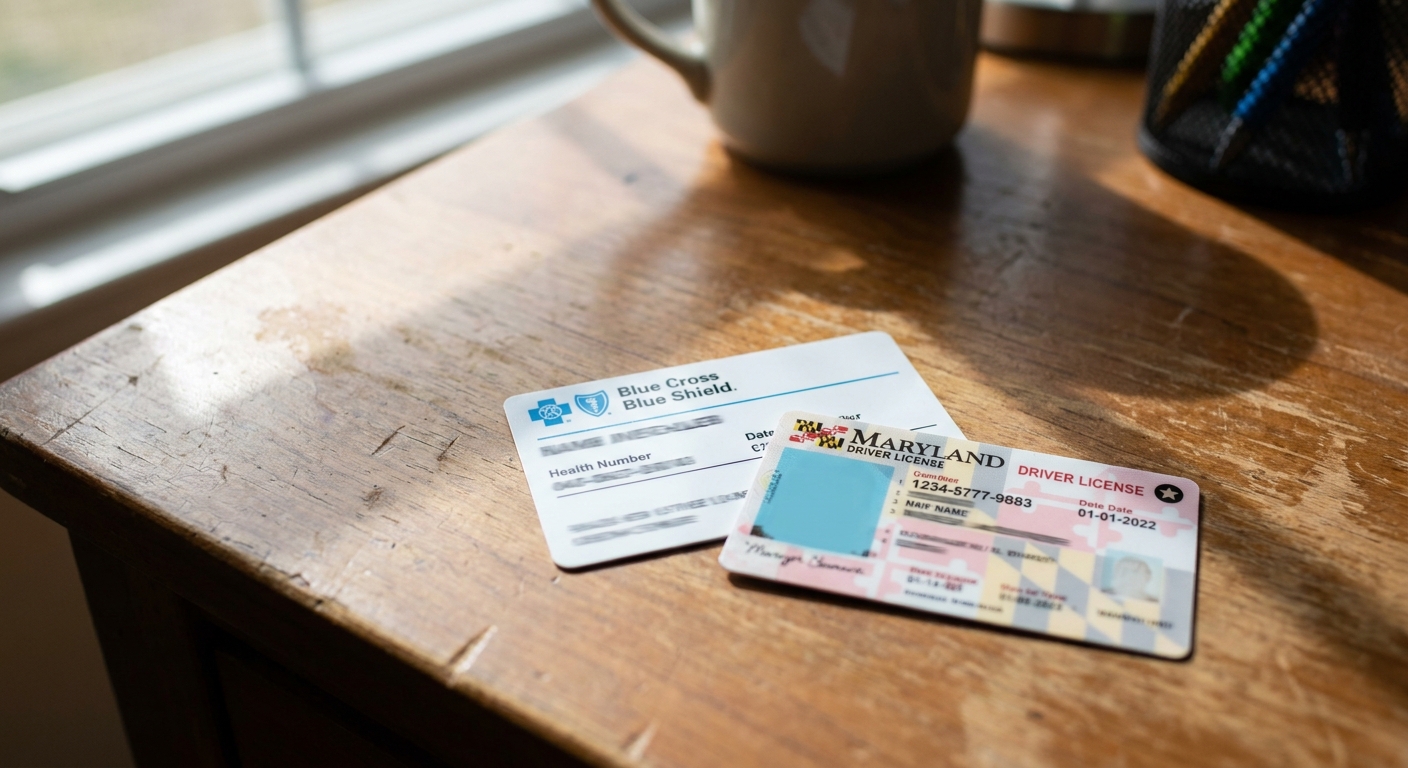
The visit will begin with a review of your medical and psychiatric history, including any prior treatment experiences. A urine drug screen is collected, typically before the clinical discussion, so results are available during the appointment. Vital signs are taken. A prescriber or trained clinical staff member will conduct a structured DSM-5 screening, which involves asking about your use patterns, withdrawal experiences, prior attempts to stop, and the impact opioid use has had on your daily life.
If buprenorphine is appropriate for you, many programs offer same-day induction, meaning the first dose is administered or prescribed at the first appointment. A 2021 study in Drug and Alcohol Dependence, examining low-barrier induction models across 12 treatment sites, found that programs offering same-day buprenorphine induction had 30-day retention rates of 80 percent, compared to 52 percent for programs that required a second appointment to begin medication. Low-barrier models, where intake is streamlined and medication begins as quickly as possible, are specifically designed to close the gap between decision and treatment.
Come prepared with your insurance card, a list of any current medications, and as honest a picture as you can give of your use history. Incomplete answers produce less accurate assessments. The prescriber is on your side.
What to Tell a Loved One Who Needs Treatment
If someone you care about needs prescriber-led OUD treatment but is not yet ready to seek it, the most effective thing you can do is reduce the distance between them and their first appointment, without ultimatums, shame-based pressure, or conditions attached to your support.
A 2019 study in the Journal of Substance Abuse Treatment, which analyzed family engagement patterns in OUD treatment initiation across 800 patient-family dyads, found that people who had a family member or close contact actively help with the logistics of finding and booking a first appointment were 44 percent more likely to attend that appointment than those who were encouraged to seek treatment but left to navigate the process alone. The barrier to first contact with a prescriber is often logistical, not motivational. Offering to look up a provider, make the call, confirm insurance, and arrange a ride removes the tasks that are most likely to cause delay.
The framing of the conversation matters. Shame-based approaches, which frame OUD as a moral failure and treatment as a consequence of bad choices, are associated with lower engagement and higher dropout rates in the literature. The most productive frame is a medical one: opioid use disorder is a condition with effective medical treatment, and getting an evaluation with a prescriber is the same first step as seeing a doctor for any other chronic condition.
Offer to attend the first appointment as support. Offer to help with the paperwork. Offer to drive. Do not make support conditional on a specific decision. The goal is to make it as easy as possible for the person to take one step, and then another.
What to Try This Week
Use the SAMHSA treatment locator at findtreatment.gov, enter your Maryland zip code, and filter for buprenorphine providers that accept your insurance. Then call the first program on the list and ask two questions: Do you have same-day or next-day availability for a new patient evaluation? And do you accept Medicaid, or my specific insurance plan? If you are looking for an accessible, prescriber-led outpatient program with same-day intake, Medicaid acceptance, confirmed pharmacy coordination, and transportation support through your insurance, MD M.A.T.T. serves patients across Baltimore, College Park, Linthicum Heights, Nottingham, and Owings Mills and is built specifically around getting you into care quickly.
That phone call is the one move that starts everything else. You do not need to have figured out the rest of it first.