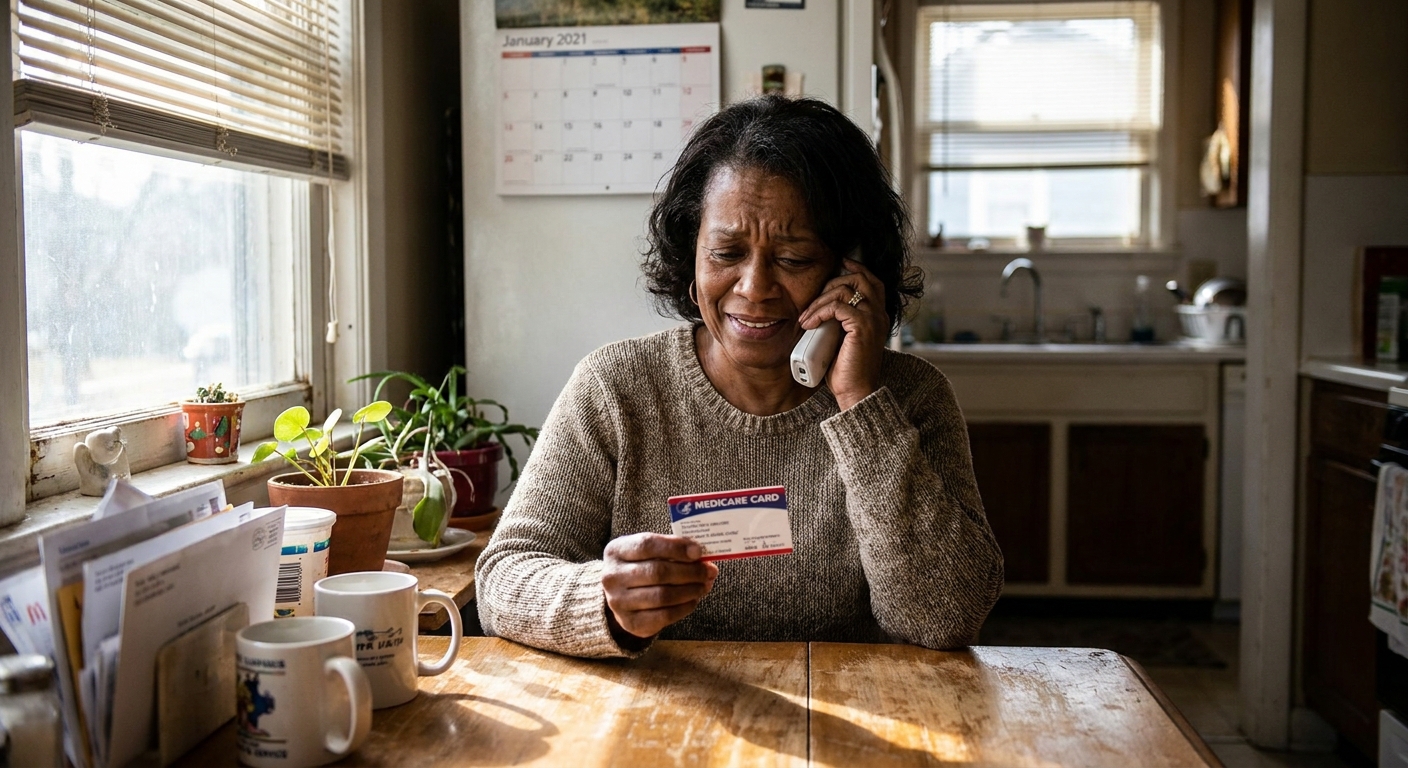
Finding a psychiatrist in Maryland is harder than it should be, especially when opioid use disorder and mental health symptoms are happening at the same time. This guide walks you through exactly what to look for, what to ask, and how to move forward.
What Psychiatric Care in Maryland Actually Looks Like
According to the Maryland Department of Health, more than 2,600 Marylanders died from opioid-related overdoses in 2022 alone, yet a significant portion of people who need treatment never access it. One of the biggest barriers is not motivation. It is not knowing where to start or who to call.
A psychiatrist is a medical doctor who specializes in diagnosing and treating mental health conditions, with the authority to prescribe medication. That is the key distinction. A therapist provides talk therapy but cannot prescribe. A primary care doctor can prescribe some psychiatric medications but typically lacks the specialized training to manage complex conditions alongside opioid use disorder. If substances and mental health are both in the picture, a psychiatrist is the right starting point, not a counselor and not your family doctor acting alone.
Before you call anyone, identify whether you specifically need a psychiatrist. If you are managing opioid dependence, experiencing symptoms of depression, anxiety, or PTSD, or both at once, the answer is yes.
How to Know If You Need a Psychiatrist (Not Just a Therapist)
SAMHSA’s 2023 National Survey on Drug Use and Health found that approximately 9.2 million adults in the United States had both a substance use disorder and a co-occurring mental illness in the past year. Among people specifically managing opioid use disorder, the overlap with depression, anxiety, and PTSD is especially high, with NIDA reporting that these conditions frequently develop together and reinforce each other.
In plain terms: if you are using opioids and also struggling with mood, sleep, concentration, or fear responses, that is not a coincidence. These conditions share underlying mechanisms in the brain, and treating just one while ignoring the other consistently produces worse outcomes. A therapist can help with coping skills. A psychiatrist can address the full picture, including medication.
When Medication Is Part of the Answer
A 2022 study published in the New England Journal of Medicine confirmed what addiction medicine specialists have known for years: patients treated with buprenorphine-based medication-assisted treatment (MAT) had significantly higher rates of sustained recovery compared to abstinence-only approaches. The difference was not marginal. Retention in treatment, reduced overdose risk, and improved quality of life all favored the medication group.
What this means in practice: if opioids are involved, you need a psychiatrist who can also prescribe MAT medications. Not every psychiatrist in Maryland has this training or authorization. Since the Mainstreaming Addiction Treatment Act of 2023 eliminated the requirement for a separate DEA-X waiver, any licensed physician can now prescribe buprenorphine, but not all are experienced doing so. When getting into the right treatment program, check specifically for that experience.
Co-Occurring Conditions That Change Who You Should See
SAMHSA’s 2023 survey data shows that depression, PTSD, and anxiety disorders are the most common co-occurring diagnoses alongside opioid use disorder. These are not separate problems that can be managed on separate tracks. Untreated depression undermines recovery. Untreated PTSD drives relapse. The right psychiatrist treats both simultaneously rather than referring you elsewhere.
Before booking any appointment, make a short list of every symptom you are managing. Include sleep disruption, mood changes, intrusive thoughts, panic, physical dependence, anything that feels relevant. Bring that list to the first call. It is the single most useful thing you can do to make sure you get matched with the right provider.
What to Look for in a Maryland Psychiatrist
Maryland has a documented shortage of psychiatric providers. A 2022 report from the Maryland Health Care Commission identified behavioral health as one of the state’s most underserved specialty areas, with rural and low-income populations facing the steepest access gaps. That shortage makes knowing what to look for more important, not less, because you may not get multiple chances to vet a provider carefully.
The four criteria that matter most for this audience are: board certification in psychiatry, experience with opioid use disorder and co-occurring conditions, MAT prescribing capability, and accepted insurance.
Licensure and Credentials
Board certification in psychiatry means a physician has completed a residency in psychiatry and passed a national examination administered by the American Board of Psychiatry and Neurology. It is not just a credential on a wall. It signals a standard of training that general practitioners do not meet.
You can verify any Maryland psychiatrist’s license through the Maryland Board of Physicians’ online lookup tool at mbp.state.md.us. Look up any provider before you book an appointment. Confirm their license is active, their specialty, and whether any disciplinary actions are listed. This takes about two minutes and is worth doing every time.
Insurance, Medicaid, and No-Coverage Options
A 2021 CMS report on behavioral health parity found that Medicaid enrollees faced significantly higher rates of prior authorization denials for mental health and substance use services compared to medical services. Maryland Medicaid, administered through HealthChoice managed care organizations, does cover psychiatric evaluation, medication management, and MAT, but coverage specifics vary by plan.
If you have Maryland Medicaid, ask the practice directly whether they are enrolled with your specific MCO, not just whether they accept Medicaid broadly. If you have commercial insurance, ask whether the psychiatrist is in-network. If you have no coverage, ask about sliding-scale fees or self-pay rates. Before anything else, call the office and ask two questions: “Do you accept my insurance?” and “What does a first visit cost without coverage?” Those two questions will save you from surprises.
Telehealth vs. In-Person Psychiatric Care
A 2023 study published in the Journal of Addiction Medicine found that telepsychiatry produced outcomes comparable to in-person care for patients managing opioid use disorder, with significantly higher appointment completion rates among patients who faced transportation or scheduling barriers. That last point matters. Missing appointments is one of the leading reasons people fall out of treatment.
Virtual psychiatric care in Maryland is the right fit when transportation is a barrier, when you are in early recovery and travel feels destabilizing, or when you live in a part of the state with limited local providers. In-person visits make more sense when you are starting treatment and a full physical and psychiatric evaluation is needed, or when your provider recommends closer monitoring. Decide which format fits your current situation before you start searching, because not every practice offers both.
How to Find a Psychiatrist Near You in Maryland
Maryland’s psychiatrist-to-patient ratio is one of the more strained in the Mid-Atlantic region. A 2022 Health Resources and Services Administration (HRSA) report designated large portions of rural Maryland as Mental Health Professional Shortage Areas. That means searching only by neighborhood can quickly lead to dead ends.
Practices with multiple locations across the state, such as those operating in Baltimore, College Park, Linthicum Heights, Nottingham, and Owings Mills, offer a meaningful advantage: if one location has a waitlist, another may have availability. Telehealth-enabled practices extend that reach further. When reviewing your mental health care options in Maryland, prioritize providers with geographic flexibility rather than anchoring to one ZIP code.
Using Maryland’s Provider Directories Effectively
Three tools are worth using in sequence. Start with SAMHSA’s Behavioral Health Treatment Locator at findtreatment.gov. Filter by “opioid treatment” and “Maryland” to return results specific to your need. Second, check the Maryland Health Connection directory for insurance-verified providers. Third, confirm any provider’s license through the Maryland Board of Physicians lookup before you call.
The practical step: use SAMHSA’s locator first, filtered to opioid treatment in Maryland. That is a more targeted starting point than a general Google search, which tends to surface paid listings over clinically verified ones.
What to Ask When You Call a Practice
A 2021 health literacy study published in Health Affairs found that patients who arrived at provider calls with specific prepared questions were significantly more likely to complete intake and remain in care at 90 days. Preparation is not just politeness. It is a retention strategy.
Ask three things on the first call: Are you accepting new patients? Do you prescribe buprenorphine or other MAT medications? Do you accept my insurance, or do you offer a sliding scale? Those three questions will tell you in under five minutes whether the practice is the right fit. If a provider cannot answer all three directly, that is itself useful information.
Helping a Family Member Get Psychiatric Care in Maryland
A 2020 study in Drug and Alcohol Dependence, which followed 1,100 adults with opioid use disorder, found that family-facilitated referrals to treatment increased the likelihood of treatment entry by 38% compared to self-referral alone. Having someone in your corner reduces the friction of a process that can feel overwhelming from the inside.
Your role is to reduce barriers, not to manage the outcome. The most effective thing you can do is offer to make the first call together. Sitting beside someone while they dial, or helping them navigate a directory, is more useful than making the appointment on their behalf. Understanding how integrated care works can also help you explain to your family member why a psychiatrist who addresses both addiction and mental health is worth seeking out specifically.
Red Flags to Watch for When Choosing a Provider
SAMHSA’s Treatment Improvement Protocol 42 outlines standards for opioid use disorder care, including the expectation that providers screen for co-occurring mental health conditions at intake. Any practice that skips that step is not meeting the standard of care.
Watch for these warning signs: no formal intake process before a first appointment, no questions about mental health history or current symptoms, an inability or unwillingness to prescribe MAT when it is clinically appropriate, and no upfront clarity about insurance or cost. If a provider cannot answer basic questions about co-occurring conditions, that signals a narrow scope of practice that will not serve you well. Dual diagnosis care in Maryland requires a provider who addresses both sides of the picture. If the practice does not, find a different one.
What Happens at Your First Psychiatric Appointment
A 2019 study in Psychiatric Services found that no-show rates for initial psychiatric appointments ran as high as 32%, with anticipatory anxiety about the unknown cited as a primary driver. Knowing what to expect makes the appointment easier to keep.
A first psychiatric evaluation typically covers your symptom history, current medications, substance use history, and any previous mental health treatment. It generally runs between 60 and 90 minutes. The psychiatrist is building a picture of your full situation before recommending anything. You are not being judged. You are being assessed so the treatment plan fits you specifically.
Bring one thing: a written list of your current medications and the symptoms you are managing. Include dosages if you know them. That single piece of preparation shortens the intake process and reduces the chance that something important gets missed.
What to Try This Week
Go to findtreatment.gov, filter to Maryland, and select “opioid treatment” as the service type. Call one provider from the results today. Not tomorrow. One call is the smallest possible move forward, and it is the one that actually changes what happens next.
If you want to understand what coordinated behavioral health services in Maryland look like before you call, that context is worth having. But do not let research replace the call. The appointment is the step that matters.