Not every clinic that offers Sublocade is actually set up to support you through treatment. Finding a sublocade clinic in Maryland that fits your life means knowing what to look for before you make the first call.
What Sublocade Actually Does in Your Body
A 2020 study published in JAMA Internal Medicine followed patients on extended-release buprenorphine injections versus daily oral buprenorphine film and found that the injectable formulation produced significantly higher treatment retention at six months, largely because it removed the daily decision to take a dose. That mechanism matters more than most people realize.
Sublocade is a once-monthly extended-release buprenorphine injection administered in a clinical setting. After the injection, buprenorphine releases steadily into your system over the full month, which means your medication levels stay consistent without any action on your part between visits. There is no daily dose to remember, no risk of accidentally skipping, and no medication in your home to manage. For patients who have already stabilized on daily Suboxone and want a simpler routine, this is often the next logical step.
Understanding how it works helps you ask sharper questions when you call a clinic. You are not asking about a generic addiction treatment. You are asking about a specific extended-release formulation that requires in-office administration every month.
What Makes a Sublocade Clinic Worth Choosing
Choosing a clinic is not just about whether a provider can write a prescription. The factors that determine fit are practical, not medical.
Insurance and Medicaid Coverage
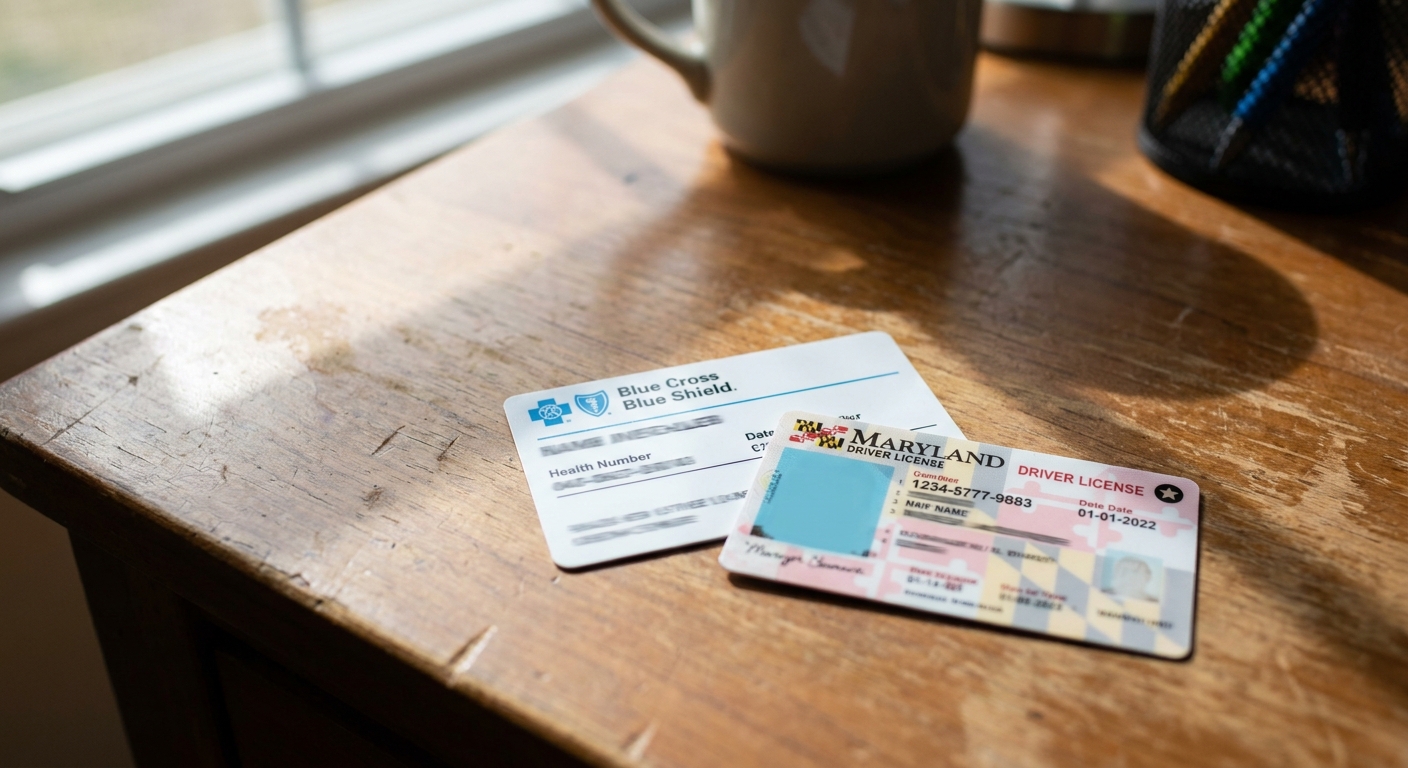
Maryland Medicaid covers buprenorphine-based medication-assisted treatment, but coverage does not mean frictionless access. According to a 2022 report from the Maryland Department of Health’s Behavioral Health Administration, prior authorization requirements vary by managed care organization, and some plans require documentation of a prior treatment attempt or a urine toxicology screen before approving the first injection.
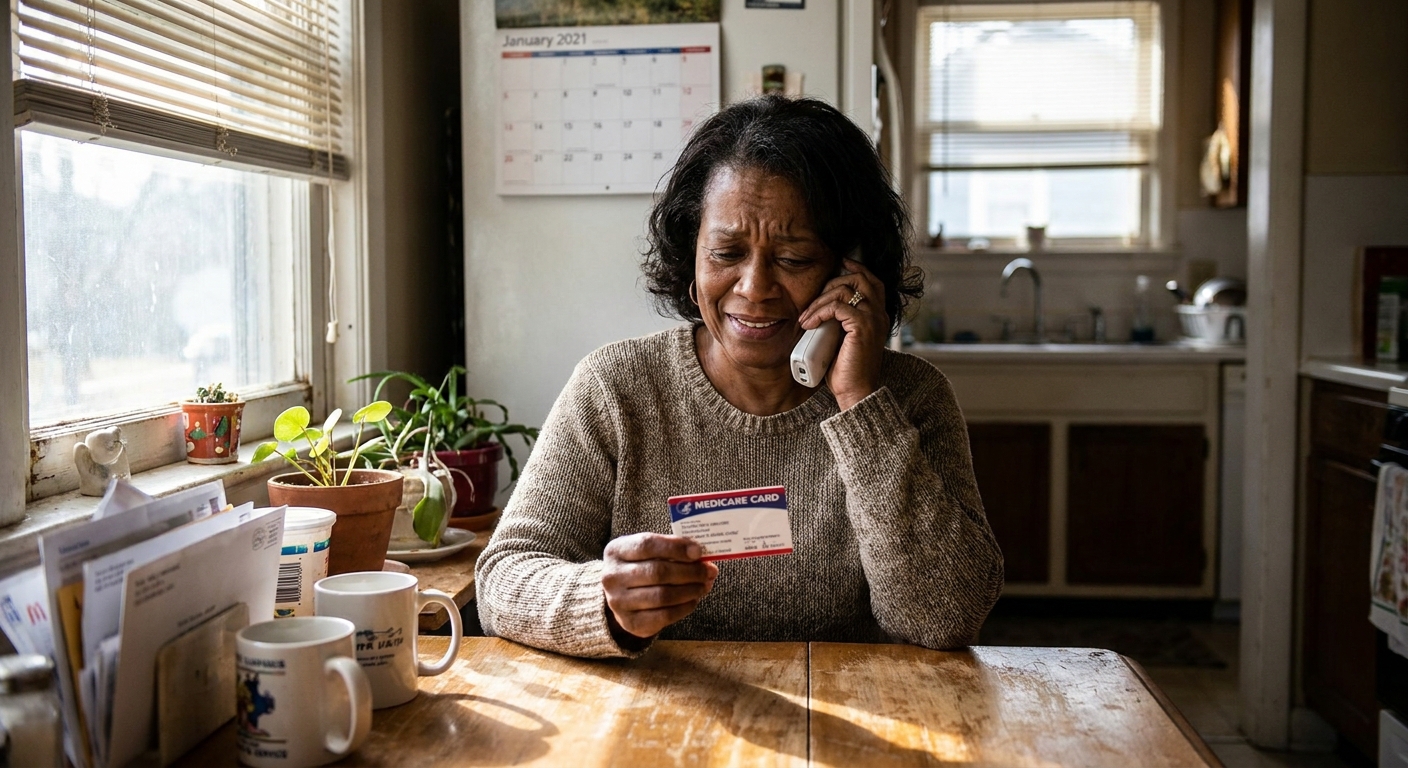
What “accepts Medicaid” actually means in practice is that the clinic has a billing relationship with your specific plan, not that approval is automatic. Before you schedule anything, call the clinic’s billing line and ask two questions: whether they accept your specific Medicaid plan (not just Medicaid generally), and whether they handle prior authorization on your behalf. Clinics that manage authorization internally save you the most time.
Telehealth vs. In-Person Access
A 2023 SAMHSA analysis of telehealth-delivered MAT found that states maintaining expanded telehealth flexibilities after 2021 saw meaningfully better treatment retention compared to those that reverted to in-person requirements. Maryland has maintained broader telehealth access, which affects how you structure your care.
The distinction to understand: getting Sublocade in Maryland always requires at least one in-office visit per month for the injection itself. But your induction assessment, follow-up check-ins, and counseling sessions may qualify for telehealth depending on your provider. Know which parts of your care can be remote before you pick a clinic. If transportation is a barrier, a clinic that handles everything in-person adds a real obstacle every thirty days.
Co-Occurring Mental Health Support
A 2021 study in Drug and Alcohol Dependence found that approximately 50 percent of people with opioid use disorder also meet criteria for a co-occurring mood or anxiety disorder. Clinics that treat both conditions in the same location show measurably better retention than those requiring patients to coordinate care across separate providers.
When you call a clinic, ask whether a licensed counselor or psychiatrist is on staff, not just a prescriber. A clinic with integrated behavioral health support is a different level of care than one focused solely on medication management. If the answer is no, that is useful information for your decision.
How to Evaluate a Clinic Before Your First Appointment
A 2022 study in Addiction Science and Clinical Practice found that perceived provider responsiveness during the first contact with a treatment program was one of the strongest predictors of whether a patient completed intake. The first call tells you a lot.
Questions to Ask When You Call
Three questions surface more useful information than a full intake checklist. First: how long after the assessment does the first injection happen? Clinics that require multiple visits before administering the medication add delays that cause people to drop out. The answer should be same-day or within the same week. Second: what is the protocol if you miss a monthly injection appointment? A clinic without a clear answer to this question has not thought through continuity of care. Third: do they handle prior authorization for your insurance, or do they require you to manage it? Each of these questions targets a specific point in the structure of a Sublocade program where people commonly fall through the gaps.
Red Flags to Watch For
SAMHSA’s 2023 Treatment Improvement Protocol on opioid use disorder identifies lack of psychosocial support as one of the most consistent markers of lower-quality MAT programs. In plain terms: a clinic that only prescribes medication and conducts no counseling is not a complete treatment program.
Other warning signs include providers who cannot or will not answer billing questions before intake, facilities with multi-week waits between assessment and first injection, and staff who discourage questions about treatment structure. If a clinic cannot answer your insurance question on the first call, move to the next option on your list. That is not a minor inconvenience. It predicts the experience you will have when something more complicated comes up.
Maryland-Specific Factors That Affect Your Search
Maryland’s overdose crisis has been driven heavily by fentanyl for several years running. A 2024 report from the Maryland Department of Health found that fentanyl was involved in more than 90 percent of the state’s overdose deaths in 2023, which has pushed demand for MAT services well above available capacity in several areas.
Geography shapes what is available to you. Baltimore, College Park, Linthicum Heights, Nottingham, and Owings Mills each have different wait times and service configurations. When you use the Maryland treatment locator at bha.health.maryland.gov, filter specifically for buprenorphine and injection-based treatment rather than running a broad search. A general MAT search returns methadone clinics and daily-dosing programs alongside injectable options, and those are distinct pathways. If you want to understand what starting this process in Maryland looks like in detail, that context helps before you make calls.
What to Try This Week
Call one clinic this week. Lead with two questions: whether they accept your insurance plan specifically, and whether the first injection happens at the same visit as the assessment. The call takes under ten minutes. It is not a commitment to anything. It is information gathering, and it is the move that starts the process.