Finding a sublocade doctor near me sounds like a simple search, but what you do with the results makes all the difference. The right provider doesn’t just administer an injection: they match your stage of treatment, verify your insurance, and set you up with a follow-up plan that actually sticks.
What Sublocade Actually Does in Your Body
A 2023 analysis published in JAMA Network Open, drawing on data from over 40,000 patients, found that people who received injectable buprenorphine were 14 times more likely to remain in treatment at six months compared to those who received no medication. That number is not a typo, and it points to something real about how Sublocade works mechanically.
Buprenorphine is a partial opioid agonist. It binds to the same receptors that heroin, fentanyl, and prescription painkillers target, but without producing a full euphoric response. The result is that cravings drop and withdrawal symptoms stay suppressed. Sublocade delivers buprenorphine as a once-monthly subcutaneous injection, which forms a solid depot under the skin and releases medication at a steady rate throughout the month.
What this means in practice: you don’t experience the peaks and troughs that come with daily sublingual doses. There’s no morning dose to remember, no afternoon dip in medication levels, and no missed doses that leave you vulnerable. For people who have stabilized on daily Suboxone and want a simpler structure, the transition to a monthly extended-release format removes a daily friction point from recovery. The concrete step here is straightforward: confirm with a provider whether you’ve been stable on sublingual buprenorphine long enough to be a candidate for the injectable form.
Who Qualifies for Sublocade Treatment
According to the FDA prescribing information and clinical guidelines from SAMHSA, Sublocade is approved for adults with moderate to severe opioid use disorder who have already started treatment with a transmucosal buprenorphine product. In practical terms, that means you need at least a few days of sublingual buprenorphine under your belt before the first injection, enough time to confirm tolerability and establish a stable dose.
A common misconception is that you have to be in treatment for months before qualifying. The induction period is actually short: typically seven days or more on sublingual buprenorphine is sufficient for many patients, though providers will make that call based on your individual history and stability. Another misconception is that a history of other substance use automatically disqualifies you. It doesn’t. Providers assess opioid use disorder specifically, and co-occurring substance use is addressed through the broader treatment plan.
When you call a provider for the first time, tell them you’re currently on or have recently used sublingual buprenorphine, name the dose if you know it, and mention any other medications you take. That information moves the intake conversation forward faster than a general description of your situation.
What to Look for in a Sublocade Doctor
SAMHSA’s 2023 National Survey on Drug Use and Health estimated that fewer than 25% of adults with opioid use disorder received any medication-assisted treatment in the prior year. One major driver of that gap is prescriber availability. Following the elimination of the DEA’s X-waiver requirement in 2023, any DEA-licensed provider can now prescribe buprenorphine, which expanded the pool of potential prescribers significantly. But the ability to prescribe and the expertise to manage treatment are not the same thing.
When evaluating a provider, look at four things: whether they have active DEA licensure, whether they have hands-on experience with medication-assisted treatment rather than occasional prescribing, whether they screen for and manage co-occurring mental health conditions, and whether they accept your insurance. Understanding what distinguishes a well-structured treatment program before you make calls saves you from wasting time on providers who technically qualify but lack the infrastructure to support you.
The one question to ask when you call: “Do you currently have a dedicated MAT program, or do you manage buprenorphine patients on a case-by-case basis?” The answer tells you immediately whether the practice is organized around this kind of care or treating it as a sideline.
Experience With Opioid Use Disorder vs. General Prescribers
A general practitioner who can technically write a Sublocade order and a specialist with a structured MAT program are different in ways that matter. Dosing decisions for injectable buprenorphine require an understanding of how the depot behaves over time, how to interpret changes in cravings or withdrawal symptoms between injections, and when a supplemental sublingual dose is warranted versus when a different clinical response is needed.
Providers without dedicated experience also tend to have less familiarity with side effect management: injection site reactions, constipation, sleep disruption, and the hormonal effects of sustained buprenorphine levels. A practice built around opioid use disorder treatment will have protocols for these situations. A general practice typically won’t. The practical difference shows up not at the first injection but at month three, when you need a dosing conversation and the provider doesn’t have the clinical context to have it well.
Insurance and Medicaid Coverage for Sublocade
Without insurance, Sublocade carries a list price that exceeds per injection. That cost is not a realistic option for most people seeking treatment, which makes insurance verification a non-negotiable first step.
Maryland Medicaid covers Sublocade for eligible patients. The program includes both fee-for-service Medicaid and managed care organizations operating in the state. Prior authorization is often required, meaning the provider’s office submits documentation confirming the diagnosis, the clinical rationale, and in some cases evidence of prior sublingual buprenorphine use. Most established MAT practices in Maryland handle prior authorization routinely and know what documentation the MCO requires.
Before your clinical intake, call the provider’s billing team and confirm two things: that your specific Medicaid plan is accepted, and that the practice has experience navigating prior authorization for Sublocade. If the billing team is uncertain on either point, that’s a meaningful signal about how smoothly the process will go.
Co-Occurring Mental Health Support
A 2020 study in Drug and Alcohol Dependence, analyzing outcomes across 3,200 patients in opioid use disorder treatment, found that untreated depression and anxiety were associated with a 40% higher rate of treatment dropout within the first 90 days. The mechanism is direct: unmanaged mental health symptoms increase the psychological pull toward substance use, and no medication fully compensates for that.
A provider who limits their assessment to opioid use history and medication dosing is leaving a significant gap in your care. The practices that produce better outcomes screen for depression, anxiety, PTSD, and trauma history during intake, and either provide behavioral health services on-site or have a documented referral process to someone who does. Ask at intake whether mental health screening is part of the standard assessment. If the answer is no, factor that into your decision about where to receive care.
How the First Appointment Works
A 2021 patient experience review published in Substance Abuse Treatment, Prevention, and Policy found that uncertainty about what to expect at a first MAT appointment was one of the most commonly cited reasons people delayed seeking treatment. Knowing the sequence in advance removes that barrier.
The first appointment typically starts with paperwork: intake forms covering your medical history, substance use history, and insurance information. A urine drug screen follows, which confirms current substance use and rules out contraindications. The provider then reviews your buprenorphine history, confirms you’ve completed the required induction period, and determines the appropriate starting dose. The injection itself is administered subcutaneously in the abdominal area by clinical staff. Post-injection monitoring, usually 30 minutes to an hour, confirms there are no immediate adverse reactions before you leave.
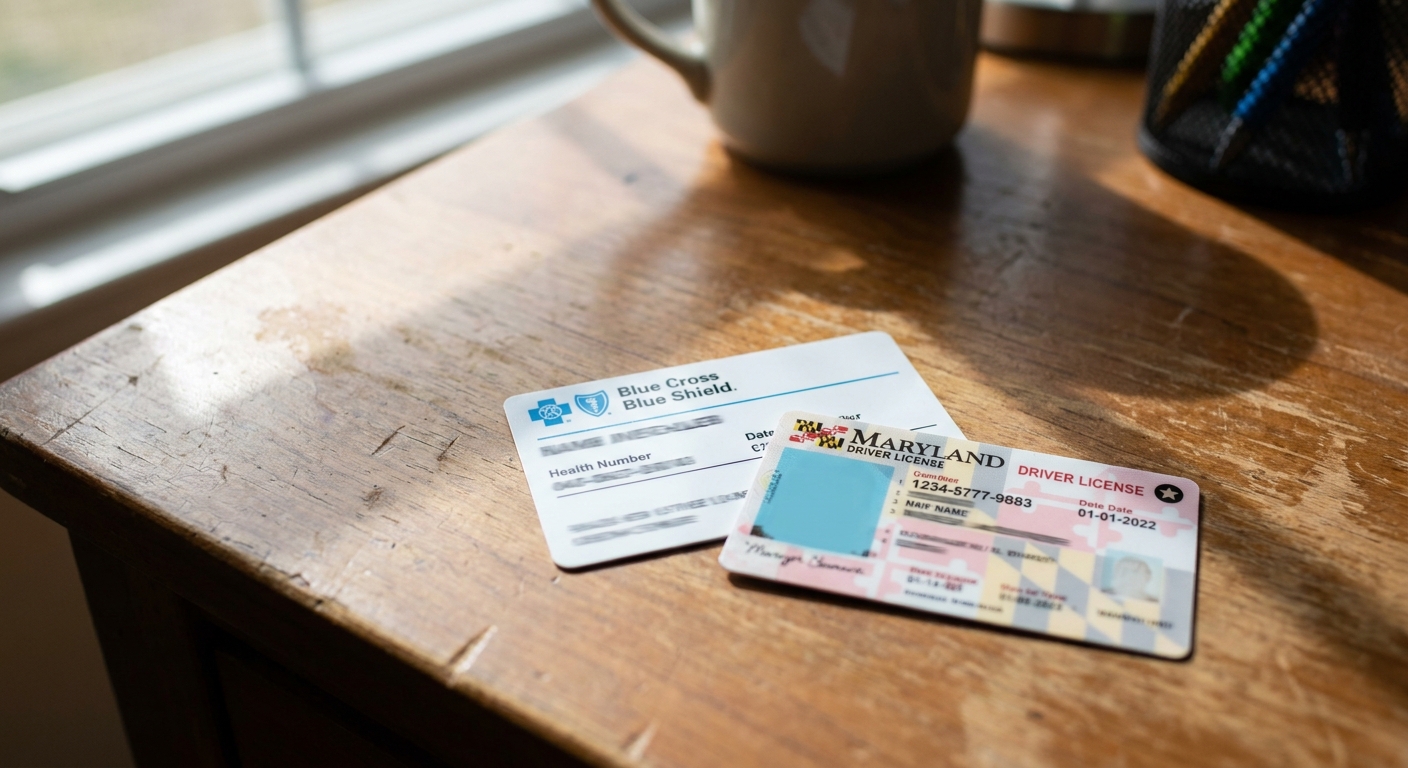
Bring your photo ID, insurance card, and a list of any current medications including supplements. If you have documentation of your current Suboxone prescription or dosing history, bring that too. Having this on hand means nothing delays your treatment start on the day of the appointment.
How to Find a Sublocade Doctor Near You
SAMHSA data on treatment-seeking behavior shows that patients who do not connect with a provider within one week of deciding to seek treatment are significantly less likely to follow through. Distance and friction are the two biggest factors in that drop-off. Proximity matters not just for the first appointment but for every subsequent monthly visit.
The SAMHSA treatment locator at findtreatment.gov lets you search by ZIP code and filter for buprenorphine-certified providers. Your insurance company’s provider directory is another reliable source and has the added benefit of confirming in-network status before you call. A referral from a primary care provider is also a viable path, particularly if you already have an established relationship with a PCP who knows your history.
For Maryland patients specifically, locating a clinic that manages the full treatment picture makes the monthly structure significantly more manageable. The logistics of a once-monthly injection are simple; the coordination around insurance, prior auth, and follow-up monitoring is where an organized practice earns its place. Use the SAMHSA locator with your ZIP code today and make the call to the top in-network result before the week is out.
What to Ask When You Call
Three questions filter for access-ready practices more reliably than any other. First: “Do you accept Maryland Medicaid or my specific insurance plan?” This confirms the financial side before you invest time in a clinical conversation. Second: “Are you currently accepting new Sublocade patients?” Practices with active programs sometimes have waitlists, and knowing upfront saves a frustrating intake process that leads nowhere. Third: “Can you schedule me within the same week?” A practice with capacity and a real MAT infrastructure answers yes or gives you a specific date. Vague responses about calling back are a sign of limited bandwidth.
These three questions take under two minutes on a phone call and tell you almost everything you need to know about whether a given practice is ready to start working with you now.
Red Flags to Watch For
A 2019 report from the Office of Inspector General found that a subset of MAT providers discharged patients prematurely or lacked adequate monitoring protocols, particularly in practices where addiction medicine was not a primary focus. The warning signs are recognizable before you ever reach a clinical appointment.
Providers who ask no questions about mental health history during the intake call, offices that default to cash-only payment without clearly explaining why or offering financial assistance alternatives, and practices that can’t describe what happens after the injection, meaning the monitoring protocol and follow-up schedule, are all signs of under-resourced care. Knowing what a legitimate injection program looks like before you start calling gives you a clear baseline. If basic questions about the follow-up protocol get vague or dismissive answers, move to the next provider on your list.
What Happens After You Start Treatment
A 2022 longitudinal study published in Addiction, tracking 1,800 patients on extended-release buprenorphine over 24 months, found a retention rate of 68% at one year, substantially higher than the rates reported for daily oral buprenorphine in similar populations. The monthly injection schedule itself drives part of that retention: fewer clinic visits for medication management, no daily dose adherence burden, and a consistent medication level that stabilizes the recovery environment.
After the first injection, follow-up appointments are monthly and serve two purposes: administering the next injection and reviewing how the current month went. Providers monitor for injection site changes, assess craving levels, and adjust the clinical plan based on what you report. Dosing adjustments happen based on clinical response, not on a fixed schedule. The path toward tapering or eventual discontinuation is a conversation that typically begins after sustained stability, and it happens gradually, not abruptly.
At your first appointment, ask for a written 90-day treatment plan. It should outline your injection schedule, who to contact between appointments, how mental health support is integrated, and what the criteria are for adjusting your dose. A provider who can’t produce that document is running the program informally, and informal programs produce inconsistent outcomes.
What to Try This Week
Open the SAMHSA locator at findtreatment.gov, enter your Maryland ZIP code, and filter for buprenorphine providers. Identify one in-network practice. Call before Friday and ask the three questions: insurance acceptance, current patient availability, same-week scheduling. That call takes five minutes. It is the only task that matters this week.