Finding a sublocade shot near you in Maryland is simpler than most people expect, but knowing what the treatment actually involves makes the process significantly faster. This guide covers how Sublocade works, who qualifies, what the first appointment looks like, and how to navigate cost and coverage before you walk in the door.
What Sublocade Actually Is (and Why It’s Different)
A 2022 study published in Addiction comparing extended-release buprenorphine to daily oral formulations found that patients receiving the injectable form were significantly more likely to remain in treatment at six months, with retention rates 40% higher than the oral group. The mechanism behind that difference is straightforward: removing the daily dose removes a daily point of failure.
Sublocade is a once-monthly injectable form of buprenorphine, administered in a clinical setting by a healthcare provider. It is not a pill, not a sublingual film, and not something you manage at home. A provider gives the injection once every 28 to 30 days, and the medication does the rest. For people who have been managing daily Suboxone and want a simpler routine, or who find consistent daily dosing difficult to maintain, that distinction matters. If you want a deeper look at how the extended-release formulation differs from daily options, the mechanism is worth understanding before your first appointment.
How the Shot Works in Your Body
FDA submission pharmacokinetic data on subcutaneous buprenorphine depot formulations show that extended-release injectable buprenorphine produces plasma concentrations that stabilize within the first month and remain consistent throughout the dosing interval, unlike oral buprenorphine, which creates peaks shortly after each dose and troughs before the next one.
The depot mechanism works like this: the injection forms a small, solid mass just beneath the skin of the abdomen. That mass dissolves gradually over the following four weeks, releasing buprenorphine at a steady rate. No peaks. No troughs. No morning scramble to get a dose in before cravings build.
What “steady state” means for daily functioning is worth taking seriously. Stable blood levels translate to fewer craving spikes, reduced withdrawal risk between appointments, and more predictable day-to-day experience. Patients who have switched from daily Suboxone often describe the shift as moving from actively managing their treatment to simply living their life. That is the practical payoff of understanding how the monthly buprenorphine injection actually works before deciding whether it fits your situation.
Who Qualifies for Sublocade
SAMHSA’s clinical guidelines on medication-assisted treatment identify two baseline eligibility criteria for extended-release injectable buprenorphine: a diagnosis of moderate-to-severe opioid use disorder, and a period of stability on transmucosal buprenorphine before the first injection. If you are currently dependent on heroin, fentanyl, or prescription opioids, this is exactly the clinical profile Sublocade is designed to treat.
Maryland Medicaid covers FDA-approved MAT medications, including Sublocade, which removes cost as a barrier for most patients in this audience. Confirming coverage before an appointment is worth one phone call, covered in the cost section below.
At a first appointment, the most useful thing you can do is be direct about your current opioid use: what you are using, how often, and your last use date. Providers need that information to assess where you are in the eligibility process and whether you need a lead-in period first. Vague answers slow down the intake; specific ones move it forward.
The Buprenorphine Lead-In Period
Sublocade cannot be the first buprenorphine product you receive. Before the injection can be administered safely, the body needs to be stable on transmucosal buprenorphine, typically for a minimum of seven days. This requirement exists to prevent precipitated withdrawal, a rapid and severe onset of withdrawal symptoms that occurs when a depot formulation is introduced before the body has adjusted.
The plain-English version: your system needs to tolerate buprenorphine before a month’s worth of it is deposited under the skin. If you are not yet on buprenorphine, starting oral or sublingual buprenorphine this week is the first concrete step toward qualifying for the injection.
Co-Occurring Mental Health Conditions
NIDA data consistently show that roughly half of people with opioid use disorder also meet criteria for a co-occurring mental health condition, most commonly depression or anxiety. Having a mental health diagnosis does not disqualify you from Sublocade. Research on integrated care models demonstrates better treatment outcomes when MAT and mental health support are delivered together rather than sequentially.
When contacting any provider, ask directly whether mental health support is available alongside MAT, or whether they coordinate with a provider who offers it. Integrated care produces better outcomes, and that question is worth asking upfront.
What to Expect at Your First Appointment
A 2021 study in the Journal of Substance Abuse Treatment found that patients receiving injectable MAT had significantly higher appointment completion rates compared to those on daily oral medication, with completion rates at three months exceeding 70% in the injectable group. The first appointment sets the trajectory, so knowing what happens in it reduces the friction of showing up.
The intake sequence typically moves through an assessment of opioid use history, a review of any current medications, insurance and Medicaid verification, and then the injection itself. The shot is administered by a healthcare provider into the abdomen. The procedure takes a few minutes. Afterward, a small lump under the skin is normal and expected as the depot forms. It is not a sign of a problem.
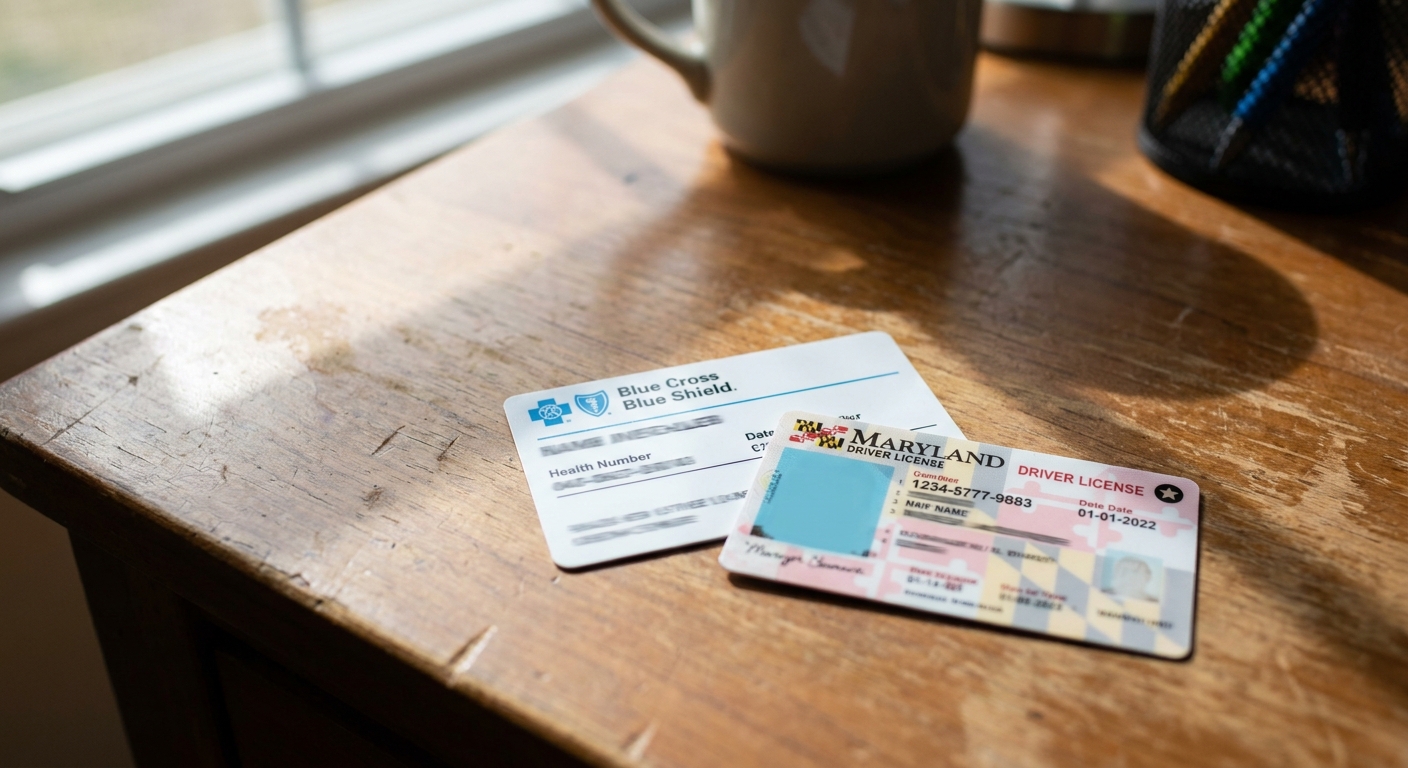
Bring your insurance card, a current medication list, and a clear account of your opioid use history to that first visit. Providers who handle Sublocade injections in Maryland will tell you the same thing: complete intake information on day one cuts the time between arrival and treatment.
Understanding the Cost and Coverage Landscape
A 2023 KFF analysis of Medicaid MAT coverage found that all 50 states cover buprenorphine products under Medicaid, with Maryland among the states offering coverage without prior authorization for extended-release formulations. For most patients in this audience, Sublocade is a covered medication.
Three scenarios cover the majority of people asking about cost. Medicaid patients in Maryland are covered under Maryland Medical Assistance for FDA-approved MAT, including Sublocade. Patients on commercial insurance are generally covered under federal mental health parity laws, which require commercial plans to treat MAT the same as other medical treatments. Uninsured patients have access to Indivior’s SUBLOCADE Patient Assistance Program, which provides the medication at no cost to qualifying individuals based on income.
The action before your first appointment: call the provider’s billing line and confirm coverage. One conversation prevents unexpected costs and answers the question definitively rather than leaving it open until after the injection is given.
Maryland Medicaid and Sublocade
Maryland’s expanded Medicaid program covers FDA-approved medications for opioid use disorder, and Sublocade qualifies. For patients who are uninsured or on Medicaid, cost is not a reason to delay starting treatment. Coverage exists, and the billing process at MAT-focused practices is typically handled in-house. If you are working through finding the right Sublocade clinic in Maryland for your location, confirming Medicaid acceptance is one of the first questions worth asking.
Common Concerns (and the Evidence Behind Each Answer)
“Will I Feel High or Sedated?”
A randomized controlled trial published in Drug and Alcohol Dependence evaluated subjective drug effects in patients receiving therapeutic doses of buprenorphine. At clinically appropriate doses, buprenorphine does not produce euphoria. The partial agonist ceiling limits the subjective effect, meaning the medication occupies opioid receptors without triggering the response that characterizes opioid misuse.
What this means in practice: you can work, drive, and function normally on Sublocade. The medication is designed to stabilize, not sedate.
“What If I Use Opioids While on Sublocade?”
Research on buprenorphine’s partial agonist ceiling effect demonstrates that adding full opioid agonists on top of a therapeutic buprenorphine dose produces little to no additional effect. The receptors are already occupied. Using opioids while on Sublocade does not produce the expected high, which is a key part of why the medication reduces cravings: the reward pathway is effectively blocked.
Understanding this mechanism is worth discussing openly with a provider. It is not a loophole or a limitation of the treatment. It is how the treatment works.
“How Long Will I Need It?”
ASAM’s national practice guidelines on OUD treatment state clearly that longer duration of MAT is associated with better outcomes and lower relapse risk. The research does not support setting an exit date before treatment begins.
The practical move: focus on the first injection, not the last one. Duration is determined over time based on stability, not set at intake. Patients who approach treatment with an open timeline do better than those trying to plan their way out of it before they are in it.
How to Find a Sublocade Provider Near You in Maryland
SAMHSA’s 2023 treatment locator data show a persistent gap between demand for MAT and available providers, particularly in suburban and semi-urban Maryland counties. Two channels reliably connect patients with providers: SAMHSA’s online treatment locator at findtreatment.gov, and direct outreach to MAT-focused clinics by phone or online intake form.
Maryland locations with established Sublocade access include Baltimore, College Park, Linthicum Heights, Nottingham, and Owings Mills. Telehealth intake is available at many Maryland practices, meaning the evaluation process can begin without an in-person visit in some cases. For a direct breakdown of where to access Sublocade across Maryland by location, that resource covers the specifics by county.
When you contact a provider, ask specifically about a Sublocade evaluation appointment rather than a general inquiry. That framing signals you have already done the research and are ready to begin the intake process, which typically moves things forward faster.
What to Try This Week
Call or contact a Sublocade provider in your area today to schedule an intake evaluation. That is the step. Not a general inquiry, not more research first: an appointment request for an intake evaluation.
A 2020 study in JAMA Psychiatry found that each week without medication-assisted treatment is associated with a statistically significant increase in relapse risk among people with opioid use disorder. The evidence on this is not ambiguous. Stable MAT reduces that risk. Every week of delay does not.
If you are not sure where to start, connecting with a Sublocade doctor in your area is the fastest path from this page to an actual appointment. Make the call this week.