Opioid use disorder affects more than 100,000 Marylanders, yet fewer than 20 percent of people who need medication-assisted treatment ever receive it, according to a 2022 SAMHSA national survey of treatment utilization. If you’re researching sublocade treatment in Maryland, the most useful thing to know upfront is that starting is simpler than most people expect, and the barriers you’re imagining are mostly smaller than the real ones.
What Sublocade Is and How It Works
A 2021 study published in JAMA Psychiatry, tracking 428 adults with opioid use disorder over 24 weeks, found that patients receiving extended-release injectable buprenorphine were significantly more likely to maintain opioid abstinence than those on placebo, with sustained response rates above 40 percent compared to 28 percent for oral formulations. The mechanism explains why: Sublocade is a once-monthly, extended-release buprenorphine injection administered in a provider’s office. A single injection forms a depot under the skin, releasing buprenorphine steadily over 30 days.
What this means in practice is that your medication level stays consistent throughout the month. There are no peaks after you take a dose, no valleys as it wears off before the next one, and no moment in the day when your body is running on less medication than it needs. That stability is exactly what makes cravings harder to gain traction.
Understanding how the extended-release delivery system works is the most useful preparation for your first provider conversation.
How Sublocade Differs from Daily Buprenorphine
A 2020 randomized controlled trial published in The Lancet, involving 525 participants across multiple treatment sites, compared monthly injectable buprenorphine to daily sublingual buprenorphine. Patients in the injectable group showed meaningfully higher adherence over six months, with 84 percent completing the treatment period compared to 72 percent in the daily pill group. The reason isn’t complicated: taking a pill every day requires a decision every day. An injection, made once at a provider’s office, removes that variable entirely.
If you’re currently on sublingual buprenorphine and finding daily consistency difficult, that conversation with your prescriber is worth having this week. Many patients who stabilize on daily Suboxone transition to Sublocade specifically to simplify the routine. The transition from a daily dose to a monthly buprenorphine injection is a straightforward clinical process your provider manages.
Who Qualifies for Sublocade in Maryland
SAMHSA’s 2023 national survey on drug use and health estimated that over 2.5 million Americans meet criteria for opioid use disorder, and the qualification threshold for Sublocade is lower than most people assume. To receive your first injection, you need a confirmed opioid use disorder diagnosis and at least seven days on transmucosal buprenorphine, such as Suboxone or generic equivalents, without precipitating withdrawal. That transitional period is a medical requirement, not an obstacle, and most providers manage it as part of intake.
Whether your opioid use involves heroin, fentanyl, or prescription painkillers, you qualify under the same clinical criteria. Maryland’s opioid crisis has concentrated particularly in fentanyl-related overdoses, but the treatment pathway is the same regardless of the substance. The biggest barrier to access is almost always not knowing the criteria, not failing to meet them.
What to Expect at Your First Appointment
A 2019 patient engagement study from the National Institute on Drug Abuse, following 1,200 adults entering MOUD programs, found that patients who received a clear explanation of the intake process at first contact were 31 percent more likely to attend their second appointment. Knowing what happens ahead of time matters.
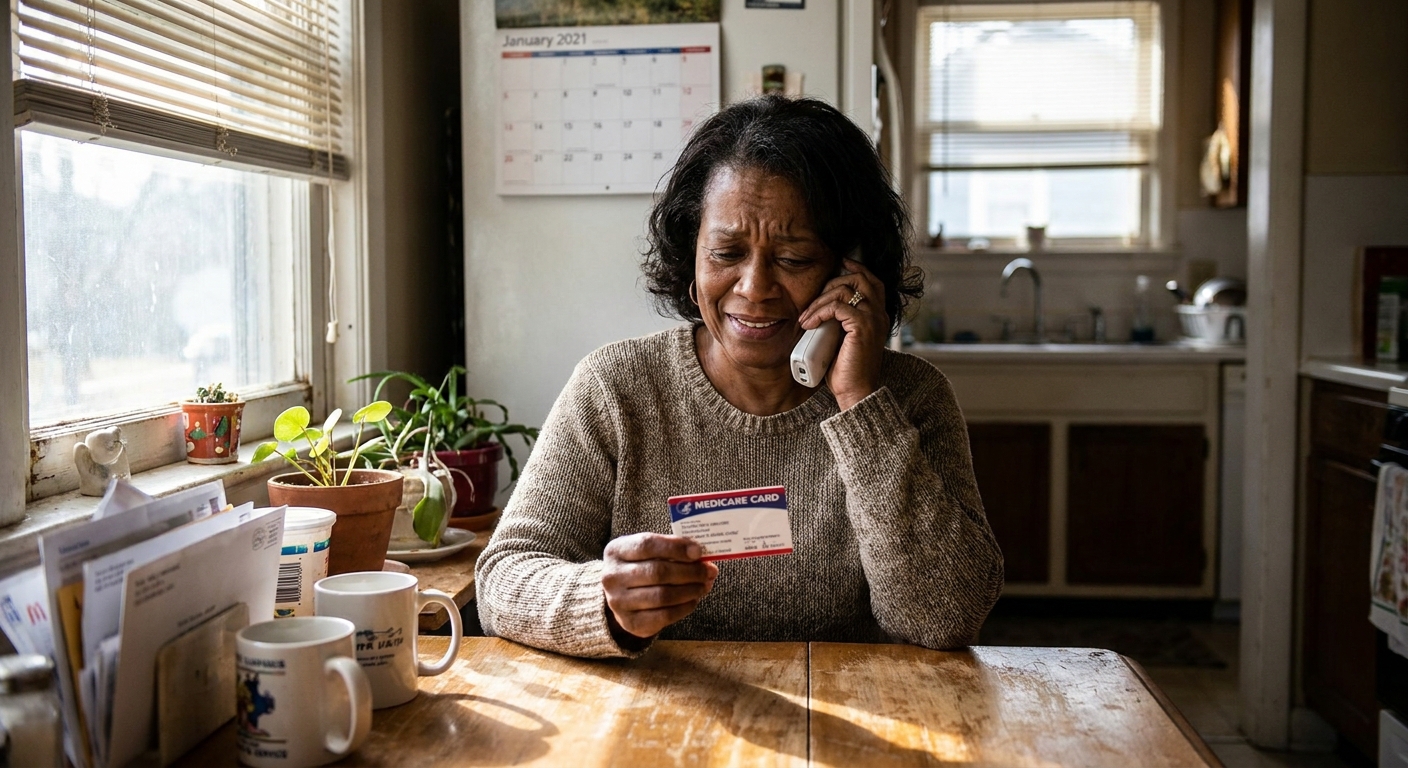
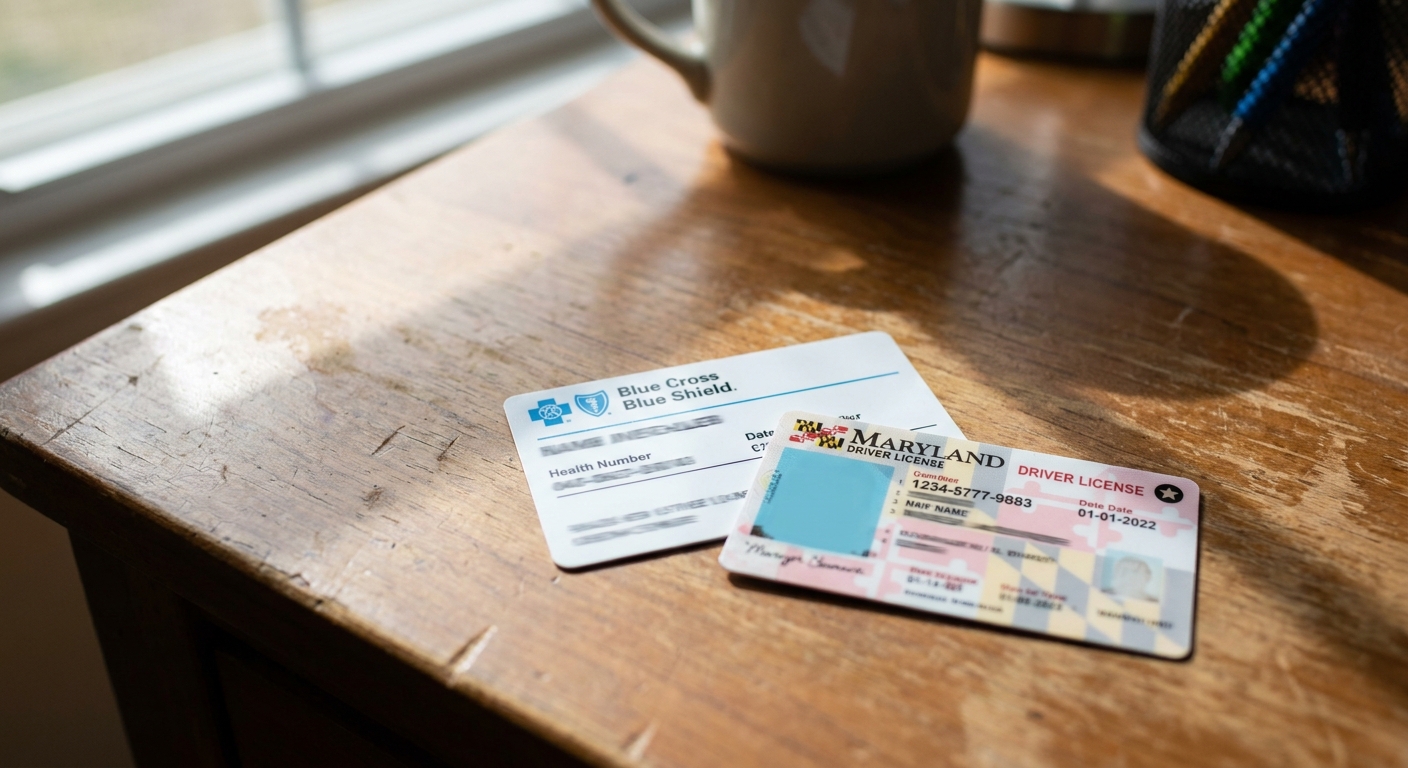
At your first appointment, expect an intake assessment covering your health history and substance use, insurance verification, a prescription for transitional buprenorphine to take for at least seven days, and scheduling for your first injection. The appointment is clinical and structured, but it is not an interrogation. Before you call, gather your insurance card and a list of any current medications. That preparation cuts the intake time significantly and puts you in control of the conversation.
How Maryland Insurance Covers Sublocade
According to a 2022 Kaiser Family Foundation analysis of Medicaid MOUD coverage across all 50 states, Maryland Medicaid covers Sublocade without requiring prior authorization. That’s a meaningful distinction: in states where prior authorization is required, treatment can be delayed by weeks. In Maryland, Medicaid-covered patients face no such gatekeeping for this medication.
Commercial insurance coverage varies by plan, but most major carriers cover Sublocade under pharmacy or medical benefits. The action here is to call before assuming. Many patients delay treatment because they presume cost is a barrier when it isn’t. Finding a Sublocade provider in Maryland who handles insurance verification as part of intake removes that uncertainty from your plate entirely.
Navigating Coverage Without Insurance
A 2021 Health Affairs study of 3,800 uninsured adults seeking addiction treatment found that fewer than 15 percent knew about manufacturer patient assistance programs before being told by a provider. Indivior, the manufacturer of Sublocade, operates a patient assistance program that covers the cost of the medication for patients who qualify based on income. Federally qualified health centers across Maryland also offer MOUD on sliding-scale fees. Maryland’s state-funded treatment slots, administered through the Behavioral Health Administration, provide another pathway for uninsured patients.
If cost or insurance status is the specific concern holding you back, look up the Maryland Behavioral Health Administration’s treatment locator this week. Coverage is rarely a dead end; it’s a logistics question with real answers.
Finding Sublocade Treatment Across Maryland
A 2022 CDC analysis of opioid treatment access found that rural and suburban populations face treatment access gaps up to three times larger than urban centers, even when controlling for population density. Maryland’s treatment landscape reflects that pattern, which is why statewide reach across locations like Baltimore, College Park, Linthicum Heights, Nottingham, and Owings Mills matters for patients who need a provider they can actually get to every month.
When evaluating a provider, the questions that matter most are whether they administer Sublocade on-site, whether they have experience managing the transition from sublingual buprenorphine, and whether integrated mental health support is available for co-occurring conditions like anxiety or depression. Many people seeking treatment for opioid use disorder are managing both simultaneously, and a provider who treats only the addiction piece is treating half the picture. For a direct look at what’s available across the state, it helps to work with a practice that coordinates both components.
What to Ask a Provider Before Your First Injection
A 2020 patient-provider communication study in Patient Education and Counseling, tracking 640 adults in chronic disease treatment programs, found that patients who arrived with prepared questions retained 42 percent more information from the appointment and reported higher satisfaction with their care six months later. Preparation pays off.
The three questions worth asking before your first injection: Do you administer Sublocade on-site at every visit? How do you manage the transition from sublingual buprenorphine? What mental health support is available alongside medication? Write those down before you make the first call. A provider who specializes in this type of care will answer all three without hesitation.
Common Reasons People Delay Treatment, and Why They Don’t Hold Up
A 2019 study in the New England Journal of Medicine, following 17,568 adults with opioid use disorder, found that each week of delayed treatment was associated with a measurable increase in overdose risk. Delay has a cost, and the reasons people delay are usually based on misconceptions.
The most common hesitation is the belief that a monthly injection locks you in. It doesn’t. Sublocade is a treatment with scheduled appointments, and your care plan adjusts over time based on how you’re doing. The second concern is cost, which the coverage section addresses directly. The third is uncertainty about whether the situation is serious enough to warrant treatment. Opioid use disorder is a medical condition with effective treatments. Severity is not a prerequisite for access.
Identify which hesitation applies to your situation and look up the specific answer this week. Letting the concern sit unanswered is how weeks become months.
What to Try This Week
Call a Sublocade provider in Maryland today, not to commit to anything, but to ask two questions: Do you accept my insurance, and how soon can I be seen? That’s the entire first step. A 2021 study in Drug and Alcohol Dependence, following 2,100 adults who initiated MOUD, found that patients who started medication within two weeks of first seeking help had a 60 percent higher rate of treatment retention at one year compared to those who delayed. Starting fast produces better outcomes. Connecting with a clinic that fits your location and situation takes one phone call.