Finding a suboxone clinic in Baltimore that accepts your insurance, sees you quickly, and actually supports your recovery takes more than a Google search. This guide walks you through what good treatment looks like, what to ask before you book, and how to avoid clinics that will waste your time.
What Suboxone Treatment Actually Does
A 2020 meta-analysis published in JAMA Psychiatry, drawing on data from over 40 randomized controlled trials, found that buprenorphine-based treatment reduces opioid use by roughly 50% and cuts overdose mortality by up to 38% compared to no medication treatment. Those are not small numbers, and they matter when you’re deciding whether to pursue this path.
Suboxone combines buprenorphine and naloxone. Buprenorphine is a partial opioid agonist, meaning it activates the same receptors as heroin or fentanyl but only partially, enough to eliminate withdrawal and cravings without producing a high. Naloxone is added as an abuse deterrent. Together, they stabilize your system so you can focus on everything else recovery requires.
Understanding this mechanism gives you a practical edge. When you call a clinic, you can ask how they determine starting doses, how they manage induction, and what happens if your dose needs adjustment. A clinic that answers these questions clearly and without impatience is already signaling something about its quality of care.
What to Look for in a Baltimore Suboxone Clinic
A 2022 SAMHSA analysis of treatment program outcomes found that patients in integrated care settings, where prescribing and behavioral support happened under the same roof, showed 31% higher 12-month retention rates than those in medication-only programs. Retention is what actually matters in addiction treatment. Staying in treatment predicts everything from employment outcomes to survival.
Four criteria separate quality clinics from the rest: licensed prescribers, medication combined with counseling, Medicaid acceptance, and same-day or rapid intake. Each one is worth understanding before you make your first call.
Credentials and Licensing
Before 2023, providers who wanted to prescribe buprenorphine needed a DEA waiver, commonly called an X-waiver, requiring special training and a patient cap. The Mainstreaming Addiction Treatment Act of 2023 eliminated that waiver requirement, meaning any DEA-licensed practitioner with Schedule III prescribing authority can now treat opioid use disorder with buprenorphine.
What this means in practice: the pool of eligible providers has grown, but you still want to confirm that the prescriber holds an active DEA registration and that the clinic is operating as a legitimate medical practice, not a cash-only operation with no verifiable licensing. Ask directly: “Is your prescriber DEA-registered and currently accepting new patients?” A confident yes, without hesitation, is what you want to hear.
Counseling and Wraparound Support
NIDA-funded research published in Drug and Alcohol Dependence in 2021 tracked 1,200 patients over 18 months and found that buprenorphine alone reduced illicit opioid use significantly compared to placebo, but patients who received concurrent behavioral therapy showed 40% better outcomes on long-term abstinence measures. Medication is not optional, and neither is counseling.
Wraparound support, in concrete terms, means mental health co-treatment for patients managing depression or anxiety alongside opioid use disorder, peer recovery coaching from someone who has been through the process, and case management that connects you to housing or employment resources if you need them. Ask any clinic you’re considering: “Is counseling included in my care, or do you refer out?” If they refer out without helping you navigate that process, that’s a gap worth noting.
Insurance, Medicaid, and No-Coverage Options
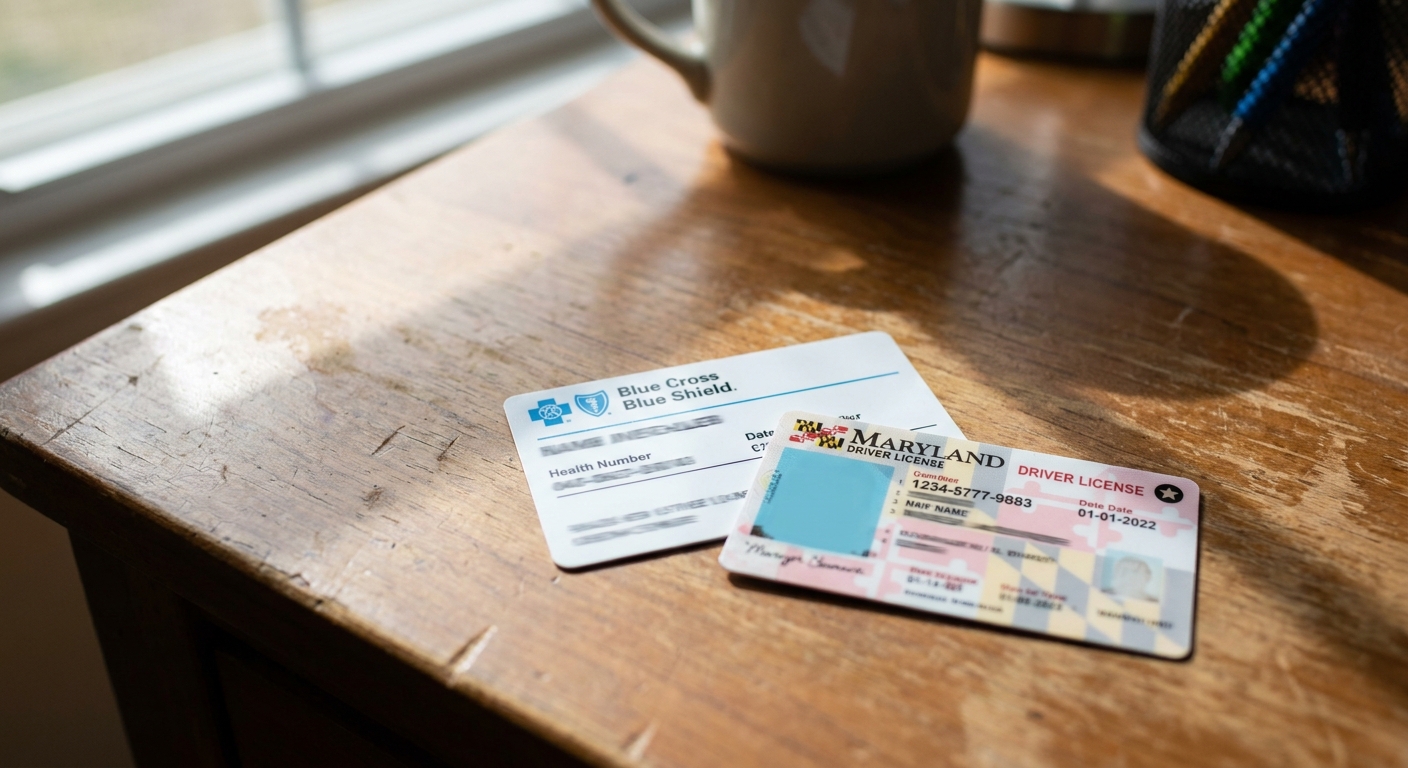
Maryland Medicaid covers medication-assisted treatment under its behavioral health program, including Suboxone and the associated office visits. According to the Maryland Department of Health, MAT is a covered benefit with no prior authorization required in most cases. Most outpatient Suboxone clinics in Baltimore accept Medicaid, but not all do, and the difference matters when cost determines whether you can sustain treatment.
For patients without coverage, federally qualified health centers (FQHCs) in Baltimore operate on sliding-scale fees tied to income. Before your first appointment, confirm insurance acceptance over the phone. Do not assume. One five-minute call before you go in saves you from an unexpected bill that disrupts your recovery.
If you’re also exploring options outside the city, there are detailed breakdowns of what to evaluate when comparing MAT providers across the Baltimore area.
How to Evaluate a Clinic Before You Go
A 2022 study in Addiction Science and Clinical Practice surveying 850 patients in opioid use disorder treatment found that therapeutic alliance, meaning trust and respect in the patient-provider relationship, was the single strongest predictor of 6-month retention, outperforming both medication dose and frequency of visits. The relationship matters as much as the prescription.
Your first call to a clinic is already diagnostic. A staff member who answers questions clearly, explains the intake process without condescension, and gives you a realistic timeline for being seen is showing you how care is delivered. A clinic that puts you on hold repeatedly, can’t tell you whether Medicaid is accepted, or asks you to come in before answering basic questions is showing you that too.
Run three questions on every intake call: Do you offer same-day or next-day intake? Is counseling part of the program? Do you accept my insurance? The answers, and how they’re delivered, tell you more than any website.
Red Flags to Watch For
Prescribing without any counseling component is a serious warning sign. A clinic that hands you a prescription and schedules a follow-up in 30 days without any behavioral health component is not providing treatment, it’s providing medication management, which is a meaningful difference in outcomes.
Cash-only operations that can’t verify DEA registration, clinics with no clear intake process or intake timelines, and practices that can’t explain what happens if your needs change are all red flags grounded in patient safety. High-volume, low-contact prescribing (sometimes called pill mill-style volume practice) puts patients at risk by skipping the individualized dose titration and monitoring that good MAT requires. If a clinic can’t answer two basic questions about how care is delivered, move to the next one on your list. There are good options available, and you don’t owe any clinic your time if it can’t meet a basic standard of transparency.
If you’re looking beyond Baltimore, you can find a comparable breakdown of what to look for when evaluating providers in the Owings Mills area.
Baltimore-Specific Resources and What They Cover
Baltimore City had one of the highest opioid overdose death rates of any major U.S. city in recent years. According to the Baltimore City Health Department, fentanyl was involved in over 90% of overdose deaths recorded in 2023, a figure that underscores why access to treatment, not just access to Narcan, is the defining public health issue in the city right now.
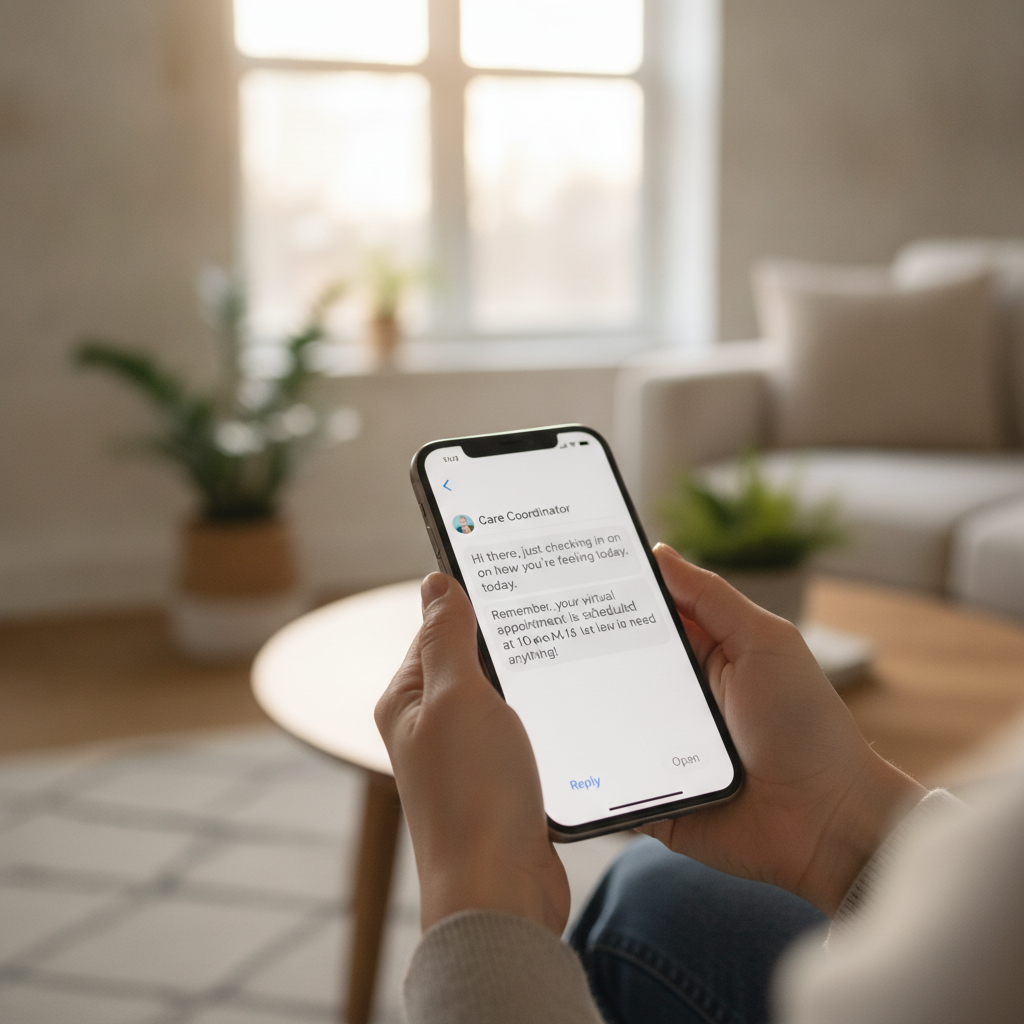
The treatment landscape in Baltimore includes several distinct formats. Office-based opioid treatment (OBOT) programs prescribe buprenorphine through standard outpatient clinic visits, typically weekly at first, then monthly once stable. Opioid treatment programs (OTPs) dispense methadone daily on-site, which is more restrictive but appropriate for patients with more complex presentations. Telehealth MAT, now widely available post-pandemic, allows you to complete intake and follow-up appointments remotely, which removes transportation as a barrier.
The format that fits your life depends on your schedule and your current level of stability. If you’re working and need flexibility, OBOT or telehealth is the practical choice. If your situation is less stable and you need more structure and daily accountability, an OTP may serve you better. Patients in other Maryland areas, including those searching for treatment options near Baltimore or exploring programs in College Park, face similar format decisions and the same criteria apply.
What to Expect in the First Appointment
A 2021 study in Annals of Internal Medicine analyzing 5,000 buprenorphine treatment episodes found that nearly 30% of patients who completed an intake assessment never filled their first prescription. The gap between intake and first dose is where treatment loses people, and knowing what to expect closes that gap.
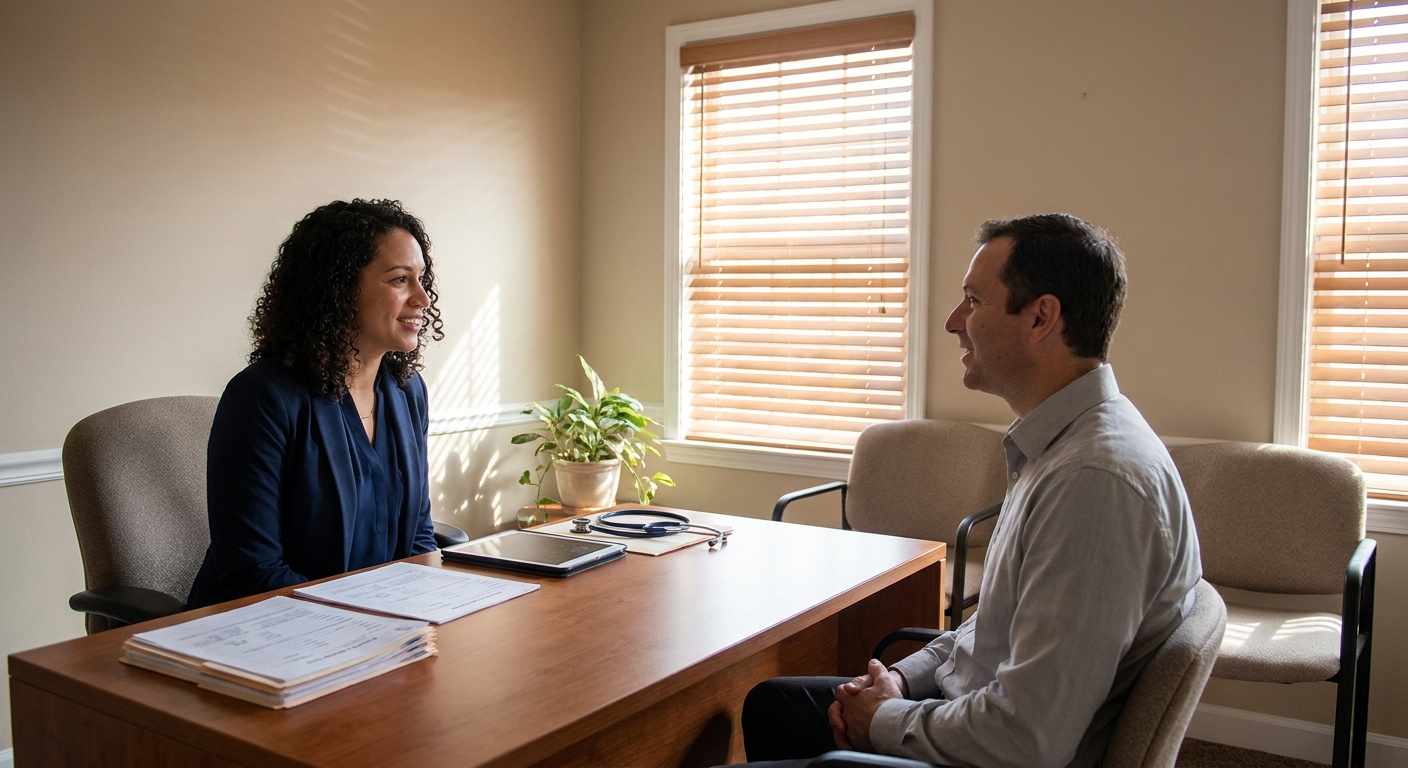
At your first appointment, the clinic will take a medical history, run a urine drug screen, check the Maryland Prescription Drug Monitoring Program (PDMP), review your current medications for interactions, and discuss the induction process with you. Induction means starting buprenorphine at a low dose when you’re already in mild withdrawal, then titrating up to a stable maintenance dose, usually over the first few days.
Bring a complete list of every medication you currently take, including over-the-counter supplements, and any documentation from prior treatment if you have it. Understanding the full picture of your options in Baltimore before your appointment, including how different medications work and how programs are structured, makes the intake conversation more productive. This cuts the time spent on intake logistics and gets you to a prescription faster.
What to Try This Week
Identify two Baltimore-area Suboxone clinics that accept your insurance. Call both today. Ask exactly three questions: Do you offer same-day or next-day intake? Is counseling included in the program? Do you accept Medicaid or my plan?
That call, on those two clinics, is the move that starts the process. You don’t need a full plan. You need to know which clinic can see you fastest and will provide actual treatment, not just a prescription. Make the call today, and book the earlier appointment.