Finding a suboxone clinic in College Park starts with one decision that most people get wrong: choosing based on location alone, before knowing what the clinic actually offers.
What Suboxone Treatment Actually Does
A 2020 study published in JAMA Psychiatry, analyzing data from over 40,000 patients across Massachusetts, found that buprenorphine treatment reduced opioid overdose mortality by 38% compared to no treatment. That number reflects something important about how the medication works, not just that it works.
Suboxone combines buprenorphine and naloxone. Buprenorphine is a partial opioid agonist, which means it binds to the same receptors as heroin or fentanyl but produces a ceiling effect rather than an escalating high. The naloxone component discourages misuse. Together, they stabilize brain chemistry, reduce cravings, and block the withdrawal symptoms that drive most people back to using within days of stopping.
Understanding this mechanism matters for one practical reason: it helps you ask sharper questions when you call a clinic. You’re not just asking about availability. You’re asking whether the prescribing approach matches the evidence, whether dosing will be adjusted based on your response, and whether the medication is paired with support that addresses what drove the addiction in the first place.
What to Look for in a College Park Suboxone Clinic
SAMHSA’s 2023 National Survey on Drug Use and Health found that fewer than 22% of adults with opioid use disorder received any form of medication-assisted treatment. The gap between need and access is real, and it’s often created by the clinics themselves, not the patients. Knowing what separates an effective clinic from a barrier-heavy one changes who you call.
Medicaid Acceptance and Insurance Coverage
Maryland has one of the stronger Medicaid frameworks for addiction treatment in the country. According to the Maryland Department of Health, Medicaid covers buprenorphine-based treatment for opioid use disorder without prior authorization as of recent state policy updates, meaning eligible patients can start treatment without waiting for insurer approval.
The practical action before anything else: call the clinic and ask one direct question. “Do you accept Maryland Medicaid, and is there anything I need to bring or verify before my first appointment?” The answer tells you whether the billing process is a barrier or a straight line. If a clinic struggles to answer this question clearly, that is a signal about how administrative friction will affect your care throughout treatment.
For a comparison of how this process works at a different Maryland location, the guide on starting treatment in Owings Mills covers what to expect at that office.
Same-Day or Rapid-Access Intake
A 2019 study published in JAMA Internal Medicine, led by researchers at Yale, found that patients offered same-day buprenorphine initiation were twice as likely to remain in treatment at 30 days compared to those referred to a scheduled appointment. The window between deciding to seek help and walking into a clinic is narrow. Every day of delay increases the probability that withdrawal, circumstances, or doubt closes that window.
When you call a clinic in College Park, ask specifically: “Can I be seen today or tomorrow?” A clinic that offers same-day intake is not just a logistical convenience. It reflects a clinical philosophy that matches how opioid use disorder actually behaves. The decision to seek treatment is time-sensitive, and the care model should honor that.
Co-Occurring Mental Health Support
According to a 2021 report from the National Institute on Drug Abuse, approximately 50% of people with a substance use disorder also meet criteria for at least one co-occurring mental health condition, most commonly anxiety, depression, or PTSD.
Treating opioid dependence without addressing co-occurring mental health conditions produces weaker outcomes because the underlying distress that often drives use remains unaddressed. When you evaluate a clinic, ask whether mental health services are available on-site or through a coordinated referral. A clinic that treats only the addiction is giving you half the care you need. The strongest programs integrate psychiatric support, counseling, and MAT under one roof or through tightly coordinated care pathways.
If you are also evaluating options in other parts of Maryland, the psychiatric and MAT services available in Baltimore follow the same integrated model.
Telehealth vs. In-Person Clinics in College Park
A 2022 study published in JAMA Network Open, examining outcomes for over 6,000 buprenorphine patients during the expanded telehealth period, found no significant difference in treatment retention between telehealth and in-person delivery models when the underlying care structure was equivalent.
What this means in practice: the format matters less than the quality. Telehealth works well if your schedule is unpredictable, if childcare makes clinic visits difficult, or if you work during standard appointment hours. In-person care is the better fit if you want face-to-face contact with your provider, if your situation is medically complex, or if you benefit from the structure of a physical appointment.
Decide which format fits your current life before you search. If you need flexibility, a telehealth-capable clinic expands your options considerably. If proximity and in-person access are priorities, focus your search on clinics with consistent same-day availability near College Park. Either way, the standard of care should not change based on how you show up.
How Maryland’s Medicaid Rules Affect Your Access
Maryland eliminated prior authorization requirements for buprenorphine treatment under Medicaid following CMS guidance and state-level advocacy efforts. According to the Maryland Behavioral Health Administration, this change was designed specifically to remove the delays that caused people to drop out before treatment even began.
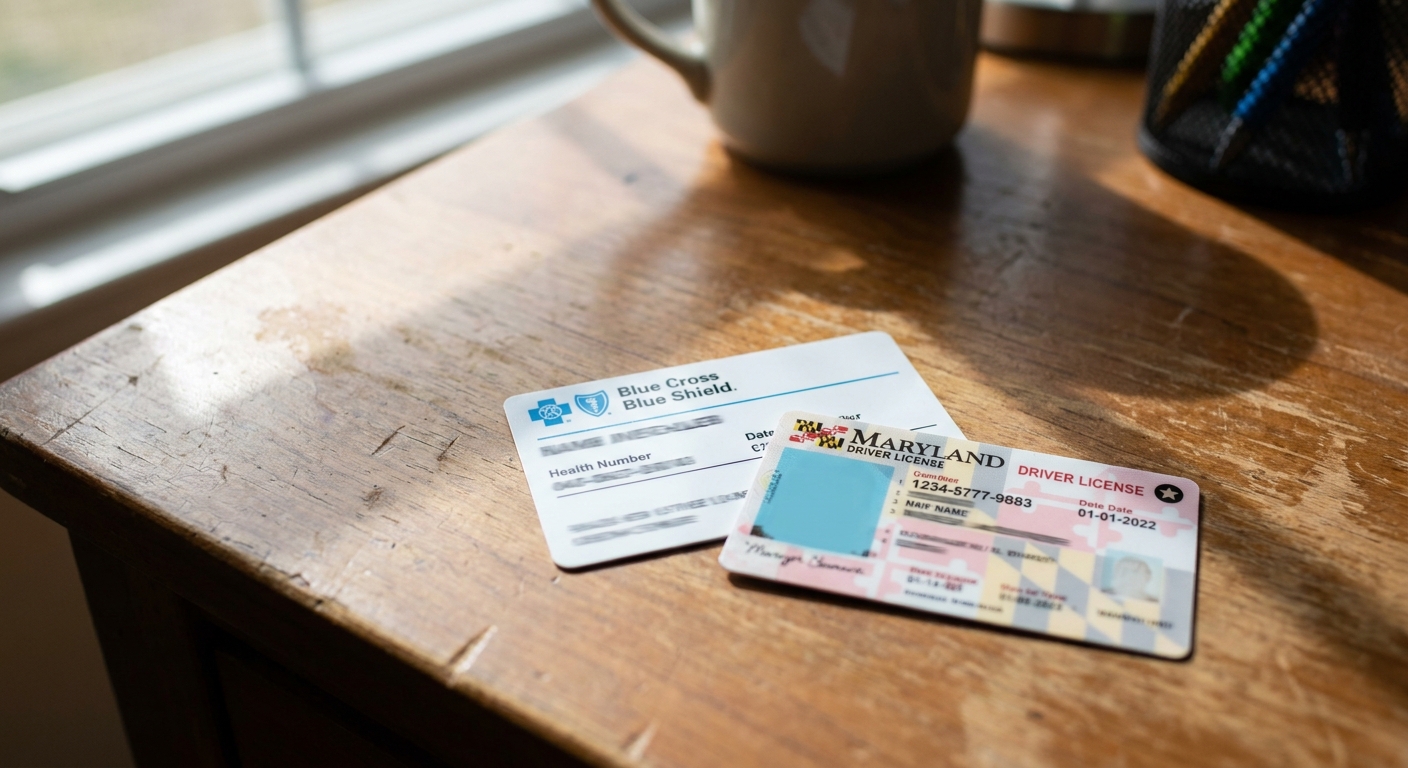
What this means if you are starting treatment today: you do not need to wait for insurer approval before your first prescription. If you are enrolled in Maryland Medicaid, bring your insurance card and identification to your intake appointment. Coverage begins immediately for the medication and for associated office visits.
If you are on a commercial plan, coverage terms vary. Ask your clinic to verify your benefits before your first appointment so there are no billing surprises. For patients without coverage, ask about sliding-scale fees or state assistance programs. Maryland has grant-funded support options for uninsured patients seeking addiction treatment, and a well-run clinic will know how to connect you with them.
For a closer look at how these same coverage rules apply across the state, the patient-focused guide to treatment in Baltimore covers the same framework in that market.
Common Mistakes to Avoid When Choosing a Clinic
A 2022 report from the American Society of Addiction Medicine found that premature treatment dropout is driven most often by structural barriers, not patient motivation. Choosing the wrong clinic is one of the most preventable causes of those barriers.
The first mistake is choosing based on location alone without confirming same-day access. A clinic that is five minutes away but books two weeks out is less useful than one that is farther but can see you today. Distance is a secondary factor.
The second mistake is assuming all clinics accept walk-ins. Most require at least a brief intake call. Showing up without confirming this often results in being turned away, which creates a discouraging experience at exactly the wrong moment.
The third mistake is skipping questions about dose adjustment and missed doses. Your needs will change during treatment. A clinic with rigid, inflexible protocols is not equipped to support the full arc of recovery. Ask directly: “What happens if I need a dose adjustment, or if I miss an appointment?” The answer tells you whether the clinical approach is built around your recovery or around administrative convenience.
Those same evaluation standards apply when comparing options elsewhere in the state. The guide to finding care in Linthicum Heights and the overview of treatment access near Baltimore both walk through the same criteria in different markets.
The Call That Starts Everything
Call one College Park clinic today and ask three questions: does it accept Maryland Medicaid, does it offer same-day intake, and does it provide mental health support on-site or through referral. That call takes less than ten minutes. The answers tell you everything you need to know before scheduling, and they put you in treatment faster than any amount of additional research.