A 2020 NEJM study of 2.3 million opioid-related episodes found that patients who received buprenorphine-based treatment were 76% less likely to experience an overdose death compared to those who received no medication. That gap is not about willpower. It is about which clinic you walk into first. Choosing a suboxone clinic in Linthicum Heights is not a minor administrative decision. The criteria below will help you evaluate your options before you make that call.
What to Look for in a Suboxone Clinic in Linthicum Heights
A 2021 SAMHSA analysis tracking 14,000 patients across 200 treatment programs found that retention in buprenorphine-based medication-assisted treatment (MAT) at 12 months was nearly three times higher than retention in abstinence-only programs. Retention matters because it is the variable most closely tied to reduced overdose risk, reduced criminal justice involvement, and stable employment.
What this means in practice: not every clinic that advertises substance use treatment is offering MAT. Some provide counseling only, or short-term detox without a maintenance medication plan. Before you go further with any clinic, confirm that buprenorphine (the active ingredient in Suboxone) is actually prescribed on-site, not just referred out.
The action here is specific. Search the SAMHSA treatment locator or call the clinic directly and ask one question: “Do your providers prescribe buprenorphine at this location?” If the answer is anything other than yes, keep looking. For context on what a full MAT program looks like, the comparison is worth a few minutes of reading before your first call.
How to Evaluate Clinic Credentials and Provider Qualifications
A 2022 study published in the Journal of Addiction Medicine, analyzing outcomes across 6,800 patients at 94 clinics, found that patients treated by board-certified addiction medicine specialists had 34% higher treatment retention at six months compared to patients treated by general practitioners without addiction-specific training.
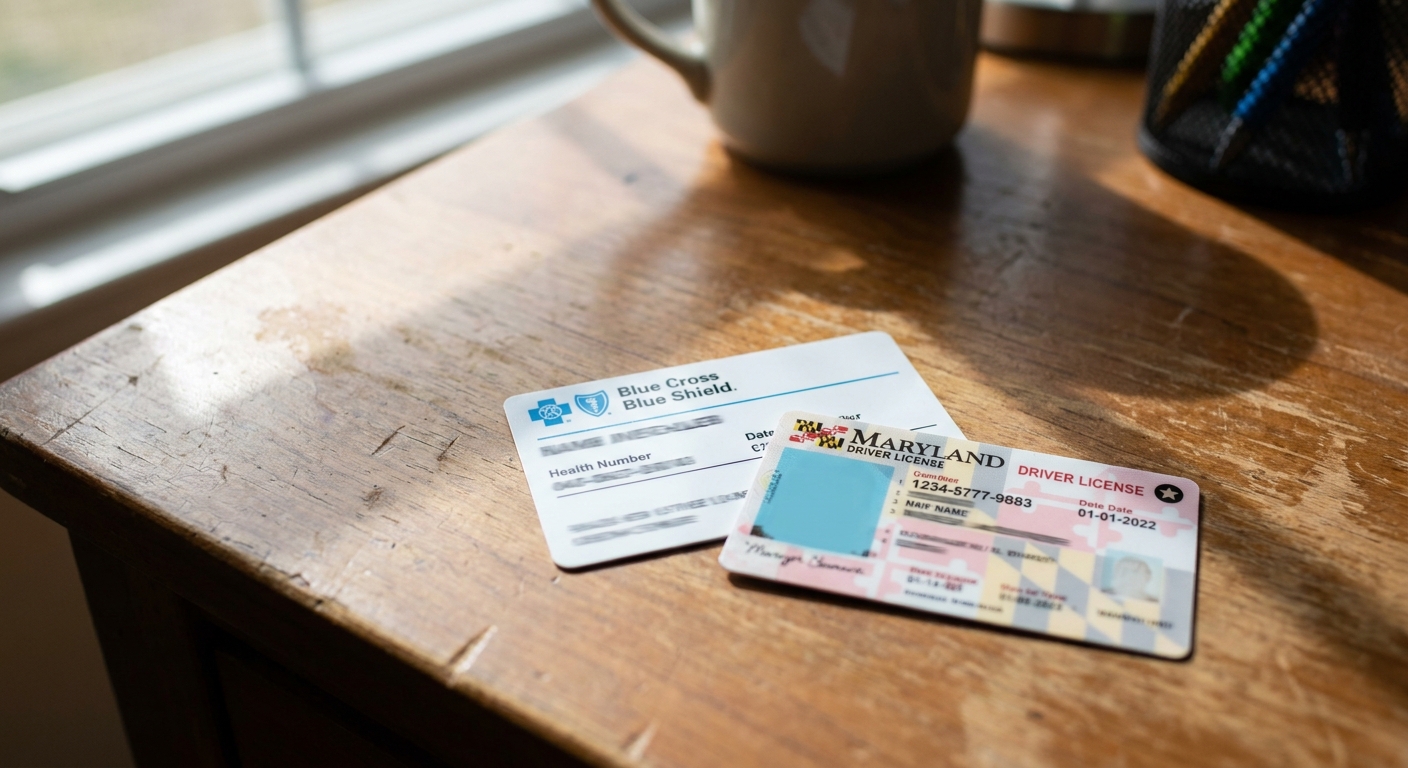
The practical translation: prescriber credentials are a clinical signal. A provider with board certification in addiction medicine or addiction psychiatry has completed specialized training that goes beyond the DEA waiver required to prescribe buprenorphine. The DEA waiver is the floor, not the ceiling. When you call a clinic, ask two questions: “Is your prescribing provider board-certified in addiction medicine or addiction psychiatry?” and “Do you accept Medicaid, and can you verify my plan before my first appointment?”
Insurance verification matters because it removes the most common reason people delay or abandon treatment. Medicaid covers MAT in Maryland, and a clinic that handles verification upfront is one that has structured its intake process around access, not administration. If you are also exploring options near Baltimore, the same credential questions apply regardless of location.
What Telehealth Access and Appointment Flexibility Tell You About a Clinic
A 2021 NEJM paper analyzing federal buprenorphine prescribing data across 50 states found that telehealth flexibilities introduced in March 2020 were associated with a 26% increase in new buprenorphine patients nationally, with the sharpest gains in areas with limited in-person access. The mechanism is straightforward: reducing the distance between decision and first prescription saves lives.
The window between when someone decides to seek treatment and when they actually start is a documented risk period. A clinic that books two weeks out is not just inconvenient. It is operating outside the evidence on access timing. Same-day or next-day availability is a clinical standard, not a marketing perk.
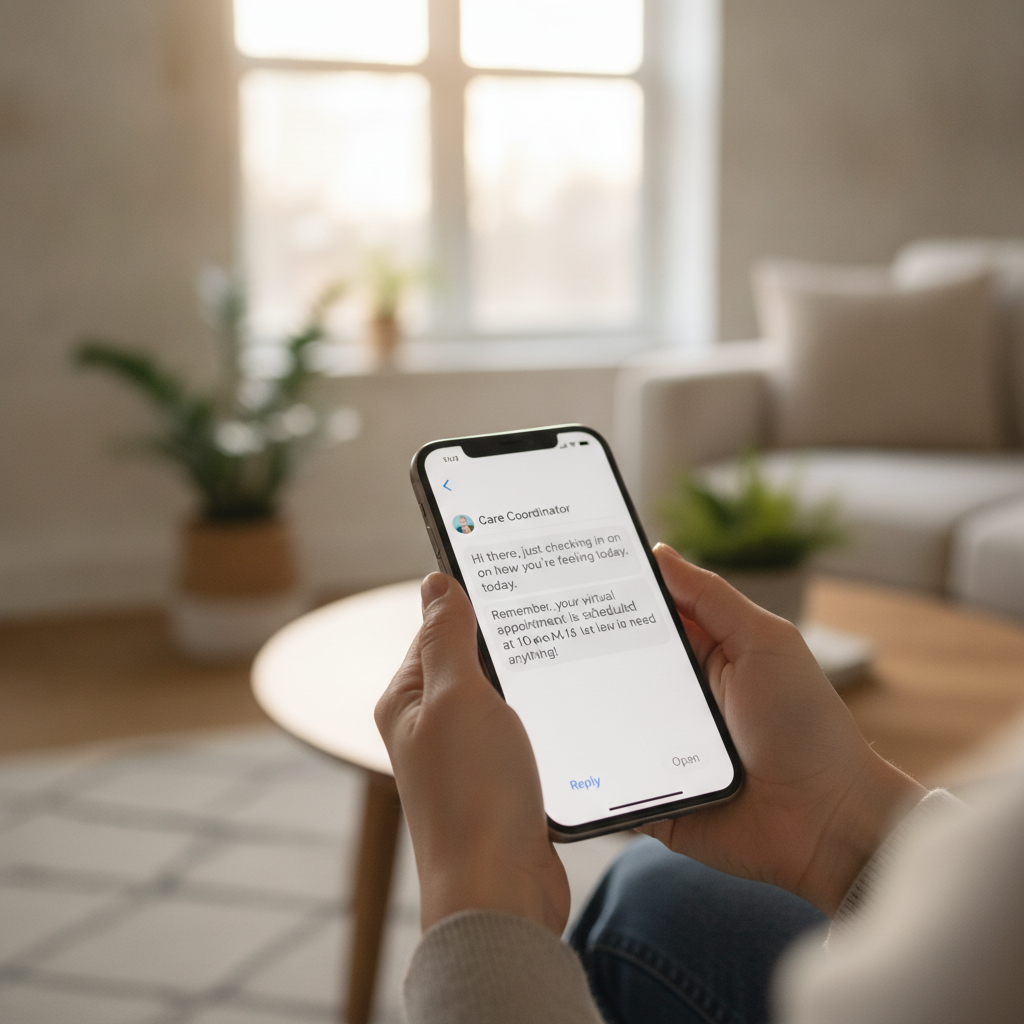
When you call, ask how soon the first appointment is available and whether telehealth is an option if you cannot get to the Linthicum Heights location in person. A first appointment at a well-run MAT clinic will include an intake assessment, a clinical evaluation for co-occurring mental health conditions (depression and anxiety are common alongside opioid use disorder), and a prescription timeline discussed before you leave. If a clinic cannot tell you when the prescription will be written during that intake call, ask again. Clarity on that point reflects how organized the care process is. Clinics with similar access standards in Owings Mills or College Park follow the same intake model, so the questions transfer if you are weighing multiple locations.
What to Try This Week
Call one clinic today. During that call, ask two questions: whether the prescribing provider is board-certified in addiction medicine, and whether your insurance is accepted. That single call gives you the two most predictive pieces of information about whether this clinic will keep you in treatment long enough to matter. Everything else, including the paperwork and the logistics, comes after you have confirmed those two things. Start there.