Maryland recorded 2,583 overdose deaths in 2022, according to the Maryland Department of Health, making it one of the highest per-capita fentanyl mortality rates in the country. If you’re searching for a Suboxone clinic near Baltimore, you’re asking the right question at the right time, and this guide walks you through exactly what to look for before you make that first call.
What Suboxone Actually Does in Your Body
Suboxone combines buprenorphine and naloxone. Buprenorphine is a partial opioid agonist, which means it binds to the same brain receptors that heroin and fentanyl target, but activates them only partially. That partial activation is enough to eliminate withdrawal symptoms and quiet cravings without producing the sedation or euphoria of a full agonist. Naloxone is added as a deterrent against misuse: if someone attempts to inject the medication, the naloxone component triggers rapid withdrawal.
A 2020 analysis published by the National Institute on Drug Abuse found that patients maintained on buprenorphine reduced their overdose risk by more than 50 percent compared to patients who received no medication. What this means in practice is that stabilization on Suboxone is not a replacement addiction. It is a medical platform that gives your nervous system enough stability to engage with counseling, rebuild routines, and address the underlying conditions that drove opioid use in the first place. Day-to-day, a stabilized patient typically wakes without withdrawal symptoms, takes a single daily dose, and attends follow-up appointments at decreasing frequency as treatment progresses.
How to Choose a Suboxone Clinic Near Baltimore
Not all clinics produce the same outcomes. A 2019 SAMHSA report analyzing treatment data across 11,000 patients found that retention in medication-assisted treatment dropped sharply when patients faced barriers like credential gaps in prescribers, lack of mental health integration, or insurance denials. Retention matters because discontinuing buprenorphine prematurely is the single strongest predictor of relapse in the first year.
Four criteria reliably separate high-quality clinics from low-quality ones: board-certified prescribers, integrated mental health support, Medicaid and insurance acceptance, and telehealth availability. When you call a clinic for the first time, ask these questions directly: Is the prescriber DEA-certified to prescribe buprenorphine? Do you accept Maryland Medicaid? Is there a counselor or therapist on staff, not just a referral network? Can the first appointment be done by video? If a clinic can’t answer all four clearly, keep looking. For a broader look at how different programs in the area compare, that comparison is worth reading before you commit.
Verify the Prescriber’s Credentials
Before the DEA’s 2023 rule change, physicians who wanted to prescribe buprenorphine for opioid use disorder needed a special waiver called the DATA 2000 waiver, which generated an X-number suffix on their DEA registration. That waiver requirement was eliminated in January 2023, but the underlying standard remains: the prescribing clinician must hold an active DEA registration that permits Schedule III controlled substance prescribing and must be practicing within a qualified setting.
Verifying this takes under two minutes. Go to the SAMHSA treatment locator at findtreatment.gov, enter a Baltimore-area zip code, and filter by buprenorphine. Every listed provider has passed federal verification. If a clinic you found elsewhere doesn’t appear there, that’s a signal worth investigating before scheduling.
Confirm What Insurance Is Accepted
A 2021 HHS report found that patients who faced insurance barriers to medication-assisted treatment were 40 percent less likely to initiate care within 30 days of expressing interest. Maryland Medical Assistance (Medicaid) covers Suboxone with no prior authorization required for most plans, which removes the biggest financial barrier for a large portion of Baltimore-area patients. Commercial plans vary, but most major carriers cover buprenorphine under behavioral health benefits.
When you call the billing line, ask two specific questions: Does the clinic accept my insurance plan directly, or will I be billed as out-of-network? Is there a sliding-scale or self-pay option if my coverage lapses? Getting answers to both before your first appointment prevents the kind of billing surprise that causes patients to drop out of care unnecessarily. For patients in other parts of the state, the intake process at programs serving the Owings Mills area follows the same insurance verification standard.
Ask About Mental Health and Counseling Services
A 2018 study from Johns Hopkins Bloomberg School of Public Health, drawing on data from 4,500 patients in Maryland treatment programs, found that patients who received integrated behavioral health services alongside MAT had sobriety rates 34 percent higher at 12 months than patients who received medication alone. Co-occurring conditions, specifically anxiety, depression, and trauma histories, directly affect how the body responds to buprenorphine and how reliably patients stay engaged with treatment.
The action here is direct: ask whether a licensed therapist or counselor is on staff at the clinic, or whether behavioral health care requires a separate referral offsite. Integrated care under one roof is not a luxury feature. It is a meaningful predictor of whether you’ll still be in treatment a year from now.
What to Expect at Your First Appointment
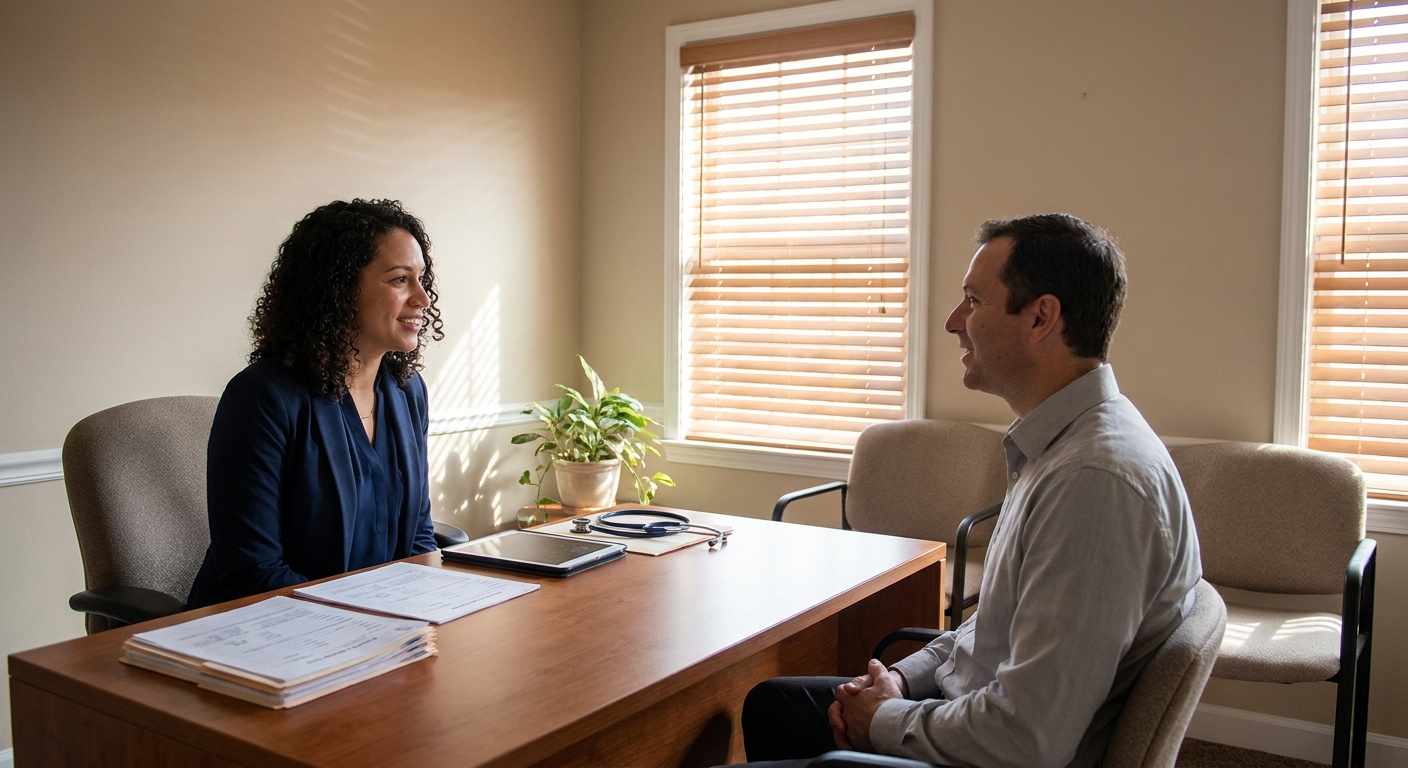
The American Society of Addiction Medicine’s 2020 clinical practice guidelines describe a standard induction visit as a structured sequence: intake screening, a prescription drug monitoring program (PDMP) check to review your controlled substance history in Maryland, an initial buprenorphine dose administered under observation or taken at home following a low-dose induction protocol, and a follow-up appointment scheduled within 72 hours.
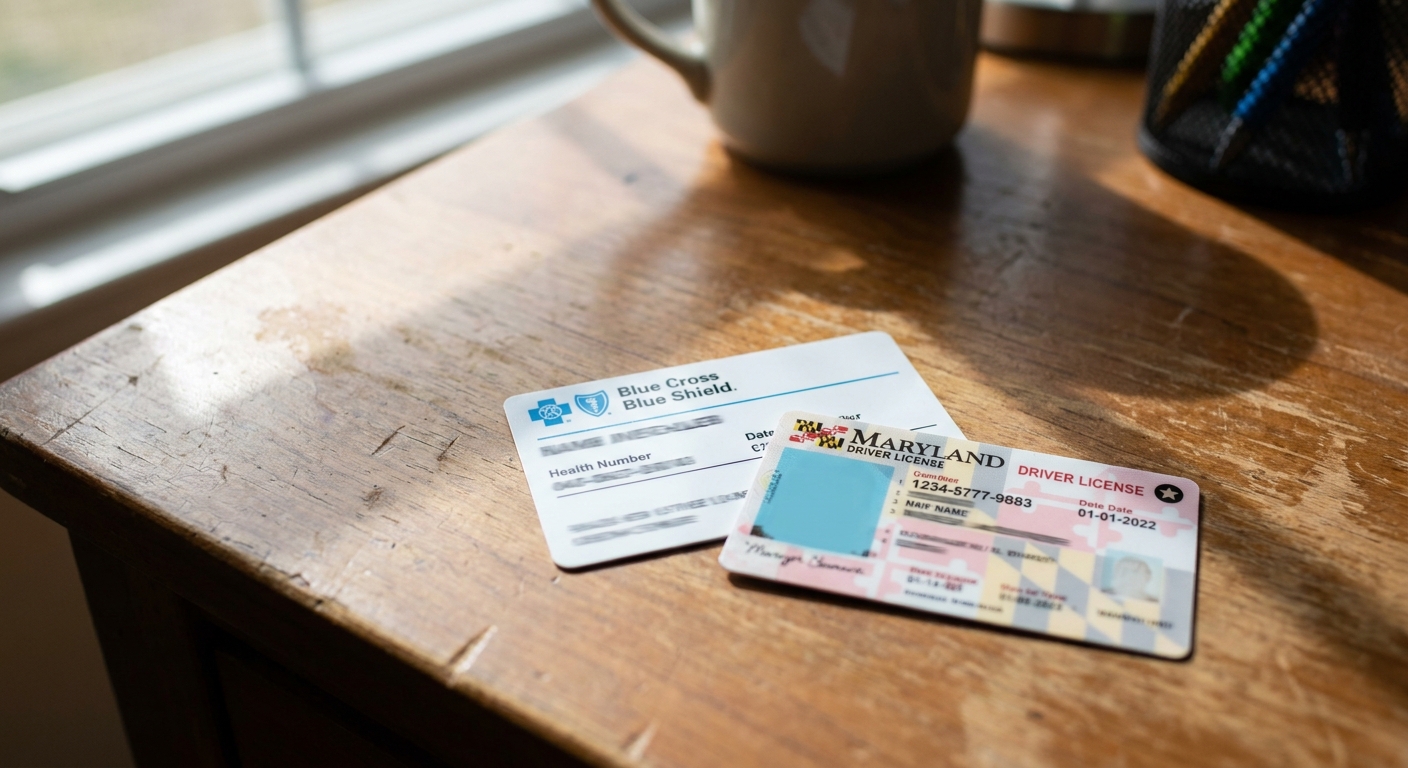
Bring a valid photo ID, your insurance card, a list of any current medications, and documentation of prior treatment if you have it. The PDMP check is mandatory and takes about three minutes. Come prepared to describe your current opioid use honestly, including frequency, substance, and last use. The prescriber uses this to calibrate your starting dose safely. Having a sense of what a well-run MAT program looks like beforehand makes that first conversation considerably less stressful.
Telehealth Suboxone Treatment: What Baltimore-Area Patients Need to Know
In 2023, the DEA and HHS finalized rules extending the COVID-era telehealth flexibilities that allowed buprenorphine to be prescribed without an in-person visit. Under the current framework, patients with an established relationship with a registered provider can receive buprenorphine prescriptions via video appointment, with no in-person requirement for stable patients in most circumstances.
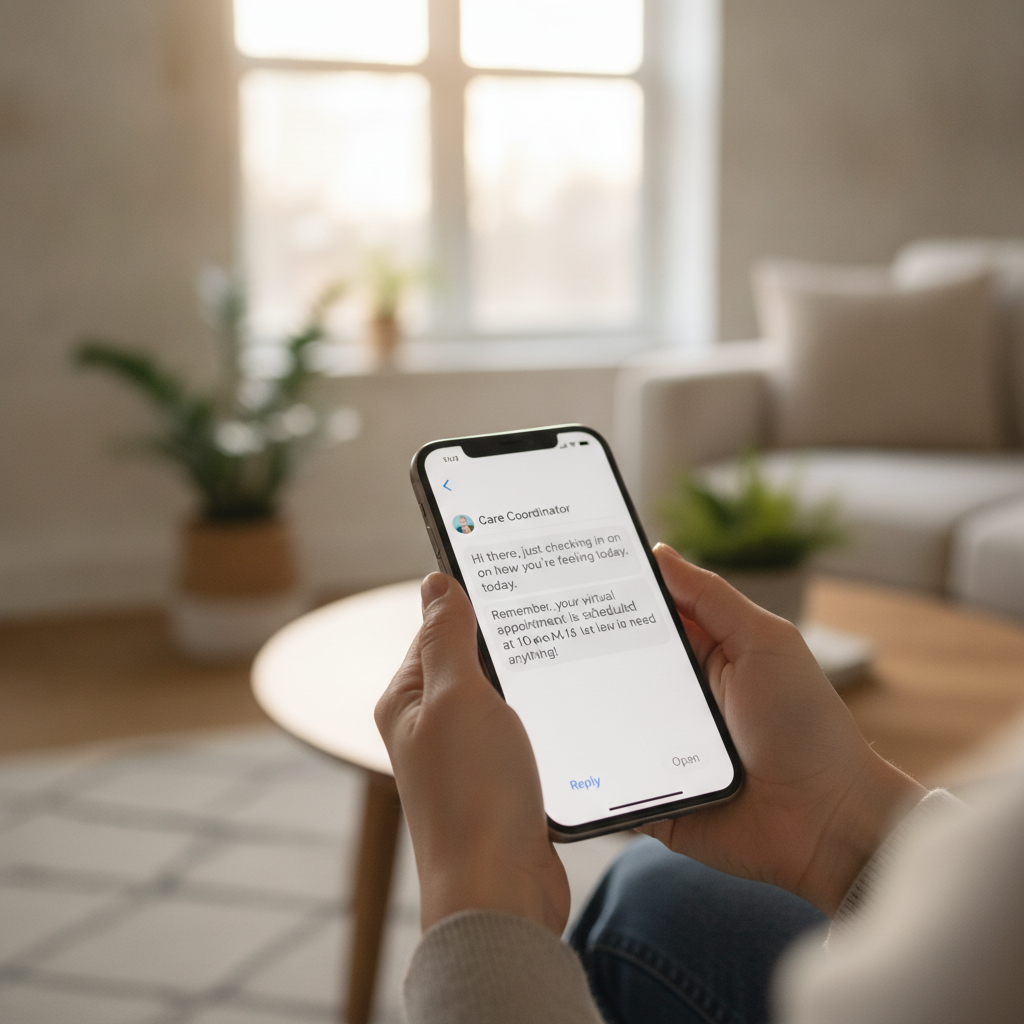
A 2021 study published in JAMA Psychiatry, following 5,800 patients across rural and urban sites, found that telehealth-delivered buprenorphine treatment produced retention rates comparable to in-person care at 6 and 12 months. For Baltimore-area patients, this matters because telehealth eliminates the transportation and scheduling barriers that cause many people to delay starting. Patients in early induction, those with complex medical needs, or those flagged during screening may still need an initial in-person visit. Ask directly when you first contact a clinic: can the intake appointment be conducted by video? If the answer is yes, you can start the same day you call. If you’re located outside the city, programs offering telehealth access from Linthicum Heights and College Park locations operate under the same same-day access standard.
The First Step Takes Less Time Than You Think
A 2020 study in Health Affairs found that every 30-day delay in initiating buprenorphine treatment after an overdose increased 90-day mortality risk by 17 percent. Waiting is not a neutral choice.
Call a clinic today. When someone answers, say: “I’m looking to start Suboxone treatment and I’d like to know if you have same-day intake appointments available.” That sentence opens the intake process. You don’t need to explain your full history on the first call. The first call is a logistics conversation: confirm insurance acceptance, confirm prescriber credentials, confirm appointment availability. It takes under five minutes. Everything that feels complicated comes after you’ve taken that step, not before it.