Finding a suboxone clinic near me is the search that often marks the moment someone is ready to get serious about recovery. What happens in the next 48 hours matters enormously. This guide walks you through how Suboxone works, what separates a good clinic from a mediocre one, and the exact questions to ask before you book your first appointment.
What Suboxone Actually Does, and Why It Works
A 2020 meta-analysis published in JAMA examined over 40 randomized controlled trials and confirmed that buprenorphine-based treatment reduces illicit opioid use and overdose mortality more effectively than placebo or no treatment at all. The numbers are not subtle: patients receiving buprenorphine are significantly more likely to stay in treatment and far less likely to die.
Here is the plain-English mechanism. Opioids work by binding to receptors in your brain that regulate pain, reward, and mood. When opioids are removed suddenly, those receptors go haywire, producing the cravings and withdrawal symptoms that make quitting without support so brutal. Buprenorphine, the active ingredient in Suboxone, is a partial opioid agonist. It attaches to those same receptors firmly enough to calm cravings and block withdrawal, but not firmly enough to produce a high when taken as prescribed. Naloxone, the second ingredient, adds a safeguard against misuse. Together, as a daily oral film or tablet, they stabilize brain chemistry so recovery can actually begin.
Understanding this mechanism is practical, not just academic. When you call a clinic, you can ask informed questions about how they manage the induction process and what to expect in the first week. That shifts you from passive patient to active participant from day one. For a deeper explanation of how the combination medication works, the page on how buprenorphine and naloxone work together is a useful next read.
What to Look for in a Suboxone Clinic
A 2019 study in Drug and Alcohol Dependence tracking 3,600 patients across outpatient MAT programs found that treatment retention at 12 months dropped by nearly a third when clinics lacked integrated counseling services. The quality of the clinic you choose directly affects how long you stay in treatment, and staying in treatment is what saves lives.
Four things separate a clinic worth your time from one that is not.
Credentials and Prescriber Licensing
Before 2023, prescribers needed a special federal waiver called a DATA waiver to prescribe buprenorphine for opioid use disorder. Federal rules have since changed, but not every prescriber chooses to prescribe it. A qualified prescriber is a physician, nurse practitioner, or physician assistant who is actively licensed and practicing within their state’s scope of medicine, specifically for opioid use disorder treatment.
According to SAMHSA’s prescriber database, Maryland has a substantial network of waivered and qualified providers, but access is uneven across zip codes. You cannot assume a prescriber at a general practice clinic is set up to manage MAT patients. The single most useful question when you call: “Is your prescriber currently licensed to prescribe buprenorphine for opioid use disorder?” A clinic that cannot answer that question directly is a clinic to skip. For guidance on evaluating prescribers specifically in Maryland, the page on choosing a qualified buprenorphine provider covers what to look for in detail.
Insurance Coverage and Cost
Maryland Medicaid covers medication-assisted treatment including Suboxone, and CMS data confirms that MAT coverage under Medicaid expansion has improved access substantially since 2014. If you are on Maryland Medicaid, you are likely covered. Most commercial insurance plans also cover buprenorphine-based treatment, though prior authorization requirements vary by plan.
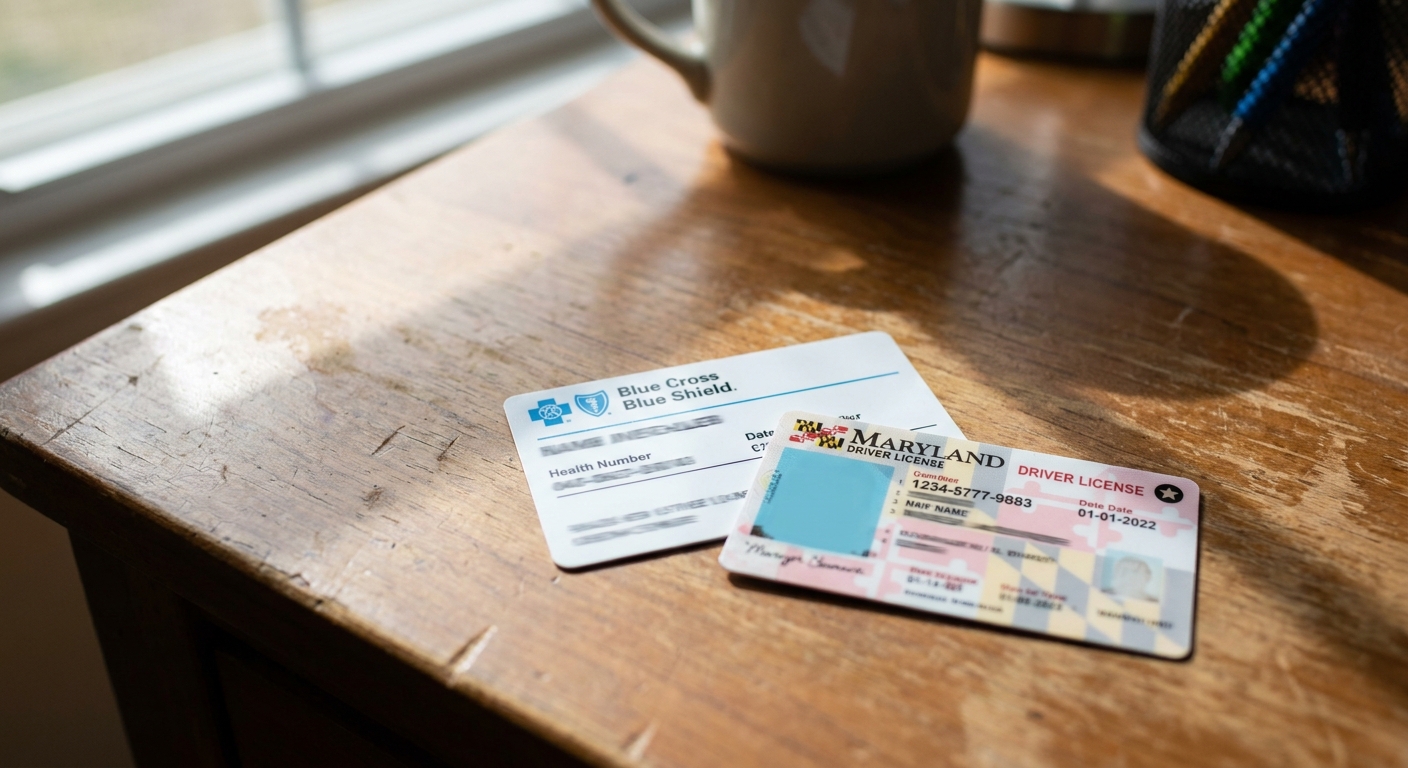
The action here is simple. Before you schedule anything, call the clinic’s intake line and ask three words: “Do you accept Medicaid?” If the answer is yes, ask whether there are any out-of-pocket costs for the medication itself. Many clinics can also help navigate insurance verification before your first appointment so you are not guessing at costs on intake day.
Same-Day or Same-Week Access
A 2018 study published in Addiction found that patients who experienced delays of even a few days between deciding to seek MAT and receiving their first dose were significantly more likely to relapse or disengage from treatment entirely. Motivation is not a static resource. It peaks at the moment of decision.
When you search for a clinic, filter immediately for those advertising rapid intake, same-day evaluation, or next-day starts. At MD M.A.T.T., many patients begin daily oral Suboxone the same day or the following day, with the team confirming the prescription is waiting at the pharmacy before the patient leaves. That level of coordination matters. A clinic that tells you the next available appointment is three weeks out is not built around the clinical reality of how opioid use disorder works.
Telehealth vs. In-Person Suboxone Treatment
A 2022 study in NEJM Evidence analyzing 30,000 patients in opioid use disorder treatment found that telehealth-delivered buprenorphine treatment produced retention rates comparable to in-person care, with some subgroups showing better outcomes due to reduced barriers to access.
Telehealth is the right format if transportation is a real obstacle, if your work schedule makes regular clinic visits impractical, or if stigma makes walking into a physical clinic feel like too high a barrier right now. All of those are legitimate considerations. In-person care is worth prioritizing if you have co-occurring mental health conditions that need closer monitoring, or if you are starting Suboxone for the first time and want direct clinical support during the induction period.
Decide which format fits your current situation before you make the first call. That single decision narrows your search immediately and stops you from wasting time evaluating clinics that cannot serve your actual needs. If you want to understand more about the specific form of medication used in daily oral treatment, the page on how Suboxone film is used in practice explains the format clearly.
Common Mistakes People Make When Choosing a Clinic
A 2021 study in Annals of Internal Medicine examining barriers to MAT initiation found that the most common factor delaying treatment was patients waiting for a self-defined turning point before calling. The clinical term for this is treatment deferral, and the data on it is grim: the longer someone waits after developing opioid use disorder, the higher the cumulative overdose risk. There is no floor low enough that you have to hit before treatment becomes available to you. The time to call is now, not after the next incident.
The second mistake is choosing a clinic based on distance alone. A clinic five minutes from your house with an unlicensed prescriber or no counseling access is a worse clinical environment than a clinic thirty minutes away with strong credentials and integrated mental health support. Proximity matters for adherence, but it should be the last filter you apply, not the first.
The third mistake is stopping medication early without medical guidance. According to SAMHSA’s treatment guidelines, buprenorphine works best as an ongoing treatment, not a short-term detox tool. Patients who discontinue early, particularly in the first 90 days, face sharply elevated relapse risk. If you feel stable and want to discuss tapering, that conversation belongs with your prescriber, not as a unilateral decision made because you feel better.
What to Try This Week
Call one clinic today and ask two questions: do they accept your insurance, and how soon can you be seen? You do not need to have everything figured out before you make that call. You just need to make it.