Not having insurance doesn’t mean not having options. According to the Substance Abuse and Mental Health Services Administration (SAMHSA), roughly 94% of the 40 million Americans with a substance use disorder in 2021 did not receive any treatment. Cost and coverage gaps were among the most cited barriers. If you’re searching for a suboxone clinic no insurance situation is locking you out of, this guide walks through every real pathway available to you in Maryland.
What Uninsured Patients Are Actually Facing
The scale of the treatment gap is stark. A 2020 analysis published in JAMA Psychiatry found that among adults with opioid use disorder (OUD), only about 18% received any form of medication-assisted treatment (MAT) in the prior year. Cost without insurance coverage was the most frequently reported structural barrier. In Maryland specifically, the opioid crisis has claimed thousands of lives annually, with the Maryland Department of Health reporting over 2,800 overdose deaths in 2023 alone.
The good news is that lack of insurance is not a disqualifying condition. It is one of the most common situations that clinics serving Maryland patients are already built to handle. Sliding-scale fees, state-funded slots, federally supported health centers, and fast-track Medicaid enrollment all exist specifically for people in your position. Understanding each pathway clearly lets you choose the right one without wasting time.
How Suboxone Treatment Works (and Why Cost Reflects the Components)
A 2019 study in the New England Journal of Medicine followed 570 patients with OUD and found that buprenorphine-based treatment reduced illicit opioid use by 38% compared to placebo, with the strongest outcomes for patients who remained in treatment for 12 weeks or longer. Staying in treatment matters medically, and it matters financially, because understanding what you’re paying for helps you make decisions that keep you engaged rather than dropping out when a bill feels unexpected.
A complete Suboxone treatment episode includes several distinct components: an initial prescriber evaluation, ongoing monthly (or more frequent early-on) office visits, the medication itself, periodic urine drug screening, and in many cases, behavioral health counseling as a complement to the medication. Each of these has a separate cost, and each can be addressed through a different assistance mechanism. Knowing that breakdown gives you leverage.
The Medication Cost vs. the Clinic Visit Cost
These are two separate line items, and confusing them leads people to think treatment is uniformly unaffordable when it often isn’t. The clinic visit fee covers the prescriber’s time, clinical assessment, and oversight. The medication cost is a pharmacy transaction.
Here’s where the generic makes a significant difference. Brand-name Suboxone film can cost per month without any assistance. Generic buprenorphine/naloxone, which is therapeutically equivalent, typically runs per month using discount programs at major pharmacies. That’s not a marginal savings. Before your first appointment, ask the prescriber to confirm they will prescribe the generic, and call ahead to the pharmacy to verify it is in stock. One phone call eliminates the most common medication-cost surprise.
What Drug Screening and Follow-Up Visits Add to the Total
Urine drug screens are standard in MAT programs, particularly in the early months. At self-pay rates, a single screen ranges depending on the clinic and the panel used. Monthly prescriber visits, when billed at self-pay rates outside of a sliding-scale structure, typically range. Behavioral health sessions, if offered separately, add another layer.
The pattern that matters here is frequency reduction over time. Most structured MAT programs require weekly or biweekly contact early in treatment, transitioning to monthly visits once stability is established. A 2021 study in Drug and Alcohol Dependence found that patients who reached 90 days of continuous treatment had significantly better long-term outcomes, meaning the investment in the first three months is the highest-return phase. At intake, ask the clinic directly how visit frequency is structured over the first 90 days and at what milestones it decreases. That timeline tells you what your cost exposure actually looks like.
Federally Qualified Health Centers: The Lowest-Cost Clinic Option
Federally Qualified Health Centers (FQHCs) are funded through the Health Resources and Services Administration (HRSA) and are legally required to serve all patients regardless of ability to pay. Their sliding-scale fee structures are based on household income and family size, calculated against federal poverty guidelines. According to HRSA data, no patient is turned away for inability to pay, and fees can be reduced to as low as $0 for patients below a certain income threshold.
Many FQHCs in Maryland offer buprenorphine prescribing as part of their primary care or behavioral health services. The HRSA Find a Health Center tool at findahealthcenter.hrsa.gov lets you search by zip code and filter for substance use services. For anyone exploring affordable treatment options in Maryland, FQHCs are the most structurally protected option available. The action here is straightforward: use the HRSA locator this week, identify the nearest FQHC with MAT services, and call to confirm buprenorphine prescribing is active at that location.
State-Funded and Nonprofit Treatment Programs in Maryland
Maryland’s Behavioral Health Administration (BHA) administers state funding for substance use treatment, including slots specifically designated for uninsured and underinsured residents. These programs are not well-publicized, but they exist and they serve people who have no other coverage. SAMHSA’s treatment locator at findtreatment.gov lets you filter by payment options including “sliding fee scale” and “state-financed insurance other than Medicaid.”
Maryland’s opioid crisis has driven significant public investment in accessible treatment. The BHA’s Opioid Intervention Team and regional crisis programs operate with the explicit goal of reducing untreated OUD. State-funded programs often wrap additional services around the medication itself, including case management, housing coordination, and peer recovery support. The intake process at these programs sometimes involves a longer wait than a private clinic, but the coverage depth is typically greater.
To find available slots, call 211 Maryland, which routes to local health and social services including behavioral health referrals. You can also visit the Maryland BHA directly at bha.health.maryland.gov. One call to 211 is the lowest-friction way to identify what is currently funded and available near your location.
Medicaid in Maryland: Faster Enrollment Than Most People Realize
A 2022 report from the Kaiser Family Foundation found that Medicaid expansion states had significantly higher rates of MAT initiation among low-income adults with OUD compared to non-expansion states. Maryland is an expansion state, and its income threshold for Medicaid eligibility covers adults earning up to 138% of the federal poverty level, which is approximately $20,780 per year for an individual in 2024. Many people assume they won’t qualify without checking the actual numbers.
Maryland Medicaid covers buprenorphine/naloxone with no prior authorization required, a policy that removes one of the most common administrative delays in treatment access. A 2020 study in Health Affairs found that states eliminating prior authorization for buprenorphine saw a 35% increase in treatment initiation within the first year. Maryland’s position on this is a meaningful advantage.
Enrollment happens through Maryland’s myMDTHINK portal at mymdthink.maryland.gov. The application takes under 30 minutes to complete, and in some circumstances coverage can begin the same day. If you’re currently uninsured and looking at what a Medicaid-covered path to treatment looks like, applying before your first clinic appointment is worth doing even if you’re uncertain about eligibility. The application itself answers the eligibility question.
Manufacturer Assistance and Pharmacy Discount Programs
Indivior, the manufacturer of brand-name Suboxone, offers a patient assistance program for individuals who meet income requirements and lack insurance coverage. Applications are available through their website, and qualified patients can receive the medication at no cost or significantly reduced cost. The program is income-based and requires documentation, but it covers the full brand-name product.
Third-party discount programs are faster to access and require no application. GoodRx, NeedyMeds, and RxAssist all provide discount cards that reduce the pharmacy price of generic buprenorphine/naloxone. According to GoodRx data, generic buprenorphine/naloxone can be obtained for as little as per month at major pharmacy chains using a discount card, compared to several hundred dollars at retail price. These cards are free, do not require income documentation, and can be used immediately.
The important distinction is that discount cards apply to medication costs only, not clinic visit fees. To minimize total out-of-pocket spending, you pair a discount card for the pharmacy transaction with a sliding-scale or state-funded clinic for the prescriber visit. Before your first appointment, look up the generic buprenorphine/naloxone price on GoodRx for your specific zip code so you know exactly what the medication will cost at the closest in-network pharmacy.
What to Expect at a No-Insurance Suboxone Clinic Visit
A 2023 study in the Journal of Substance Abuse Treatment found that patients who received a clear orientation to the intake process before their first appointment were 41% more likely to complete the full intake and begin treatment compared to those who arrived without guidance. The anticipation of cost or process uncertainty is itself a barrier. Knowing what happens reduces the friction of showing up.
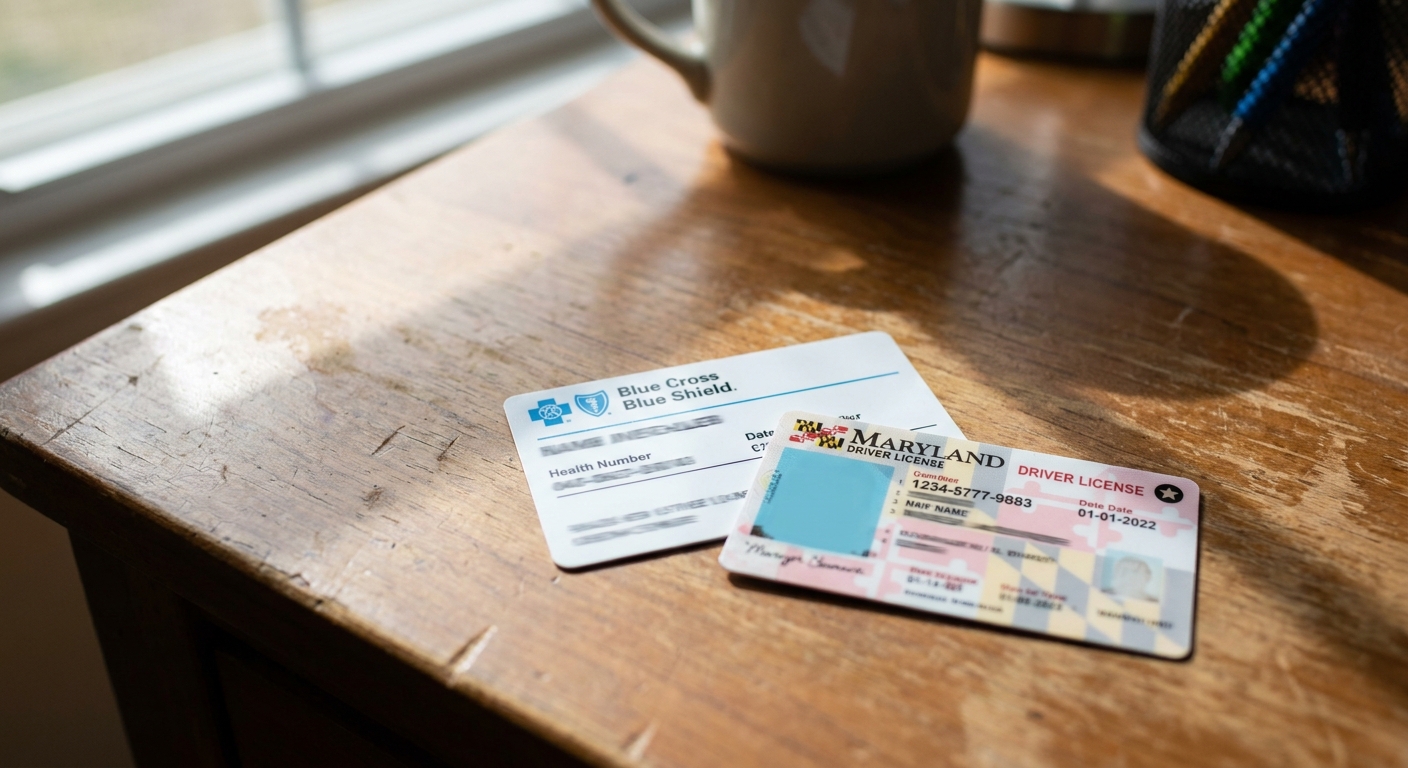
At a sliding-scale or state-funded clinic, the intake appointment typically involves a medical history review, a clinical assessment for OUD severity, a urine drug screen, and a prescriber evaluation. You do not need an insurance card. What you do need varies by clinic, but commonly includes a government-issued ID, documentation of income if you’re applying for a sliding-scale fee, and in some cases a brief psychosocial assessment completed on-site or in advance. Payment for the visit is usually collected at check-in, and the amount is determined at that point if a sliding scale is being applied.
If you want same-day or next-day access without a waitlist, starting the process at a walk-in clinic is often faster than waiting for a standard intake appointment at a hospital-based program. Call the clinic before your first visit and ask directly: what do I bring, what do I pay at the door, and what happens in the first appointment. No surprises means no reasons not to show up.
Questions to Ask Before You Book an Appointment
Before committing to a clinic, five questions will tell you most of what you need to know. Ask whether the clinic has a sliding-scale fee structure and what documentation is required to access it. Ask whether the prescriber accepts self-pay patients and what the self-pay visit rate is. Ask whether the prescriber routinely writes for generic buprenorphine/naloxone rather than brand-name Suboxone. Ask how frequently you will need to come in during the first 90 days. And ask whether telehealth appointments are available for follow-up visits once treatment is established, since that option directly reduces transportation and time costs.
These are not difficult questions to ask. A clinic with experience serving uninsured patients will have clear answers to all five.
Telehealth Suboxone Treatment: Lower Cost, Same Medication
Following the COVID-19 public health emergency, the DEA extended flexibilities that allow buprenorphine to be prescribed via telemedicine without a prior in-person evaluation under certain conditions. A 2022 study in JAMA Network Open analyzed outcomes for 5,200 patients initiating buprenorphine treatment via telehealth compared to in-person initiation and found no significant difference in 180-day treatment retention rates. The medication works the same way regardless of how the prescriber visit is conducted.
Telehealth visits typically carry lower per-appointment fees than in-person visits at the same practice, and they eliminate transportation costs entirely. For patients in rural Maryland or those without reliable access to a vehicle, this is not a minor point. Transportation is one of the most underappreciated barriers to consistent treatment attendance, and telehealth removes it.
When evaluating a telehealth provider, look for a licensed Maryland prescriber with DEA authorization to prescribe Schedule III controlled substances, a clear privacy-compliant platform, and documented policies for what happens if you need in-person evaluation. SAMHSA’s Buprenorphine Practitioner Locator at buprenorphine.samhsa.gov can be filtered by state and by telehealth availability. If you’re comparing a telehealth provider with a traditional clinic and cost is a factor, also check whether the telehealth option connects with programs that cover buprenorphine under Medicaid, since that combination can reduce your out-of-pocket cost to near zero.
What to Try This Week
The single most useful action you can take today is calling 211 Maryland. That call connects you with a live navigator who can identify state-funded treatment slots, FQHC locations with active MAT programs, and Medicaid enrollment support, all in one conversation. If applying for coverage is the right next step, the myMDTHINK portal takes less than 30 minutes, and eligibility decisions often come back quickly.
Treatment for opioid use disorder is accessible in Maryland without insurance. The pathways are real, they are funded, and they are actively enrolling patients. The first call or application is the hardest step, not because of what happens after it, but simply because of what it means to take it. Make that call this week. The structure on the other side of it is more ready for you than you might expect.