Finding a suboxone clinic that takes Medicaid sounds straightforward until you realize that coverage and access are two entirely different problems. Medicaid pays for the treatment, but locating a provider who actively accepts it, has open slots, and can see you soon requires a specific approach.
Why Medicaid Coverage for Suboxone Matters More Than You Think
According to a 2023 SAMHSA report, roughly 80% of people with opioid use disorder who need treatment don’t receive it, and cost is consistently cited as a primary barrier. Medicaid eliminates that barrier on paper. Every state, including Maryland, is required to cover buprenorphine-based treatment under Medicaid as a condition of the ACA’s mental health parity rules. The medication, the office visits, drug screening, and often co-occurring mental health services are all billable.
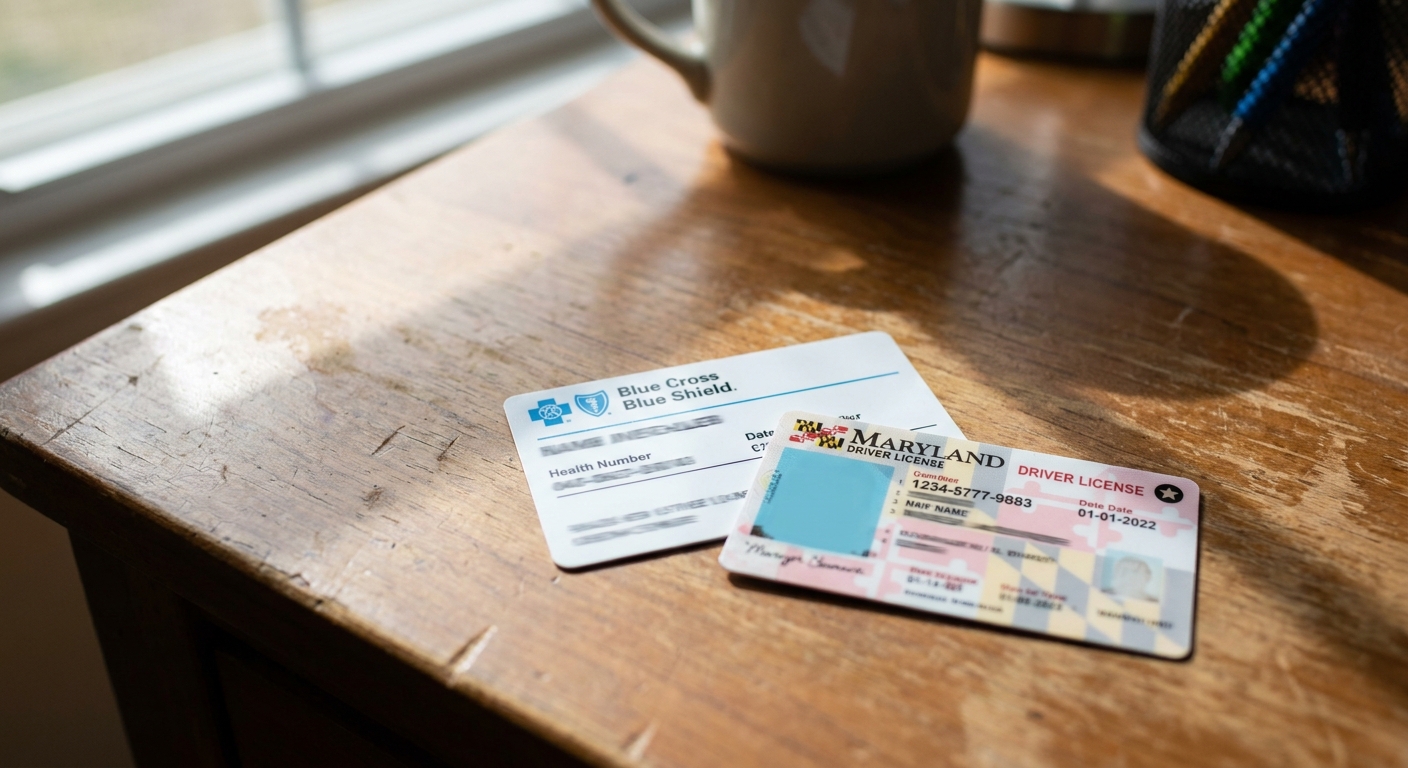
The practical gap is what happens after you know you’re covered. A Medicaid card doesn’t mean the nearest clinic has an open panel, a prescriber with a DATA waiver, or a staff member who will actually call your plan to confirm benefits. What this means in practice: you need to verify access, not just coverage. Those are two separate phone calls, and the second one is the one most people skip.
For a fuller picture of what Maryland Medicaid covers for addiction care, including which managed care organizations have the most straightforward approval processes, that’s worth reviewing before you start calling clinics.
How to Search for a Medicaid-Accepting Suboxone Clinic
Start at findtreatment.gov, SAMHSA’s Treatment Locator. Enter your zip code, filter by “buprenorphine” and “Medicaid,” and a map of nearby providers appears. Maryland’s Behavioral Health Administration also maintains its own directory at bha.health.maryland.gov, which includes state-licensed opioid treatment programs.
A 2020 study published in JAMA Network Open analyzed 38,000 patients in buprenorphine treatment and found that every additional mile between a patient and their provider increased dropout risk significantly. Distance is not a minor convenience issue. It is a clinical one. When you generate your list from SAMHSA’s locator, prioritize the three closest results and call each one the same day.
The concrete action here is simple: run the search now, note the top three providers, and make those calls before anything else.
Verify the Clinic Still Accepts Medicaid Before You Visit
Online directories are often months or years out of date. A 2023 CMS audit of Medicaid managed care networks, widely reported as the “ghost network” problem, found that a significant percentage of listed providers were not actually accepting new patients or had incorrect contact information. The listing means the clinic existed at some point. It does not mean they are enrolling Medicaid patients today.
When you call, ask exactly two questions: “Do you accept Maryland Medicaid?” and “Are you currently enrolling new patients for buprenorphine treatment?” If the answer to either is no, ask who they would refer you to. Clinics operating in the same network or region often know which nearby providers have open slots, and that referral can save you hours of additional searching.
What to Do If No Local Clinic Has Availability
If your first three calls hit dead ends, telehealth is a direct path forward. A 2023 study in the New England Journal of Medicine found that patients who initiated buprenorphine treatment via telehealth had equivalent retention rates at six months compared to those who started in person. The outcomes are comparable, and the access is faster.
Maryland has multiple telehealth-based prescribers who accept Medicaid and can conduct an intake assessment the same day you call. If you’re worried about whether same-day intake is realistic, it exists and is more common than most people expect. The barrier is the first call, not the waiting room.
What Maryland Medicaid Covers (and What to Ask About)
Maryland Medicaid operates through HealthChoice, the managed care program, and a smaller fee-for-service population. Both cover buprenorphine treatment, including the medication itself, provider visits, urine drug screening, and behavioral health services. A 2022 Kaiser Family Foundation analysis confirmed that Maryland is among the states with the most permissive Medicaid coverage policies for medication-assisted treatment, with no mandatory prior authorization on buprenorphine for most HealthChoice plans.
That said, formularies vary by managed care organization. Your specific MCO may have different rules than a neighbor on a different plan. The move that works: call the Member Services number on the back of your Medicaid card and ask one direct question: “Does my plan cover buprenorphine without prior authorization?” That answer shapes everything about how quickly you can start.
For patients curious about what opioid treatments Maryland Medicaid pays for beyond Suboxone, including methadone and injectable naltrexone, coverage extends to those as well.
Prior Authorization: When It’s Required and How to Handle It
Some Medicaid MCOs do require prior authorization for Suboxone, particularly for higher doses or extended treatment. A 2022 Pew Charitable Trusts report on addiction treatment access found that prior authorization requirements delay buprenorphine initiation by an average of several days, and in some cases longer. That delay matters when someone is ready to start.
Here’s the important thing: you don’t handle prior authorization yourself. The clinic’s staff submits the paperwork, coordinates with your plan, and tracks the approval. When you call a potential clinic, ask directly: “Do you handle prior authorization in-house?” A yes means one less obstacle between you and your first dose.
What Makes a Good Suboxone Clinic Beyond Insurance Acceptance
Insurance acceptance gets you in the door. Clinic quality determines whether treatment actually works. A 2021 study published in The Lancet found that patients receiving buprenorphine alongside integrated behavioral health support had significantly higher retention rates at 12 months than those receiving medication alone. The counseling component is not optional if you want lasting results.
When evaluating a clinic, confirm that the prescriber holds a DATA waiver (required to prescribe buprenorphine for opioid use disorder), that a counselor or case manager is part of the treatment team, and that the medication is prescribed for pharmacy pickup rather than requiring daily dispensing visits. Same-day or next-day intake availability also signals that the clinic is organized and equipped to handle patients at the moment they’re ready. That readiness window matters.
Clinics serving patients across Maryland, including locations in Baltimore, College Park, Linthicum Heights, Nottingham, and Owings Mills, increasingly offer no-waitlist intake. If the concept of how no-waitlist programs are structured is new to you, the short version is that some clinics deliberately reserve same-day slots for new patients in active need.
Questions to Ask Before Your First Appointment
Start with insurance: “Do you accept my specific Maryland Medicaid plan, and will your office verify my benefits before my appointment?” That question alone separates organized practices from disorganized ones. A good clinic verifies benefits for you, before you ever walk in.
Move to intake timeline: “How soon can I be seen?” If the answer is more than a few days, ask whether there’s a cancellation list or a telehealth option to bridge the gap. Then ask about treatment structure: “Is counseling included, or do I need to arrange that separately?” Finally, ask about logistics: “Is my medication sent to a pharmacy, and do you help with transportation if I need it?” Some clinics coordinate insurance-covered rides, which removes one of the most underestimated access barriers for patients without a car.
A 2022 NIDA-funded study on patient-provider communication found that patients who asked structured questions during intake reported higher satisfaction and stronger treatment adherence at 90 days. Asking these questions is not being difficult. It is how you find a clinic worth staying with.
What to Try This Week
Go to findtreatment.gov right now. Filter by Medicaid and buprenorphine. Call the nearest result that appears. Have two questions ready: “Do you accept Maryland Medicaid?” and “How soon can I be seen?” That call takes under five minutes.
If cost is also a concern beyond your Medicaid coverage, options for lower-cost and sliding-scale treatment in Maryland exist and are worth knowing about before you commit to a clinic. And if you’re uninsured entirely, treatment is still available: some clinics accept patients without coverage and work out payment on a case-by-case basis.
The first call is the only step that separates where you are today from being in treatment. Same-day and next-day intake exists across Maryland. Make the call.