Opioid use disorder is one of the most treatable chronic conditions in medicine, yet fewer than 20 percent of people who need medication-assisted treatment actually receive it. If you’re looking for Suboxone treatment in Baltimore, MD, this guide gives you the information to start that process with confidence.
What Suboxone Actually Does in Your Body
A 2020 study published in the New England England Journal of Medicine by Wakeman et al., analyzing over 40,000 patients with opioid use disorder, found that buprenorphine-based treatment reduced opioid-related acute care visits by 35 percent compared to no medication. Suboxone combines buprenorphine with naloxone. Buprenorphine is a partial opioid agonist, meaning it binds to the same receptors as heroin or fentanyl but only activates them partially. The result is that cravings and withdrawal symptoms are suppressed without producing the euphoric high that drives continued use.
On day one, most patients feel withdrawal symptoms ease within 30 to 60 minutes of the first dose. By week four, the stabilization is more complete: sleep improves, physical cravings become manageable, and the mental preoccupation with using starts to lift. The concrete takeaway is simple. Expect day one to feel like relief from the worst of withdrawal, and expect the following weeks to be when the real stabilization builds.
How to Find Suboxone Treatment in Baltimore
Maryland Department of Health opioid surveillance data consistently shows Baltimore City among the hardest-hit jurisdictions in the state, with opioid-involved overdose death rates far above the national average. That context matters because it has driven real investment in treatment infrastructure across the city and surrounding areas.
A legitimate Suboxone provider in Maryland must hold an active DEA registration that includes the X-waiver authorization to prescribe buprenorphine, though the federal X-waiver requirement was removed in 2023, streamlining provider entry. When evaluating a clinic’s credentials and services, confirm the prescriber is licensed in Maryland, that the practice conducts a proper medical intake, and that ongoing monitoring is part of the program, not just the first visit.
The three main settings for Suboxone treatment are office-based opioid treatment (OBOT), opioid treatment programs (OTPs), and telehealth. Office-based practices offer the most flexibility for working adults. OTPs are more structured and also dispense methadone if that’s the appropriate medication. Telehealth has expanded significantly and works well for stable patients or those facing transportation barriers. Before booking, ask one question: does this provider offer ongoing prescribing and behavioral health support, or just a one-time prescription?
What the First Appointment Looks Like
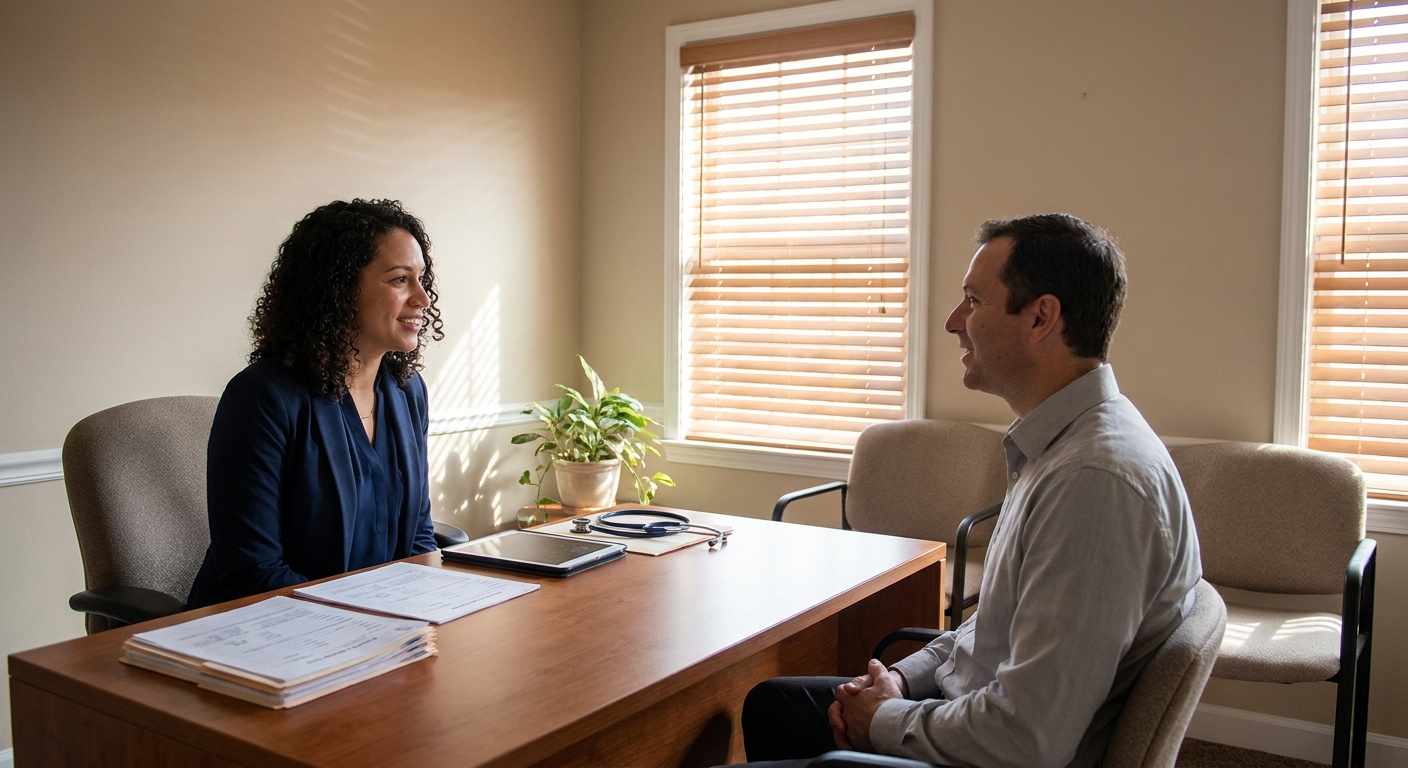
A 2019 study in the Journal of Substance Abuse Treatment found that same-day or next-day induction reduced 30-day dropout rates by nearly 50 percent compared to programs with multi-week wait times. The intake process at a well-run clinic moves quickly: medical history, a urine drug screen, a physical assessment, and then induction on the same visit for most patients.
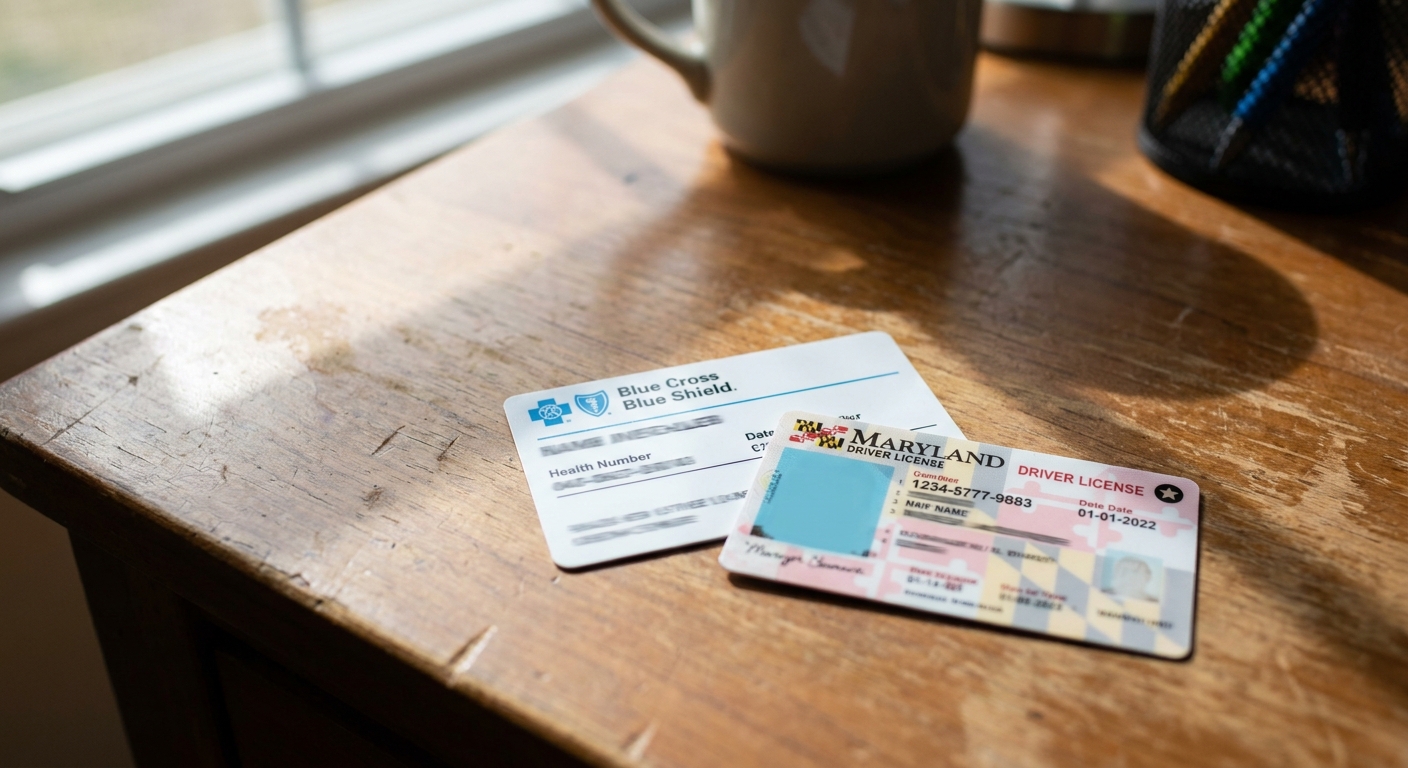
No prior treatment history is required to start. You do not need to have tried and failed other approaches first. Bring a government-issued ID, your insurance card, and a list of any current medications. That preparation removes the most common intake delays.
Telehealth vs. In-Person Care in Maryland
The DEA and SAMHSA telehealth flexibilities introduced during the COVID-19 pandemic, and subsequently extended, allow Maryland providers to prescribe buprenorphine via telehealth without requiring an in-person visit first. Maryland has maintained permissive rules under these federal extensions, making telehealth a genuinely viable path for most patients.
Telehealth works best if you have a stable living situation, reliable phone or internet access, and no immediate medical complications requiring in-person monitoring. In-person care is the stronger choice if you’re in early, unstable withdrawal or have complex medical or psychiatric needs that benefit from direct assessment. To confirm a provider accepts telehealth before scheduling, call the front desk directly and ask whether your initial intake can be completed via video visit.
Insurance and Cost: What Patients in Maryland Pay
Maryland Medicaid covers approximately 60 percent of patients receiving opioid use disorder treatment statewide, according to Maryland Department of Health claims data. For most Baltimore-area patients, Medicaid is the primary coverage source. If you’re comparing treatment options across the Baltimore area, the first financial question to ask any front desk is: “Does this practice accept Maryland Medicaid, and is Suboxone covered under my specific plan?”
Medicaid Coverage for Suboxone in Maryland
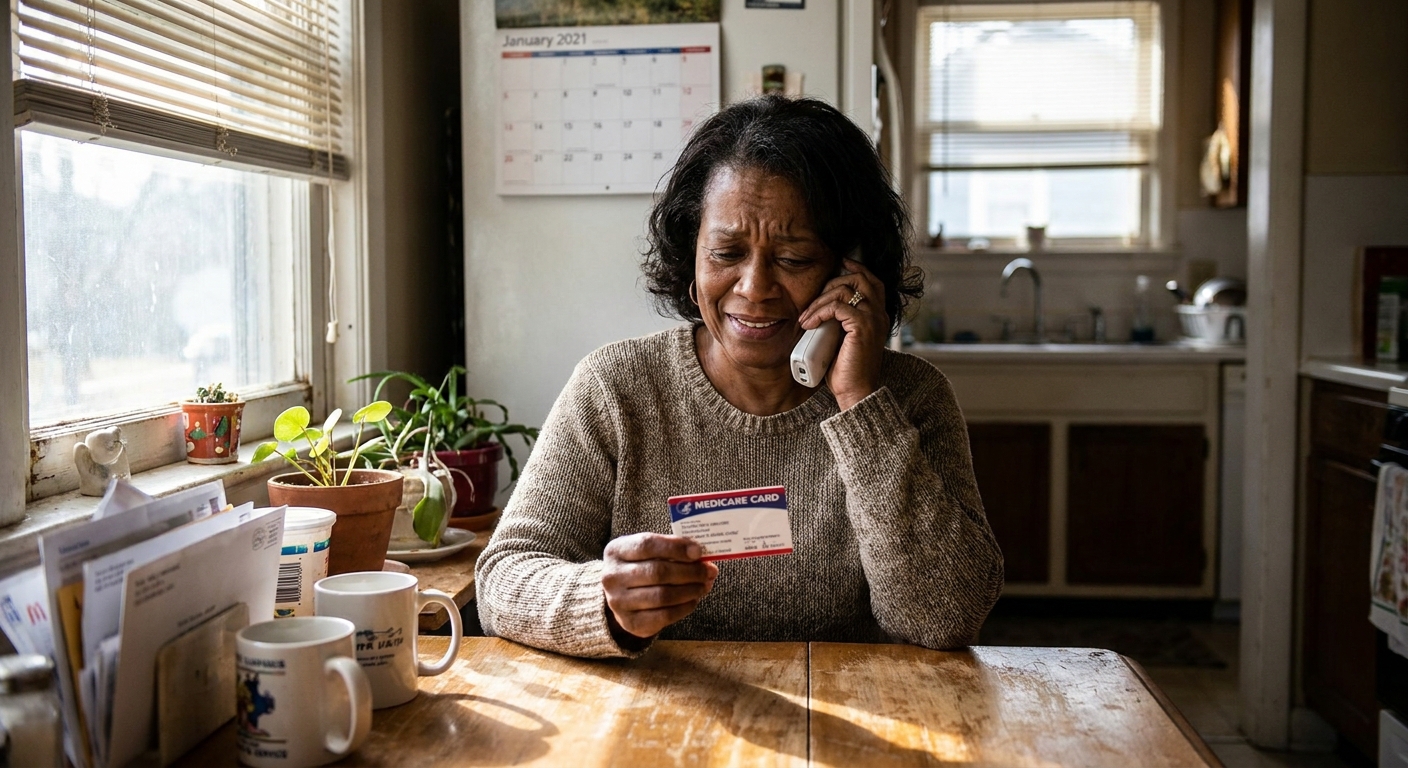
Maryland Medicaid eliminated prior authorization requirements for buprenorphine products, including Suboxone, as part of the state’s ongoing effort to reduce treatment barriers. This applies across Maryland’s Medicaid managed care organizations (MCOs), which include plans like Maryland Physicians Care, CareFirst Community Health Plan, and others. Coverage includes both the brand and generic formulations. To verify your active Medicaid coverage before your appointment, call the member services number on the back of your HealthChoice card and confirm that outpatient buprenorphine treatment is included under your current plan.
Options if You Don’t Have Insurance
Federally Qualified Health Centers operating in Baltimore, including Charm City Clinic and Chase Brexton Health Care, offer sliding-scale fees tied to income, which means treatment cost scales down to what you can actually pay. Manufacturer patient assistance programs for brand-name buprenorphine products are available for uninsured patients who meet income thresholds. Start with the Health Resources and Services Administration’s HRSA Health Center Finder at findahealthcenter.hrsa.gov to locate the nearest Baltimore-area FQHC and confirm sliding-scale MAT availability before your first visit.
How Long Suboxone Treatment Takes
The Wakeman et al. 2020 NEJM study also found that patients who remained in buprenorphine treatment for 18 months or longer had significantly lower rates of relapse and opioid-related hospitalization than those who tapered off within the first year. Longer treatment produces better outcomes. That is the evidence-based position, and finding a clinic structured for long-term care rather than short-term detox matters when making your choice.
Suboxone is not a short-term fix. Duration is individualized based on how stable your recovery feels, whether co-occurring mental health conditions are controlled, and what your life circumstances look like. In the first 90 days, the key conversation to have with your prescriber is not “when do I stop?” but “what markers will tell us you’re ready to consider tapering?”
Co-Occurring Mental Health Conditions and Suboxone
NIDA data shows that more than 50 percent of people with opioid use disorder meet criteria for at least one co-occurring mental health condition, most commonly depression, anxiety, or PTSD. Untreated mental health conditions are one of the strongest predictors of relapse, not because of willpower, but because untreated symptoms drive the same brain pathways that substance use temporarily quiets.
Integrated care, meaning Suboxone combined with behavioral health support from a prescriber who also addresses mental health, produces measurably better outcomes than medication alone. If you’re also evaluating locations closer to where you live, locations across suburban Maryland like Owings Mills or Linthicum Heights offer the same integrated psychiatry and MAT services as Baltimore-based offices. When you call a clinic, ask directly: “Do you offer behavioral health services on-site, or do you provide referrals to a behavioral health provider?”
What to Try This Week
The most common barrier to starting is not knowing whether your insurance covers it. Call one Baltimore-area Suboxone provider today, confirm Medicaid or your commercial plan is accepted, and ask whether same-day intake is available. One phone call is enough to answer both questions and get you scheduled.