Verifying insurance for Suboxone treatment is one of the most confusing steps in starting care for opioid use disorder, and skipping it leads to unexpected bills, delays, and sometimes people giving up before they begin. This guide walks you through every step of the verification process so you walk into your first appointment knowing exactly what your plan covers.
What You Need Before You Call
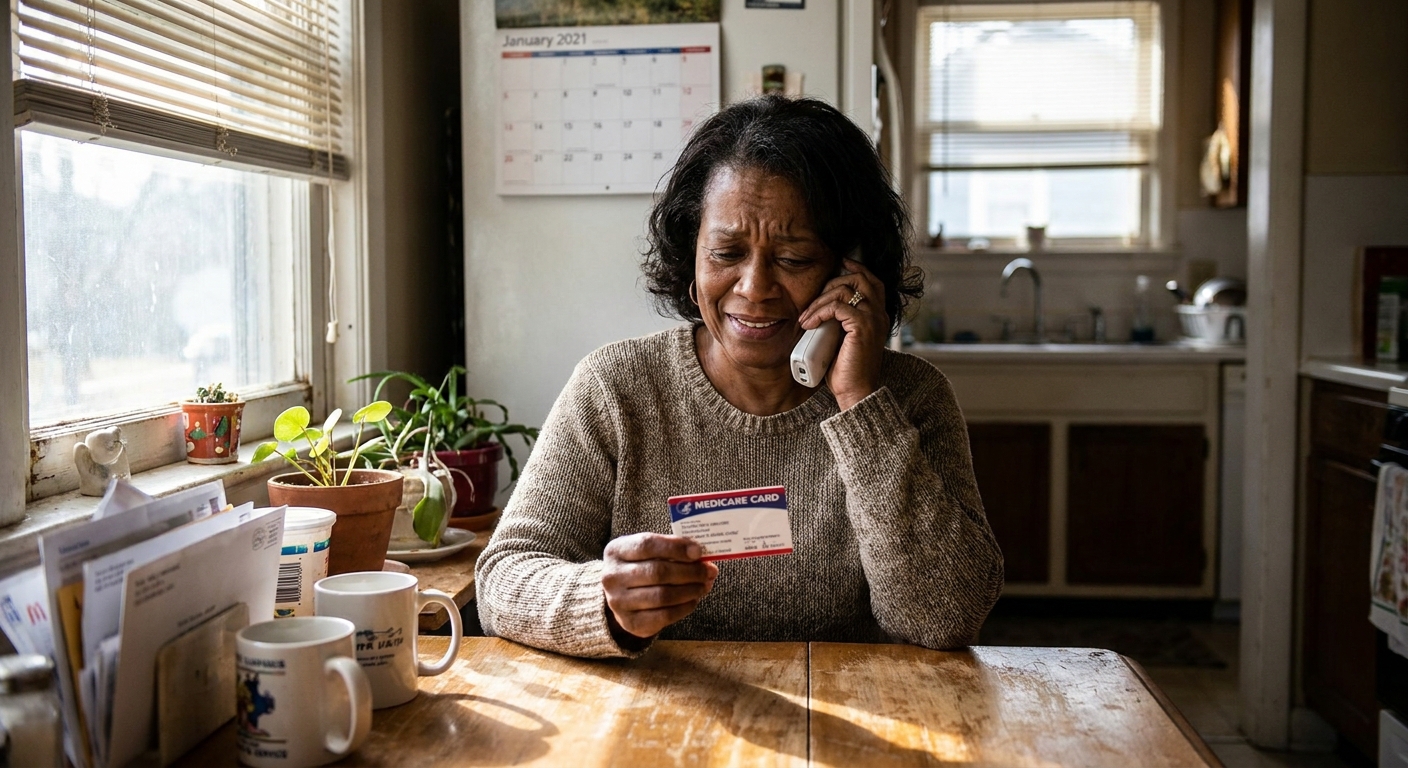
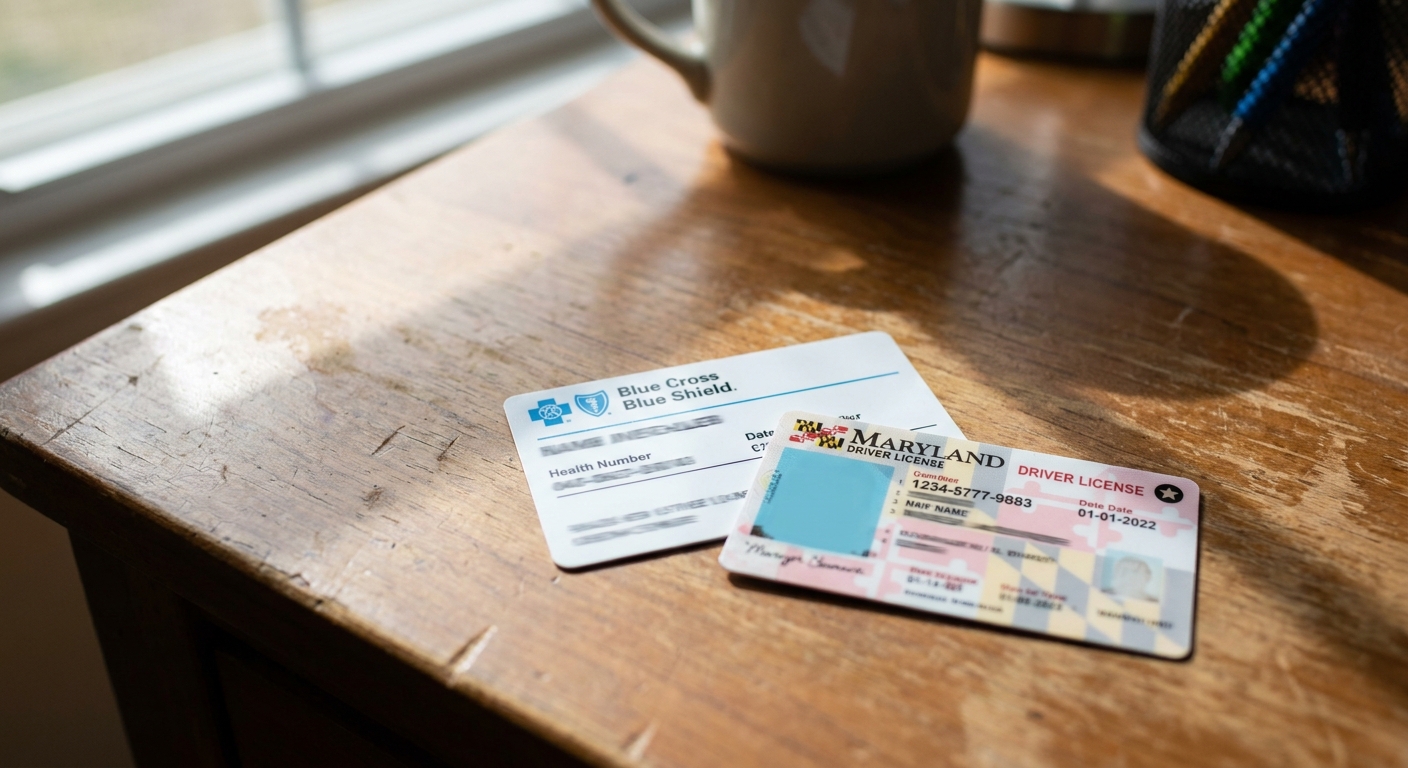
Gather four things before dialing your insurer: your insurance card, a government-issued ID, the name of the treatment provider or clinic you’re considering, and any referral documentation from a primary care physician. A 2022 SAMHSA report on treatment access barriers found that patients who called without their member ID and provider details on hand took an average of two additional calls to complete verification. Having everything in front of you cuts that loop before it starts.
If you’re not sure which clinic to call about, look into what Maryland clinics accept through Medicaid and private plans before you dial, so you have a specific provider name ready when the representative asks.
Step 1: Confirm Your Plan Type and Coverage Tier
Identify whether your plan is Medicaid, Medicare, a private commercial plan, or an employer-sponsored plan, because each one follows a different coverage rulebook for Suboxone treatment. A 2021 analysis by the Kaiser Family Foundation of 50-state Medicaid policies found that all 50 states cover buprenorphine-based medications under Medicaid, though prior authorization requirements vary significantly by state. Maryland Medicaid covers Suboxone with no prior authorization required. What this means in practice is that if your card says Maryland Medicaid, the medication itself is covered from day one.
How to Read Your Insurance Card for Plan Type
Locate the group number, plan name, and the member services phone number on the back of your card. These three fields tell you exactly which tier your plan falls into and which phone line routes to the right department. The group number distinguishes employer-sponsored plans from individual marketplace plans, and the plan name often indicates whether it’s a managed care organization within Medicaid or a standalone commercial product.
Step 2: Call Member Services and Ask the Right Questions
Call the member services number on the back of your card and work through four specific questions in order: Is buprenorphine/naloxone (Suboxone) covered under my plan? Does coverage require prior authorization? What is my copay or coinsurance for office visits with an addiction medicine provider? Does my plan cover telehealth appointments for medication-assisted treatment? A 2023 study published in Health Affairs tracking 1,200 patients seeking MAT found that callers who asked all four questions in a single call had their coverage confirmed 34% faster than those who called back with follow-up questions.
Write down the representative’s name, the call reference number, and every answer. That record protects you if a billing dispute comes up later.
Questions to Ask About Medication Coverage
Confirm the drug tier for buprenorphine/naloxone on your formulary, your copay per prescription, and whether a 30-day or 90-day supply is covered. Ask specifically about the film versus tablet formulation, since some plans cover one but not the other. The film and tablet are therapeutically equivalent, but formulary placement differs across plans, and the cost difference at the pharmacy can be significant.
Questions to Ask About Provider and Telehealth Coverage
Ask whether the specific clinic or provider you’re considering is in-network, and confirm that telehealth visits for opioid use disorder qualify as covered office visits. Maryland-specific plans are required under state law to cover telehealth MAT services at parity with in-person care, so a representative who tells you telehealth isn’t covered for this service type is worth pushing back on.
Questions to Ask About Lab Work and Drug Screens
Confirm whether urine drug screens ordered during treatment are covered as a standard lab benefit, and ask how many are covered per year. Some plans cap this at four annually, which affects how treatment monitoring is structured. Knowing the limit upfront prevents surprise charges mid-treatment.
Step 3: Understand Prior Authorization Requirements
Prior authorization is a formal approval your insurer requires before covering a medication or service. A 2023 American Medical Association survey of 1,000 physicians found that 94% reported prior authorization delays that negatively affected patient care, and that addiction medicine faced some of the highest request rates of any specialty. If your plan requires prior authorization for Suboxone, the treatment provider submits clinical documentation on your behalf. You do not handle this alone.
What Prior Authorization Involves
The provider submits a clinical justification showing a diagnosis of opioid use disorder and the medical necessity of buprenorphine treatment. Maryland Medicaid does not require this step, but many commercial plans do. The documentation typically includes a clinical assessment, diagnosis codes, and a treatment plan signed by the prescribing clinician. For more detail on what Maryland Medicaid covers for opioid use disorder, including which services are included without prior authorization, that breakdown is worth reviewing before your call.
How Long Prior Authorization Takes
Most prior authorization decisions are returned within three to five business days. If the situation is urgent, providers can request expedited review, which insurers are required to process within 72 hours. Starting the process early matters, and a clinic that handles verification for you removes this wait almost entirely.
Step 4: Get Your Benefits Summary in Writing
After completing your call, ask the representative to send a written summary of your benefits to your email or patient portal. A 2022 report from the Commonwealth Fund found that verbal-only insurance confirmations led to billing disputes in 28% of cases involving specialty mental health and addiction treatment. The written summary is your proof of what was confirmed. Keep it until your first billing statement clears.
If the insurer won’t email a summary, ask for a fax to the treating clinic’s billing team. Having the documentation sit in the provider’s file achieves the same protection.
Step 5: Check for Coverage Gaps and Appeal Rights
Review the written summary for any exclusions, visit limits, or quantity limits on prescriptions. A 2020 federal rule under the Mental Health Parity and Addiction Equity Act requires that insurers apply the same coverage standards to addiction treatment as to other medical conditions. If a limit exists on Suboxone that doesn’t exist for a comparable chronic disease medication, that is a parity violation you can appeal.
How to File a Coverage Appeal
Request a formal internal appeal in writing within 180 days of a denial. State the specific parity violation, attach supporting clinical documentation from your provider, and request a decision in writing. Most insurers resolve internal appeals within 30 days. Your provider’s billing team can help draft the appeal language, especially if they’ve filed similar appeals for other patients on the same plan.
Step 6: Explore Coverage If You Have No Insurance
If no insurance coverage exists, Maryland’s Medicaid program accepts applications year-round with no open enrollment period. A 2023 Georgetown University Health Policy Institute analysis found that adults with incomes up to 138% of the federal poverty level qualify for Maryland Medicaid, and the application-to-coverage timeline averages 45 days. The Maryland Health Connection at marylandhealthconnection.gov is the fastest route to apply.
Some clinics also work with uninsured patients directly, offering sliding-scale fees or connecting patients to manufacturer assistance programs while Medicaid enrollment processes. If cost is the main barrier right now, the options available for patients without coverage in Maryland are more substantial than most people expect.
Manufacturer Patient Assistance Programs
Indivior, the manufacturer of Suboxone film, operates a patient assistance program for uninsured individuals below income thresholds. The application is available directly through the manufacturer’s website and requires proof of income and a provider prescription. This program covers the medication cost but not the office visit, so pairing it with a low-cost or sliding-scale clinic is the move that makes it work.
Step 7: Confirm Everything With Your Treatment Provider Before Your First Appointment
Share your written benefits summary with the clinic before your intake appointment so the billing team can cross-check in-network status, confirm prior authorization has been filed if needed, and flag any gaps in what your plan covers. A 2021 study in the Journal of Substance Abuse Treatment found that patients who coordinated insurance details with their provider before the first visit were 41% less likely to experience surprise billing in the first 90 days of treatment.
Clinics that verify insurance on your behalf before scheduling remove this step entirely. If you’re looking at same-day or next-day intake options in Maryland, confirming that the clinic handles verification as part of intake scheduling is the detail that matters most.
Common Insurance Roadblocks and How to Handle Them
Even with complete preparation, three specific obstacles surface most often during Suboxone insurance verification.
“Prior Authorization Was Denied”
A denial is not final. Request the specific denial code and clinical criteria the insurer used. Your provider can submit a peer-to-peer review request, where the treating clinician speaks directly with the insurer’s medical reviewer. This reverses denials in the majority of cases for evidence-based addiction treatment, particularly when the provider can cite published clinical guidelines supporting buprenorphine.
“That Provider Is Out of Network”
Ask your insurer for a list of in-network addiction medicine providers in your zip code. If none are available within a reasonable distance, request a single-case agreement, which allows out-of-network care at in-network rates when network adequacy is insufficient. Maryland’s insurance commissioner also accepts complaints about inadequate networks, which gives you leverage when an insurer resists.
“We Need More Information”
This is a request for additional clinical documentation, not a denial. Contact your provider immediately and relay the exact language the insurer used. Providers with addiction medicine experience handle these requests routinely and can respond within one business day. The key is not interpreting this as a rejection and not waiting to follow up.
What to Try This Week
Call your insurer today with your insurance card in hand and ask those four questions in a single call. Write down the representative’s name, the call reference number, and every answer. Then share that summary with the clinic before your first appointment. That sequence, done in one afternoon, is everything needed to walk into treatment with coverage already confirmed and no financial surprises waiting on the other side.