In Maryland, opioid overdose deaths have remained at crisis levels for years, with the CDC reporting over 2,000 drug overdose fatalities in the state in 2022 alone. If you are searching for a walk-in Suboxone clinic in Maryland, the most important thing to know is this: you can start treatment today, without a referral, without a scheduled appointment, and without waiting weeks for access.
What Walk-In Suboxone Treatment Actually Means
Walk-in Suboxone treatment means same-day evaluation with no prior appointment or physician referral required. You show up, complete an intake assessment, and in most cases receive your first buprenorphine/naloxone prescription before you leave. This is meaningfully different from traditional outpatient programs, which often require an intake call, a scheduled appointment days or weeks out, and sometimes a referral from a primary care physician.
The practical takeaway: you do not need anything lined up ahead of time to begin. The clinic handles the clinical evaluation, the prescription, and the pharmacy coordination on the same visit. For many people, that removal of procedural friction is what makes the difference between starting treatment and not starting at all. If you want to understand more about how programs with no waiting period are structured before you go, that context helps you know what to expect.
Why Starting the Same Day Matters
A 2019 NIDA-funded study published in JAMA Internal Medicine followed patients with opioid use disorder who were randomized to same-day buprenorphine initiation versus referral to a scheduled program. At 30 days, patients who received same-day treatment were significantly more likely to still be engaged in care. The gap widened at 60 and 90 days. The mechanism is not complicated: every day between making the decision to seek help and actually receiving medication is a day when withdrawal, cravings, and environmental pressure can reverse that decision.
What this means in practice is that urgency is not impatience. It is clinical reality. Walk-in clinics exist specifically to meet you at the moment you are ready, rather than asking you to maintain readiness across a waiting period that most people cannot sustain.
What to Bring to Your First Visit
The intake process at a walk-in Suboxone clinic moves quickly, but having the right information on hand speeds it up further.
Identification and Insurance Information
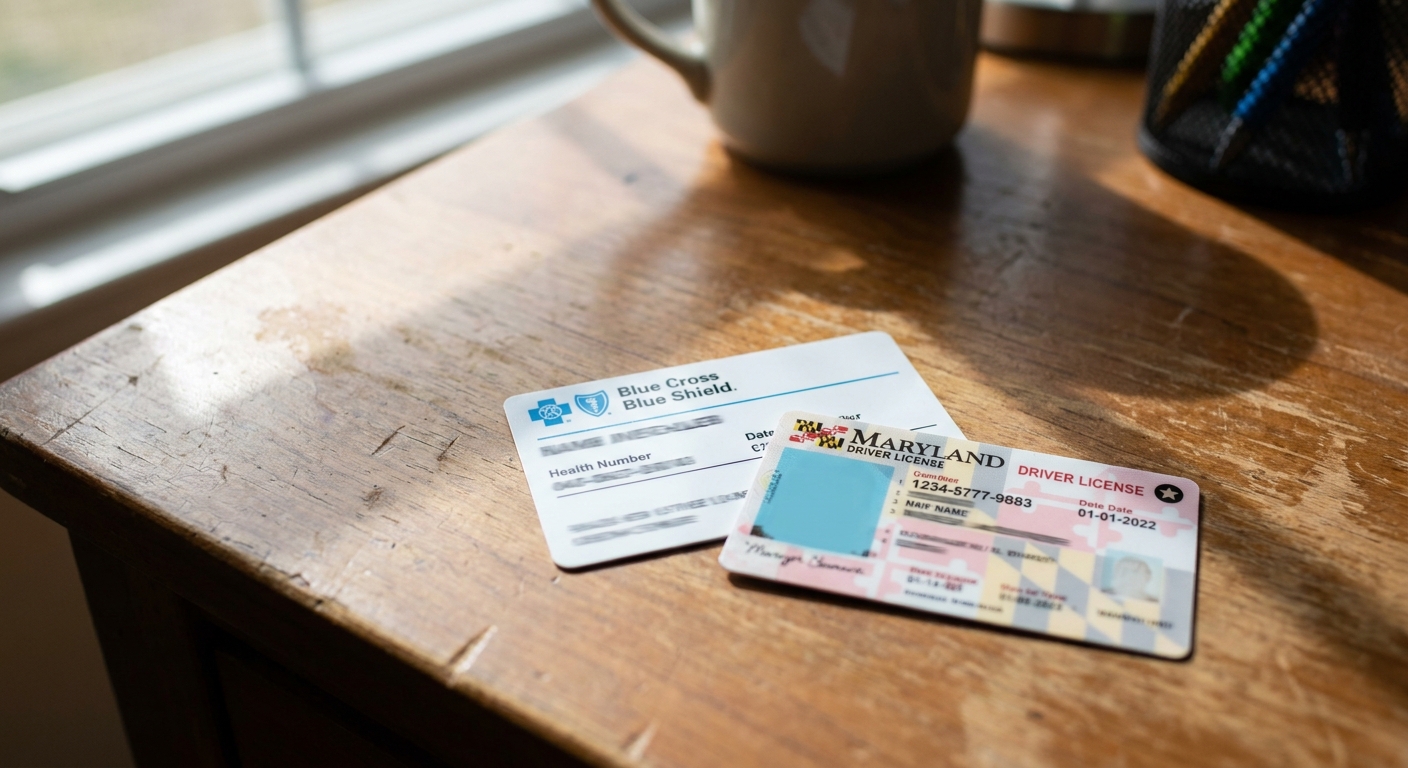
Bring a government-issued ID and your insurance card if you have one. Maryland Medicaid (Medical Assistance) covers Suboxone with no prior authorization requirement under current state policy, which means Medicaid cardholders can access treatment without approval delays. According to Maryland Medicaid enrollment data, over 1.6 million Marylanders are currently enrolled, making it the most common coverage type at opioid treatment programs statewide.
If you are uninsured, that is not a barrier to showing up. Many walk-in clinics, including those serving Baltimore, College Park, and Owings Mills, serve patients without coverage and have processes in place to discuss payment options at intake. The concrete action here: pull out your insurance card before you arrive, or call the Maryland Medicaid helpline at 1-800-226-6925 to confirm your enrollment status.
Your Medical and Medication History
A 2022 study in the Journal of Addiction Medicine found that patients who provided complete medication histories at intake had significantly higher 90-day retention rates than those with incomplete records. The reason is straightforward: drug interactions, prior experience with buprenorphine, and co-occurring health conditions all affect what starting dose is appropriate. A prescriber working with accurate information can calibrate your dose correctly on day one rather than adjusting over multiple visits.
Bring a list of any medications you currently take, including psychiatric medications, blood pressure drugs, and anything prescribed or not prescribed. Note any prior MAT experience, including what worked and what did not.
What to Expect From the Clinical Evaluation
The evaluation at a walk-in Suboxone clinic includes a brief physical assessment, a review of your use history, and COWS scoring. COWS stands for Clinical Opiate Withdrawal Scale, a standardized tool that measures withdrawal severity across 11 physical indicators. It is a clinical measurement, not a judgment about how much you have used or how serious your situation is. The score helps the prescriber determine when you are ready to take your first dose safely.
The full evaluation typically takes under an hour. Most patients receive their first prescription the same day.
How Suboxone Works and Why It Is the Standard of Care
According to SAMHSA’s 2023 Treatment Episode Data Set, buprenorphine/naloxone remains the most widely prescribed medication for opioid use disorder in the United States, with strong evidence linking its use to reduced illicit opioid use and lower overdose mortality. The FDA has affirmed buprenorphine as a first-line treatment based on decades of clinical trial data.
The mechanism in plain terms: buprenorphine is a partial opioid agonist, meaning it activates the same receptors as heroin or fentanyl but only partially. That partial activation is enough to eliminate withdrawal symptoms and reduce cravings without producing the sedation or euphoria associated with full agonists. Naloxone is added to the formulation to deter injection misuse. It has no effect when the medication is taken correctly under the tongue, but triggers withdrawal if injected.
Taking it correctly matters: sublingual absorption only. Do not chew, swallow, or crush the film or tablet. Let it dissolve completely under your tongue for full effect.
Insurance Coverage and Cost in Maryland
A 2023 KFF (Kaiser Family Foundation) analysis found that Medicaid covers MAT in all 50 states, but prior authorization requirements, prescriber limits, and pharmacy restrictions vary significantly by state. Maryland is one of the stronger states on this front: Maryland Medicaid covers Suboxone with no prior authorization, and the state has actively expanded MAT access through its Behavioral Health Integration initiative.
For patients on Medicare Part D or commercial insurance, coverage is also available, though copays and formulary placement vary by plan. The concrete action: call the clinic’s billing line before your first visit and ask them to verify your benefits. Most walk-in clinics complete insurance verification in under ten minutes, and the better ones do it as part of the intake process so you are not navigating it alone. For a detailed breakdown of what Maryland Medicaid covers for opioid treatment, that resource covers the specifics by service type.
If You Do Not Have Insurance
Uninsured patients have real options in Maryland. The Maryland Behavioral Health Administration administers Substance Use Disorder block grant funding that supports treatment slots at qualifying clinics. Indivior, the manufacturer of Suboxone, also operates a patient assistance program for uninsured individuals who meet income criteria. Sliding-scale fees are available at many walk-in clinics. Ask the front desk directly about grant-funded slots and what documentation, if any, is needed. For more detail on accessing care without a plan, that guide covers your specific options.
Co-Occurring Mental Health Conditions and Integrated Care
A study from the Johns Hopkins Bloomberg School of Public Health found that approximately 50 percent of people with opioid use disorder meet criteria for at least one co-occurring psychiatric condition, most commonly depression, anxiety, or PTSD. Treating opioid use disorder without addressing those conditions produces worse outcomes for both. The medication stabilizes physical dependence, but untreated anxiety or depression creates ongoing relapse risk that MAT alone does not resolve.
Many walk-in Suboxone clinics in Maryland offer integrated behavioral health services, meaning therapy and psychiatric evaluation are available alongside medication management. Disclose any mental health history during intake. The treatment team needs that information on day one to build a plan that addresses your full picture, not just the opioid dependence.
What Happens After the First Visit
A 2021 study in Drug and Alcohol Dependence found that patients who remained in MAT for 12 months or longer had overdose rates significantly lower than those who discontinued treatment in the first 90 days. Retention is the strongest predictor of outcome, and retention starts with your second appointment.
Follow-up visits are typically weekly for the first month, then spaced to monthly as your dose stabilizes and you build consistency. Urine drug screening is part of ongoing care. It is a clinical monitoring tool, not a punitive measure. Before you leave your first appointment, schedule the next one. That single step, booking the follow-up before you walk out, is the most reliable predictor of whether you stay in treatment. For anyone helping a family member start care and wondering how to confirm coverage before the first visit, that process is simpler than most people expect.
What to Try This Week
Use SAMHSA’s treatment locator at findtreatment.gov, enter your Maryland zip code, and filter for walk-in availability. Confirm the clinic accepts walk-ins and takes your insurance or serves uninsured patients. Then go tomorrow. Everything else, the evaluation, the prescription, the pharmacy coordination, happens at the appointment. You do not need to have anything else figured out first.