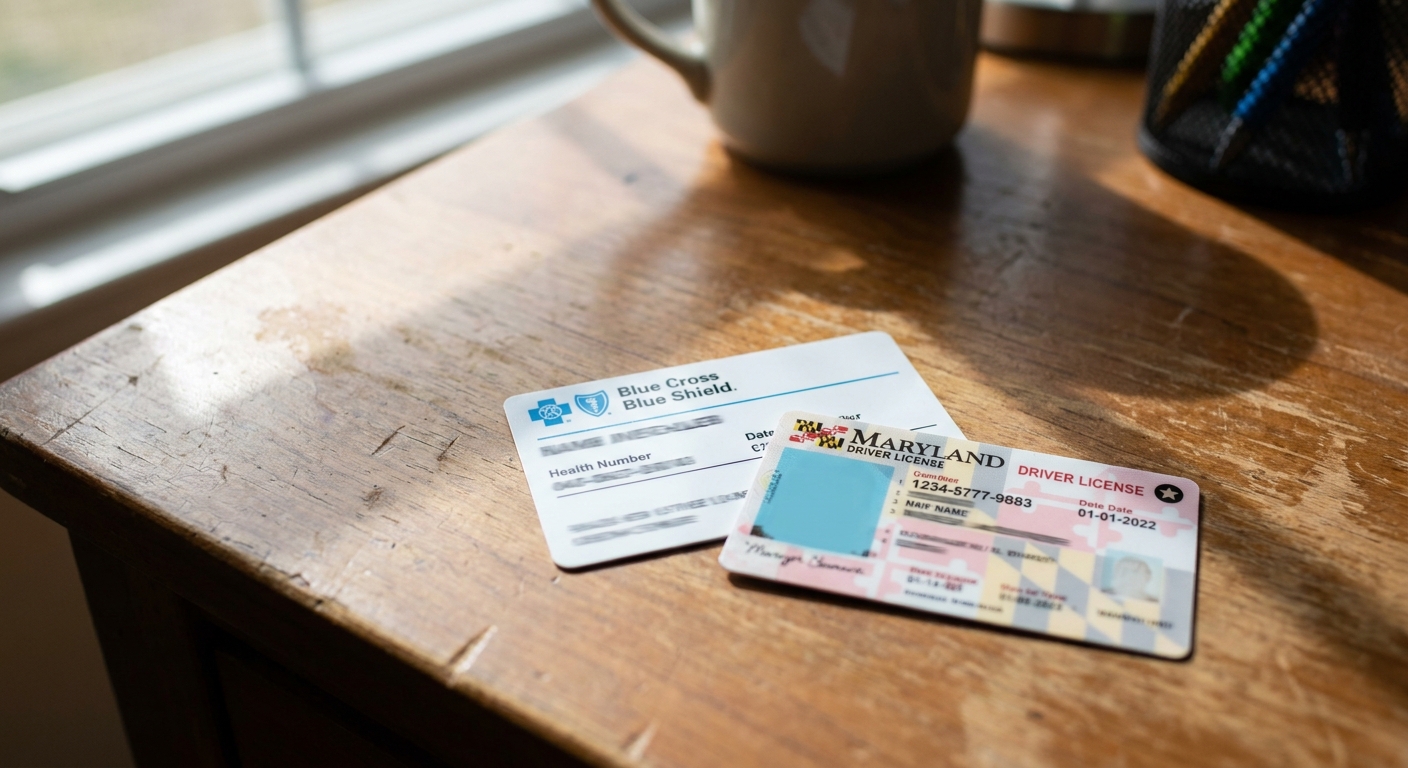
Finding a suboxone clinic that accepts insurance is one of the most common barriers between people and treatment that could save their lives. The good news: if you have coverage, you very likely have access to medication-assisted treatment already paid for. The challenge is knowing exactly how to confirm it and where to look.
Why Insurance Coverage for Suboxone Treatment Matters More Than You Think
According to SAMHSA’s 2023 National Survey on Drug Use and Health, which surveyed over 75,000 Americans, roughly 94% of people with opioid use disorder did not receive any form of specialty treatment in the past year. The single most commonly cited reason was cost. That number deserves a moment: millions of people who needed help didn’t get it, not because treatment doesn’t exist, but because they couldn’t figure out how to pay for it.
Here’s what that means in practice. Buprenorphine-based treatment, including Suboxone, is classified as a covered benefit under most insurance plans in the United States. If you have a card in your wallet right now, there’s a real chance your treatment is already covered. Leaving that benefit unused is like paying for a gym membership and never walking through the door. Pull out your insurance card before reading further. You’ll need the member services number on the back for the next step.
How to Confirm Your Insurance Covers Suboxone Before You Call a Single Clinic
A 2022 analysis by the Legal Action Center found that despite federal parity law requirements, 40% of state Medicaid and commercial plans still imposed barriers to medication-assisted treatment that they did not apply to other medical conditions. Prior authorization requirements, quantity limits, and step therapy protocols are the most common. These barriers exist even when coverage technically does.
The Mental Health Parity and Addiction Equity Act, passed in 2008 and strengthened by subsequent regulations, requires insurers to cover addiction treatment under the same standards they apply to any other chronic medical condition. If your plan covers, say, diabetes medications without a prior authorization, it cannot legally require one for buprenorphine unless it applies that same rule consistently across all medications. Many plans still test whether patients know this.
The one action to take now: call the member services number on the back of your insurance card and ask two direct questions. “Does my plan cover buprenorphine treatment for opioid use disorder?” and “Do I need prior authorization before starting?” Write down the representative’s name and the reference number for the call.
What Medicaid Covers in Maryland
Maryland has one of the more patient-friendly Medicaid policies in the country when it comes to opioid use disorder. The Maryland Department of Health removed prior authorization requirements for buprenorphine prescriptions across most of its Medicaid managed care organizations, a policy shift that significantly improved access to treatment. The major Medicaid MCOs operating in Maryland include Priority Partners, Maryland Physicians Care, Jai Medical Systems, Amerigroup, CareFirst Community Health Plan, and UnitedHealthcare Community Plan.
If you’re on Medicaid, finding an in-network provider for your specific MCO is the step that trips most people up. Being on Maryland Medicaid doesn’t automatically mean every Medicaid-accepting clinic is in your network. Call your MCO directly, confirm the clinic is listed under your plan, and ask whether transportation assistance is available through your benefits. Many Maryland Medicaid plans include non-emergency medical transportation as a covered service.
What to Expect With Commercial Insurance
A 2021 study published in Health Affairs found that prior authorization for buprenorphine was required by 52% of commercial insurance plans reviewed, compared to far lower rates for other chronic disease medications. That number has improved somewhat as states have passed laws restricting prior auth for MAT, but it remains a real obstacle for patients on employer-sponsored plans.
When you call your commercial insurer, ask three specific things: what tier is buprenorphine/naloxone listed on in your formulary, what is your copay or coinsurance for office visits with an addiction medicine prescriber, and is there a monthly quantity limit on the prescription. Ask the representative to send a benefits confirmation letter or give you a reference number documenting the answers. Having that in writing protects you if a billing dispute comes up later.
How to Search for In-Network Suboxone Clinics in Maryland
SAMHSA’s 2023 Behavioral Health Barometer reported significant provider shortages in medication-assisted treatment access, particularly in suburban and rural areas. Being DEA-waivered to prescribe buprenorphine and being contracted with your insurance plan are two entirely separate things. A prescriber can be licensed, experienced, and willing to see you but still out-of-network for your plan, which changes your cost considerably.
The right approach is to run two searches side by side. Start with SAMHSA’s treatment locator at findtreatment.gov, which lets you search by zip code and filter for buprenorphine providers. Then open your insurer’s own provider directory and search for addiction medicine or substance use disorder specialists in the same geographic area. Cross-reference the two lists. Clinics that appear on both are your starting point. This process matters because skipping the waitlist at a clinic that turns out to be out-of-network can result in unexpected bills that discourage people from continuing care.
Questions to Ask When You Call a Clinic
A 2019 study published in the Journal of Substance Abuse Treatment found that the quality and responsiveness of the initial intake call was one of the strongest predictors of whether a patient completed the enrollment process and remained in treatment at 90 days. The intake call is a two-way interview, not just an administrative hurdle.
Before you dial, write down four specific questions. Does the clinic accept your specific insurance plan and MCO, not just insurance generally? Do they bill your insurer directly, or do they collect payment upfront and expect you to seek reimbursement? What is the estimated out-of-pocket cost for the first visit? And are same-week appointments available? A clinic that can’t answer these questions clearly during an intake call is giving you information about how they operate.
What to Do If You Don’t Have Insurance, or Your Plan Won’t Cover It
According to the Kaiser Family Foundation’s 2023 analysis, approximately 10% of non-elderly adults in the United States remain uninsured, with lower-income adults disproportionately represented. Not having insurance is not the end of the road for opioid use disorder treatment in Maryland, but it does require knowing the right options.
Maryland expanded Medicaid under the Affordable Care Act, which means adults with household incomes up to 138% of the federal poverty level are eligible regardless of employment status. Enrollment is open year-round for people who experience a qualifying income change, which includes job loss, reduction in hours, or other changes in household income. Visiting Maryland’s HealthConnection portal this week to check eligibility takes less than 20 minutes. For those who don’t qualify for Medicaid, two other pathways exist. The 340B drug pricing program allows qualifying clinics to dispense Suboxone at significantly reduced cost. And many practices offer sliding-scale fees based on income. For a fuller breakdown of what’s available, options for patients without coverage are worth reviewing before assuming treatment is out of reach.
Red Flags to Avoid When Choosing a Suboxone Clinic
A 2022 study in JAMA Network Open examined patient outcomes across 2,800 opioid use disorder treatment episodes and found that treatment retention at 12 months was strongly associated with access to integrated behavioral health services alongside medication. Medication alone, without any counseling or mental health support, produced substantially worse outcomes. Not all clinics deliver the same level of care, and some warning signs are worth knowing before you commit to a provider.
Clinics that refuse to bill your insurance directly and demand full cash payment upfront before verifying your benefits are a red flag. Prescribers who offer only a prescription with no intake assessment, no treatment plan, and no behavioral health component are not meeting the standard of care established by SAMHSA’s clinical guidelines. Similarly, if a clinic has no capacity to address co-occurring mental health conditions or to connect you with counseling, that’s a gap that affects long-term outcomes. If a clinic refuses to verify your insurance coverage before your first appointment, move to the next option on your list.
What Good Suboxone Treatment Actually Looks Like
A landmark 2021 study published in the New England Journal of Medicine, which followed over 1,400 patients in buprenorphine treatment, found that patients who received both medication and behavioral health support had retention rates nearly twice as high at six months compared to those receiving medication alone. The research is consistent on this point: buprenorphine works best as part of a coordinated treatment approach, not as a standalone prescription.
At your first appointment, expect a full clinical assessment that covers your substance use history, current health status, and any co-occurring mental health conditions. The clinic should handle insurance verification before or during that visit, not leave it to you to figure out after the fact. A treatment plan with defined goals should come out of that first meeting, along with a clear explanation of how Suboxone works, what to expect during induction, and how follow-up appointments are scheduled. Ask the clinic directly whether they offer integrated behavioral health services or referrals to counseling. That’s a standard of care, not an optional add-on. For a closer look at what the full scope of addiction care covers under Medicaid, it’s worth reviewing your specific plan’s benefits.
What to Try This Week
Make one phone call. Call the member services number on the back of your insurance card, ask whether your plan covers buprenorphine treatment and whether prior authorization is required, and get a reference number for the conversation. Then open findtreatment.gov, enter your zip code, and cross-reference that list with your insurer’s provider directory. When you find a clinic that appears on both, call them and ask the four questions from this guide.
That is the whole process. One call to your insurer, one search, one call to a clinic. Many clinics that serve Maryland patients, including those in Baltimore, College Park, Linthicum Heights, Nottingham, and Owings Mills, offer same-day and next-day intake appointments with no waitlist, verify your benefits on your behalf, confirm pharmacy pickup, and coordinate insurance-covered transportation to your first visit. The friction that keeps most people from starting treatment is real, but it’s removable. The door is already open.