Online Subutex Doctors in Maryland: How Virtual Prescribing Works
You want a Subutex prescription without waiting days for an appointment or driving across the state, and Maryland law now allows doctors to start patients on buprenorphine through telehealth after federal barriers dropped in 2023. The catch most people miss: virtual prescribing still requires the same federal certification, the same clinical assessment, and often the same delays as in-person care unless the practice is built to move fast on both channels.
That surprises a lot of people. You expected to log into an app, talk to a face on a phone, and get a prescription without ever leaving your couch. In many states, that exists. In Maryland, for a new patient starting buprenorphine, it does not. And honestly, once you understand why, you may find value in the in-person start. The in-person start is designed with safety in mind. What follows explains exactly how it works at MD M.A.T.T., step by step, so you can explore your options.
What “Online Subutex Doctors” Actually Means in Maryland
In Maryland, “online Subutex doctors” does not mean a doctor who prescribes buprenorphine over video and never meets you. It means a prescriber you can reach fast, by phone, without a referral or a weeks-long waitlist. State controlled substance rules require an in-person evaluation before any provider writes a buprenorphine prescription for a new patient with opioid use disorder. No legitimate doctor in this state can skip that face-to-face visit and prescribe a controlled medication like Subutex from a screen alone.
So the word “online” is misleading, and the platforms promising video-only prescriptions are usually based out of state and cannot legally serve you here anyway. What you actually need is accessibility, not just a screen. You need someone who picks up the phone, understands you are seeking help, and responds to that request.
That is the model at MD M.A.T.T. The office has not completed a single new-patient intake without an in-office visit, because the law and safety considerations both inform that practice. What the team did instead was build everything around that visit to make it accessible. You call, you may be seen, and you may leave with a prescription. The convenience you wanted from a phone shows up in the follow-up, which happens by text. The safety considerations you may not have known about are addressed in the first appointment, which happens in person.
What You Need Ready Before Your First Appointment
Before you call, gather three things: your insurance information if you have it, a rough timeline of your last opioid use, and a plan to get to one of the offices. That is genuinely all it takes to get started, and if you are missing any of them, the office works to accommodate rather than turning you away.
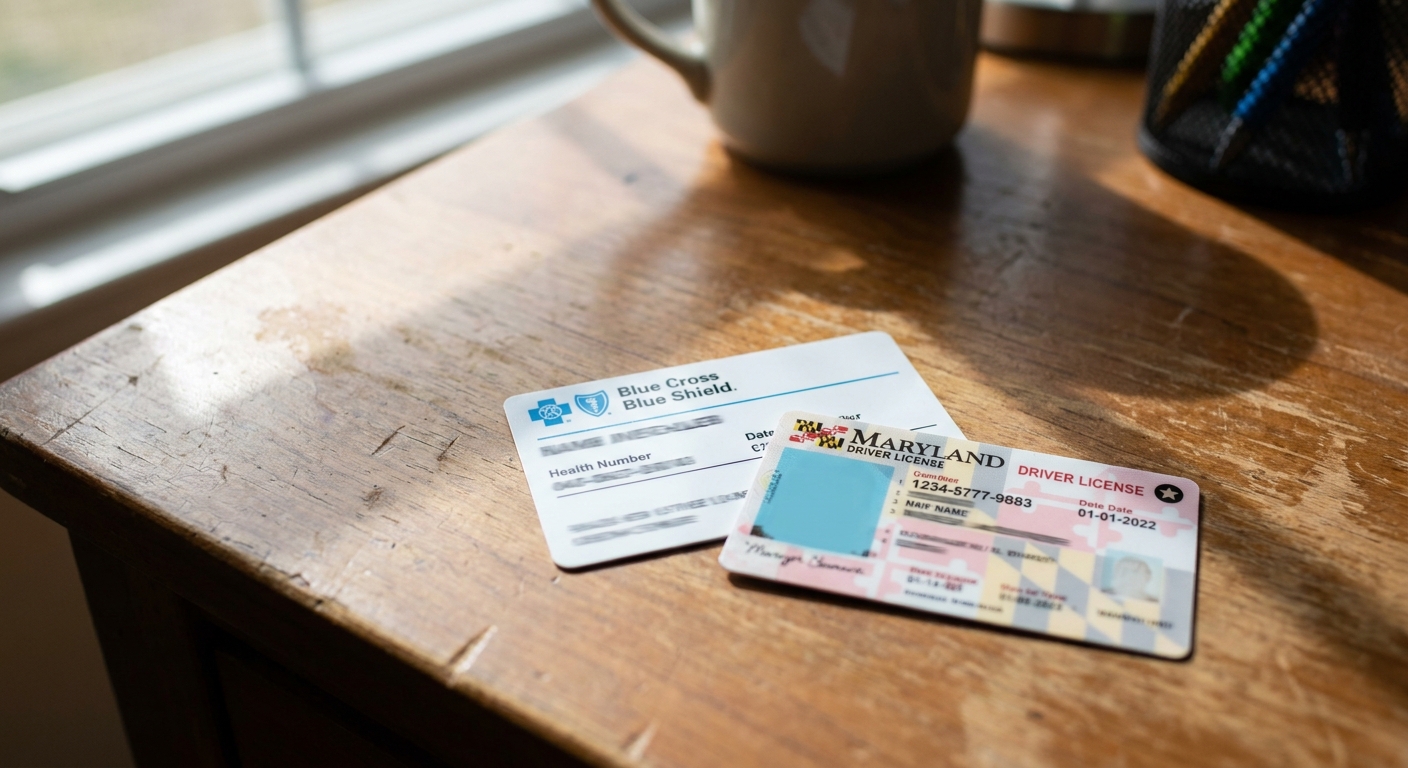
MD M.A.T.T. accepts Maryland Medicaid, Medicare, and commercial plans including Blue Cross Blue Shield, Aetna, Cigna, and UnitedHealthcare. If you do not have coverage at all, do not let that stop you from calling. The team can help with enrollment on-site during your first visit. Economic barriers are recognized as factors in health, and coverage is part of that.
The second thing, your recent use timeline, matters more than it sounds. The doctor needs to know when you last used and what you used, because the timing of your first dose of buprenorphine depends on it. Take it too early and you can trigger precipitated withdrawal, a fast and uncomfortable crash. The FDA label for Subutex explains that the first dose should come only when clear signs of withdrawal have started. Knowing your timeline lets the doctor coach you on exactly when to take it. If you cannot remember precise times, that is fine. Give your best honest account and the team fills in the rest.
Why Calling Before 2pm May Get You Seen the Same Day
Call before 2pm and you may be seen the same day, sometimes within the hour. When you call, you reach new patient coordinator Thomas, who walks you through the process, books your appointment, and collects your information over the phone so there is less paperwork when you arrive. The 2pm guideline exists for a practical reason: it leaves enough of the day to get you in, evaluated, and to a pharmacy before it closes.
If you call after 2pm and you need medication today, you are not out of options. MD M.A.T.T. uses its relationships with local doctors and emergency rooms to help arrange an emergency dose the same day when possible, then schedules your full intake for the next morning. The staff works to accommodate people who are ready to start treatment. The point is to reduce waiting when you are willing to begin, because readiness can be time-sensitive. If you do not get help while you are willing, the odds may increase that you continue using.
This is the part that matters most for someone in your position. The window where you decide to get help can be short. The team knows that, so the whole phone process is built to move efficiently and treat you respectfully. Thomas is not screening you to see if you qualify or lecturing you about your choices. He is working to get you an appointment, a doctor, and a treatment plan. If you want to confirm there is a provider near you at any hour, the federal locator at FindTreatment.gov lists licensed options across Maryland, but calling directly may offer a faster path to starting treatment.
Which of the Five Maryland Locations Is Closest to You
MD M.A.T.T. runs five locations across the areas it serves, so many patients can reach an office within about thirty minutes. Those locations are Owings Mills, Linthicum Heights, Nottingham, Baltimore, and College Park. When you call, Thomas helps you pick the one that is easiest for you to reach.
Geography is not a small detail when you are trying to start treatment. A clinic an hour away, with no ride and no gas, is a clinic you may not reach, and a missed first visit can sometimes mean another delay in starting care. Spreading offices across the region is intended to reduce that travel barrier. Whether you are north near Owings Mills or Nottingham, closer to the airport in Linthicum Heights, in the city of Baltimore itself, or south toward College Park, there may be an office within a reasonable drive.
If transportation is your obstacle, say so on the phone. The team may coordinate rides, either through your insurance or by arranging the first ride when that is what it takes to get you to the office. The location closest to you is the one you can actually reach, and the office would rather solve the transportation issue than have you unable to start care.
What Happens During Your Same-Day In-Person Evaluation
At your first visit, the doctor reviews your recent opioid use, checks your vital signs, and coaches you through the timing of your first dose at home. That is the core of it, and it usually does not take long. You meet the front desk coordinator first, then you see the doctor, and the visit stays focused on getting you started safely.
This in-person step is not a formality invented to slow you down. It is the piece Maryland law requires and the piece that is designed to reduce risk. A screen cannot check your blood pressure or your pulse, and a screen cannot read the physical signs of where you are in the withdrawal timeline. The doctor can, and that face-to-face evaluation is what helps make the home dose that follows safer rather than an estimate. MD M.A.T.T. has not completed a new-patient intake without this visit, and after more than a decade, that has not changed.
You will not be judged in that room. If you relapsed before, if you have been managing Suboxone on your own, or if you are still using right now, none of that is held against you. The approach here is community over sobriety, which means the goal is keeping you engaged and alive, not passing a purity test. The doctor is a healthcare professional here to work with you, not a gatekeeper deciding whether you deserve treatment.
Getting Your Prescription Before You Leave the Building
The doctor sends your prescription to your pharmacy before you leave the building, so you may pick up your medication the same day you were evaluated. There is no waiting days for a script to be reviewed, faxed, or approved somewhere off-site. The e-prescription goes out during or right after your visit.
This is where the speed you wanted from online prescribing actually shows up. You walked in without a prescription and you walk out with one already sent to your pharmacy. For someone who has spent the morning deciding to get help, that same-day turnaround can be significant. It closes the gap between deciding to start and actually starting, and that gap is where some people fall back into using.
The prescription itself is matched to your situation. If you have taken buprenorphine before and know how you respond, the plan may reflect that. If you are new to it, the doctor prescribes conservatively and pairs it with clear instructions, which leads directly into how you begin at home.
How Home Induction Works After You Pick Up Your Medication
For patients new to buprenorphine, home induction means you pick up medication, take a small amount at home once withdrawal has clearly started, and stay in text contact with Thomas to help avoid precipitated withdrawal. MD M.A.T.T. has not performed an in-office induction in over a decade. Home induction with comfort medications is the standard here because it may be safer and more comfortable for some patients.
Here is how it runs. The doctor prescribes medication and comfort medications to ease symptoms while you wait for the right moment. You go to the pharmacy, get the prescription, and go home. When you start feeling clear signs of withdrawal, you take a small first portion, rather than a full dose. Thomas confirms with you by text before you take it, checks in during, and follows up the next day. That coaching is intended as a safety support to help with timing.
Precipitated withdrawal is a real concern when starting this medication. Buprenorphine can displace other opioids from your receptors if you take it too soon, and the result can be a sharp, sudden withdrawal that may feel worse than the one you were experiencing. The whole point of confirming your timeline at the visit and coaching you by text at home is to help reduce that risk. You are not doing this alone. You have a person available on the other end of the phone.
What the Text Check-Ins Look Like After Your Prescription
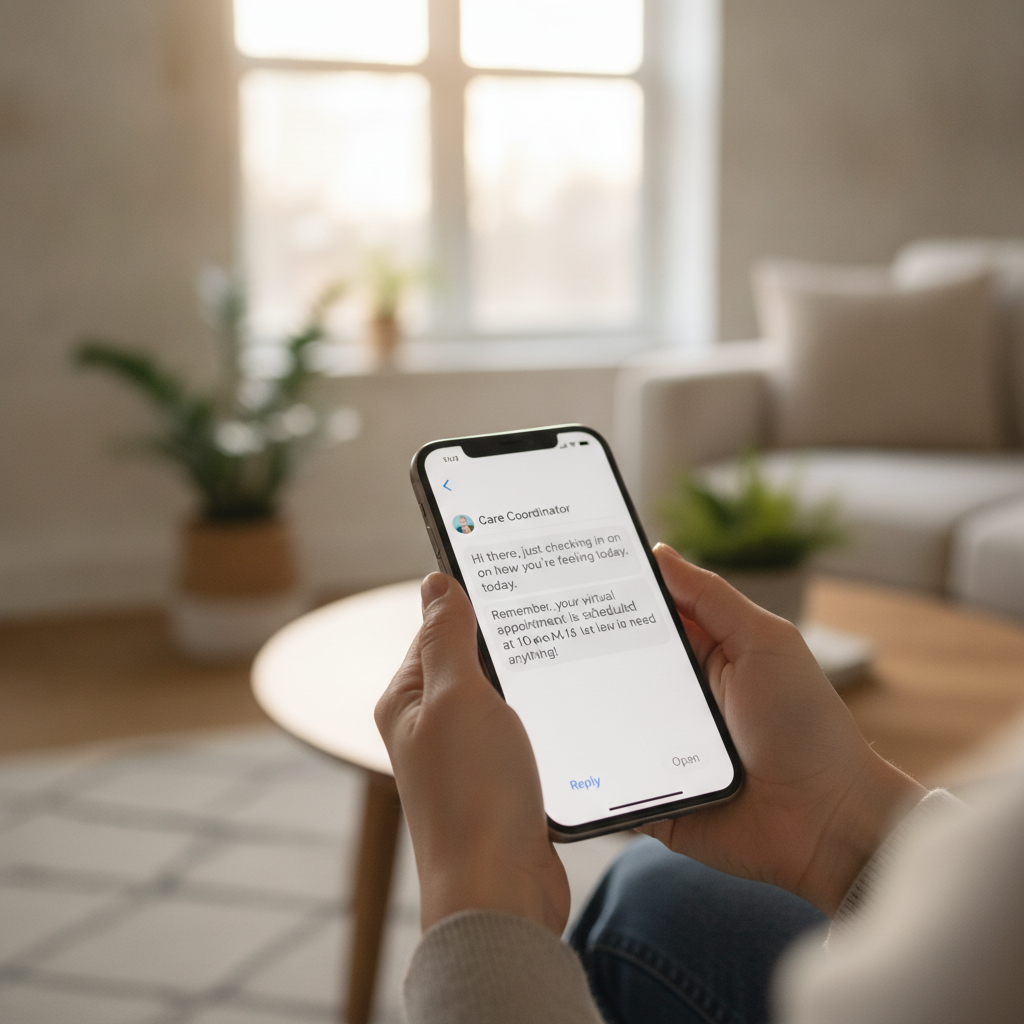
After the doctor sends your prescription, Thomas texts to confirm you received your medication, follows up the next day, and continues text-based appointment reminders and wellness checks from there. This is where the convenience you were seeking when you searched for online Subutex doctors lands, without trading away the safety of that first in-person start.
Think of it as the responsiveness of a digital service layered on top of in-person care. A confirmation text message that you picked up your medication. A next-day check to see how the first dose went. Reminders before every appointment so nothing slips. If something feels off, you text back and someone responds. You get the accessibility of a phone in your hand and the safety of a doctor who examined you in person.
That combination is different from what video-only platforms offer. They give you a screen and a script. Here the follow-up is a person named Thomas who already knows your case, tracking whether you got your medication and how you are doing. That continuity may be part of why some patients stay in treatment instead of leaving after the first refill.
Why You Come In Weekly for the First Month
New patients come in weekly for the first four weeks, then build up to monthly visits once things are stable. That early cadence is not busywork. It is how the team monitors your response, adjusts your dose when needed, and offers counseling and psychiatry before small issues become larger ones.
Those first weeks are when medication may need the most fine-tuning and when co-occurring mental health conditions tend to surface. Buprenorphine is medication assisted treatment because it is designed to be assisted by counseling. The medication addresses physical craving. The counseling and psychiatry may address the anxiety, depression, trauma, or other conditions that contributed to the use in the first place and that may raise your relapse risk if they go untreated. Seeing you weekly lets the counselor and psychiatrist get to know you and monitor those conditions in real time.
This is the difference between a treatment program and a prescription service. An app that only refills your medication cannot notice if you are struggling, cannot adjust your care, and cannot connect you to a counselor when the week gets hard. Weekly visits mean someone is paying attention. And if you are still using during those weeks, you are not removed from treatment for it. The approach to continued use is more support, not discharge.
What Ongoing Medication Management Looks Like After Month One
After the first month, visits move to monthly, refills are coordinated so you do not run out, and the support widens to include practical aspects of your life that may affect stability. Medication management here does not stop at the prescription. It extends into things that may influence whether you continue using or stay in recovery.
That means jobs, food, and housing are treated as part of your care, not as somebody else’s problem. Someone may struggle to stop using if they are experiencing food insecurity, financial instability, and housing uncertainty. So MD M.A.T.T. connects patients to work through the Office of Economic Development, links them to food resources, and points them toward housing support, including specialized programs when that is what a patient needs. Economic well-being is recognized as connected to physical well-being, and the team treats an economic crisis as a clinical factor that may affect your ability to stay in treatment.
Once you are stable, monthly visits keep the medication steady while counseling and psychiatry continue. The relationship does not shrink to a transaction. It stays a connection with people who know your history and are invested in your progress. That is one approach to long-term recovery when the goal is community support, not just compliance.
What If You Have No Insurance or No Ride?
If you have no insurance and no way to get to the office, MD M.A.T.T. works to remove both barriers rather than turning you away. Insurance enrollment may happen on-site during your first visit, and transportation may be coordinated through your plan or arranged when needed. The obstacle that stops many people from starting is almost never the visit format. It is money and a ride.
One patient who had just been released from prison had neither insurance nor transportation. Instead of telling him to come back when he had both, the team arranged a ride to the office, helped him enroll in insurance once he was there, and connected him to resources that helped him stay in treatment. The team worked to accommodate him instead of screening him out. That is the approach.
The broader idea is this: a person who is constantly stressed about food, shelter, and safety may struggle to stay in treatment. So the team identifies what basic needs have to be met for you to have a realistic chance, then works to meet them: the ride, the coverage, the food connection, the housing referral. Whatever is standing between you and your first dose, the goal is to address it, because lost momentum may be difficult to recover.
Frequently Asked Questions
Can I get a Subutex prescription online in Maryland without visiting an office?
No. Maryland requires an in-person controlled substance evaluation before any provider prescribes buprenorphine to a new patient. Video-only prescribing for a first-time patient is not legal here, which is why MD M.A.T.T. builds accessibility into an in-office visit instead.
How fast can I get a same-day Subutex appointment in Maryland?
Call before 2pm and you may be seen the same day, sometimes within an hour, at any of the five Maryland locations. New patient coordinator Thomas books you and collects your information over the phone so there is less delay when you arrive.
What happens if I call after 2pm and need medication today?
MD M.A.T.T. may connect you to partner doctors and local emergency rooms for an emergency dose the same day when possible, then schedules your full intake for the next morning. The team works to avoid sending you home to wait when you are ready to start.
Do I start the medication at the doctor’s office or at home?
You start at home. The doctor prescribes medication and comfort medications, and Thomas coaches you by text before, during, and the day after your first dose so you take it at the right time and help avoid precipitated withdrawal.
Does MD M.A.T.T. accept Medicaid or help me get insurance if I don’t have it?
Yes. MD M.A.T.T. accepts Maryland Medicaid, Medicare, and commercial insurance including Blue Cross Blue Shield, Aetna, Cigna, and UnitedHealthcare, and can help with enrollment on-site during your first visit if you arrive without it.
Will I be removed from treatment if I relapse or keep using?
No. The approach is community over sobriety, which means you are not discharged for continued use. Instead the team adjusts your treatment and may increase your support, because the goal is to keep you engaged in care.
Call MD M.A.T.T. before 2pm at your nearest Maryland location, whether that is Owings Mills, Linthicum Heights, Nottingham, Baltimore, or College Park, at (443) 559-4137 to schedule an appointment. The one thing that matters most is timing: the sooner you call while you are ready, the sooner someone starts working to clear obstacles between you and your first dose.
Take the First Step Toward Recovery with Telemedicine Support
If you’ve been wondering whether virtual prescribing could work for your situation, our team at MD M.A.T.T. is here to answer your questions and discuss your options. We understand that reaching out takes courage, and our providers across our Owings Mills, Linthicum Heights, Nottingham, Baltimore, and College Park locations are ready to meet you where you are with compassionate, evidence-based care. A phone call is all it takes to learn whether medication-assisted treatment is right for you.
Every patient’s situation and response to treatment is different, and outcomes vary from person to person.