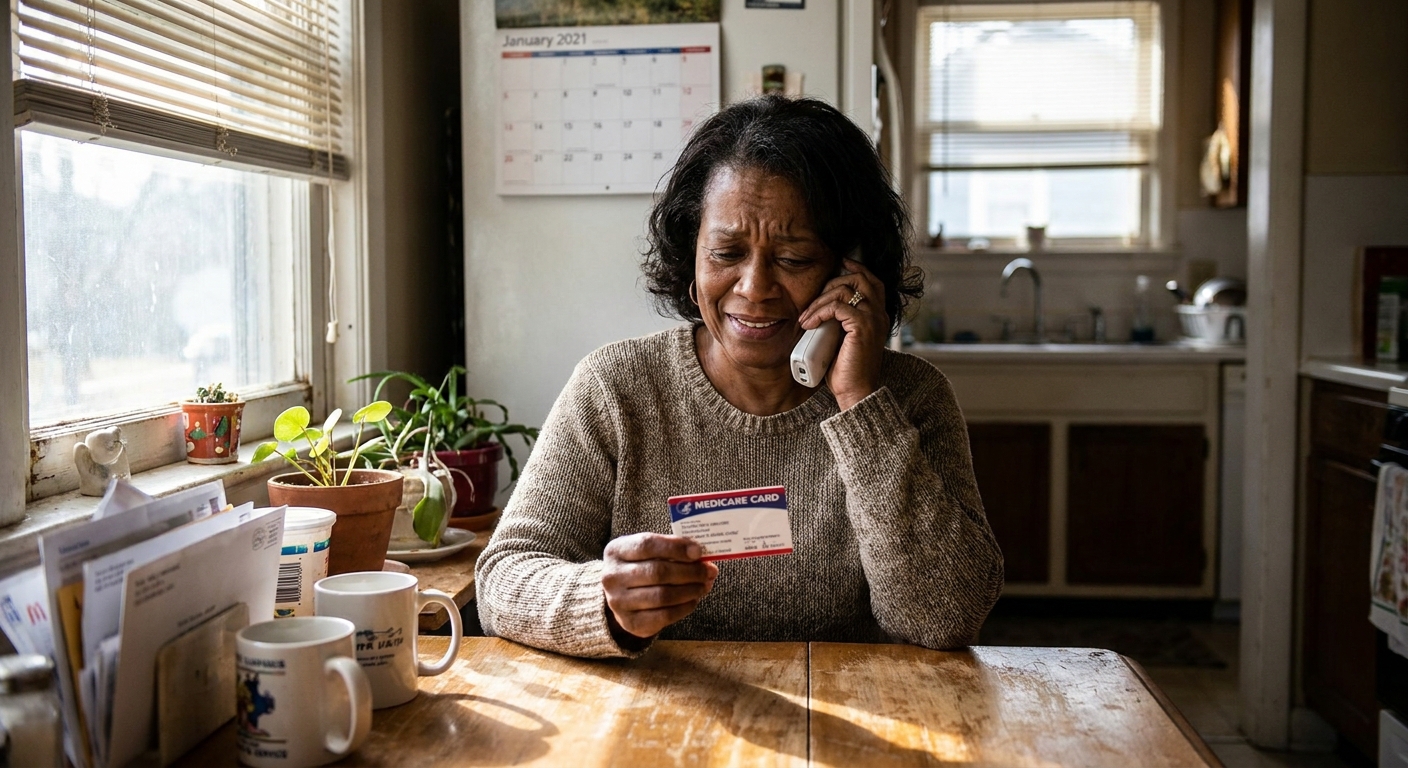
Chronic pain is defined as persistent physical discomfort lasting more than three months, while addiction, clinically known as opioid use disorder (OUD), is a neurological and behavioral condition marked by compulsive substance use despite harm. These two conditions are fundamentally different, yet they intersect far more often than most people realize. Understanding what is chronic pain vs addiction is not just a medical question. It shapes how you talk to your doctor, how you manage your health, and whether you get the right kind of help. Over 50% of individuals with opioid use disorder also live with chronic pain, which means the line between the two conditions gets blurred for a lot of people.
What is chronic pain vs addiction, and what causes each?
Chronic pain and addiction share some surface-level similarities, but their root causes are entirely different. Chronic pain originates in the body. It can stem from nerve damage, inflammation, injury, or a condition called nociplastic pain, where the nervous system becomes hypersensitive and amplifies pain signals even without obvious tissue damage. Common examples include lower back pain, fibromyalgia, and neuropathy from diabetes.
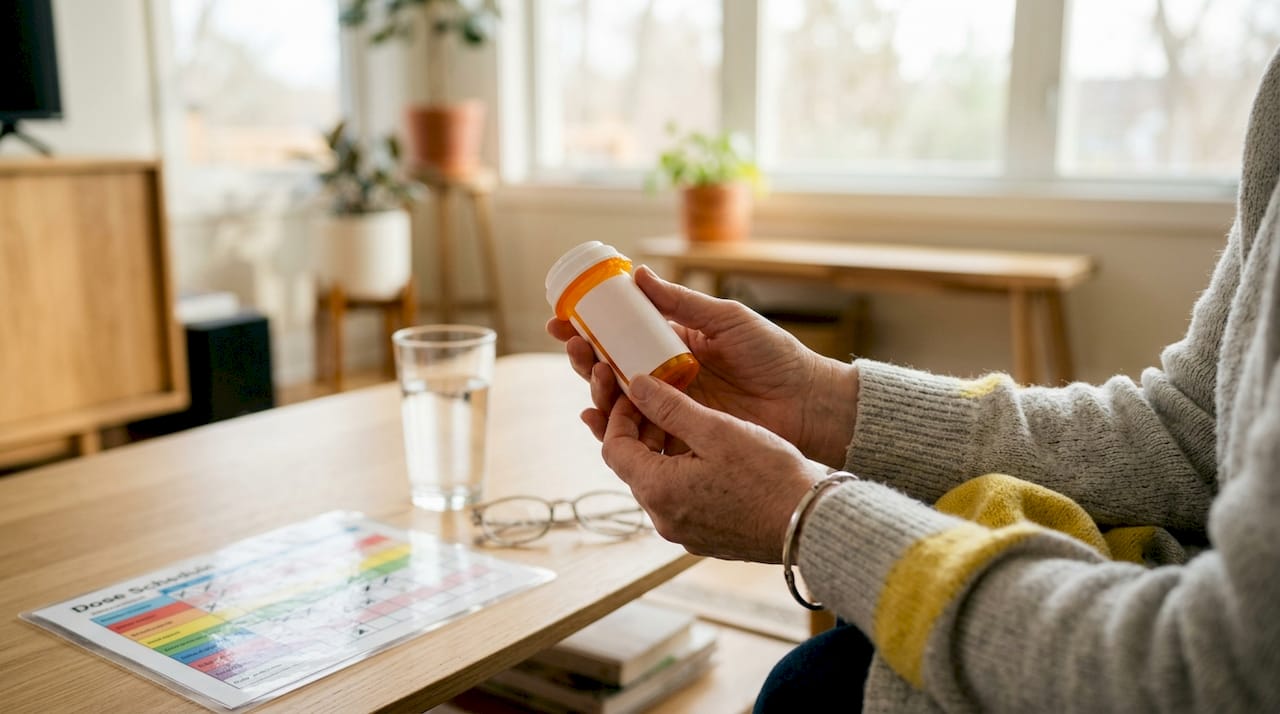
Addiction, by contrast, originates in the brain’s reward system. Opioids flood the brain with dopamine, a chemical that signals pleasure and reinforces behavior. Over time, the brain rewires itself to expect that flood, and normal activities stop producing the same satisfaction. This is why opioid use disorder is classified as a brain disease, not a moral failure.
Here is where the confusion often starts. When a doctor prescribes opioids for chronic pain, the body can develop physical dependence. That means stopping the medication causes withdrawal symptoms like sweating, nausea, and anxiety. Physical dependence is a normal physiological response. It is not the same as addiction. Physical dependence does not meet the diagnostic criteria for opioid use disorder.
- Chronic pain causes: nerve damage, inflammation, injury, nociplastic sensitization
- Addiction causes: dopamine pathway disruption, compulsive drug-seeking behavior
- Physical dependence: a normal body adaptation to medication, distinct from addiction
- Tolerance: needing a higher dose for the same effect, also distinct from addiction
Pro Tip: If your medication helps you function better and you take it exactly as prescribed, that is not addiction. Addiction involves loss of control, continued use despite clear harm, and compulsive drug-seeking behavior.
How do symptoms of chronic pain and addiction overlap and differ?
The overlap between chronic pain and addiction creates real diagnostic challenges, both for patients and providers. Both conditions can involve opioid use. Both can affect mood, sleep, and daily functioning. But the motivations and behaviors behind that opioid use are very different.
A person managing chronic pain with opioids typically uses medication to restore function. They want to walk without limping, sleep through the night, or get through a workday. A person with opioid use disorder uses opioids compulsively, often in ways that damage relationships, work, and health, and they struggle to stop even when they want to.
The Diagnostic and Statistical Manual of Mental Disorders (DSM) defines opioid use disorder by specific behavioral criteria: loss of control over use, strong cravings, continued use despite harm, and failure to meet major responsibilities. Tolerance and withdrawal alone do not qualify. Conflating tolerance with addiction causes significant harm to patients who are managing their pain responsibly.
| Behavior or symptom | Chronic pain medication use | Opioid use disorder |
|---|---|---|
| Takes medication as prescribed | Yes, consistently | Often no; doses escalate without guidance |
| Uses medication to function | Yes, primary motivation | No; use driven by craving and compulsion |
| Experiences withdrawal if stopped | Possible (physical dependence) | Yes, often severe |
| Continues use despite clear harm | No | Yes, a defining feature |
| Hides or lies about use | Rarely | Frequently |
| Seeks multiple prescriptions | No | Common pattern |
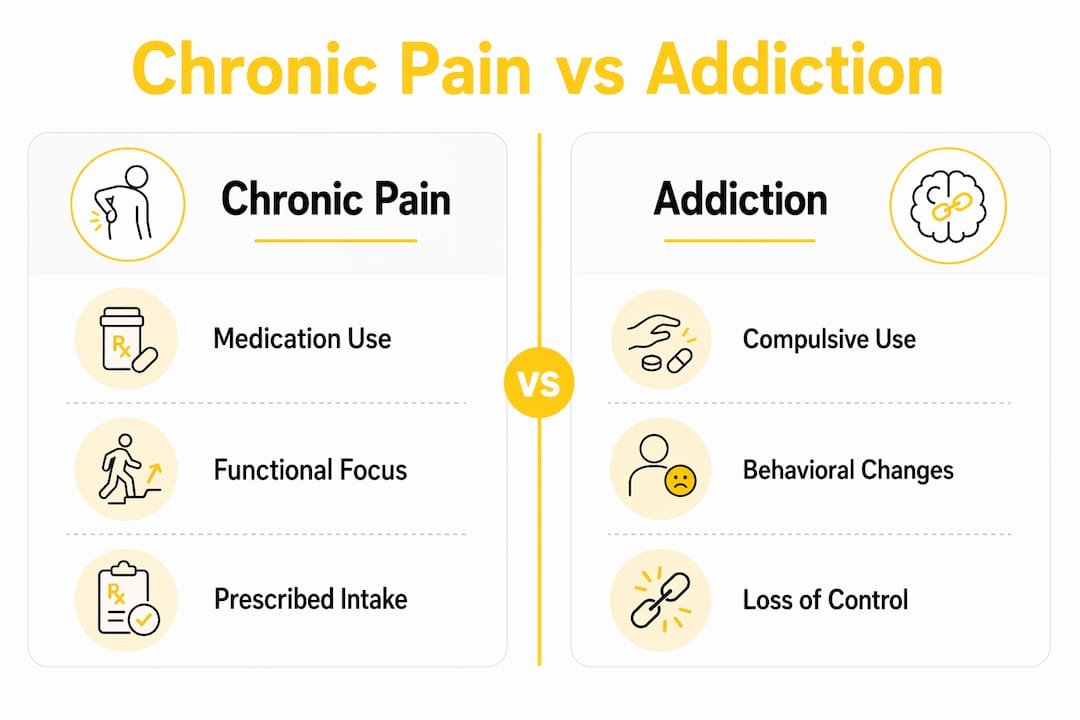
Many patients fear being labeled as addicted simply because they need their medication to function. That fear leads to hiding pain and underreporting symptoms, which makes treatment worse for everyone. Mental health conditions like depression and anxiety frequently appear alongside both chronic pain and opioid use disorder, adding another layer of complexity to diagnosis.
What are effective chronic pain management tips that reduce addiction risk?
The most effective approach to chronic pain management combines multiple treatment types rather than relying on opioids alone. This is called multimodal pain management, and it is the standard of care recommended by leading clinical bodies.
-
Exercise and physical activity. NICE guidelines prioritize exercise as a first-line treatment for chronic primary pain. Regular movement reduces inflammation, improves mood through natural endorphin release, and gradually retrains the nervous system. Even gentle walking or swimming counts.
-
Cognitive Behavioral Therapy (CBT). CBT helps patients change how they think about and respond to pain. Clinicians use it specifically to reduce disability and distress rather than targeting pain intensity alone. That shift in focus produces better long-term outcomes.
-
Activity pacing and flare-up planning. Preparing for flare-ups in advance, identifying personal triggers, and pacing activity prevents the boom-and-bust cycle that worsens chronic pain over time. Activity diaries help patients and providers spot patterns.
-
Non-opioid medications. Anti-inflammatory drugs, anticonvulsants like gabapentin, and antidepressants like duloxetine treat specific types of chronic pain without the addiction risk that opioids carry.
-
Open communication with your provider. Honest conversations about what is and is not working protect you from both undertreated pain and unnecessary opioid escalation. You can also explore practical chronic pain management strategies that go beyond medication.
Pro Tip: Redefine success as improved function, not zero pain. Patients who set functional goals, like walking to the mailbox or cooking dinner, report better quality of life than those focused solely on eliminating pain.
Multimodal treatment requires active patient engagement. It is not passive. The more you participate in your own care, the better your outcomes tend to be.
What should you know about addiction treatment when chronic pain is involved?
Treating opioid use disorder when chronic pain is also present requires a careful, coordinated approach. The goal is not to strip away all pain relief. The goal is to address the compulsive, harmful patterns of use while still managing physical pain effectively.
Medication-Assisted Treatment (MAT) is the gold standard for opioid use disorder. Suboxone, which combines buprenorphine and naloxone, reduces cravings and withdrawal symptoms without producing the intense high that drives compulsive use. For patients with chronic pain, Suboxone also provides a degree of pain relief, which makes it a particularly useful option when both conditions are present. You can learn more about therapy paired with Suboxone to understand how behavioral care strengthens medication treatment.
Key points to understand about addiction treatment with chronic pain:
- MAT does not mean giving up pain relief. Buprenorphine has analgesic properties and can reduce chronic pain while treating opioid use disorder.
- Behavioral therapy is not optional. CBT, motivational interviewing, and group support address the psychological drivers of addiction that medication alone cannot fix.
- Abrupt opioid tapering is not the answer. Stopping pain medications suddenly without a plan causes unnecessary suffering and can push patients toward street drugs.
- Stigma is a treatment barrier. Patients who feel judged are less likely to seek help. Compassionate, non-judgmental care produces better outcomes.
- Comprehensive care addresses root causes. Trauma, depression, anxiety, and social stress all contribute to opioid use disorder. Treating the whole person matters.
The relationship between pain and addiction is not a dead end. With the right support, you can manage both. Mdmatt’s opioid addiction treatment approach is built around exactly this kind of comprehensive, patient-centered care.
Key Takeaways
Chronic pain and opioid use disorder are distinct conditions that require different treatments, but they frequently coexist and demand coordinated, compassionate care.
| Point | Details |
|---|---|
| Chronic pain defined | Persistent physical discomfort lasting more than three months, rooted in the body. |
| Addiction defined | Compulsive opioid use despite harm, driven by neurological changes in the brain’s reward system. |
| Physical dependence is not addiction | Needing medication to function and experiencing withdrawal does not meet the clinical criteria for opioid use disorder. |
| Multimodal treatment works | Exercise, CBT, and non-opioid medications reduce chronic pain and lower addiction risk better than opioids alone. |
| MAT addresses both conditions | Suboxone provides pain relief and treats opioid use disorder simultaneously, making it effective for patients with both diagnoses. |
What I’ve learned from watching patients navigate both conditions
The most damaging thing I see is patients who suffer in silence because they are afraid of being called an addict. They cut their own doses, hide their symptoms from their doctors, and end up in more pain than they need to be. That fear is understandable. The stigma around opioids is real and it does harm.
But here is what the clinical picture actually shows. Using opioids exactly as prescribed to function comfortably is not addiction. Needing a higher dose over time because your body adapted is not addiction. Addiction is about compulsion, loss of control, and continued use even when it is clearly destroying your life.
The other thing I want to push back on is the idea that chronic pain management is passive. Patients who engage actively, who track their activity, who show up to therapy, who communicate honestly with their providers, do significantly better than those who wait for a pill to fix everything. Pain is not always curable. But function is almost always improvable.
If you are living with both chronic pain and opioid dependence, you deserve care that takes both seriously. Not a provider who dismisses your pain because you have a history of substance use. Not a provider who ignores your addiction because you have a legitimate pain diagnosis. You deserve both addressed at the same time, by people who understand how they interact. Non-invasive options like physical therapy and movement-based care are worth exploring as part of that picture.
— Cory
How Mdmatt supports patients with chronic pain and opioid use disorder
Mdmatt is an outpatient treatment clinic in Maryland specializing in Suboxone, medication-assisted treatment, psychiatry, and addiction care. The team understands that opioid use disorder rarely exists in isolation. Pain, trauma, and mental health struggles are usually part of the picture.
Mdmatt offers Suboxone treatment for opioid use disorder alongside mental health and psychiatric support, all in one place. Telehealth services are available for patients who need flexible, accessible care without traveling to a clinic. The approach is patient-centered, non-judgmental, and built around treating the whole person, not just the diagnosis. If you are ready to talk to someone who takes both your pain and your recovery seriously, Mdmatt’s telehealth treatment services make it easy to get started from wherever you are.
FAQ
What is the main difference between chronic pain and addiction?
Chronic pain is a physical condition lasting more than three months, while addiction is a behavioral and neurological disorder defined by compulsive substance use despite harmful consequences. The two conditions can coexist but require different treatment approaches.
Does taking opioids for pain mean I am addicted?
No. Taking opioids as prescribed to manage pain is not addiction. Physical dependence and tolerance are normal physiological responses that do not meet the clinical criteria for opioid use disorder.
Can chronic pain lead to opioid addiction?
Chronic pain increases exposure to opioids, which raises the risk of developing opioid use disorder, particularly in patients with mental health conditions or a history of substance use. Over 50% of people with opioid use disorder also have chronic pain, reflecting how closely the two conditions are linked.
What treatments work for both chronic pain and opioid use disorder?
Suboxone (buprenorphine and naloxone) treats opioid use disorder and provides some pain relief. Combining it with CBT, exercise, and psychiatric support addresses both conditions more effectively than medication alone.
How do I know if I need addiction treatment versus pain management?
If your opioid use is controlled, prescribed, and helping you function, you likely need pain management support. If you are using opioids compulsively, hiding your use, or continuing despite clear harm to your relationships or health, addiction treatment is the right step. A compassionate provider can help you figure out which path fits your situation.