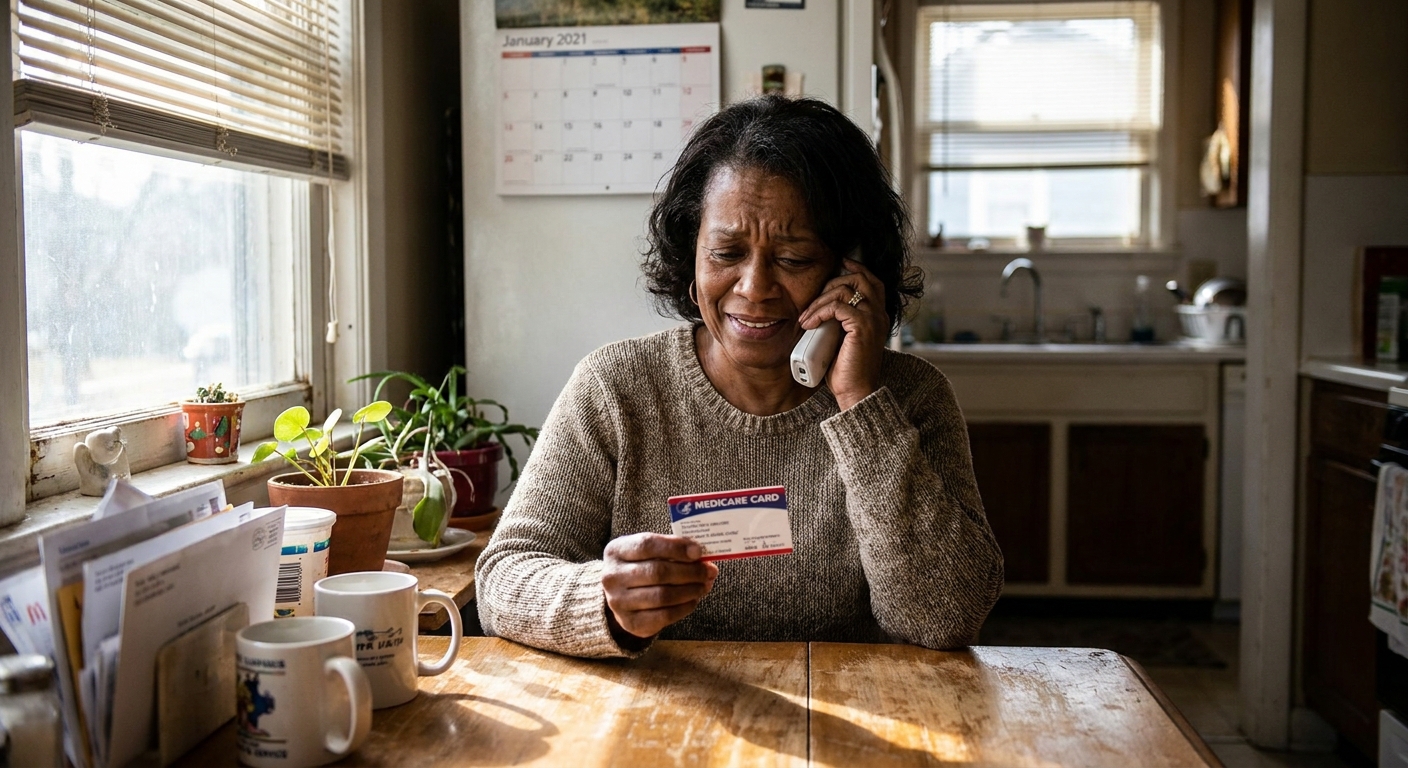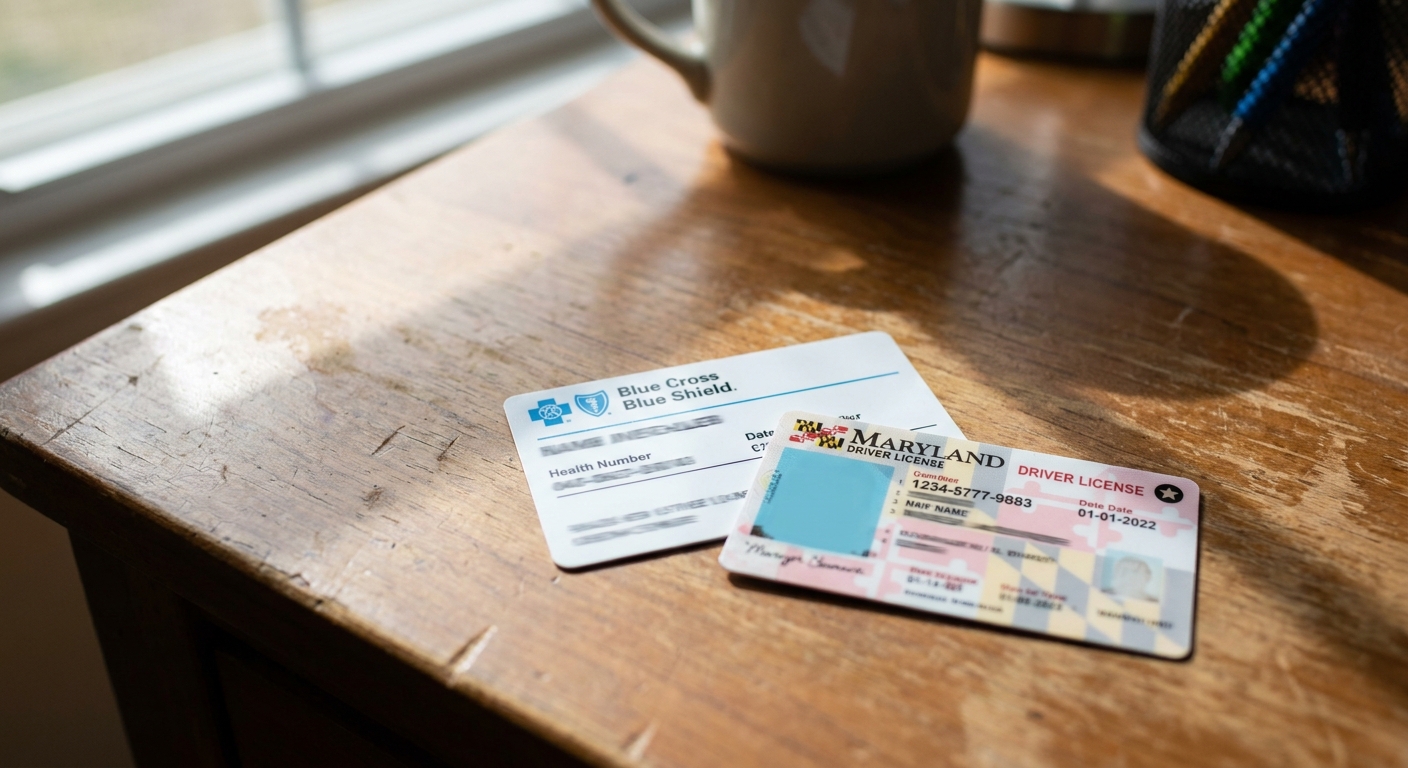
Most people who need help with opioid use disorder in Maryland never get it, and the reason is rarely a lack of willingness. Inclusive addiction treatment in Maryland closes the gap between need and care by removing the structural barriers that keep people out: insurance confusion, geographic distance, language, stigma, and providers who treat only part of the person. This article breaks down what inclusive treatment actually means, how coverage works, and what starting care looks like in practice.
What Inclusive Addiction Treatment Actually Means
Inclusive addiction treatment means care designed to meet patients where they are, regardless of insurance status, cultural background, language, identity, or co-occurring mental health condition. The SAMHSA 2023 National Survey on Drug Use and Health found that roughly 94% of people aged 12 or older who needed substance use treatment did not receive it at a specialty facility. For opioid use disorder specifically, access barriers, not motivation, account for the majority of that gap.
Inclusive is not a marketing term. It describes a structural commitment: intake processes built for people with no prior treatment experience, billing teams that handle insurance so patients do not have to, providers trained to treat co-occurring conditions alongside addiction, and clinical settings where patients do not feel judged for their identity, history, or circumstances. When care is genuinely inclusive, the patient’s job is to show up. Everything else gets handled from there.
The Access Gap in Maryland: Why Standard Treatment Leaves People Out
Maryland’s opioid crisis remains one of the most severe in the country. According to the Maryland Behavioral Health Administration’s 2023 data, Maryland recorded more than 2,400 overdose deaths in a single year, a rate that consistently outpaces the national average. Treatment enrollment, meanwhile, lags well behind the number of people who qualify for it.
The barriers are specific and solvable. Cost and insurance confusion stop people before they ever make a call. Geographic distance from treatment sites means that even motivated patients cannot sustain weekly attendance. Stigma, both internalized and encountered inside clinical settings, causes people to delay care or drop out after a first appointment. Language access, when providers do not communicate in the patient’s language, makes informed consent and therapeutic engagement impossible. And co-occurring mental health conditions, when left unaddressed, drive relapse even when addiction treatment is technically available.
Insurance Coverage: Medicaid, Commercial Plans, and No Coverage
Medicaid covers addiction treatment in Maryland under federal parity law, meaning insurers cannot impose more restrictive conditions on substance use care than on medical care. A 2023 KFF analysis confirmed that Maryland Medicaid covers the full continuum of substance use disorder services, including office visits, medication-assisted treatment, behavioral counseling, and both outpatient and intensive outpatient programs.
In practice, this means a patient on Maryland Medicaid can access buprenorphine, Suboxone, or naltrexone with no out-of-pocket cost, provided the provider accepts Medicaid and the medication is on the formulary. Patients with commercial insurance follow a similar process, with parity law applying to employer-sponsored plans as well. For patients without coverage, self-pay and sliding-scale options exist. The intake team manages insurance verification, which means the patient does not need to become an insurance expert before getting care. That process happens on the clinical side.
Geographic Access Across Maryland
A 2022 JAMA Network Open study found that distance from a treatment facility is one of the strongest predictors of treatment dropout, independent of motivation or clinical severity. When the nearest provider is an hour away without reliable transportation, consistent attendance becomes structurally impossible.
Serving patients across Baltimore, College Park, Linthicum Heights, Nottingham, and Owings Mills means that statewide reach is built into the model. For most Maryland residents, at least one location is close enough to make weekly or biweekly attendance realistic. Geographic access is not incidental to inclusive care. It is part of the architecture.
Medications That Work: MAT as the Clinical Foundation
Medication-assisted treatment (MAT) is the clinical standard for opioid use disorder, not a workaround or a last resort. A 2023 NIDA analysis found that FDA-approved medications for opioid use disorder, specifically buprenorphine and methadone, reduce overdose mortality by more than 50%. Naltrexone offers an additional option for patients who have completed detox and prefer a non-opioid approach.
MAT works by stabilizing brain chemistry, reducing cravings, and blocking the rewarding effects of opioids. The phrase “substituting one drug for another” reflects a fundamental misunderstanding of the pharmacology. These medications do not produce euphoria at therapeutic doses. They restore enough neurological stability that patients can engage with counseling, rebuild relationships, and maintain employment. Medication is the foundation. Everything else gets built on top of it.
Buprenorphine and Suboxone
Buprenorphine is a partial opioid agonist, which means it activates opioid receptors enough to suppress cravings and withdrawal symptoms without producing the high associated with full agonists like heroin or fentanyl. Suboxone combines buprenorphine with naloxone to deter misuse. The 2022 Cochrane Review of buprenorphine maintenance found that it significantly reduces illicit opioid use, treatment dropout, and overdose risk compared to placebo.
One practical point that surprises many patients: induction does not require waiting until withdrawal is severe. With telehealth-guided low-dose induction protocols now available, patients can begin buprenorphine at home, with clinical oversight, reducing the window of discomfort and the risk of abandoning the process before it starts.
Naltrexone
Naltrexone works differently. It is an opioid antagonist, meaning it fully blocks opioid receptors, which means opioids taken while on naltrexone produce no effect. It is the right fit for patients who have completed medically supervised detox, have been opioid-free for at least seven to ten days, and want a non-opioid medication. A 2023 NIDA-supported clinical trial confirmed naltrexone’s effectiveness at reducing relapse rates in this population.
Naltrexone is not the default. It requires detox completion before initiation, and that prerequisite disqualifies it as a starting point for most patients. Whether it fits your situation is a clinical conversation, not a self-assessment.
Co-Occurring Mental Health Conditions: Treating the Whole Person
The SAMHSA 2023 National Survey on Drug Use and Health found that approximately 50% of people with opioid use disorder also meet diagnostic criteria for at least one mental health condition. Treating addiction in isolation from depression, anxiety, PTSD, or trauma does not produce durable outcomes. The mental health condition drives substance use, the substance use worsens the mental health condition, and the cycle continues until both are addressed simultaneously.
For LGBTQ patients in particular, this dynamic is well-documented. Minority stress, the chronic psychological burden produced by stigma, discrimination, and experiences of rejection or violence, is a direct contributor to elevated rates of substance use disorders in LGBTQ communities. Care that does not account for these realities, or providers who lack the training to recognize them, cannot address the full picture. Understanding how LGBTQ identity intersects with addiction and mental health is part of what makes care genuinely inclusive rather than nominally so.
Common Co-Occurring Conditions
The most frequent co-occurring conditions alongside opioid use disorder are major depressive disorder, generalized anxiety, PTSD, and complex trauma histories. A 2022 American Journal of Psychiatry study found that PTSD-OUD comorbidity rates exceed 30% in treatment-seeking populations, and that untreated PTSD doubles the risk of treatment dropout.
The practical implication is direct: disclose everything to the intake team. A history of trauma, current anxiety, or past depression is not a separate issue to be handled elsewhere. It is information that shapes the treatment plan. What gets omitted from the intake conversation is what gets undertreated.
What Integrated Treatment Looks Like Day-to-Day
Integrated care means one intake assessment that screens for both substance use and mental health conditions, one unified treatment plan, and providers who address both without requiring separate appointments at separate facilities. A 2023 Lancet Psychiatry meta-analysis of integrated versus siloed treatment models found that integrated approaches produced significantly higher rates of sustained recovery and lower rates of relapse at 12-month follow-up.
In practice, this looks like a first appointment where the clinician asks about trauma history alongside opioid use history, and where the resulting plan addresses both. No referral to a different clinic. No waiting list for the mental health piece. One team, one plan, one point of contact.
Breaking Down Language and Cultural Barriers
A 2022 Health Affairs study found that patients with limited English proficiency are significantly less likely to complete addiction treatment than English-speaking patients, even when treatment quality is otherwise comparable. Language access is not an accommodation. It is a prerequisite for informed consent and therapeutic engagement.
Inclusive care means materials available in the patient’s language, interpretation services during appointments, and providers trained in cultural humility, meaning they understand that the patient’s cultural background shapes how they experience their condition, how they talk about it, and what support they are willing to accept. This applies to cultural context around family roles, religious beliefs, gender norms, and community expectations, as well as language. A provider who cannot communicate with the patient, or who imposes a single cultural frame onto a diverse population, is not providing inclusive care regardless of what the intake form says.
How Medicaid Works in Practice for Maryland Addiction Treatment
Medicaid is the single largest payer for addiction treatment in Maryland, and most patients do not have a clear picture of what it actually covers. A 2023 CMS analysis confirmed that Medicaid SUD benefits, expanded under the Affordable Care Act, cover the full continuum of opioid use disorder treatment, from outpatient medication management through intensive outpatient programs.
The verification process is straightforward. Confirm Medicaid eligibility, confirm the provider accepts Maryland Medicaid, and confirm that the prescribed medication appears on the formulary. The intake team handles all three. The patient’s role in this process is to make the first call.
What Maryland Medicaid Covers
Maryland Medicaid covers office visits for ongoing MAT management, buprenorphine and naltrexone prescriptions, behavioral counseling, outpatient treatment, and intensive outpatient programs. Federal parity law establishes the legal foundation, requiring that coverage terms for substance use disorder services match the standards applied to medical and surgical services.
The simplest starting point: call the treatment center and ask one question: “Do you accept Maryland Medicaid?” That single question initiates the process. The intake team takes it from there.
Commercial Insurance and Self-Pay Options
Patients with employer-sponsored or private insurance are covered under the same federal parity law, which prohibits commercial plans from placing more restrictive conditions on SUD treatment than on general medical care. For treatment providers managing insurance claims and reimbursement for addiction treatment, specialized substance use disorder billing can help address payer requirements and keep the reimbursement process organized. For patients without any insurance, self-pay and sliding-scale options exist. The absence of coverage is not a disqualifying condition. It is a logistical detail the intake team addresses during the first call.
Levels of Care: Matching Treatment Intensity to Real Life
The American Society of Addiction Medicine 2023 criteria establish a framework for matching treatment intensity to the patient’s clinical needs, living situation, and daily responsibilities. Inclusive treatment is not one-size-fits-all. The goal is the least restrictive level of care that produces clinical stability, so patients can maintain employment, family responsibilities, and daily life while in treatment.
Outpatient Treatment
Standard outpatient treatment means regular appointments, typically weekly or biweekly, for MAT management and counseling. It is the right fit for patients with stable housing, a moderate support network, and the ability to attend appointments without disrupting work or family obligations. For most patients, this is the starting point.
Intensive Outpatient Programs (IOP)
Intensive outpatient programs require a minimum of nine hours per week of structured group and individual therapy, combined with MAT management. A 2023 study in the Journal of Substance Abuse Treatment found that patients who completed IOP had significantly higher rates of sustained abstinence at six months compared to those who stepped down to standard outpatient prematurely.
IOP suits patients who need more structure than standard outpatient provides but cannot take extended leave from work or family. It offers the clinical intensity of a residential program during scheduled hours, with the flexibility to return home each evening. For many patients, it is the level of care that makes sustained engagement possible.
How to Start Treatment in Maryland: What the First Week Looks Like
A 2021 JAMA study on treatment initiation delays found that uncertainty about the intake process, specifically not knowing what to expect during the first appointment, is one of the most commonly cited reasons for delaying care. The first week is not complicated. Understanding it in advance removes that barrier entirely.
The sequence is: an initial call to confirm insurance and appointment availability, a full intake assessment that covers both substance use and mental health history, medication induction if buprenorphine is the clinical choice, and a follow-up appointment within the first week to assess how the medication is working. For LGBTQ patients who have encountered stigma in previous care settings, choosing a provider with affirming practices matters at every step of that sequence. Understanding what affirming addiction treatment actually looks like before the first call makes it easier to ask the right questions.
Care is available across Baltimore, College Park, Linthicum Heights, Nottingham, and Owings Mills. The first call does not commit anyone to anything. It is an information-gathering conversation, and it takes less time than most people expect.
Where to Start This Week
Call and ask two questions: “Do you accept my insurance?” and “When is the earliest intake appointment?” No research required before making that call, no decision required, no preparation needed beyond those two questions. The intake team handles everything else.
For patients who have experienced judgment or exclusion in previous treatment settings, the first call is also the right moment to ask about the practice’s approach to LGBTQ patients specifically. Affirming care means providers who understand the relationship between minority stress and substance use, not just providers who tolerate diversity. Asking directly is how you find out whether a clinic’s inclusivity is structural or cosmetic.
Locations in Baltimore, College Park, Linthicum Heights, Nottingham, and Owings Mills mean that distance is not a reason to delay. If you are in Maryland and ready to start, the geography is covered. The next step is the call.