LGBTQ adults in Maryland who use opioids face a treatment system that is, at best, designed for someone else. Finding genuinely LGBTQ-friendly rehab in Maryland requires knowing what that phrase actually means in clinical practice, not just on a website banner.
Why LGBTQ Adults Face Higher Addiction Rates to Begin With
According to SAMHSA’s 2022 National Survey on Drug Use and Health, LGBTQ adults are more than twice as likely as non-LGBTQ adults to experience a substance use disorder. That gap is not accidental. The mechanism is well-documented: minority stress. Chronic exposure to discrimination, family rejection, housing instability, and fear of violence elevates cortisol, disrupts sleep, and taxes the nervous system in ways that significantly increase vulnerability to opioid dependence and other substance use disorders.
A 2020 study published in the American Journal of Preventive Medicine, drawing on data from over 68,000 respondents, found that LGBTQ adults reported substantially higher rates of opioid misuse specifically compared to heterosexual adults, even after controlling for socioeconomic factors. The authors identified stigma and lack of access to affirming healthcare as primary drivers. In other words, the pain that precedes opioid use for many LGBTQ people is not just physical. It is social, relational, and systemic, and no treatment program that ignores that context can adequately address it.
This matters beyond statistics. If you are a gay man in Baltimore who has been using fentanyl to manage anxiety that started after a family rejection, or a trans woman in Owings Mills whose opioid use escalated after losing housing, a program built around a generic “addiction and recovery” framework is treating the symptom while missing the cause entirely.
What “LGBTQ-Friendly” Actually Means in a Treatment Setting
A rainbow flag on a website does not make a clinic affirming. Neither does a non-discrimination policy buried in intake paperwork. A genuinely LGBTQ-friendly program is defined by its structure, not its signage.
A 2018 study published in the Journal of Substance Abuse Treatment examined 276 substance use treatment facilities and found that facilities with designated LGBTQ-specific programming had significantly better treatment retention rates among LGBTQ patients compared to general facilities. The difference was not in the medications prescribed or the length of stay. It was in whether staff were trained in LGBTQ-competent care, whether group therapy was structured to be safe for LGBTQ patients, and whether the intake process was designed with LGBTQ identities in mind.
What this means in practice: look for intake forms that include options beyond a binary gender question, a facility policy on confidentiality around sexual orientation and gender identity, staff who have received documented LGBTQ competency training, and group composition that reflects real attention to whether LGBTQ patients feel safe sharing. These are not luxuries. They are the baseline requirements for a program to deliver genuinely affirming care to this population.
The Difference Between Inclusive Language and Affirming Care
Being called by your correct name and pronouns is not a differentiator. It is the floor. Any program that presents correct pronoun use as a special feature of its LGBTQ services is telling you something important about how low its bar is set.
Affirming care means clinicians understand minority stress theory and can connect it to your specific patterns of opioid use. It means a counselor who, when you describe using heroin to quiet panic attacks that started after a violent incident tied to your identity, does not redirect the conversation back to a generic relapse prevention script. One question to ask any facility before committing: “How does your clinical staff connect minority stress and discrimination to opioid use disorder treatment?” A facility offering real affirming care will give you a specific, confident answer. One that hangs a flag but offers little else will fumble.
Why General Rehab Programs Often Fall Short
SAMHSA’s 2022 NSDUH data show that LGBTQ adults are significantly less likely to complete substance use treatment than non-LGBTQ adults. The most common explanation in the research is not the severity of the addiction. It is the treatment environment itself.
A study published in the Journal of Gay and Lesbian Mental Health found that LGBTQ patients who experienced non-affirming or hostile interactions in treatment settings were substantially more likely to leave against medical advice. The mechanism is straightforward: when you do not feel safe, you do not disclose. When you do not disclose that your opioid use is tied to navigating a hostile family system, a history of discrimination in healthcare, or gender dysphoria, the clinician is treating a different patient than the one sitting in front of them. Treatment built on incomplete information fails not because the medications are wrong, but because the picture is incomplete.
How Co-Occurring Mental Health Conditions Fit In
The Trevor Project’s 2023 National Survey on LGBTQ Mental Health found that 41% of LGBTQ young adults reported seriously considering suicide in the past year, with rates of depression, anxiety, and PTSD running far higher than population averages. Among LGBTQ adults entering addiction treatment specifically, co-occurring mental health conditions are the rule, not the exception.
Opioid use disorder treated in isolation, without addressing the depression, trauma, or anxiety that drives use, has poor outcomes for any patient. For LGBTQ patients, where the co-occurring conditions are so frequently tied to lived experiences of discrimination and rejection, the failure rate of single-diagnosis treatment is even higher. Integrated dual-diagnosis care, meaning treatment that addresses both the opioid dependence and the mental health conditions simultaneously, is not a premium upgrade. It is what effective treatment looks like. Understanding the intersection of LGBTQ mental health and addiction is the starting point for choosing any program that will actually work.
In practice, integrated care means individual therapy is built into the treatment plan alongside medication, that your therapist and prescribing provider are communicating, and that the therapy itself addresses trauma and identity-related stressors, not just substance use triggers in the abstract.
What LGBTQ-Affirming MAT Actually Looks Like
Medication-assisted treatment, specifically buprenorphine (the active ingredient in Suboxone), is the most effective evidence-based treatment for opioid use disorder. A 2021 study in the New England Journal of Medicine confirmed that patients receiving buprenorphine were significantly more likely to remain in treatment and avoid illicit opioid use compared to those receiving no medication or placebo. Buprenorphine works by binding to opioid receptors in the brain, reducing cravings and eliminating withdrawal without producing the euphoric effect of illicit opioids.
For LGBTQ patients, the delivery context matters as much as the medication itself. A 2020 analysis from the National Institute on Drug Abuse identified medical mistrust rooted in prior discriminatory healthcare experiences as a primary barrier to LGBTQ adults accessing MAT. When the clinic delivering buprenorphine is structured around affirming care, that barrier drops. Patients engage earlier, disclose more accurately, and remain in treatment longer. When evaluating any MAT program, ask specifically: “Do your prescribers and counselors have training in treating LGBTQ patients, and is individual therapy included in the treatment plan?” Those two questions separate programs that understand this population from those that merely accept them.
For a more detailed look at what makes a Suboxone clinic genuinely safe for LGBTQ patients, the specifics go beyond staff attitudes to structural elements of how care is organized.
Treatment Settings That Work for LGBTQ Patients in Maryland
Three primary treatment settings exist: inpatient residential, outpatient, and medication-assisted outpatient. For most LGBTQ adults in Maryland managing opioid use disorder, outpatient MAT is the most clinically appropriate and practically accessible option. A 2020 Cochrane Review of outpatient opioid treatment confirmed that office-based buprenorphine treatment produces outcomes comparable to residential treatment for patients who are not in medical crisis, while dramatically reducing disruption to employment, housing, and family relationships.
Maryland Medicaid covers both buprenorphine prescriptions and outpatient counseling, meaning cost is not a reason to delay. For patients on commercial plans, coverage is similar. For patients without insurance, sliding-scale and state-funded options exist across Maryland’s treatment infrastructure.
Inpatient Options: When They Make Sense
Inpatient residential treatment is appropriate when the physical dependence is severe enough to require 24-hour medical monitoring during detox, when the home environment is actively unsafe, or when the level of psychiatric crisis requires round-the-clock stabilization. For LGBTQ patients considering inpatient programs, the questions to ask before admission are specific: How does the facility handle room assignments for transgender patients? Are inpatient group therapy groups structured to be safe for LGBTQ participants? What does staff training on LGBTQ issues actually include, and how recently was it completed?
These are not adversarial questions. A facility that cannot answer them clearly is telling you something about how prepared it actually is to serve you.
Outpatient and MAT Programs: The More Common Path
Most LGBTQ adults in Maryland who successfully engage with opioid treatment do so through outpatient or MAT-based programs, and that reflects the clinical reality of the population. Outpatient programs allow you to maintain employment, stay in your housing, and manage family relationships, including ones where your identity may not be fully disclosed. That last point matters. Not every LGBTQ person is out to family members, and a program that requires family involvement as part of treatment, without understanding this dynamic, can create real harm.
For patients without stable housing, sober living programs can serve as a bridge, providing structure and community while outpatient treatment continues. When evaluating any outpatient program for genuine affirmation versus nominal inclusion, the distinction comes down to whether the program’s structure reflects LGBTQ-specific competency, not just whether the front desk staff are friendly.
Does Insurance Cover LGBTQ-Affirming Rehab in Maryland?
“LGBTQ-affirming” is not a billing category. It describes how care is delivered, not a separate insurance code, and this distinction matters: you do not need to find a specific insurance product to access affirming treatment. Maryland Medicaid covers MAT comprehensively, including buprenorphine prescriptions and the associated counseling visits. Commercial plans operating in Maryland are required under state and federal parity law to cover substance use treatment at levels comparable to medical care. Patients without any coverage have access to state-funded treatment programs and federally qualified health centers across the state.
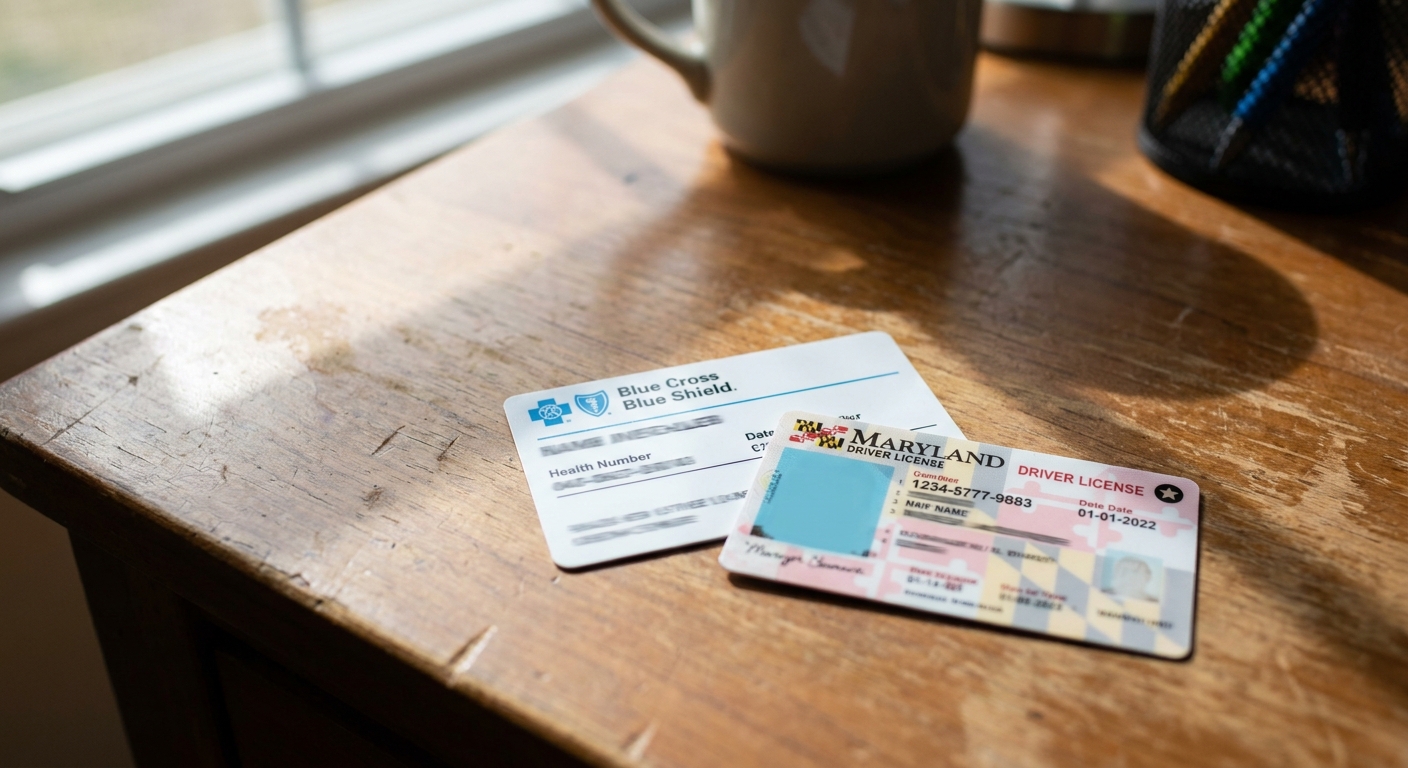
Before calling a clinic, verify your coverage in one step: contact your insurance plan’s member services line and ask specifically whether outpatient substance use treatment and buprenorphine prescriptions are covered under your plan. If you are on Medicaid, the answer is yes. Bring your insurance card to your intake appointment. Cost is a real concern for many people, but it is not a reason to delay starting.
How to Find a Genuinely Affirming Program in Maryland
Searching for “LGBTQ-friendly rehab” in Maryland returns a long list of programs that use the language but do not all deliver the substance. The way to distinguish them is to ask directly before you commit.
Three questions to ask any facility: Does your clinical staff have documented LGBTQ-specific competency training, and how recently was it updated? Is individual therapy included in your MAT treatment plan, or is medication management the primary service? How do you handle confidentiality around a patient’s sexual orientation or gender identity, including with family members or emergency contacts? SAMHSA’s National Helpline (1-800-662-4357) and the SAMHSA treatment locator at findtreatment.gov both allow you to filter for LGBTQ-specific programming as a starting point.
Start With One Call This Week
Identify one MAT-based outpatient program near your location in Maryland. Call and ask whether clinical staff have received LGBTQ-specific competency training. Then ask about same-week intake availability. That is the entire action. Not a commitment to a full treatment journey, not a decision about every element of your care, just one phone call with two questions. Programs prepared to serve you well will answer both without hesitation.