LGBTQ adults face documented gaps in opioid use disorder treatment, and the barriers are not accidental. Finding an LGBTQ-focused Suboxone clinic in Maryland means knowing what to look for, what to ask, and how to cut through clinics that use affirming language without delivering affirming care.
Why LGBTQ Adults Face a Higher Barrier to OUD Treatment
A 2020 SAMHSA report found that LGBTQ adults experience substance use disorders at roughly twice the rate of the general population, with opioids representing a significant portion of that burden. The gap in treatment uptake is just as stark: LGBTQ individuals are less likely to enter and stay in treatment, and discrimination in clinical settings is one of the primary documented reasons why.
This is not abstract. When someone has been misgendered at a hospital, had a provider make assumptions based on sexual orientation, or simply felt unsafe in a waiting room, delaying treatment becomes the rational response. Knowing that the disparity is real and well-documented arms you to approach your clinic search with clear standards, not just hope.
What “LGBTQ-Affirming” Actually Means in a Suboxone Clinic
The term “LGBTQ-affirming” appears in a lot of clinic marketing. What it should actually describe is a measurable set of practices: staff trained in gender-affirming care, intake forms that include chosen name and pronouns, written non-discrimination policies that cover sexual orientation and gender identity, and providers with real experience treating LGBTQ patients managing co-occurring mental health conditions alongside opioid use disorder.
A 2021 Williams Institute analysis found that LGBTQ patients in affirming healthcare environments showed significantly better engagement and retention in treatment compared to those in non-affirming settings. Retention is the metric that matters most in medication-assisted treatment, because consistent access to buprenorphine is what keeps people stable. Understanding what affirming care actually looks like in practice helps you evaluate any clinic against a real standard rather than a tagline.
Questions to Ask Before Booking an Appointment
Three questions will tell you most of what you need to know before your first appointment. Ask whether clinical and front-desk staff receive training in LGBTQ-competency and gender-affirming care. Ask whether intake forms collect chosen name and pronouns, and whether those are used consistently by all staff. Ask whether the clinic has experience treating patients managing both opioid use disorder and co-occurring conditions like depression, anxiety, or PTSD.
Write these down before you call. The answers, and the tone in which they are delivered, are a reliable signal of what walking through the door will actually feel like.
How Medicaid and Insurance Coverage Works for Suboxone Treatment in Maryland
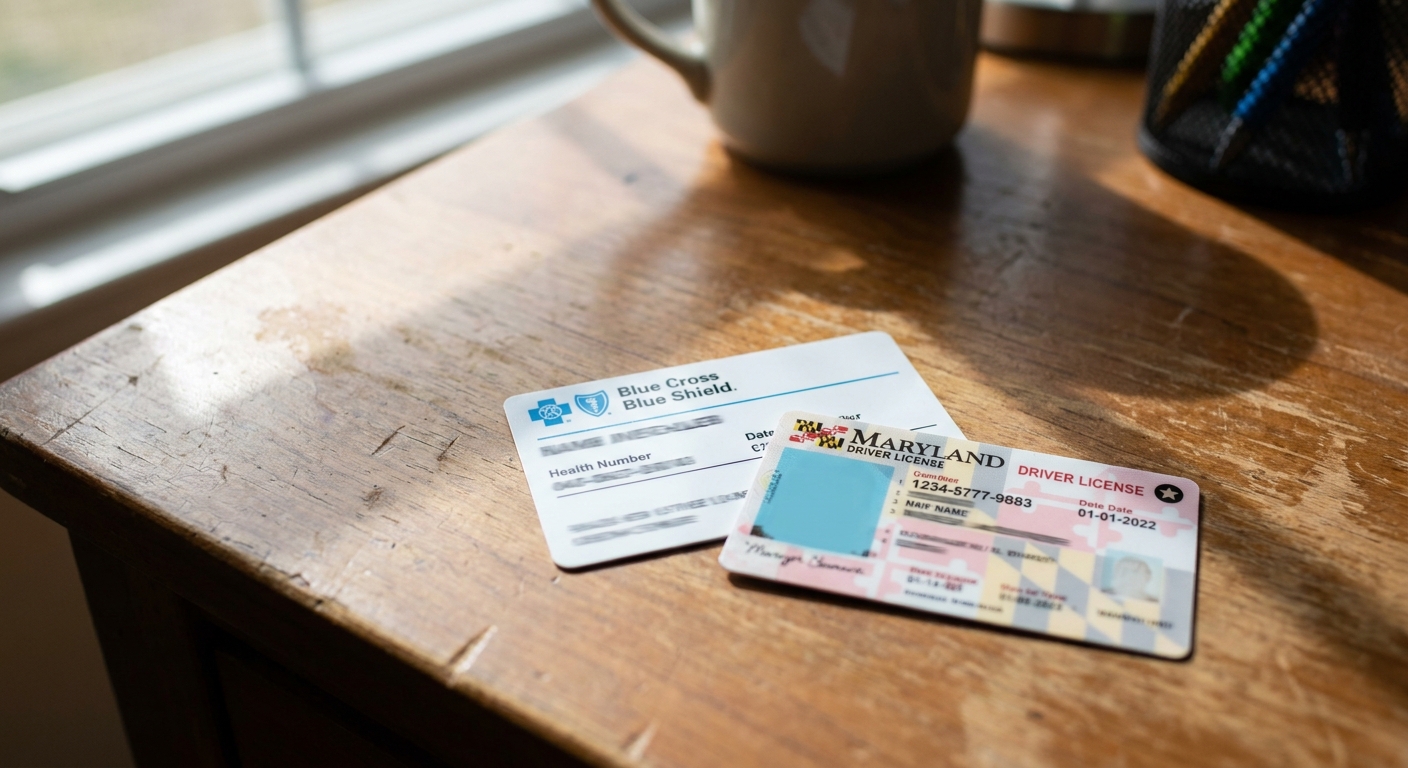
Maryland Medicaid covers buprenorphine-based treatment, including Suboxone, as a standard benefit for adults with opioid use disorder. A 2023 KFF analysis confirmed that Maryland is among the states with relatively broad Medicaid coverage for medication-assisted treatment, with no blanket prior authorization requirement for buprenorphine initiation under most managed care plans.
Prior authorization does apply in some commercial insurance plans, which means the clinic submits documentation to your insurer before treatment begins. This rarely delays an initial appointment but can affect how quickly ongoing prescriptions are processed. The specific action here: call the clinic’s billing department before your first visit and ask directly whether your plan requires prior authorization for buprenorphine. One call saves significant confusion later.
What to Expect at Your First Suboxone Appointment
Uncertainty about what happens at intake is one of the most common reasons people put off treatment. The process is straightforward. Your provider will review your medical history, conduct a urine screening, run a Prescription Drug Monitoring Program check, and make a prescribing decision, often on the same day for patients in active withdrawal.
A 2021 NIH report on LGBTQ adults and co-occurring disorders found that rates of anxiety, depression, and PTSD in this population are substantially elevated compared to the general population, often shaped by chronic experiences of stigma and discrimination. A genuinely affirming clinic screens for these conditions at intake rather than treating opioid use disorder in isolation. Bring a complete list of your current medications to your first appointment, including hormone therapy or mental health prescriptions, so your provider has the full picture and can avoid any prescribing conflicts from the start.
For more on how co-occurring mental health conditions intersect with addiction treatment, the connection between these diagnoses is worth understanding before you walk in.
How to Find an LGBTQ-Affirming Suboxone Clinic in Maryland
SAMHSA’s treatment locator at findtreatment.gov lets you filter by substance use disorder services and filter further by population-specific programs, including LGBTQ. HRSA’s find-a-health-center tool identifies federally qualified health centers, many of which provide sliding-scale MAT alongside primary care. Maryland-based LGBTQ organizations, including Chase Brexton Health Care and the GLCCB, maintain referral networks and can point you toward providers with verified affirming practices.
Statewide access matters because treatment deserts are real in Maryland. Rural and suburban areas have fewer MAT providers per capita than Baltimore City, which means geography can become an obstacle if you are only searching locally. Clinics with multiple Maryland locations, including Baltimore, College Park, Linthicum Heights, Nottingham, and Owings Mills, make statewide access to opioid treatment more realistic for patients across different zip codes. Run the SAMHSA locator with your zip code today and flag which results specifically list LGBTQ services.
What to Try This Week
Call one clinic this week. Before you end the call, ask the three questions from the intake screening section above and confirm whether your insurance is accepted. That is the full task. You do not need to have everything figured out before making that call, and you do not need to commit to anything. One conversation is enough to tell you whether a clinic is worth your next step.