Opioid Addiction Treatment That Works: Medication, Counseling, and Community Support
You’ve likely tried stopping on your own, or maybe you’re already on Suboxone but managing it yourself without any medical supervision. Most people who walk into MD M.A.T.T.’s Owings Mills, Linthicum Heights, or Baltimore locations are not new to buprenorphine. They have been using it to keep withdrawal at bay while they look for opioid addiction treatment that won’t judge them, won’t break the bank, and won’t force them into inpatient care they cannot take time off for. That is the real starting point for most people, and it deserves an honest answer about what actually works.
What Makes Opioid Addiction Treatment Actually Work
Opioid addiction treatment works best when it combines FDA-approved medication with counseling and real human support, not one of those pieces on its own. We call it medication assisted treatment because it needs to be assisted by counseling. The medication handles the physical part. Counseling and community handle everything the medication cannot touch.
Here is what the research shows. Medications like buprenorphine, the active ingredient in Suboxone, reduce cravings, block withdrawal, and lower overdose risk. The CDC’s guidance on treating opioid use disorder is clear that medication for opioid use disorder is the standard of care and cuts the risk of death. The ASAM National Practice Guideline says the same thing: keeping people on medication keeps them alive and keeps them in treatment. Detox alone, meaning stopping the medication and toughing it out, has a high relapse rate. If someone doesn’t have the medication, they will keep using. That is the plain cause and effect.
Now here is what we see that the textbooks skip. In the last five years, we have not had a single patient walk into our MD M.A.T.T. office buprenorphine-naive. Every person arrived either already taking Suboxone on their own or actively using opioids. There are no accidents here, period. People are not new to this. They have been managing withdrawal by themselves, holding it together while they search for a program that treats them like a human being. So we do not design treatment around a textbook scenario. We design it around the real person in front of us and the real way they have been keeping their head above water.
That is what “works” means to us. It means you stay alive, you stay in treatment, and you stop white-knuckling it alone. And you get seen the same week instead of sitting on a waitlist while the window closes.
Home Induction: Why Starting at Home Is Safer When You Already Know Suboxone
Home induction means we wait until you start showing symptoms of withdrawal, then you go home and begin buprenorphine there under MD M.A.T.T.’s medical instruction, rather than sitting in an office watching a clock. For someone already familiar with Suboxone, this is the safest and most comfortable way to start.
The reason comes down to how buprenorphine works. If you take it too soon, while there are still full opioids in your system, it can knock those opioids off and throw you into precipitated withdrawal, which is fast and miserable. The way you avoid that is patience. You wait until your body is already showing symptoms of withdrawal, the early signs, before that first dose. Because our patients already know the medication and already know their own bodies, they can recognize those signs. We tell them what to watch for, we confirm the timing, and then they start at home in their own environment instead of a strange waiting room.
Think of it like timing a jump. You do not leap before your feet are set. You wait for the right moment, then you go, and it lands clean. Waiting for those withdrawal symptoms is that set of feet. It takes the danger out of the first dose.
This approach only makes sense because of what we said above. No patient in five years has come to us at MD M.A.T.T. buprenorphine-naive. Everybody has history with this medication, so a home induction built on their real experience is safer and less disruptive than dragging them into a facility to start from zero. You stabilize where you actually live your life, and we stay with you through it so you are never guessing on your own.
Can You Keep Your Job and Still Get Treatment?
Yes. Outpatient medication assisted treatment is built so you keep working, keep caring for your family, and keep your daily life while you get better. You do not have to disappear into inpatient treatment to start medication for opioid use disorder.
MD M.A.T.T. is a group medical practice, meaning a group of doctors and clinicians working under the same banner, the way any medical group does. The prescribers on our team are psychiatric nurse practitioners with DEA authorization to prescribe buprenorphine. That authority is what makes it possible to give you real medical oversight without an inpatient bed. You come in for your in-office visits, we manage your medication, and you go back to your life. The old system treated doctors more like gatekeepers than actual healthcare professionals. We flipped that. We roll out the red carpet for you.
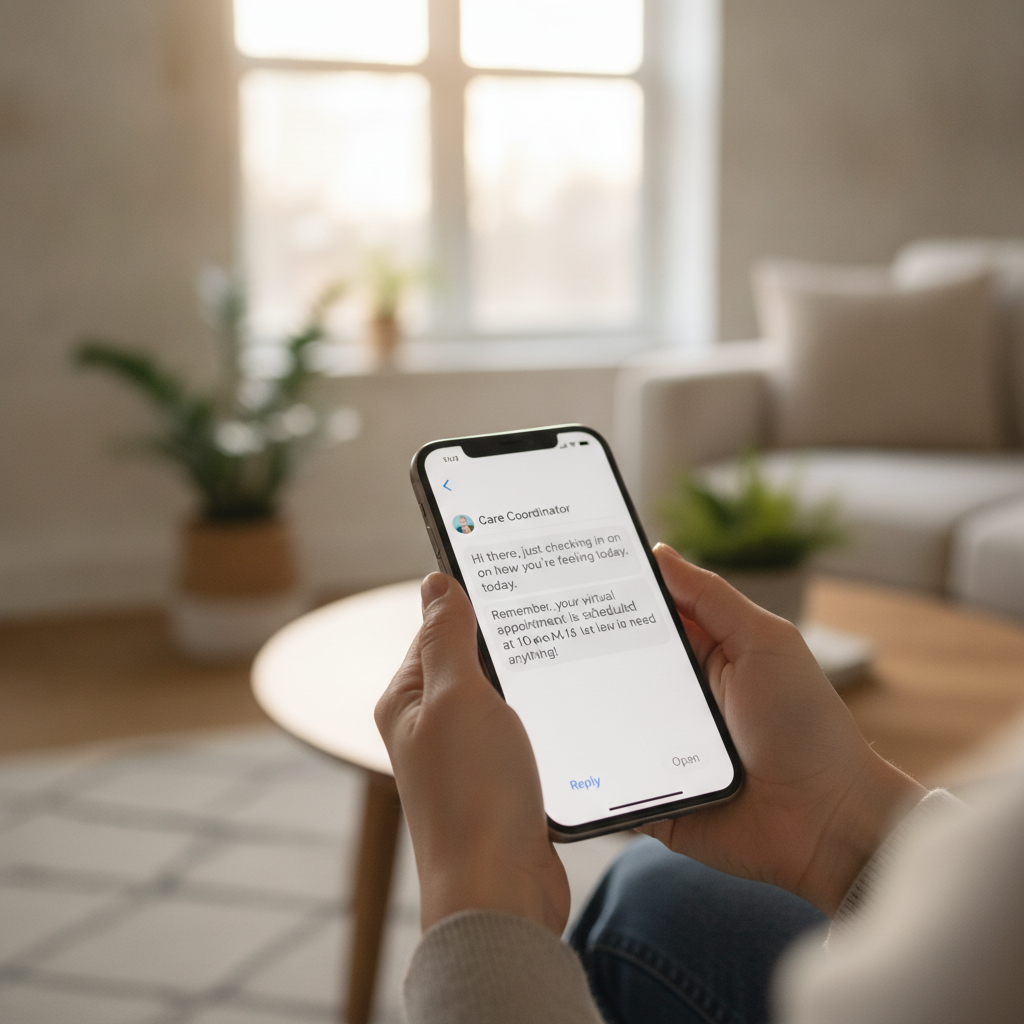
Between visits, technology carries the load so your recovery does not depend on you driving across town every few days. At MD M.A.T.T., we use e-prescribing, so your prescription goes straight to your pharmacy. We coordinate your pharmacy pickup and send medication follow-up by text so you never miss a refill and never fall through the cracks. How often you come in depends on how stable you are. Early on it may be more frequent. As you settle in, visits spread out. The point is to reduce the travel burden, not add to it.
For a working parent in Baltimore, that might mean a short appointment that fits around a shift, a prescription waiting at the pharmacy that evening, and a text check-in a few days later. Economic well-being is physical well-being. Keeping your job and your routine is not a nice extra. It is part of getting better.
What Happens When Anxiety or Depression Comes With Opioid Use Disorder?
If you also live with anxiety, depression, or trauma, the same MD M.A.T.T. psychiatric team that manages your opioid addiction treatment treats those conditions too, internally, in the same visit. You do not get shuffled between separate providers who never talk to each other.
This matters because these conditions travel together. Many people started using to quiet something: panic, sleeplessness, the weight of a trauma they never got help for. If you treat the opioid use disorder and ignore the depression underneath it, you have left the door open. The mental health piece does not sit still either. As your body stabilizes on medication, symptoms shift. Something that was buried under active use surfaces once the chaos calms down. That is normal, and it needs a clinician watching for it.
Because our prescribers are psychiatric nurse practitioners, they can adjust your buprenorphine and your mental health medication in the same conversation. If your anxiety spikes as you stabilize, that gets addressed right there, not at a referral three weeks out. One clinical relationship, one team that knows your whole story. You are not a case number handed off down the line.
Picture someone six weeks in. The cravings have eased, but now the depression they medicated for years is loud and clear. In a fragmented system, that is the moment a lot of people relapse while waiting for a psychiatry appointment. Here, it is one visit. That continuity is often the difference between staying on track and slipping.
Can You Afford This? Insurance, Medicaid, and Enrollment Help
Yes, and cost should not be the reason you keep managing withdrawal on your own or delay care. Maryland Medicaid covers medication assisted treatment, and MD M.A.T.T.’s locations accept it, along with Medicare and all the major commercial plans.
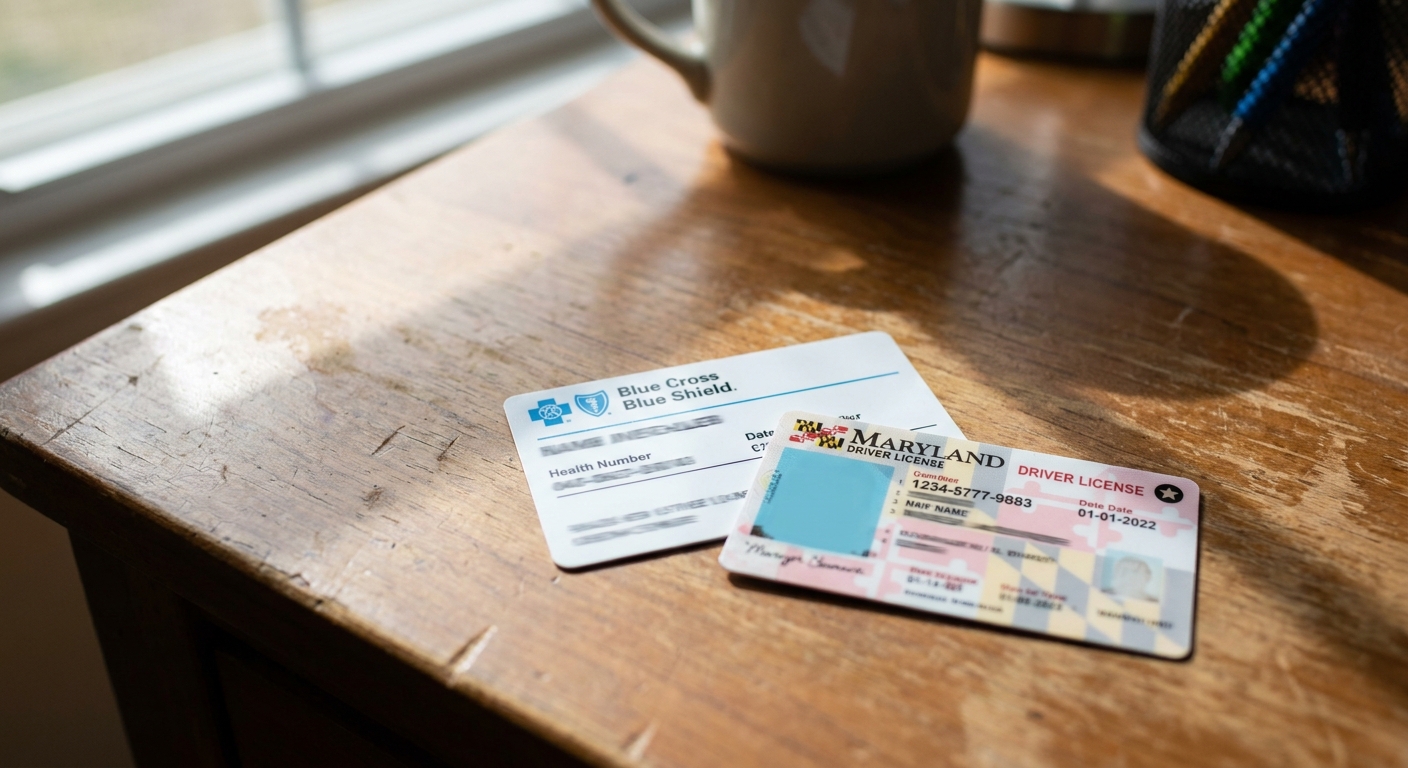
We accept Medicaid, Medicare, and all insurances, including Blue Cross Blue Shield, Aetna, Cigna, and UnitedHealthcare. We are not a private-pay-only practice. Maryland Medicaid covers MAT, which removes the cost barrier that pushes so many people to manage withdrawal on their own instead of getting real medical care. The U.S. Department of Health and Human Services points providers and patients toward these covered, evidence-based treatment options for exactly this reason: access saves lives.
If your insurance situation is a mess, that is not a dead end here. Our MD M.A.T.T. staff coordinates insurance enrollment assistance. If you are not sure what you qualify for, or your coverage lapsed, we help you sort it out instead of turning you away at the desk. Nobody should stay sick because the paperwork felt impossible.
We also coordinate transportation to your in-office visits. If getting to the appointment is the thing standing between you and treatment, we work on that with you. The whole point is to remove the reasons people delay, one at a time, until “I can’t afford it” and “I can’t get there” stop being the reasons you keep waiting.
Why Community Does What Medication Alone Cannot
Community connection matters as much as the medication, because the opposite of addiction isn’t sobriety, it’s community. Effective opioid addiction treatment includes help with the things that keep a life standing: housing, food, and some economic stability. Medication treats the body. Community keeps the recovery.
Here is the logic, plain. If someone gets medically stable but goes home to no housing, no food, and no support, the pressure that fed the addiction is all still there. Stability is not a luxury sitting on top of treatment. It is part of treatment. So at MD M.A.T.T. we coordinate connection to economic resources, food assistance, and housing support as standard care, not as an afterthought and not as a favor. This is people trying to build something better for themselves, and they cannot do it on medication alone.
The technology helps here too. Beyond medication reminders, patients get follow-up wellness checks by text. A short message to see how you are doing keeps you connected between visits and catches trouble early. It is a small thing that says you are not on your own with this.
That is the part most programs skip. They measure success only by whether you stopped using. We measure it by whether your life is coming back together, because that is what makes the recovery last.
Frequently Asked Questions
Can I start MAT if I’m already taking Suboxone without a prescription?
Yes. We specialize in exactly this. In the last five years, every patient who came to us was already taking buprenorphine on their own or already using, and we bring you into medically supervised care using a home-induction protocol built around your real situation.
Will I have to go to inpatient treatment to start medication for opioid use disorder?
No. We provide outpatient medication assisted treatment, so you keep working and caring for your family while you get medical oversight and counseling.
Does Maryland Medicaid cover medication assisted treatment?
Yes. Maryland Medicaid covers MAT, and we accept Medicaid, Medicare, and all insurances at our Owings Mills, Linthicum Heights, and Baltimore locations.
What happens if I have depression or anxiety along with opioid use disorder?
Our psychiatric nurse practitioners treat both your opioid use disorder and co-occurring mental health conditions internally, in the same visit, so you do not need separate providers.
How often do I have to come in for appointments?
It depends on your stability and progress. We use e-prescribing and text-based medication follow-up to cut the travel burden and keep you on track between in-office visits.
Can I get help with transportation or housing while in treatment?
Yes. Our staff coordinates transportation to appointments and connects you to housing, food assistance, and economic stability resources as part of standard care.
Call MD M.A.T.T. at (443) 559-4137 to reach your nearest location in Owings Mills, Linthicum Heights, or Baltimore, schedule an intake appointment, and ask about same-week availability for medication management and psychiatric care. The window when someone is willing does not stay open forever, so we always make sure to get people seen.