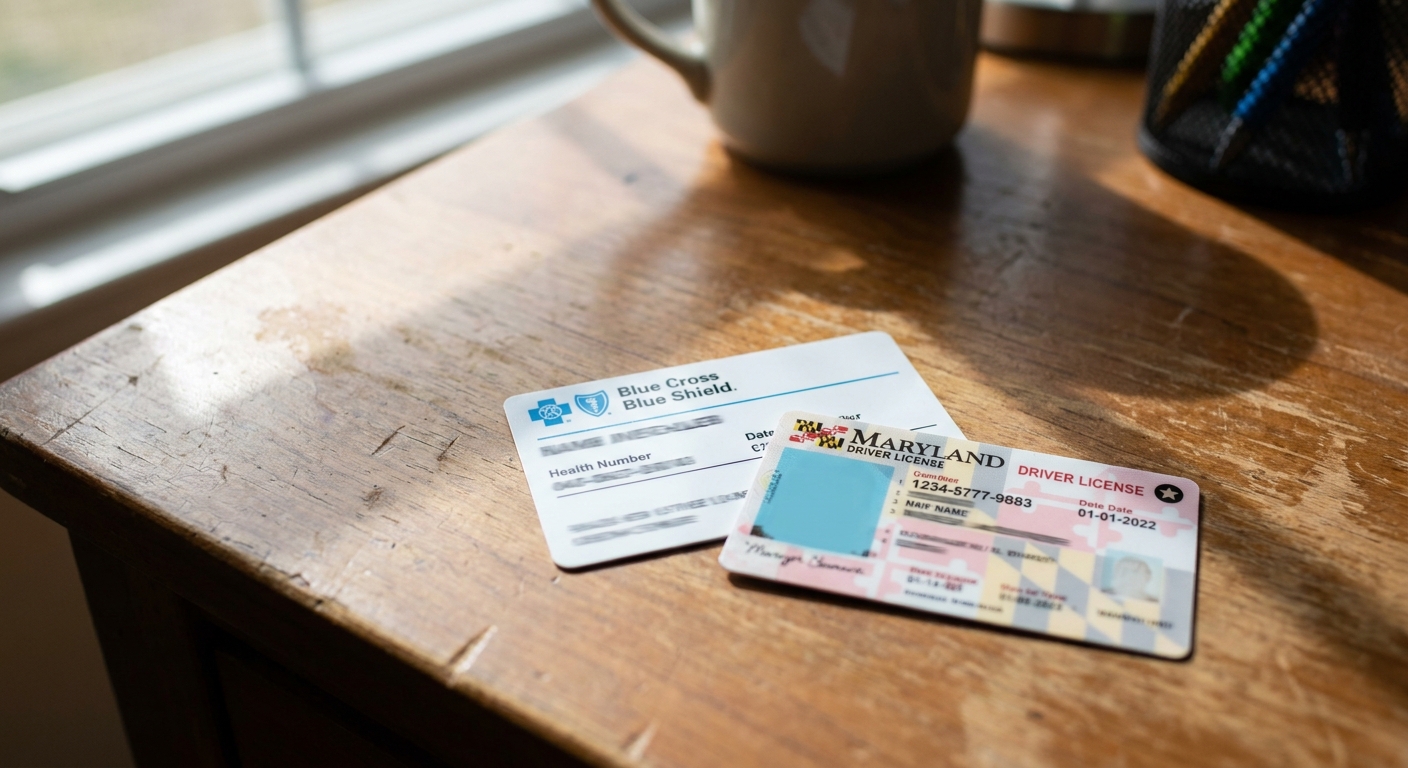
Outpatient care is defined as treatment you receive without a formal physician admission order, regardless of how long you stay at a medical facility. That single distinction, the formal admission order, is the core of how outpatient vs inpatient differs. It determines your insurance classification, your billing, and the intensity of care you receive. For anyone weighing mental health treatment or addiction recovery options, understanding this difference before you walk into a facility can save you thousands of dollars and help you choose the right level of care from the start.
How outpatient vs inpatient differs: the core distinction
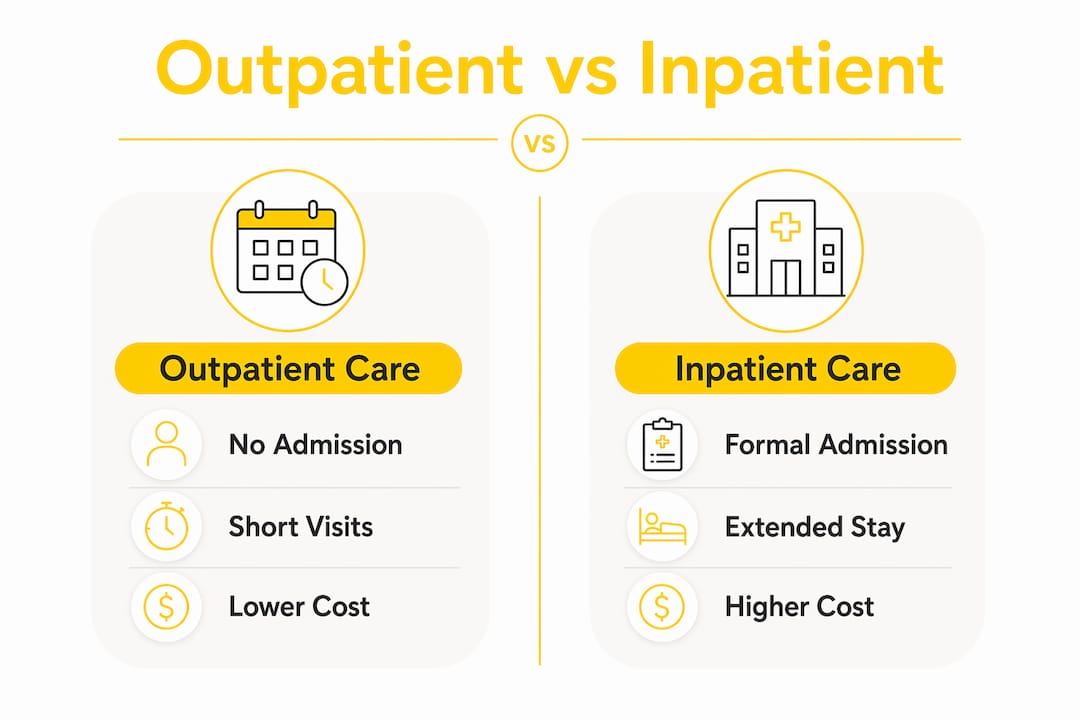
The single factor that separates outpatient from inpatient care is whether a physician formally admits you to a hospital or facility. Location and length of stay do not determine your classification. A patient can spend two nights in a hospital bed and still be classified as outpatient if no admission order was written. That classification directly affects what your insurance pays and what you owe.

This distinction matters most when you are dealing with mental health treatment, opioid use disorder, or psychiatric care. Inpatient billing typically involves per-admission deductibles and daily copays. Outpatient billing uses copays or coinsurance after your deductible. The financial gap between the two can be significant, and many patients discover the difference only after receiving a bill.
Pro Tip: Ask your clinical team directly: “Am I formally admitted as inpatient, or am I under observation status?” The answer changes your coverage and your costs.
What is inpatient care and when is it appropriate?
Inpatient care is defined as treatment delivered under a formal physician admission order, with 24/7 medical supervision in a hospital or psychiatric facility. It is designed for acute crises where continuous monitoring is the only safe option. Typical inpatient stays for psychiatric or medical crises last 3 to 14 days, though duration varies by condition and clinical progress.
Inpatient care is the right choice when:
- You are at imminent risk of harm to yourself or others
- Your symptoms are severe enough that you cannot safely function at home
- You need medically supervised detox or withdrawal management
- Outpatient treatment has not stabilized your condition
- You require around-the-clock psychiatric or medical monitoring
The cost of inpatient care reflects its intensity. A three-day inpatient stay averages $30,000 before insurance adjustments. That figure underscores why insurance classification matters so much. Your plan’s inpatient deductible and daily copays apply once you are formally admitted, and those costs count toward your annual out-of-pocket maximum.
Pro Tip: If you are hospitalized for a mental health crisis, request written confirmation of your admission status on day one. Observation status and inpatient status look identical from the inside but carry very different costs.
What is outpatient care and who benefits from it?
Outpatient care is treatment you receive while living at home, returning to a clinic, office, or treatment center for scheduled sessions. It covers a wide range of services, from a single therapy appointment to structured daily programs. The intensity of outpatient programs varies widely, ranging from 1 to 20 or more hours per week depending on the program type.
Three main levels of outpatient care exist:
- Standard outpatient therapy: Weekly or biweekly sessions with a therapist, psychiatrist, or addiction medicine specialist. Best suited for stable patients managing ongoing conditions.
- Intensive Outpatient Programs (IOP): Structured group and individual therapy sessions, typically 9 to 15 hours per week. Used for patients who need more support than weekly therapy but do not require hospitalization.
- Partial Hospitalization Programs (PHP): The most intensive outpatient level, often 20 or more hours per week. PHP bridges the gap between inpatient discharge and independent outpatient care.
Outpatient care suits patients who are medically stable, have a safe home environment, and can manage daily responsibilities while attending treatment. Ambulatory care settings include physician offices, clinics, urgent care centers, and outpatient surgery centers, making access more flexible than inpatient facilities. For opioid use disorder specifically, outpatient Medication-Assisted Treatment with Suboxone is a well-established and effective path that does not require hospitalization.
Pro Tip: If you are unsure whether IOP or PHP is right for you, ask your provider to complete a formal clinical assessment using the American Society of Addiction Medicine (ASAM) criteria. This standardized tool matches care level to clinical need.
How do inpatient and outpatient costs and insurance coverage compare?
Insurance cost-sharing works differently for each care type, and the gap is substantial. Inpatient care triggers per-admission deductibles and daily copays once a formal admission order is in place. Outpatient care uses a copay or coinsurance model, applied after you meet your annual deductible. Both types of costs count toward your plan’s out-of-pocket maximum, which is capped at $10,600 for 2026 under ACA-compliant plans.
| Cost factor | Inpatient | Outpatient |
|---|---|---|
| Billing trigger | Formal physician admission order | Scheduled appointment or service |
| Typical cost structure | Per-admission deductible plus daily copay | Copay or coinsurance per visit |
| Average 3-day cost | $30,000 before insurance | Varies widely by service type |
| Medicare rule | 2-midnight standard applies for inpatient status | Observation status if under 2 midnights |
| Out-of-pocket maximum | Counts toward 2026 cap of $10,600 | Counts toward same cap |
Medicare adds another layer of complexity. Under Medicare’s two-midnight rule, a hospital stay must span at least two midnights to qualify for inpatient billing. Stays shorter than that are classified as outpatient observation, even if you slept in a hospital bed. This rule catches many patients off guard, particularly those seeking short-term psychiatric stabilization.
Many outpatient services covered in-network carry no cost after the deductible is met. That cost advantage, combined with the ability to recover at home, makes outpatient care the preferred starting point for most mental health and addiction treatment plans.
What are the patient experience differences between these care types?
The experience of inpatient versus outpatient care differs beyond clinical intensity. Inpatient settings provide structure and safety but remove patients from their home environment, routines, and support networks. Outpatient recovery at home reduces stress and stigma, which are factors that directly affect treatment engagement and outcomes.
Research finds that patients report lower satisfaction with specialized psychiatric hospital units compared to general hospital settings, largely due to stigma concerns. That finding matters for treatment planning. A patient who feels stigmatized or uncomfortable in a setting is less likely to engage fully with care.
Key experience differences include:
- Privacy and stigma: Outpatient treatment is less visible to employers, family members, and communities, which reduces social stigma for many patients.
- Routine preservation: Outpatient patients maintain family roles, employment, and daily structure, which supports long-term recovery.
- Peer environment: Inpatient units provide peer support from others in acute crisis, which can be valuable but also destabilizing for some patients.
- Clinician access: Inpatient care offers immediate access to physicians, nurses, and therapists around the clock. Outpatient care relies on scheduled contact and patient self-management between sessions.
The right setting is the one where you can engage honestly and consistently with treatment. For many patients managing opioid use disorder, outpatient treatment paired with Medication-Assisted Treatment provides that environment without the disruption of hospitalization.
How to decide between outpatient and inpatient care
Safety is the primary factor in any care-level decision. If you are at immediate risk of harm, inpatient care is the appropriate choice. If you are stable enough to function at home and attend scheduled treatment, outpatient care is typically the right starting point. Severity and safety needs drive inpatient admission over outpatient in every clinical framework.
A structured decision process looks like this:
- Assess immediate safety. Can you keep yourself safe at home tonight? If the answer is uncertain, inpatient evaluation is warranted.
- Evaluate symptom severity. Are your symptoms so acute that you cannot manage basic daily functions? Inpatient care provides the structure you need.
- Review your support environment. Do you have a stable home, supportive people around you, and the ability to attend regular appointments? Outpatient care becomes viable.
- Consult a licensed clinician. A mental health professional or addiction medicine specialist can apply the ASAM criteria or similar tools to match you to the right level of care.
- Verify your admission status. If you enter a hospital, confirm in writing whether you are inpatient or under observation. This step protects you from unexpected billing.
Pro Tip: Care levels are not permanent. Many patients start in inpatient care, step down to PHP, then IOP, then standard outpatient therapy as they stabilize. This continuum of care is the clinical standard, not an exception.
Key Takeaways
The formal physician admission order, not the location or length of a hospital stay, determines whether care is classified as inpatient or outpatient and drives all downstream insurance and billing consequences.
| Point | Details |
|---|---|
| Admission order is decisive | A physician’s formal admission order, not overnight stay, defines inpatient classification and billing. |
| Outpatient has multiple intensity levels | Standard therapy, IOP, and PHP offer structured care without hospitalization for stable patients. |
| Cost gap is significant | A 3-day inpatient stay averages $30,000; outpatient services often cost far less per episode of care. |
| Safety drives inpatient decisions | Imminent risk of harm or inability to function safely at home is the threshold for inpatient admission. |
| Verify your status in writing | Patients should confirm admission status on day one to avoid unexpected bills from observation classification. |
My perspective on choosing the right care level
One of the most common misconceptions I see is the belief that spending a night in a hospital automatically means you are an inpatient. That assumption leads to real financial harm. Patients discharged after two nights under observation status have received bills they never anticipated, simply because no formal admission order was written.
The safety threshold for inpatient care is also frequently misunderstood. Inpatient psychiatric admission is not for patients who are struggling. It is for patients who cannot safely manage outside of a supervised environment. That distinction matters because pushing for inpatient care when outpatient is clinically appropriate can delay the kind of community-based recovery that actually sticks.
What I have found is that patients who recover at home, with the right outpatient support, tend to build stronger long-term coping skills. They practice managing their condition in the real world from day one. That is not always possible, and sometimes inpatient care is the only safe option. But when outpatient care is clinically appropriate, it is often the more effective long-term choice.
Insurance variability is real, and I encourage every patient to advocate for themselves. Call your insurer before admission. Ask whether your plan covers the specific program you are entering. Know your deductible and your out-of-pocket maximum. The clinical team can guide your care decisions, but you are your own best advocate when it comes to coverage.
— Cory
Mdmatt’s outpatient treatment options for addiction and mental health
Choosing the right care level is one of the most important decisions you will make in recovery. Mdmatt specializes in outpatient addiction treatment, including Suboxone-based Medication-Assisted Treatment, individual counseling, and telehealth services for patients across Maryland.

Mdmatt’s patient-centered approach means your care plan is built around your life, your safety, and your goals. Whether you are stepping down from an inpatient stay or starting treatment for the first time, the team at Mdmatt can help you determine the right level of outpatient support. Suboxone treatment and telehealth services are available at multiple Maryland locations, making consistent care accessible without hospitalization.
FAQ
What is the main difference between outpatient and inpatient care?
The main difference is the formal physician admission order. Inpatient care requires a written admission order from a physician; outpatient care does not, regardless of how long you stay at a facility.
Can I be in a hospital overnight and still be outpatient?
Yes. A hospital stay of 24 to 48 hours can remain classified as outpatient if no formal admission order is issued. This is called observation status and carries different insurance costs than inpatient admission.
Which is better for opioid use disorder: outpatient or inpatient?
Outpatient Medication-Assisted Treatment, including Suboxone, is the clinical standard for most patients with opioid use disorder who are medically stable. Inpatient care is reserved for acute crises, severe withdrawal, or cases where outpatient management has not been sufficient.
Does Medicare cover both outpatient and inpatient mental health care?
Medicare covers both, but the two-midnight rule applies to inpatient classification. Stays shorter than two midnights are typically billed as outpatient observation, which affects what Medicare pays and what you owe.
How do I know which level of care is right for me?
A licensed clinician can assess your safety, symptom severity, and home environment using standardized tools like the ASAM criteria. Safety is always the first consideration, and care levels can be adjusted as your condition changes.