Every day that someone waits to start opioid treatment is a day the odds shift against them. A same-day Suboxone clinic changes that math by collapsing the time between “I’m ready” and “I have my first dose” down to hours, not weeks. Here is exactly what to expect when you walk through that door today.
What Same-Day Treatment Actually Means
A 2022 analysis by the National Academy for State Health Policy found that in states without rapid-access buprenorphine programs, patients waited an average of 19 days between first contact with a provider and receiving a prescription. Research published in JAMA Psychiatry on over 40,000 opioid use disorder patients confirmed what clinicians already suspected: people who received medication on the day they sought treatment were significantly more likely to remain in care at 30 days compared to those who experienced any intake delay.
Same-day Suboxone access means no waitlist, no intake appointment scheduled for next week, and no preliminary visit before the prescription. You call, you come in, and you receive your first dose before you leave. That model exists throughout Maryland, both in-person and via telehealth, and it is the standard that clinics built around rapid access are designed to meet.
The practical takeaway here: access is not the barrier it was five years ago. If you are in withdrawal or afraid you will change your mind, today is a viable option.
How to Find a Same-Day Suboxone Clinic Near You
A 2020 SAMHSA analysis of buprenorphine prescribers found that rural and low-income urban ZIP codes had 40% fewer waivered providers per capita than higher-income suburban areas, a disparity that has narrowed but not disappeared since the X-waiver requirement was eliminated in 2023. The gap is real, but the growth of telehealth has made geography far less predictive of access than it used to be.
To find a same-day provider in Maryland, start with the SAMHSA Treatment Locator at findtreatment.gov, which filters by same-day availability and Medicaid acceptance. Maryland’s Behavioral Health Administration also maintains a provider directory at bha.health.maryland.gov. For in-person appointments across Baltimore, College Park, Linthicum Heights, Nottingham, and Owings Mills, clinics serving Maryland Medicaid patients are the fastest path to same-day care. Telehealth options through Maryland-licensed providers can reach you wherever you are and are covered by most Medicaid plans.
The one concrete action: call before noon. Clinics that offer same-day appointments fill those slots throughout the morning. A call at 10 a.m. gets you seen today; a call at 3 p.m. may push you to next-day, which is still fast but not the same thing.
What to Ask When You Call
A 2019 study in Substance Abuse followed 1,200 people who contacted opioid treatment programs and found that 30% did not attend their first scheduled appointment, with same-day scheduling cutting that drop-off rate nearly in half. The phone call is the moment that determines whether you actually start today.
Three questions confirm that a clinic is genuinely same-day: Do you offer same-day or walk-in appointments? Can I receive my first Suboxone dose today? Do you accept Medicaid, or do you offer a sliding-scale fee if I am uninsured? Write those questions down before you dial. A clinic that hesitates or routes you to a callback queue is giving you information about how it operates.
What Happens at Your First Appointment
Research from the National Institute on Drug Abuse shows that each additional administrative step in an intake process reduces the probability of treatment initiation by a measurable margin, which is why same-day clinics are built to compress intake without skipping the clinical steps that protect you.
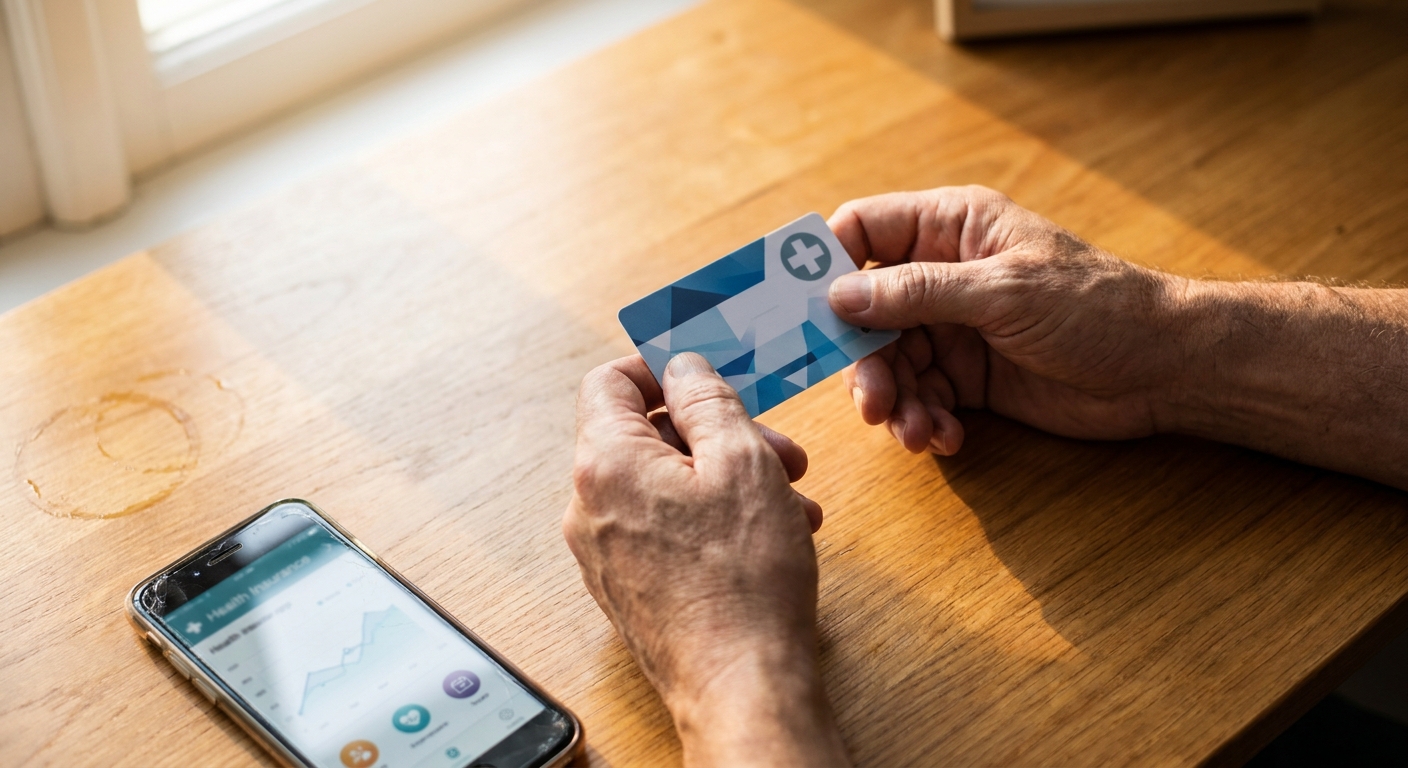
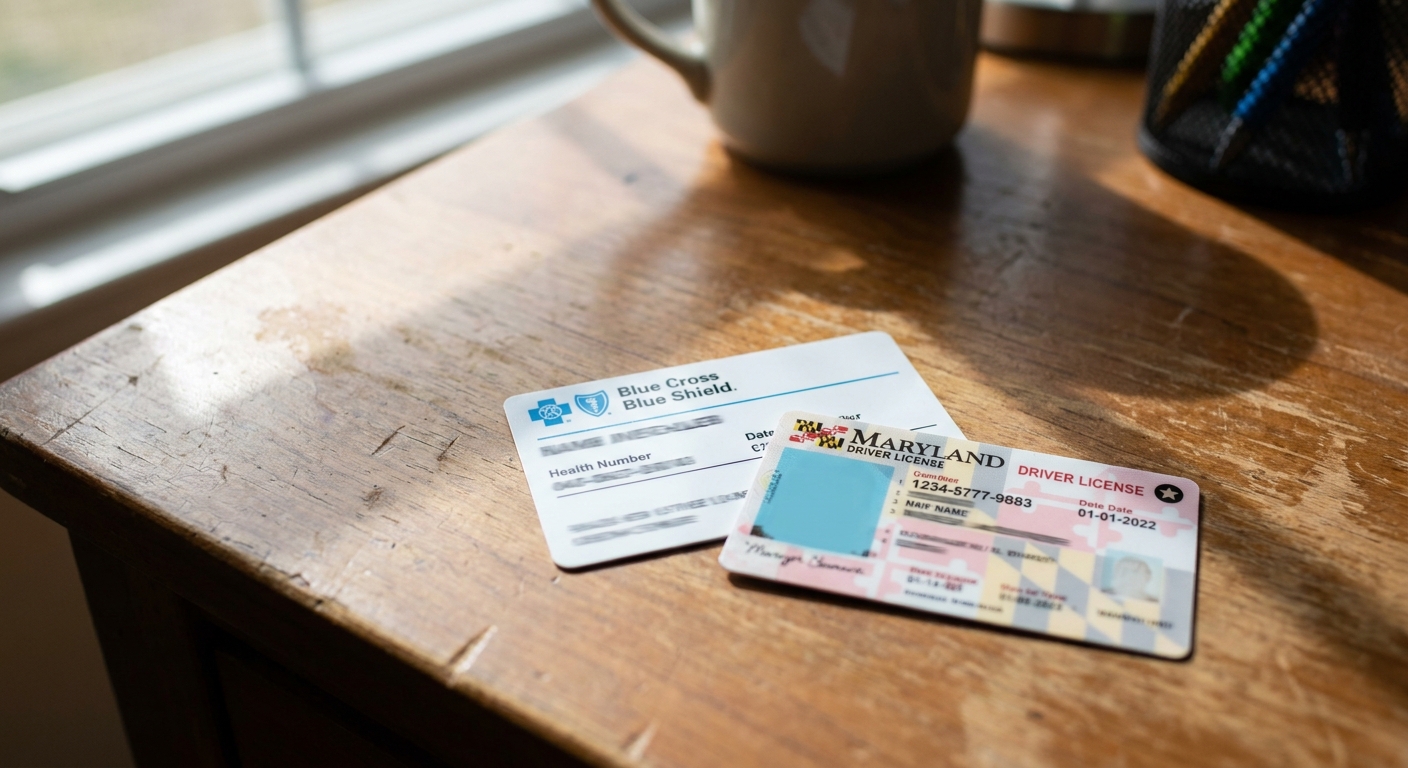
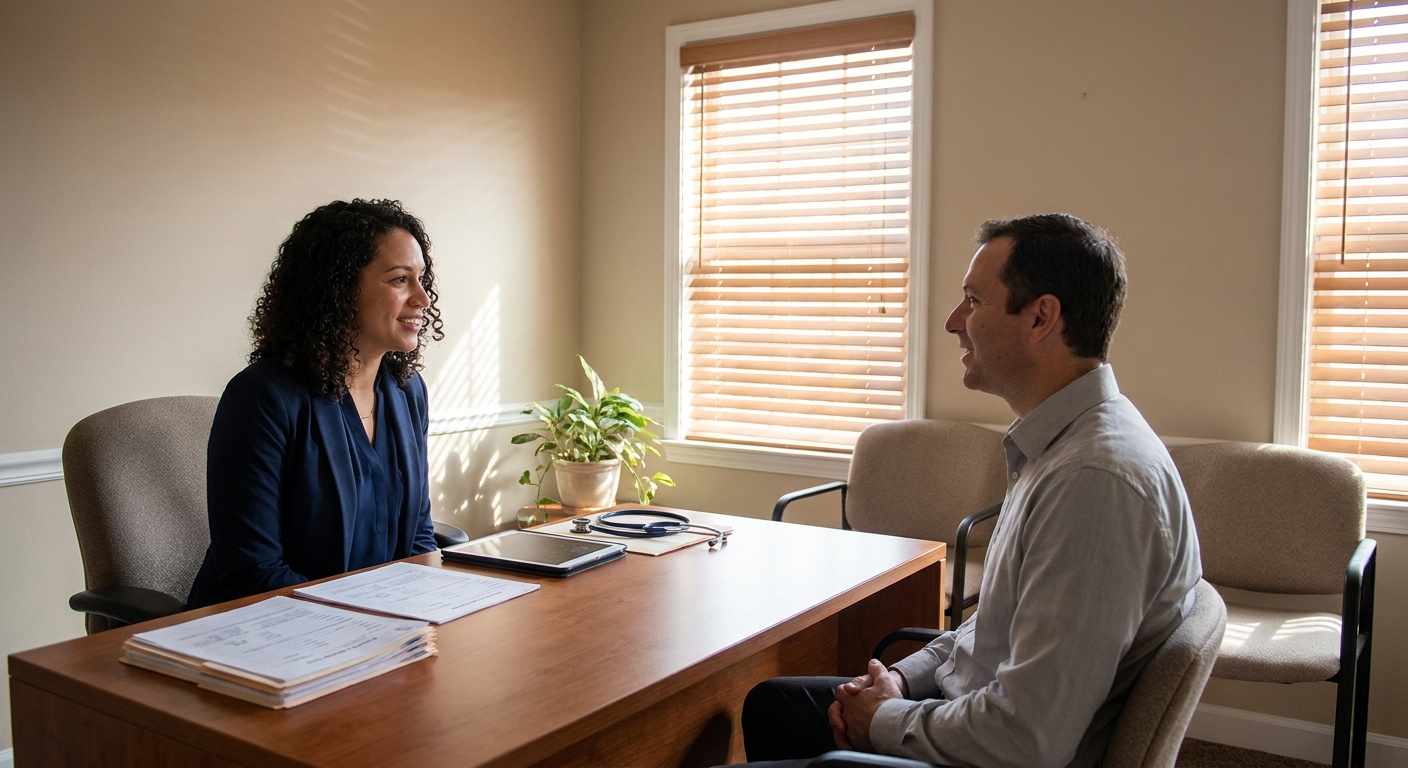
The sequence at a same-day appointment moves quickly. Check-in and insurance verification happen first, typically in under fifteen minutes when you arrive prepared. A clinician then conducts a brief intake interview covering your substance use history, any co-occurring medical or mental health conditions, and your current medications. A physical exam follows, which at telehealth clinics is conducted by video. The clinician then performs a COWS assessment, sets your starting dose, and sends your prescription to a pharmacy, often one confirmed to have the medication in stock. Bring a valid ID and your insurance card, or know your Medicaid ID number. That single step cuts intake time more than anything else you can control.
The COWS Assessment Explained
The Clinical Opiate Withdrawal Scale has been validated across multiple clinical populations, with a landmark reliability study published in Drug and Alcohol Dependence in 2003 by Wesson and Ling establishing its standard use in opioid treatment settings. It measures 11 observable signs of withdrawal: pulse rate, sweating, restlessness, pupil size, bone or joint aches, runny nose or tearing, gastrointestinal upset, tremor, yawning, anxiety or irritability, and gooseflesh. Each sign is scored; the total determines the severity of your withdrawal and guides the clinician’s starting dose decision.
The COWS score also protects you from precipitated withdrawal, a rapid and severe intensification of withdrawal symptoms that occurs when buprenorphine displaces full opioid agonists before they have cleared your receptors. The action to take: if it is medically safe to do so, avoid taking any opioids for at least 12 to 24 hours before your appointment. A higher COWS score at intake means your dose can be set accurately and safely.
When You Receive Your First Dose
The FDA approved buprenorphine/naloxone for opioid use disorder in 2002, and the clinical trial supporting that approval, published in JAMA by Fudala et al. and involving 326 patients, demonstrated significant reduction in opioid use compared to placebo within the first week of treatment. That evidence base is now more than two decades deep.
In the clinic, you will place a Suboxone film under your tongue and wait for it to dissolve. The clinician observes you for 30 to 60 minutes to confirm the medication is taking effect and that no precipitated withdrawal is occurring. Before you leave, you receive instructions for home dosing. Tell the clinician every substance you have used in the past 48 hours, including alcohol, benzodiazepines, and any prescription medications. That information is not used to judge you; it is used to keep you safe.
Insurance, Medicaid, and Cost at a Same-Day Clinic
CMS data from 2023 confirms that Maryland HealthChoice, the state’s Medicaid managed care program, covers buprenorphine-based treatment without prior authorization, a policy that removes one of the most common delays in opioid treatment access. According to the Maryland Behavioral Health Administration, Medicaid is the primary payer for the majority of buprenorphine treatment episodes in the state.
If you have Medicaid, coverage is active from your first appointment forward. Commercial insurance plans generally cover Suboxone as well, though cost-sharing varies by plan. For patients with commercial coverage, confirming your benefits before the appointment takes the uncertainty out of the first visit. A clinic that handles same-day intake will also verify your benefits in real time, so you know where you stand before you walk out with a prescription. Call the clinic’s billing line the same day you call to schedule; that verification happens during intake, not after.
If You Don’t Have Insurance
A 2021 report from the Kaiser Family Foundation estimated that 1 in 5 adults seeking substance use treatment was uninsured, and cost was the most commonly reported barrier to initiating care. Being uninsured does not mean being unable to start today.
Federally Qualified Health Centers across Maryland offer Suboxone treatment on a sliding-scale fee based on income, with some visits as low as zero dollars for qualifying patients. Maryland’s Behavioral Health Administration funds additional low-cost and no-cost treatment options through county health departments. The Suboxone manufacturer also maintains a patient assistance program for uninsured patients. For a fuller picture of what is available at no or low cost, resources specifically for uninsured patients in Maryland lay out the landscape. The direct action: when you call the clinic, ask explicitly, “Do you see patients without insurance?” before assuming cost is a reason to wait.
What Suboxone Does in Your Body
A 2016 pharmacology review published in CNS Drugs by Velander described buprenorphine’s partial agonist activity at the mu-opioid receptor in detail that is worth translating into plain terms. Buprenorphine binds to opioid receptors with very high affinity, meaning it holds on tightly and displaces other opioids. But it activates those receptors only partially, not fully, which is the ceiling effect. The result: withdrawal stops, cravings drop, but the euphoric rush that characterizes heroin or fentanyl does not occur.
Naloxone is the second ingredient. It is added specifically to deter injection misuse. When Suboxone is taken sublingually as prescribed, the naloxone is not absorbed in meaningful amounts. If someone attempts to inject it, the naloxone activates and blocks the opioid receptors entirely, triggering immediate withdrawal. If a family member raises the concern that Suboxone is “just replacing one drug with another,” the ceiling effect is the clinical fact that answers it directly. The medication treats a disorder; it does not recreate the disorder.
What Comes After the First Dose
A 2020 study in New England Journal of Medicine by Wakeman et al., analyzing outcomes for over 40,000 patients, found that retention in buprenorphine treatment at 180 days was associated with dramatically lower rates of opioid overdose compared to all other treatment modalities examined. Same-day access starts the clock on that retention.
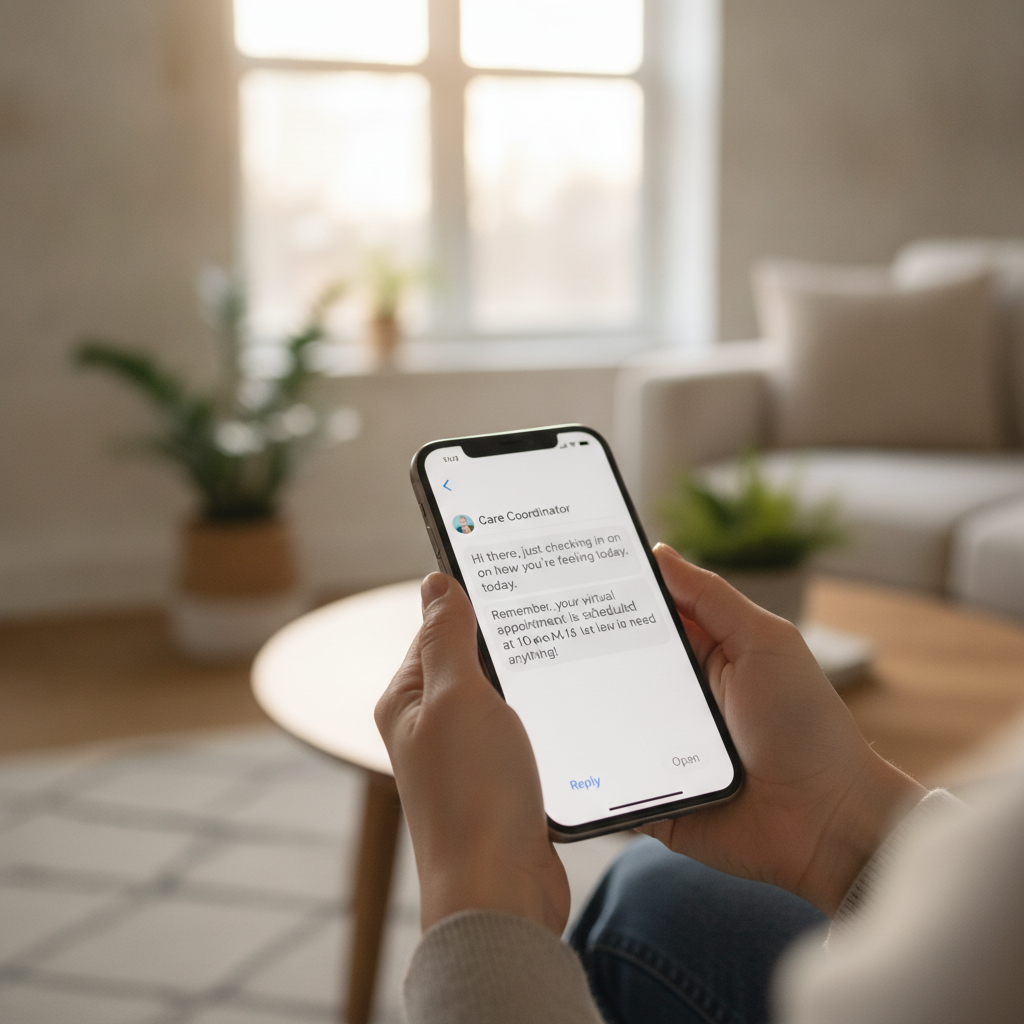
Ongoing treatment at a same-day clinic follows a structured cadence. Appointments are typically weekly for the first month, then shift to monthly as stability is established. Urine drug screens are part of routine care, not punishment; they give the clinician data to adjust your dose and support your plan. Many clinics serving Maryland patients also offer integrated behavioral health, which matters because co-occurring conditions like depression, anxiety, or PTSD are common in people with opioid use disorder, and addressing them alongside the medication improves outcomes. Before you leave your first appointment, schedule your follow-up. That single step is one of the strongest predictors of whether you are still in treatment 30 days from now.
Counseling and Behavioral Support
A 2019 Cochrane Review analyzing 27 randomized trials found that adding psychosocial support to buprenorphine treatment improved retention and reduced illicit drug use compared to medication alone, though medication without counseling still outperformed no treatment by a wide margin. Federal rules do not require counseling as a condition of receiving a Suboxone prescription, and same-day clinics will not gate your medication behind a therapy session you have not attended yet.
That said, the evidence favors combined treatment over medication alone when counseling is accessible. At intake, ask whether the clinic has an in-house counselor or a referral partner. Many Maryland same-day clinics offer brief counseling check-ins at medication visits, plus referrals to outpatient therapy and peer support groups. You do not need to have that piece figured out today, but asking the question keeps it in reach.
Common Fears About Starting Suboxone, Answered Directly
A 2020 study in Psychiatric Services by Madden et al. surveying 500 individuals with untreated opioid use disorder found that stigma and fear of judgment were cited more frequently than cost or access as reasons for not seeking treatment. Three fears come up most consistently, and each one has a factual answer.
Fear of judgment: same-day clinics exist specifically to lower the barrier to care. The clinical staff have heard every substance use history and every relapse story. Judgment is not the goal; treatment is. Fear of being on Suboxone forever: the 2020 NEJM study by Wakeman et al. found that longer duration on buprenorphine was associated with significantly reduced overdose risk, meaning stopping early carries more risk than continuing. The duration of your treatment is a clinical decision made with your provider over time, not a fixed sentence. Fear of side effects: the most commonly reported effects at treatment initiation are headache, nausea, and constipation, all of which typically resolve within the first week as your dose stabilizes.
Name the specific fear holding you back before your appointment and tell the clinician at intake. Clinicians at same-day clinics address these directly because they hear them every day.
Start Today, Not Next Week
Call a same-day Suboxone clinic before the end of business today. If you do not yet have a specific clinic identified, the SAMHSA National Helpline at 1-800-662-4357 operates 24 hours a day, 7 days a week, and connects you to local treatment options at no cost. Same-day access means the dose you need is available today, and how Maryland Medicaid covers that treatment is something a clinic can confirm for you before you even arrive. The window between readiness and action is the most dangerous window there is. Close it today.